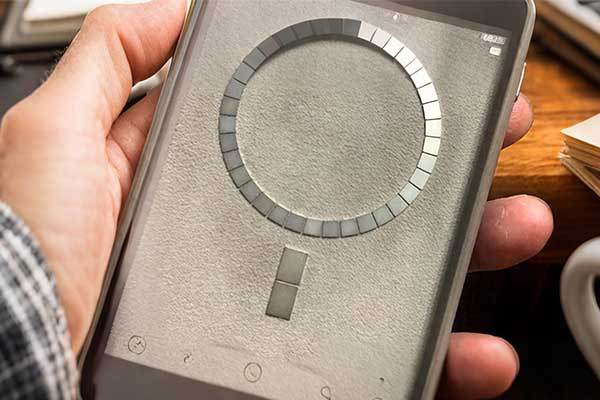
What type of phone is compatible with the MagSafe charger?
What type of phone is compatible with the MagSafe charger?
MagSafe charging requires specific hardware. iPhones starting from the 12 series have built-in compatibility. Other phones need special accessories to work properly with this magnetic system.
Apple iPhones from the 12 series onward (including iPhone 12, 13, 14, 15, 16, and future models) have native MagSafe compatibility. Android phones require MagSafe-compatible cases or accessories with built-in magnet rings. All compatible devices must support Qi wireless charging standards and have precise magnetic alignment for secure attachment and efficient power transfer.
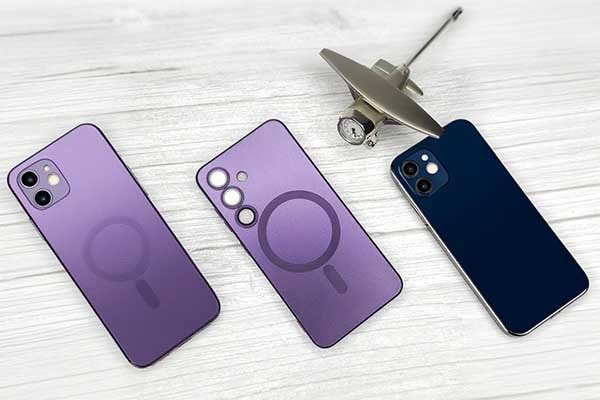
Let's examine exactly what makes a phone work with MagSafe technology.
Table of Contents
What does it mean to be MagSafe compatible?
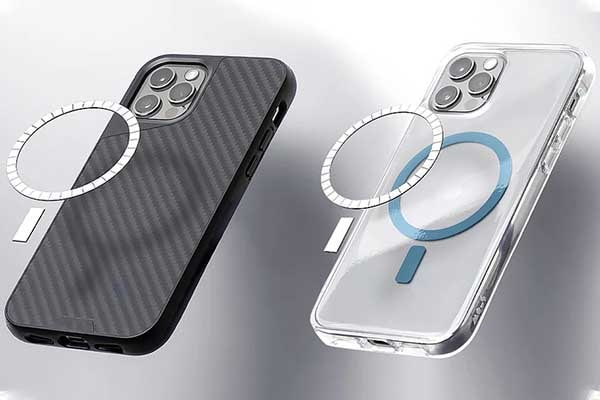
MagSafe compatibility means a device magnetically aligns with Apple's charging system. It requires both Qi wireless charging support and precise magnetic components. This creates secure attachment and optimal power transfer.
MagSafe compatibility means a device has the correct magnet array to snap perfectly onto MagSafe chargers and accessories. It requires Qi wireless charging support, specific magnet placement patterns, and proper magnetic shielding. This ensures strong alignment and prevents interference with device functions.
MagSafe Compatibility Requirements Comparison
| Feature | Native Compatibility | Accessory-Enabled |
|---|---|---|
| Magnet Array | Built into phone | Case or ring add-on |
| Alignment Precision | Apple-certified | Varies by manufacturer |
| Charging Speed | Up to 15W | Typically 7.5-10W |
| Accessory Ecosystem | Full support | Limited functionality |
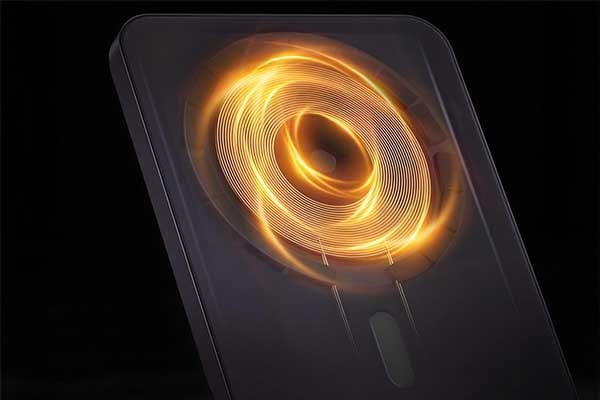
MagSafe compatibility starts with the magnet array. Apple uses 18 precisely arranged circular magnets around the charging coil. These magnets create alignment. They ensure perfect contact every time. The magnets are neodymium type. Neodymium magnets are very strong. They provide secure attachment. We know this well at M-Magnet. We produce these magnets daily.
The magnet ring serves two purposes. First, it aligns the charger perfectly. Second, it holds accessories securely. But magnets alone aren't enough. Devices need Qi wireless charging capability. Qi is the universal standard. MagSafe chargers use Qi technology. They add magnets for alignment. Without Qi support, charging won't work. Many people forget this important point.
Magnetic shielding is equally important. Phones contain sensitive electronics. Strong magnets can disrupt them. Proper shielding prevents interference. It directs magnetic fields correctly. This protects internal components. It also improves charging efficiency. As magnet specialists, we test shielding thoroughly. Good shielding makes products safe.
Now consider power transfer. MagSafe delivers up to 15W charging. This requires perfect coil alignment. Magnets make this alignment automatic. Without proper alignment, charging slows down. Energy efficiency drops. Phones might overheat. The magnet array prevents these issues. That's why magnet quality matters.
But what about Android devices? Android phones lack built-in MagSafe systems. They need external solutions. This is where MagSafe compatible accessories help. Cases with magnet rings add functionality. These rings must match Apple's specifications. They need exact magnet placement. Strength must be sufficient. At our factory, we produce these rings. We follow precise measurements.
Many customers ask: what is MagSafe compatible? It means meeting all requirements. The device must attach magnetically. It must charge efficiently. It must work with accessories. It must avoid interference. Achieving this needs expertise. Magnet selection is critical. Grade N52 neodymium magnets work best. They offer strong hold. We use them in our products.
Compatibility verification matters too. Apple has certification programs. MFi certification ensures quality. But third-party options exist. They often cost less. Performance might vary. We see this in our testing lab. Some products have weak magnets. Others have poor shielding. This causes charging issues.
Future developments are coming. The EU wants common charging standards. This might expand MagSafe-like systems. More Android phones could adopt magnets. But universal standards don't exist yet. For now, MagSafe remains Apple-focused. Accessories bridge the gap.
As manufacturers, we solve compatibility challenges. We make magnet arrays for accessory makers. Our clients want reliable solutions. We help them with custom designs. Proper materials ensure performance. Correct installation prevents issues. We've learned this through experience. Quality control is essential. Every magnet ring we ship gets tested. This guarantees strength and alignment.
How to check if iPhone is MagSafe compatible?
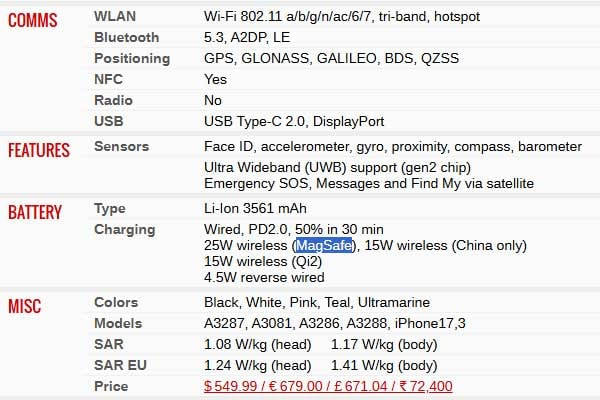
MagSafe compatibility lets you charge and attach accessories magnetically with ease, but how do you know if your iPhone supports it?
To check if an iPhone is MagSafe compatible, look for models starting from the iPhone 12 and later, or check third party sites such as GSM Arena or PhoneArena(search your models to check). These iPhones have built-in rings of neodymium magnets designed to align perfectly with MagSafe chargers and accessories.
Understanding MagSafe compatibility means knowing which iPhones have the magnetic array inside. iPhones from the 12 series onward include this feature, enabling improved wireless charging speed and secure accessory attachment. You can verify your model by checking Apple's official specifications or by recognizing the MagSafe logo on compatible accessories and chargers.
What makes an iPhone MagSafe ready
| Feature | Description | Benefit |
|---|---|---|
| Magnet Ring | Circular array of NdFeB magnets inside the device | Precise alignment with chargers and accessories |
| Wireless Charging PCIe Coil | Optimized for MagSafe wireless charging | Up to 15W power delivery |
| Compatibility Badge | Labeling on official Apple products and cases | Easy user recognition for compatibility |
Checking for this magnetic ring and official confirmation are the best ways to know if your iPhone fits the MagSafe ecosystem. Newer iPhones also receive firmware updates supporting MagSafe’s different accessory standards. If unsure, validate via M-Magnet's official resources to ensure precision quality magnets are used inside your case or charger setup.
Can someone explain the difference between MagSafe and normal wireless?
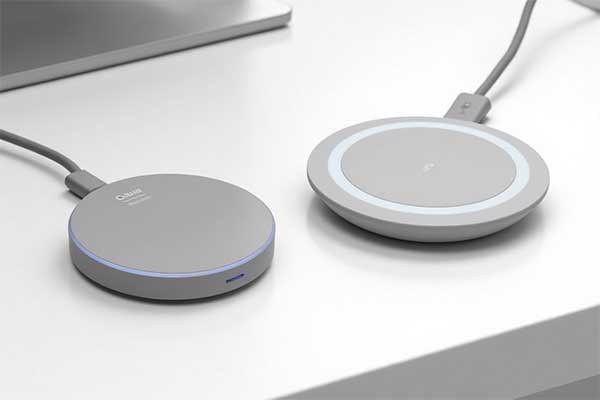
Regular wireless chargers often misalign, charge slowly, or get interrupted if the phone shifts even slightly. MagSafe snaps the charger perfectly into place, ensuring faster, more stable, and efficient charging.
MagSafe is a magnetic wireless charging system that aligns your iPhone perfectly to the charger using built-in neodymium magnets, unlike normal wireless charging that relies on manual placement without magnetic assistance. This results in more efficient and faster charging with less risk of misalignment.
Normal wireless chargers use the Qi standard but depend on placing the phone correctly by eye. If the phone slips or sits slightly off-center, charging slows or even stops. MagSafe solves this with a magnetic alignment ring that snaps your iPhone into the optimal spot every time.
Key differences between MagSafe and normal wireless charging
| Aspect | MagSafe | Normal Wireless |
|---|---|---|
| Alignment Method | Magnetic alignment with neodymium magnets | Manual placement by user |
| Charging Efficiency | Up to 15W with guaranteed full power | Often lower or fluctuating power |
| Accessory Compatibility | Supports snap-on wallets, stands, and mounts | Limited or no accessory magnet support |
| Port Wear | No mechanical stress on ports | Charging ports wear with repeated use |
MagSafe's magnetic system prevents misalignment, a usual problem with normal wireless chargers. This means users experience fewer interruptions and better charging reliability. However, MagSafe requires iPhone models with the magnetic array and accessories that match Apple's standards or high-quality customized solutions.
While standard wireless charging works universally for many devices, MagSafe focuses on delivering a premium, integrated experience for iPhones, improving convenience, charging speed, and accessory use.
How to make my iPhone MagSafe compatible?
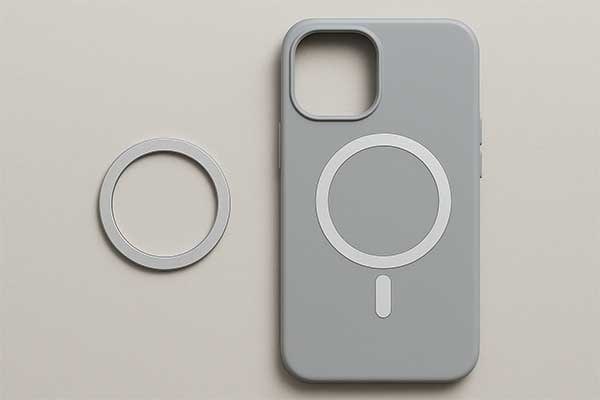
People want wireless charging but their phone doesn’t have built-in support. This causes frustration and confusion.
To make an iPhone MagSafe compatible, users can attach a magnetic ring or use a MagSafe-compatible case. These accessories align the phone with the charger. Some third-party options make older iPhones work with MagSafe systems.
Apple’s official MagSafe system works using a ring of magnets inside the iPhone. This magnetic ring locks the phone to a charger, stand, or wallet accessory. But many older iPhones or non-Apple phones do not have this ring. For these devices, users need to add a magnetic ring manually or use a custom-made MagSafe adapter. It helps align the charger and improve charging speed.
Users can also choose a MagSafe case that has magnets built into the back. These cases are designed to match Apple’s alignment, letting the charger snap in place. Third-party cases may also offer compatibility, but quality can vary.
In our experience at M-Magnet, the right magnetic strength is key. Too weak, and the charger falls off. Too strong, and it becomes hard to detach. That’s why our factory engineers often customize magnet arrays to match Apple’s pattern and field strength for MagSafe accessories.
To help users understand the options better, here is a basic comparison:
Ways to Make iPhones MagSafe Compatible
| Method | Description | Best for |
|---|---|---|
| MagSafe Ring Sticker | Stick-on magnetic ring placed on the back of the phone or case | Older iPhones or Android phones |
| MagSafe-Compatible Case | Case with built-in magnetic alignment system | Users who don’t want to modify their phone |
| Third-Party Adapters | Plug-in accessories or rings with wireless charging pads | Non-Apple phones or budget users |
It’s also important to understand which iPhones have MagSafe already built-in. Starting from iPhone 12, Apple includes MagSafe magnets in the body of the phone. So models like iPhone 12, 13, 14, 15, 16 series all support native MagSafe. For these, no added rings are needed. Users simply place the phone on a MagSafe charger, and it clicks into place.
But for iPhone 11 or earlier, you need help to get the same experience. This is where third-party accessories and custom MagSafe kits come in. At M-Magnet, we’ve helped many clients build magnetic modules that copy Apple’s design but fit a wider range of phones. We also produce magnets that work in Android MagSafe-style cases.
Many customers ask: will using a stick-on ring hurt the phone? The answer depends on the materials used. Low-grade adhesive or off-center magnets can affect alignment or heat up during charging. That’s why we suggest using magnets with stable coatings like NiCuNi or epoxy. These are more heat-resistant and safe for long-term phone use.
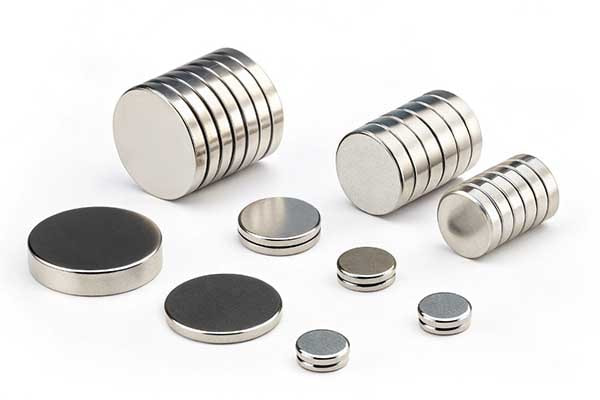
At the same time, the success of apple magsafe shows how much users value easy wireless charging. As more phones adopt this system, demand for customized magnetic designs will grow. Apple magsafe has created a new standard in magnetic accessories. We now help many businesses who want their own version for Android or tablet devices. Whether through thin magnetic discs or ring assemblies, we make it possible.
To close this topic, always check if your case supports MagSafe. A good magnet layout, accurate placement, and high-quality material make a big difference. Apple magsafe has set a high bar, but now it’s possible for almost any phone to reach it — with the right tools.
What does "compatible with MagSafe" mean?
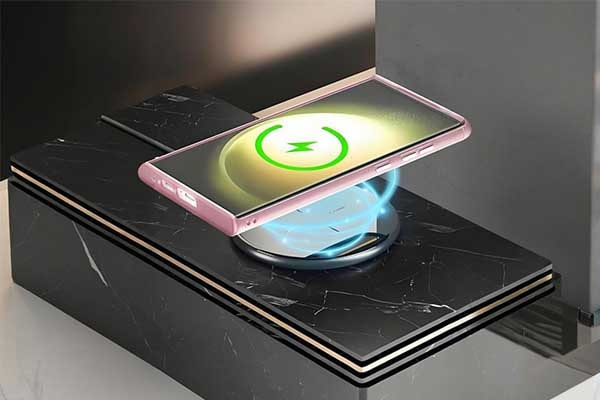
MagSafe compatibility causes confusion for many users. Understanding this technology becomes essential when selecting charging accessories. Poor compatibility choices lead to wasted money and frustration.
A device is compatible with MagSafe when it can connect magnetically to MagSafe chargers and accessories, typically requiring built-in magnets or special cases. This compatibility ensures proper alignment and optimal charging speeds up to 15W wireless power delivery.
MagSafe compatibility extends beyond simple magnetic attraction. The technology requires precise engineering to work effectively. Apple designed MagSafe with specific magnetic field strengths and positioning requirements.
Understanding MagSafe Technology Components
MagSafe systems use neodymium magnets arranged in precise patterns. These M-Magnet solutions create strong magnetic fields that ensure proper device alignment. The magnetic array consists of multiple magnets with alternating polarities.
The charging coils work together with the magnetic system. Proper alignment between the charger and device coils maximizes energy transfer efficiency. Misalignment reduces charging speeds and generates excess heat.
Communication protocols play a crucial role in MagSafe compatibility. Devices exchange information about power requirements and safety parameters. This communication prevents overcharging and manages temperature control.
| MagSafe Component | Function | Compatibility Requirement |
|---|---|---|
| Neodymium Magnets | Device Alignment | Precise Positioning |
| Charging Coils | Power Transfer | Proper Alignment |
| Communication Chip | Safety Protocol | Protocol Support |
MagSafe Certification Standards
Apple maintains strict certification requirements for MagSafe accessories. Third-party manufacturers must meet specific performance standards. These standards ensure user safety and device protection.
Magnetic strength requirements follow precise specifications. Too weak magnets fail to maintain connection during movement. Excessive magnetic strength can interfere with device components or damage sensitive electronics.
Temperature management becomes critical for safe operation. MagSafe systems monitor charging temperatures continuously. Overheating protection automatically reduces power output when needed.
Quality manufacturers follow these certification standards closely. We ensure our magnetic components meet Apple's requirements for strength and positioning. This attention to detail guarantees reliable performance across different devices and usage scenarios.
What devices are compatible with MagSafe?
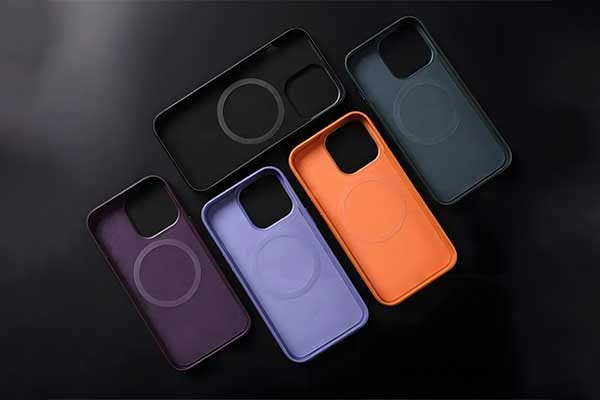
Device compatibility questions arise constantly among consumers. Choosing the wrong device leads to disappointment and additional expenses. Understanding which phones work with MagSafe saves time and money.
iPhones from the 12 series onwards have built-in MagSafe compatibility, including iPhone 12, 13, 14, 15, 16 models. Other smartphones can achieve MagSafe compatibility through specialized cases or magnetic attachments designed for this purpose.
Native MagSafe support remains limited to Apple devices currently. However, the magnetic charging concept has influenced Android manufacturers. Several companies now offer similar magnetic wireless charging solutions.
iPhone Models with Built-in MagSafe
Apple introduced MagSafe with the iPhone 12 series in 2020. All subsequent iPhone models maintain this compatibility. The magnetic array positioning remains consistent across different iPhone sizes.
iPhone 12 models include the mini, standard, Pro, and Pro Max variants. Each model features the same magnetic ring configuration. This consistency ensures universal charger compatibility across the entire series.
iPhone 13 series continued the MagSafe tradition with improvements. Charging efficiency increased while maintaining the same magnetic attachment system. The Pro models added enhanced camera capabilities without affecting MagSafe functionality.
iPhone 14 and 15 series maintain full MagSafe compatibility. Apple refined the magnetic positioning for better stability. Emergency SOS features integrate seamlessly with MagSafe charging capabilities.
The iPhone 16 series represents the latest compatible with MagSafe technology. Advanced processing power works alongside efficient magnetic charging. Camera control features operate independently of MagSafe attachment status.
Android Device Compatibility Options
Android phones lack native MagSafe support from manufacturers. However, custom solutions enable MagSafe functionality on these devices. Magnetic cases provide the necessary magnetic attachment points.
Third-party manufacturers create MagSafe-compatible cases for popular Android models. Samsung Galaxy series cases offer strong magnetic connections. Google Pixel devices also support magnetic case attachments.
OnePlus and Xiaomi phones work with magnetic case solutions. These cases integrate neodymium magnets in precise configurations. The magnetic strength matches Apple's specifications for reliable attachment.
| Device Category | Native Support | Compatibility Method | Charging Speed |
|---|---|---|---|
| iPhone 12-16 Series | Yes | Built-in Magnets | Up to 15W |
| Android Phones | No | Magnetic Cases | Varies by Device |
| Older iPhones | No | Magnetic Adapters | Standard Qi Speed |
Accessory Compatibility Considerations
MagSafe accessory selection requires careful consideration of device compatibility. Chargers designed for iPhone work with any compatible with MagSafe device. However, charging speeds may vary between different phone models.
Car mounts and desk stands use the same magnetic attachment system. Universal compatibility exists across all MagSafe-enabled devices. The magnetic strength provides secure attachment during movement and vibration.
Wallet attachments and battery packs connect reliably to compatible devices. Customized solutions can accommodate specific user requirements. Professional installations ensure optimal magnetic positioning for maximum efficiency.
Quality magnetic components determine accessory performance. M-Magnet provides precision-engineered neodymium magnets for accessory manufacturers. Our magnetic solutions ensure reliable connections and optimal charging performance across all compatible devices.
Future device compatibility depends on manufacturer adoption of magnetic charging standards. More Android manufacturers may introduce native magnetic charging capabilities. The growing popularity of magnetic accessories drives this technological evolution.
Conclusion
MagSafe works best with iPhone 12 and newer models. These phones have built-in magnets and proper charging systems. Android devices need MagSafe compatible cases or accessories. True compatibility requires both Qi charging and precise magnetic alignment. As magnet specialists at M-Magnet Company, we help accessory makers create reliable solutions. Understanding these requirements ensures you get the best charging experience.
About Blogger
Benjamin Li
Operation Manager of M-Magnet Company