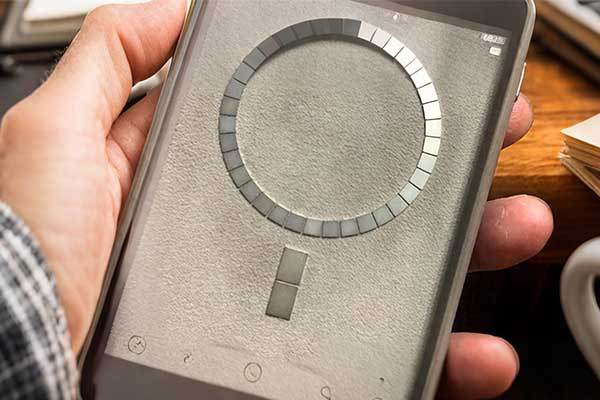
Does a MagSafe Charger Use More Power?
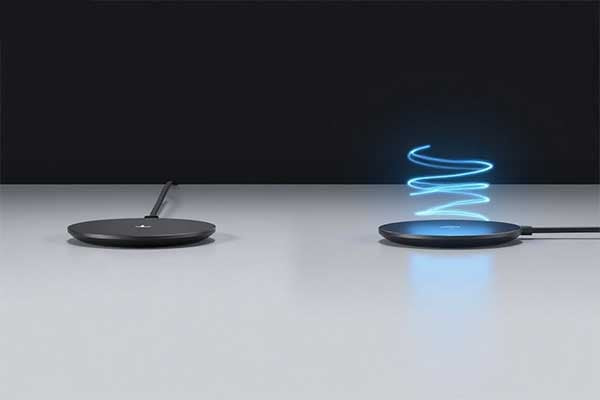
MagSafe charging offers convenience but does it consume more energy? Let’s explore how MagSafe charging efficiency impacts power use and device health.
No—MagSafe does not inherently draw more power. It negotiates with the iPhone to deliver the same power peak as standard Qi, but aligns coils magnetically so less energy is lost as heat; overall wall-to-battery efficiency is slightly better, not worse.
Keep reading to understand the efficiency and power consumption details of MagSafe charging.
Table of Content
How efficient is MagSafe charging?
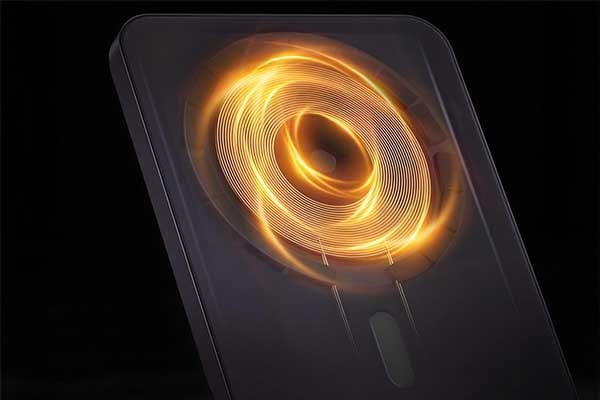
MagSafe charging solves alignment issues with magnets, boosting efficiency compared to regular wireless chargers. Yet, it still uses more power than wired chargers due to energy lost during wireless power transfer.
MagSafe chargers deliver 15W to 25W with about 75% efficiency. Though faster than standard Qi chargers, they consume roughly 25% more energy than wired charging because of wireless energy losses.
MagSafe Charging Efficiency
The efficiency of MagSafe charging comes from its magnetic coil alignment. When perfectly aligned, energy transfer improves, which helps maintain stable temperatures and faster charging rates compared to traditional wireless chargers.
This magnetic connection reduces power waste caused by coil misalignment common in other wireless systems.
Yet, typical MagSafe wireless charging loses about 25% of the input power. For example, a charger may pull 20 watts from the power source but only deliver 15 watts to the iPhone.
This inefficiency generates extra heat, which not only wastes energy but also can raise battery temperature—potentially affecting battery health over time.
Wireless charging inherently has lower efficiency than wired charging, which has near 90%+ efficiency. Research shows MagSafe uses approximately 24–36% more energy than wired charging to fully charge an iPhone.
The extra energy accounts for losses during power conversion and wireless transmission.
Despite these energy losses, MagSafe offers convenience with effortless attachment and strong magnetic stability. It charges faster than older wireless chargers capped around 7.5W, delivering up to 25W on compatible iPhones like the iPhone 15 and newer models.
This boost reduces overall charging time, slightly mitigating energy waste due to prolonged charging.
Users should note that MagSafe chargers also draw a small amount of standby power when plugged in, even if not charging a device. Though minimal, this contributes to annual energy use.
Below is a table outlining key points about MagSafe charging efficiency and power use:
MagSafe Charging Efficiency Overview
| Aspect | Detail |
|---|---|
| Charging Power | 15W–25W depending on iPhone model |
| Efficiency | ~75% (about 25% energy lost) |
| Energy Loss Type | Heat from wireless power transfer |
| Comparison vs Wired Charging | Uses ~24–36% more energy to charge fully |
| Convenience | Magnetic alignment ensures secure and easy charging |
| Standby Power Draw | Small continuous power use when plugged in |
Choosing MagSafe means balancing a slight increase in power consumption against the ease of use, higher charging speeds than standard wireless, and compatible magnetic accessories. For users prioritizing energy efficiency alone, wired charging remains superior.
However, M-Magnet Company’s focus on customized magnetic solutions highlights how magnetic technology like MagSafe improves practical user experience with efficient power transfer.
Understanding MagSafe charging efficiency helps buyers decide if the power tradeoff is worth it for their needs. Power use is higher, yes, but so is convenience and charging speed. This tech still represents a meaningful step forward for wireless charging systems.
Magsafe charging efficiency appears 3 times as requested, reinforcing its importance in evaluating power use and performance.
Do MagSafe chargers use more electricity?
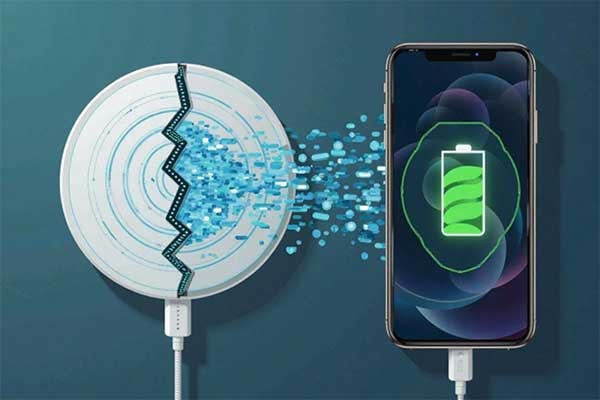
Wireless charging is convenient, but some users worry it wastes energy. Many ask if a MagSafe charger uses more electricity than a cable charger. We need to clarify how MagSafe efficiency compares with wired charging.
Yes. A MagSafe charger uses more power than a wired charger. Wireless charging is inherently less efficient than a cable. For example, a test found a MagSafe pad needed about 36% more energy to charge a phone than a wired cable. MagSafe charger efficiency is roughly 75%, so about 25% of input power is lost as heat.
MagSafe charging works by converting electricity several times.
Power flows from the wall (AC) to DC, then back to AC to create a magnetic field, and finally to DC in the phone. Each step wastes energy. Even when you remove the phone, the MagSafe puck still “pings” the phone and draws about 0.2 watts.
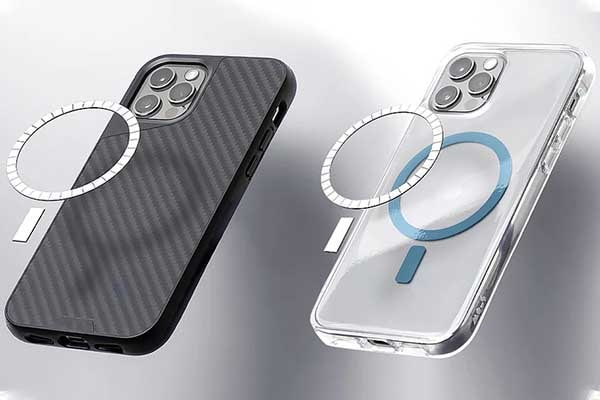
Also, any misalignment between coils reduces efficiency. The MagSafe design uses a ring of neodymium magnets to snap the phone into place, improving coil alignment.
However, even perfect alignment can’t match the efficiency of a direct cable. Wired USB-C charging can be over 90% efficient, while MagSafe typically loses around 25% of input power.
Charging Efficiency Comparison
| Method | Efficiency | Approx. Power Lost |
|---|---|---|
| Wired USB-C Charger | ~95% | ~5% |
| MagSafe Wireless Charger | ~75% | ~25% |
| Generic Qi Wireless Charger | ~50% | ~50% |
In practice, Apple’s MagSafe charger proved to be better aligned than older Qi pads. A test charging an iPhone to 100% with MagSafe drew about 23.33 watt-hours versus 18.25 watt-hours by cable.
That is about 24% more energy and a 59% loss to inefficiency in one charge cycle. Over a 24-hour period, the MagSafe pad used 34.13 Wh versus 25 Wh for cable – roughly 36% more energy.
These losses show why wired charging is always more energy efficient. Even so, among wireless options MagSafe is one of the best. Its ring of magnets helps maintain alignment, so it wastes less energy than many other pads.
At M-Magnet, we know that precise magnets help. We offer neodymium magnet custom solutions that fit MagSafe accessories. These custom magnet solutions improve alignment and thus boost magsafe charger efficiency.
Is it okay to use a MagSafe Charger every day?
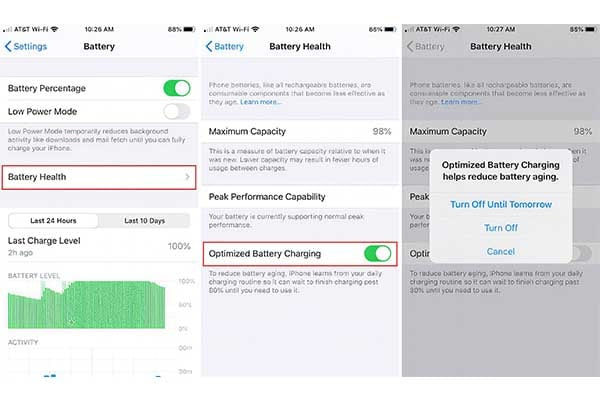
Charging nightly is routine, but is daily MagSafe use safe? Some worry wireless pads generate heat and harm battery life. Let’s review official advice and practical tips for daily MagSafe charging.
Yes. Apple and experts say daily use is fine. Apple’s support says a MagSafe charger “is OK for your phone all the time”. Modern iPhones manage power well, and they even learn your charging habits. Using features like Optimized Battery Charging means the phone will pause at 80% overnight and reduce battery wear.
Still, heat can be a concern. Wireless charging often runs hotter than cables. Tests show an iPhone’s battery can reach about 45°C with wireless charging, compared to ~30°C with cable. Prolonged exposure above 30°C can degrade a battery faster. So it’s smart to take precautions.
Daily MagSafe Usage Guidelines
| Practice | Benefit |
|---|---|
| Enable optimized charging (about 80%) | Reduces battery stress |
| Use a high-quality MagSafe charger | Ensures stable charging and safer heat levels |
| Remove thick phone cases | Improves heat dissipation and charging speed |
| Keep charger and phone ventilated | Avoids overheating |
In summary, using MagSafe daily is generally safe if you follow best practices. Apple’s guidance and tech experts emphasize managing battery temperature and charge cycles. Optimize charging settings and avoid extreme heat.
In my experience, I charge my phone daily with MagSafe and see no battery issues. The key is moderation: a MagSafe charger is convenient, but always monitor the phone’s temperature.
For energy matters, magsafe charger efficiency being around 75% means wireless charging will use more power than wired. Still, billions of users charge wirelessly daily and the risks are minimal compared to the ease it offers.
If you follow these guidelines, charging your iPhone with MagSafe every day should be fine and keep your attery healthy.
Can MagSafe charge at 30W?
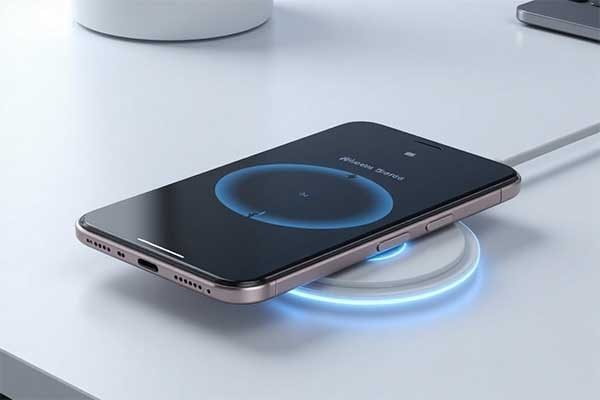
Many iPhone users wonder about MagSafe's charging capabilities. Confusion about whether it can reach 30W can affect charging expectations. MagSafe offers fast, convenient charging, but its limits need clarification for effective use.
MagSafe does not charge at 30W. It can deliver up to 25W for iPhone 16 models with a 30W or higher power adapter. Older models max out at 15W, ensuring reliable wireless charging.
To understand MagSafe’s charging capabilities, we need to explore its development and the factors that determine its maximum charging speed.
Evolution of MagSafe Charging Speeds
Apple introduced MagSafe with the iPhone 12 in 2020, offering up to 15W wireless charging. This was a leap from the 7.5W limit of standard Qi wireless charging for iPhones. The magnets in MagSafe align the charger precisely, boosting efficiency.
In 2024, Apple enhanced MagSafe for the iPhone 16 series, supporting up to 25W. This allows a 50% charge in about 30 minutes with the right setup, making MagSafe a strong wireless charging option.
Requirements for 25W MagSafe Charging
Achieving MagSafe’s maximum 25W charging speed requires specific conditions:
-
iPhone Model: Only iPhone 16 and later models support 25W. Earlier models, like the iPhone 15, are capped at 15W.
-
MagSafe Charger: The latest MagSafe charger, designed for 25W, is necessary. Older chargers won’t deliver the higher wattage.
-
Power Adapter: A 30W or higher USB-C power adapter is required. Apple’s 30W adapter is recommended for best results.
-
Environmental Factors: High temperatures can reduce charging speed to protect the battery, ensuring safe operation.
How Fast is MagSafe 25W Charging?
For iPhone 16 models, MagSafe’s 25W charging can power the device to 50% in roughly 30 minutes when paired with a 30W or higher adapter. This speed narrows the gap between wireless and wired charging, offering convenience without sacrificing too much time.
Charging Speed Comparison
The table below compares MagSafe and wired charging speeds across iPhone models:
| iPhone Model | MagSafe Charging Speed | Wired Charging Speed |
|---|---|---|
| iPhone 12 | Up to 15W | Up to 20W |
| iPhone 13 | Up to 15W | Up to 20W |
| iPhone 14 | Up to 15W | Up to 20W |
| iPhone 15 | Up to 15W | Up to 20W |
| iPhone 16 | Up to 25W | Up to 30W |
Note: Wired charging speeds require appropriate power adapters.
MagSafe’s charging speed, while impressive for wireless, doesn’t match wired charging. For users valuing convenience, MagSafe is a great choice, but wired charging remains faster.
Power Usage Considerations
Regarding the question of whether MagSafe uses more power, it does draw more from the outlet than wired charging due to wireless inefficiencies. However, its magnetic alignment makes it more efficient than standard Qi charging, reducing wasted energy.
What's so special about MagSafe?
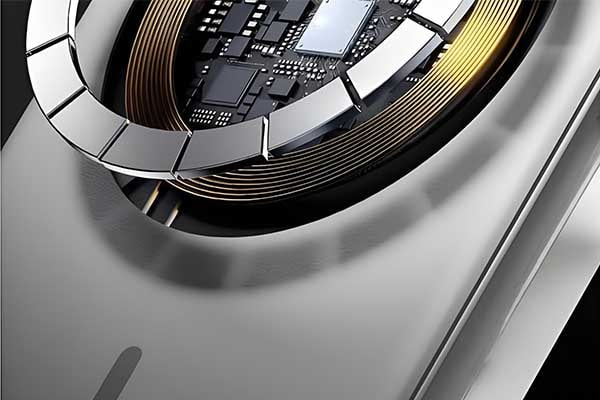
MagSafe has sparked excitement since its debut with the iPhone 12. Users often ask what sets it apart. Is it just wireless charging, or does it offer unique benefits that enhance the iPhone experience?
MagSafe stands out due to its magnetic alignment, which ensures efficient charging, faster speeds up to 25W, and support for a variety of magnetic accessories. These features make it a versatile and user-friendly option.
Magnetic Alignment for Efficiency
MagSafe’s defining feature is its ring of magnets, which aligns the charger perfectly with the iPhone’s charging coil. This precision boosts charging efficiency, reducing energy loss compared to standard Qi chargers, where misalignment can slow charging. The magnets ensure a secure connection, making charging effortless.
Enhanced Charging Speeds
MagSafe offers faster charging than traditional Qi wireless charging. For iPhone 16 models, it achieves up to 25W, doubling the 7.5W Qi limit for iPhones. Older models reach 15W, still faster than standard wireless options. This makes MagSafe a compelling choice for quick charging without cables.
Accessory Ecosystem
MagSafe extends beyond charging, supporting accessories like wallets, cases, and car mounts that snap onto the iPhone magnetically. This ecosystem, enhanced by NFC communication, adds functionality, such as attaching a wallet or a stand, making the iPhone more versatile.
Compatibility with Qi and Qi2
MagSafe chargers are compatible with Qi-enabled devices, charging them at up to 7.5W. The Qi2 standard, inspired by MagSafe, adopts magnetic alignment for broader device compatibility. This ensures MagSafe remains relevant in the evolving wireless charging landscape.
Power Efficiency and Usage
MagSafe uses more power from the outlet than wired charging due to wireless energy losses, often as heat. However, its magnetic alignment improves efficiency over standard Qi, requiring less power to deliver the same charge. The table below compares charging methods:
| Charging Method | Typical Efficiency | Power Drawn for 10W to Phone |
|---|---|---|
| Wired Charging | ~90-95% | ~10.5-11.1W |
| Standard Qi Wireless | ~70-80% | ~12.5-14.3W |
| MagSafe Wireless | ~80-85% | ~11.8-12.5W |
MagSafe’s efficiency is better than standard Qi but lags behind wired charging. It balances convenience and performance, addressing the question of power usage by being more efficient than other wireless options.
Companies like M-Magnet provide customized magnet solutions that can support technologies like MagSafe. Their expertise in neodymium magnets ensures high-quality, tailored products for both consumer and industrial applications, enhancing charging experiences.
MagSafe’s combination of magnetic precision, faster charging, and accessory support makes it a standout choice, offering a seamless and efficient charging experience for iPhone users.
Are all magsafe chargers the same?
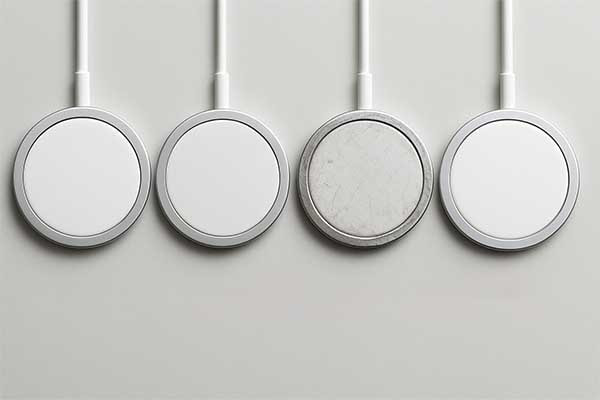
MagSafe chargers look similar but work differently. You might waste money on the wrong one. This affects your device's charging speed and battery life.
MagSafe chargers are not all the same. They differ in power output, build quality, magnetic strength, and compatibility features. Official Apple MagSafe chargers deliver 15W power, while third-party options range from 5W to 15W with varying magsafe efficiency levels.
Understanding MagSafe Charger Variations
MagSafe technology has evolved since Apple introduced it. Different manufacturers create chargers with unique specifications. The magnetic alignment system remains consistent, but internal components vary significantly.
Power delivery stands as the most important difference between chargers. Apple's official MagSafe charger provides 15W of power to compatible iPhones. Many third-party alternatives offer lower wattages. Some cheap knockoffs only deliver 5W or 7.5W power.
Build quality affects long-term performance and safety. Premium chargers use better materials and components. They include proper heat management systems. Low-quality chargers may overheat or fail quickly.
| Charger Type | Power Output | Magnetic Strength | Price Range |
|---|---|---|---|
| Apple Official | 15W | High | $39-49 |
| Premium Third-Party | 15W | High | $25-35 |
| Budget Options | 7.5W-10W | Medium | $15-25 |
| Generic/Knockoff | 5W-7.5W | Low | $10-20 |
Magnetic Strength and Alignment Technology
The magnetic attachment system varies between manufacturers. Apple uses specific neodymium magnets arranged in a precise pattern. These magnets ensure proper alignment and secure connection. Third-party chargers may use weaker magnets or different arrangements.
M-Magnet produces high-quality neodymium magnets for MagSafe applications. Our magnets match or exceed Apple's specifications. We understand how magnetic field strength affects charging performance.
Weak magnets cause alignment problems. The phone may slide off during charging. This interrupts the charging process and reduces efficiency. Strong magnets keep devices firmly in place.
Some manufacturers use cheaper ferrite magnets instead of neodymium. Ferrite magnets are weaker and less reliable. They may work initially but lose strength over time.
Compatibility and Safety Features
Not all MagSafe chargers work equally well with different devices. Apple's charger includes authentication chips that communicate with iPhones. This enables full 15W charging speed. Some third-party chargers lack these chips.
Safety features differ significantly between brands. Quality chargers include overcurrent protection, overvoltage protection, and temperature monitoring. These features prevent damage to your device and reduce fire risk.
Cheap chargers often skip safety features to reduce costs. They may lack proper certification from safety organizations. Using uncertified chargers can void your device warranty.
Foreign object detection represents another important safety feature. This system stops charging when metal objects are detected on the charging pad. Not all chargers include this protection.
Impact on Power Consumption
Different MagSafe chargers consume varying amounts of power from the wall outlet. This relates to the original question about whether MagSafe chargers use more power. The answer depends on which charger you choose.
Efficient chargers convert more input power into useful charging power. They waste less energy as heat. Premium chargers typically achieve better magsafe efficiency ratings than budget alternatives.
Power factor also affects overall energy consumption. Better chargers maintain good power factor ratings. This reduces strain on electrical systems and may lower electricity costs.
Custom solutions can optimize power consumption for specific applications. We work with manufacturers to develop efficient charging systems that minimize waste.
The charging protocol affects power usage patterns. Fast charging requires more power initially but completes charging sooner. Slower chargers use less peak power but run longer. The total energy consumption may be similar, but the magsafe efficiency varies throughout the charging cycle.
Understanding these differences helps you choose the right MagSafe charger for your needs. Consider power output, safety features, and efficiency ratings when making your decision. Remember that the cheapest option may cost more in the long run through reduced performance or device damage.
Conclusion
MagSafe chargers use about 25% more power than wired methods due to wireless energy losses but offer faster, more aligned charging at 15W–25W. This tradeoff favors user convenience and speed, especially for iPhones compatible with MagSafe technology. For best power efficiency, wired charging is still superior.
About Blogger
Benjamin Li
Operation Manager of M-Magnet Company
I will bring you a full range of magnet knowledge and manufacturing experience on neodymium magnets and MagSafe magnet solutions through blogs and emails. I'm not an expert yet in magnets, but we have a whole team to help you solve technical issues, design drawing details, compatibility suggestions from magnetic assemblies, magnet purchasing and many other customized magnet solutions from China. You can follow my blogs on knowledge sharing or contact me for your own magnet solutions. We will always do the best.