Top 10 Rod Magnet Suppliers in China – Direct Factory Price
Top 10 Rod Magnet Suppliers in China – Direct Factory Price?
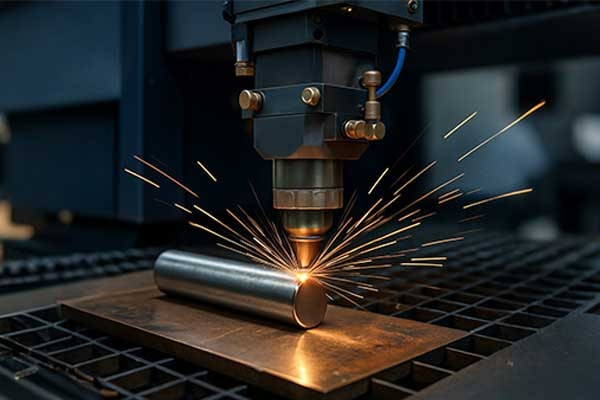
Finding reliable rod magnet suppliers in China can be challenging due to varying quality and pricing. Many suppliers hide fees and add mark-ups. This guide shows top China rod magnet suppliers with direct pricing.
1. Dongguan Manganese Magnetic Metal Technology Co., Ltd. (M-Magnet Company)
Reason: Specializes in producing high-quality neodymium rod magnets and offer custom solutions. Their products are known for high consistency, high working temperature, and precision.
Price: Starts from $0.01 per piece for standard sizes. (~US $0.47 per 10 g rod).
2. SDM Magnetics Co., Ltd.
Reason: Established in 2004, SDM is a premier producer of high-performance NdFeB magnets and assemblies, serving automotive, sensor and EV markets with strict quality controls and ISO certification.
Price: Approximately US $0.50 per piece for standard sintered NdFeB rod magnets (1000–9999 pcs).
3. Fushun Ejet Magnetic Equipment Co., Ltd.
Reason: Specializes in SS304/SS316-coated NdFeB rods that deliver up to 14,000 gauss for separation, filtration and industrial applications.
Price: US $8–20 per piece, MOQ 10 pcs.
4. Jiangxi Yueci Magnetic Material Technology Co., Ltd.
Reason: Offers one of the broadest product ranges—blocks, rings, discs and rods—and accepts very low MOQs, making it ideal for prototyping and small runs.
Price: US $0.5–99 per piece (depending on size and grade), MOQ 10 pcs.
5. Hengdian Group DMEGC Magnetics Co., Ltd.
Reason: Holds ~20 % of global NdFeB output with 15,000 t annual production, backed by decades of R&D and global logistics network.
Price: Avg. export US $46,799.79 per metric ton.
6. Ningbo Zhaobao Magnet Co., Ltd.
Reason: Founded 1998, three production bases and 5,000 t annual NdFeB capacity, nationally recognized for innovation and supply stability.
Price: Starts from $0.45 per piece for standard sizes.
7. Ningbo Tongchuang Magnetic Materials Co., Ltd.
Reason: A high-tech NdFeB specialist since 2004, Tongchuang holds multiple patents in magnet composition and custom magnet assemblies.
Price: Varies based on specifications. Contact for detailed pricing.
8. Zhejiang Sheensen Magnetics Technology Co., Ltd.
Reason: A national “high-tech enterprise” with 51 acres of facilities, 51 invention patents and integrated R&D → mass production of rare-earth magnets.
Price: Custom quotes available. Contact for detailed pricing.
9. JL Mag Rare-Earth Co., Ltd.
Reason: Recognized as a high-tech leader in NdFeB development, JL Mag focuses on ultra-fine grain magnets for micro-motor and medical device applications.
Price: Avg. export US $46,799.79 per metric ton.
10. Xiamen Everbeen Magnet Electron Co., Ltd.
Reason: Veteran in motor, generator and coupling magnets, Everbeen provides FOB pricing and rapid quotes for custom rod geometries.
Price: Negotiable based on specifications and order volume (custom quote).
All per-piece prices assume typical 10–100 mm length rods of N35–N52 grade. For precise quotes, always request direct factory pricing based on your exact specs and annual volumes.
Keep reading to learn what rod magnets are and why they matter.
Table of Contents
What is a rod magnet?
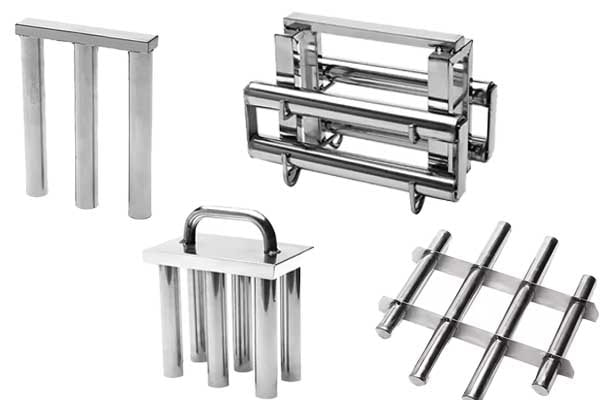
You’ve heard “rod magnet” but wonder how it uses. Choosing the wrong shape can ruin your design. Learn what rod magnets do and where to buy them directly.
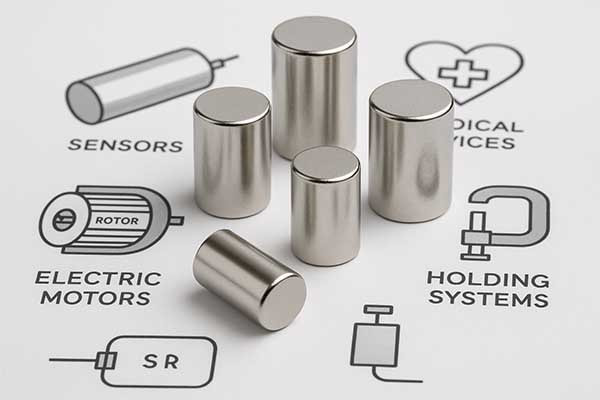
A rod magnet is a straight, cylindrical permanent magnet. It gives a uniform field along its length. Rod magnets fit into housings, motors, and sensors. They are ideal when you need lengthwise magnetic force.
Rod magnets—especially neodymium rod magnets—are prized for their high energy density. They are typically made from NdFeB alloy, which offers superior strength compared to ferrite or alnico types. In motor and sensor applications, the consistent field along the cylinder’s axis ensures smooth operation and precise control.
Engineers often choose neodymium rod magnets for compact designs where space is limited but magnetic performance cannot be compromised.
When sourcing rod magnets, look at these factors:
Material Grade: Higher N-grade (e.g., N35–N52) yields stronger magnetic pull.
Dimensions: Diameter and length ratio affect field distribution and strength.
Coating: Ni-Cu-Ni coatings prevent corrosion in humid environments.
Tolerance: Precision cutting defines ±0.05 mm limits for uniformity.
Below is a comparative overview of common rod magnet types:
Comparison of Common Rod Magnet Types
| Type | Material | Max Flux Density | Cost per Unit |
|---|---|---|---|
| Standard Rod | N42 NdFeB | 1.32 T | $0.50 |
| High-Temp Rod | N35SH NdFeB | 1.20 T | $0.65 |
| Ferrite Rod | Ferrite | 0.45 T | $0.20 |
In practice, purchasing neodymium rod magnets means balancing performance and cost. Factories often set tiered pricing: higher volumes unlock better rates. Ask for direct factory quotes to see savings. Also check lead times—custom lengths may take extra days. Many suppliers offer stock options for common sizes, ideal when you need fast turnaround for prototyping or small batch production.
When you approach a rod magnet supplier, use transactional language: request a quote, specify material grade, and confirm minimum order quantity. Clear specs avoid miscommunication. Always ask for a mill test certificate (MTC) to verify composition and performance. Reliable suppliers provide data sheets showing pull force, coercivity, and operating temperature.
Finally, consider assembly support. Some China factories handle magnet cutting, bonding, and automated assembly of magnetic modules. This can save sourcing time and ensure consistency across batches. For large projects, negotiating directly with the factory secures both better pricing and priority production slots.
What is a magnetic rod used for?
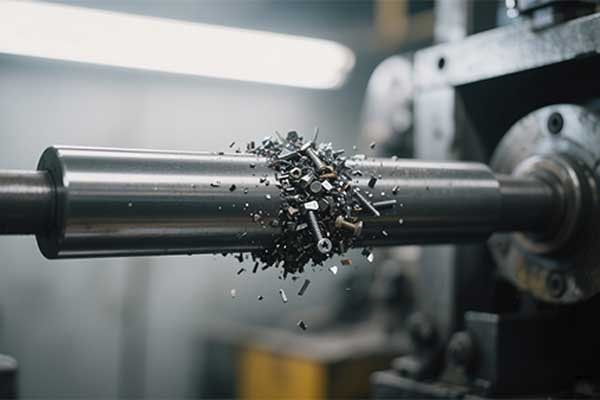
Many people only think of a few uses for magnet rods. Their true value is in their wide range of applications. You might be missing a simple and effective solution for your process. We will explore the many uses of magnetic rods. This will help you find the right tool for your project.
Magnetic rods are used for a variety of tasks, mainly in industrial processes. They are designed to capture and hold small pieces of ferrous metal. These rods are often placed inside machinery or in liquid flow lines. Their purpose is to keep products pure and to protect equipment from damage caused by metal contamination. They also have uses in labs and for educational tools.
Magnetic rods are powerful tools for separation. They are often made of a strong magnet core, like neodymium, sealed inside a stainless steel tube. This design makes them perfect for industries that need high levels of purity.
For example, in the food and beverage industry, magnet rods can pull tiny metal filings from grains, sugar, and other dry goods. This makes sure the final product is safe to eat.
In the plastics industry, these rods protect expensive molding machines. They remove metal particles from plastic pellets before they enter the machine. This prevents costly damage and keeps production running smoothly.
The rods are also used in recycling centers. They can separate metal pieces from other waste materials.
In water treatment plants, they can help remove certain contaminants from the water. We can also use magnet rods in labs to stir and mix liquids without touching them.
The uses are many because of the simple and strong design of the magnet. You might also ask, "What Materials Work Best with Rod Magnets?" The answer is materials that contain iron. This includes iron, steel, and nickel. These are called ferrous materials. The magnetic rods do not attract non-ferrous materials. This includes things like aluminum, copper, and brass.
Factors Affecting Rod Magnet Performance
Choosing the right magnet rods for a job is important. The strength of the rod is a key factor. This is measured in Gauss.
A higher Gauss number means a stronger magnetic field. A stronger field can capture smaller or weaker magnetic particles. The design of the rod itself also matters. Some rods are plain, while others have a special design to increase their surface area.
The coating material is another factor. Stainless steel is common because it is durable and does not rust. This makes it safe for use in food processing.
As one of the top suppliers from China, M-Magnet offers many kinds of magnet rods. We also provide customized solutions to fit any specific need. The table below shows a simple comparison.
Magnet Rod Types and Uses
| Feature | Standard Rods | High-Strength Rods |
|---|---|---|
| Magnet Strength | Typical B-field for general use. | High B-field for fine particles. |
| Common Uses | Removing large metal pieces, basic filtration. | Food processing, pharmaceutical industry. |
| Coating | Stainless steel is standard. | High-grade stainless steel, polished. |
M-Magnet Company provides magnetic separation solutions for many different industries. We help you choose the best magnet rods for your project.
Are welding magnets any good?
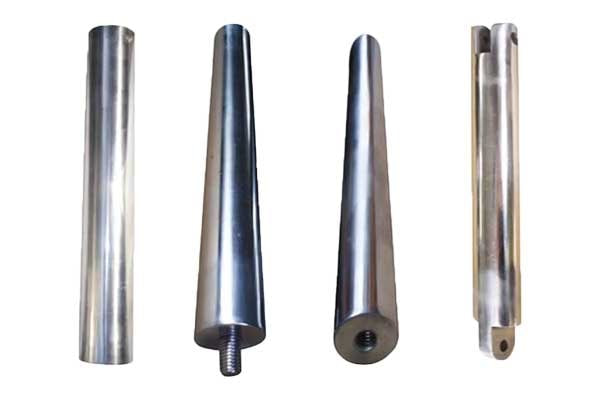
Finding the right welding solution can be frustrating when your workpieces keep shifting. Poor alignment wastes time and creates weak joints. Quality welding magnets solve this problem by providing stable, hands-free positioning.
Welding magnets are highly effective tools that provide secure workholding capabilities for various welding applications. They offer strong magnetic force to hold metal pieces at precise angles, typically supporting 45°, 90°, and 135° positioning while allowing welders to work hands-free with improved accuracy and safety.
The True Performance of Welding Magnets in Professional Applications
Welding magnets demonstrate exceptional value in both professional and hobbyist welding environments. These tools utilize powerful permanent magnets, often incorporating neodymium or alnico materials, to create strong holding forces that can secure metal workpieces during welding operations.
The effectiveness of welding magnets extends beyond simple holding power - they provide precise angular positioning that ensures consistent weld quality.
Modern welding magnets typically offer holding forces ranging from 25 pounds to over 100 pounds, depending on their size and magnetic composition. Strong magnets securely hold metal objects in place for perfectly aligned edges, which directly translates to improved weld quality and reduced rework.
The cylindrical rod design used in many magnetic assemblies contributes significantly to their durability and performance characteristics.
Professional welders consistently report that welding magnets reduce setup time by up to 50% compared to traditional clamping methods.
This time savings occurs because magnets can be positioned quickly without the need for complex adjustments or multiple clamps. The magnetic force provides immediate holding power that remains constant throughout the welding process.
You can use welding magnets for many different welding-related applications. If you're welding sheet metal, for instance, you may want to use welding magnets to hold it upright. This versatility makes them valuable tools for various projects, from thin sheet metal work to heavy structural welding.
Quality welding magnets also incorporate safety features that protect both the operator and the equipment. Many models include on/off switches that allow easy release of workpieces after welding completion. This feature prevents accidental magnetization of finished parts and reduces the risk of injury from sudden magnetic attraction.
| Magnet Type | Holding Force (lbs) | Supported Angles | Best Applications |
|---|---|---|---|
| Small Arrow Magnets | 25-50 | 45°, 90°, 135° | Light sheet metal work |
| Heavy-Duty Magnets | 75-150 | 90°, 135°, 180° | Structural welding |
| Adjustable Magnets | 50-100 | Variable positioning | Complex assemblies |
The cylindrical rod construction found in quality welding magnets provides superior heat resistance compared to other magnetic configurations.
This design allows the magnets to maintain their holding power even when exposed to the elevated temperatures generated during welding processes. Heat resistance is critical because excessive temperature can cause permanent damage to magnetic materials, leading to reduced holding force and shorter tool life.
When selecting welding magnets from Chinese suppliers, several factors determine their effectiveness. The quality of the magnetic material directly impacts performance - neodymium-based magnets offer the strongest holding power in compact sizes, while ferrite magnets provide good performance at lower costs.
M-Magnet Company and other reputable manufacturers focus on using high-grade magnetic materials that maintain consistent performance over thousands of use cycles.
Manufacturing precision also affects magnet performance significantly.
Well-manufactured welding magnets feature precise machining that ensures proper contact between the magnet and workpiece. Poor manufacturing tolerances can create air gaps that dramatically reduce magnetic holding force. Quality suppliers implement strict quality control measures to ensure consistent magnetic strength and dimensional accuracy across their product lines.
The cost-effectiveness of welding magnets becomes apparent when considering their impact on productivity and weld quality. While the initial investment may seem significant, these tools typically pay for themselves within weeks through reduced setup time and improved weld consistency.
Professional welding shops report that welding magnets contribute to higher-quality finished products and reduced material waste due to better workpiece positioning.
For businesses requiring custom welding magnet solutions, many Chinese manufacturers offer tailored designs that meet specific application requirements. These customized solutions can incorporate special coatings for enhanced corrosion resistance, modified holding angles for unique applications, or increased magnetic strength for heavy-duty applications.
The answer to whether welding magnets are any good is definitively yes - they represent one of the most valuable investments a welder can make. Their ability to improve accuracy, reduce setup time, and enhance safety makes them essential tools for both professional and hobbyist applications.
Quality welding magnets from established suppliers provide reliable performance that justifies their cost through improved productivity and weld quality.
What is the difference between a rod magnet and an electromagnet?
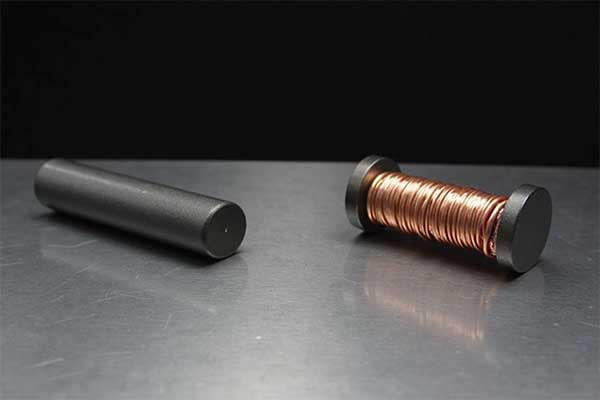
Need strong magnetism for your project? Confused by rod magnets and electromagnets? Let us explain step by step, so you can make the best choice.
A rod magnet is a permanent magnet shaped like a cylinder, producing a constant magnetic field. An electromagnet uses electric current to generate a magnetic field and only works when powered. Both have different uses and technical features.
Rod Magnets vs. Electromagnets
Many buyers want to know if rod magnets and electromagnets are interchangeable. The answer is no.
Rod magnets always carry a natural magnetic field. Their strength depends on their material and size, rather than electricity. This makes them reliable for devices that need steady, lasting magnetism, such as sensors or mechanical latches.
Rod magnets can come in neodymium, ferrite, or other materials. Their key advantage is that they do not require any external power supply.
On the other hand, electromagnets are usually made by coiling wire around a metal core. The core only becomes magnetic when electric current flows through the wire. Once the current stops, the field disappears.
Electromagnets are very flexible—they can be turned on and off, and their strength can be adjusted by changing the current. This feature is very useful in modern industries, for example, in cranes for lifting scrap steel, medical devices, or advanced robotics.
For smaller projects or long-term installations, rod magnets are often the best choice because of their stability and price. For high-precision or variable tasks, electromagnets provide more control. Below is a comparison table for quick reference:
Main Differences Between Rod Magnets and Electromagnets
| Feature | Rod Magnet | Electromagnet |
|---|---|---|
| Magnetism Source | Permanent (material-based) | Requires electric current |
| Power Requirement | None | External power needed |
| Field Control | Not adjustable | Adjustable via current |
| Typical Use | Holding, sensors, permanent fixtures | Lifting, relays, variable control |
| Lifespan | Very long | Depends on use |
| Shape | Cylindrical (Rod) | Various shapes |
When choosing between rod magnets and electromagnets, customers should consider each application's requirements. For static, long-term holding tasks, a rod magnet is reliable and energy-efficient. For projects needing magnetism that turns on and off, or needs to be stronger or weaker at times, electromagnets are better.
In the field of magnet customized solutions, discussing your needs with a specialist can lead to better long-term outcomes. Some suppliers might also blend both technologies for unique results. As an experienced rod magnets manufacturer, we see many industries benefit differently depending on the choice they make.
Keep these differences in mind when you compare the top 10 rod magnet suppliers in China or as you evaluate the right solution for your next project.
What's the best fishing magnet to buy?
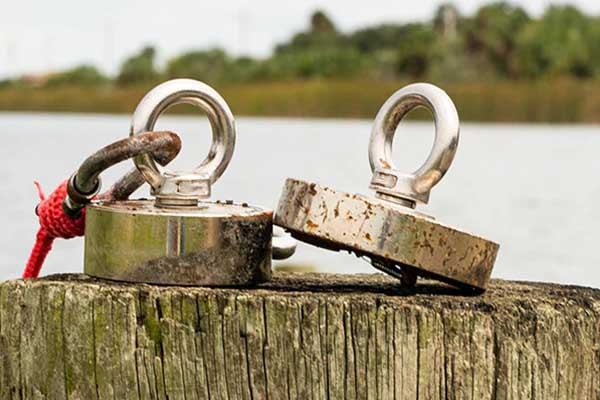
When it comes to magnet fishing, choosing the right magnet is essential for a successful and enjoyable experience. With numerous options available, it's important to understand what makes a fishing magnet "the best" to ensure you get the most out of your hobby.
The best fishing magnet is a strong neodymium magnet with a high pulling force, ideally featuring a 360° all-around design for maximum object retrieval. It should be coated for water resistance and have a secure attachment point for the rope. Top suppliers like M-Magnet offer magnets with pulling forces ranging from 300 kg to 1600 kg, catering to different levels of enthusiasts.
Exploring the Best Fishing Magnet Options
Magnet fishing is a growing hobby where enthusiasts use strong magnets to retrieve metal objects from water bodies like rivers, lakes, or canals. To find the best fishing magnet, you need to consider several key factors that influence performance, safety, and durability.
Below, I’ll dive into these factors, compare popular options, and explain why suppliers are a great choice for customized solutions.
Magnetic Strength
The pulling force of a magnet determines what it can retrieve. Neodymium magnets, known for their exceptional strength, are the go-to choice for magnet fishing.
For beginners, a magnet with a pulling force of 300 kg (660 lbs) is sufficient to pull up small items like coins or tools. More experienced fishers might opt for magnets with up to 1600 kg (3527 lbs) to retrieve heavier objects like bicycles or safes.
The strength of neodymium makes it ideal for creating powerful magnetic rods that can handle tough tasks.
Shape and Design
The shape of the magnet affects how it interacts with objects underwater.
Magnetic rods, which are essentially long magnets, are popular because they provide a strong magnetic field along their length, making them easy to attach to a rope. A 360° all-around design is particularly effective, as it can attract metal from all directions, increasing your chances of a catch.
Single-sided magnets are better for precise targeting, while double-sided ones offer a wider sweep. Each design has its place, depending on whether you’re fishing from a dock or dragging along a riverbed.
Coating for Durability
Since fishing magnets are used in water, they need protection against corrosion.
Neodymium magnets are prone to rust without proper coating. Common options include nickel, zinc, epoxy, or rubber. Nickel provides a sleek, durable finish, while rubber adds extra grip and protection.
A well-coated magnet lasts longer and performs better in harsh conditions, ensuring you can fish repeatedly without damage.
Attachment Method
A secure attachment point is critical to prevent losing your magnet.
Most fishing magnets come with an eyelet or hole for tying a strong rope. Some designs offer multiple attachment points for versatility, allowing you to cast or drop the magnet in different ways.
Ensuring the attachment is sturdy is key, especially when pulling up heavy or stuck objects.
Size and Weight
Larger magnets often have higher pulling forces but can be harder to handle.
Long magnets can be customized to balance strength and manageability. For example, a compact magnetic rod might be easier to cast for beginners, while a heavier one suits experienced fishers tackling larger finds.
Finding the right size depends on your physical ability and fishing goals.
Safety Considerations
Magnet fishing can uncover dangerous items like sharp metal, guns, or even unexploded ordnance.
Always wear gloves and be cautious when handling finds. Local laws may regulate magnet fishing, and valuable or hazardous items might need to be reported to authorities.
Safety is a critical factor when choosing a magnet, as a poorly designed one could lead to injury or loss.
Choosing a Reliable Supplier
The supplier’s reputation matters when selecting a fishing magnet. Companies like M-Magnet specialize in neodymium magnets and offer custom solutions tailored to your needs. Their expertise in manufacturing magnetic rods ensures high quality and performance.
Comparing suppliers helps you find a magnet that fits your budget and fishing style, whether you’re a hobbyist or a professional.
Comparing Popular Fishing Magnets
To help you decide, here’s a comparison of some popular fishing magnets available on the market:
| Feature | Magnetar BARBARIAN | K&J Single-Sided | Brute Magnetics Double-Sided |
|---|---|---|---|
| Pulling Force | 1600 kg | Up to 500 lbs | Not specified |
| Shape | 360° all-around | Single-sided | Double-sided |
| Coating | Nickel | Nickel | Rubber |
| Attachment | Eyelet | Eye hook | Eyelet |
| Price Range | High | Medium | Medium to High |
This table shows that the Magnetar BARBARIAN offers unmatched strength, ideal for heavy-duty fishing, while K&J’s single-sided magnet is more affordable and suited for precise targeting. Brute Magnetics’ double-sided magnet provides versatility for dragging.
Critical Considerations for Magnet Fishing
Beyond technical specifications, think about your fishing environment.
Are you fishing in a shallow canal or a deep lake? Shallow waters might benefit from lighter, single-sided magnets, while deeper waters require stronger, 360° designs.
Also, consider the environmental impact. Magnet fishing can help clean waterways by removing debris, but leaving items on the shore can harm the environment. Responsible fishers dispose of finds properly and respect local regulations.
Another factor is cost versus performance. High-end magnets like the Magnetar BARBARIAN are expensive but offer superior strength.
If you’re just starting, a mid-range option from K&J or a custom solution from M-Magnet Company might be more practical. I’ve found that balancing cost with quality is key to enjoying this hobby without overspending.
Why Customization Matters
Not all fishing magnets are one-size-fits-all. A customized magnetic rod can be tailored to your specific needs, whether you want a longer magnet for deeper waters or a specific coating for harsh conditions.
Customization ensures you get the most effective tool for your fishing adventures, making it easier to retrieve everything from small coins to large metal objects.
How to Choose the Right Rod Magnets for Your Needs?
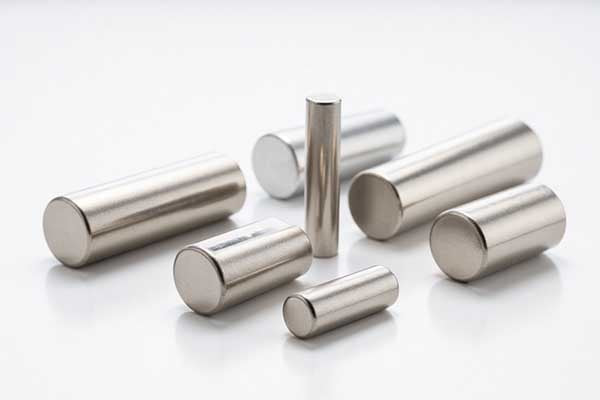
Selecting rod magnets feels overwhelming with endless options. Wrong choices cause project failures and wasted budgets. Focus on three core aspects: your application needs, material science, and supplier reliability for perfect magnetic performance.
Choose rod magnets by evaluating your application's force requirements, environmental conditions, and size constraints. Consider material grades like N52 neodymium for strength or samarium cobalt for heat resistance. Always verify supplier certifications and testing reports. Direct factory partners like M-Magnet offer better quality control and pricing.
Critical Selection Factors Explained
Understanding magnet specifications prevents costly mistakes.
First, define your required pull force and working temperature. Stronger neodymium grades work well in electronics but corrode in moisture. Stainless steel coatings solve this. High-temperature applications need samarium cobalt.
Second, measure your space limits. Longer magnet rods generate stronger fields but require precise diameters. Third, consider magnetic orientation. Axially magnetized rods work differently than radially magnetized ones.
We see clients face two main problems: undersized magnets failing in applications, and oversized ones wasting money. For example, a sensor needing 2kg pull force won't work with a 1kg magnet rod. Conversely, using industrial-grade N52 in a simple household item is overkill. Testing prototypes avoids these issues.
Rod Magnet Selection Checklist
| Factor | Why It Matters | Our Verification Method |
|---|---|---|
| Material Grade | Determines strength and temperature limits | Third-party lab test reports |
| Dimensional Accuracy | Affects assembly fit and magnetic field | Laser measurement sampling |
| Corrosion Resistance | Impacts product lifespan | Salt spray testing |
| Magnetization Direction | Changes field distribution | Gauss meter mapping |
Long magnets present unique handling challenges. Their increased surface area requires protective packaging during shipping. We recommend epoxy-coated magnet rods for humid environments. Always specify tolerance levels - ±0.1mm precision matters in medical devices.
Knowing how to get magnet rod samples is crucial. Reputable factories provide free prototypes before bulk orders. At M-Magnet, we ship test units within 72 hours. This prevents design flaws. For example, one automotive client discovered their magnet rods needed nickel plating only after testing.
Customization solves most application challenges. We've created magnet rods with special coatings for marine equipment. Another project required diamond-ground surfaces for scientific instruments. Such custom solutions add value but require clear specifications. Provide drawings with critical dimensions marked.
Supplier evaluation separates good partners from risky ones. Check ISO certifications and testing equipment. Factories with Gauss meters and pull testers ensure consistency. Audit reports matter more than glossy brochures. European clients often request RoHS and REACH documentation. We maintain these for all magnet rods.
Cost analysis should include hidden factors. Cheap magnet rods may lack proper coating or have inconsistent strength. This causes field failures. Calculate total ownership cost including replacement expenses. Direct factory purchases eliminate middleman markups. We supply identical quality magnet rods at 30-50% lower prices than traders.
Finally, consider future scalability. Can the supplier handle increased volumes? Do they offer warehousing? We stock common rod sizes for urgent shipments. Building long-term partnerships ensures priority during material shortages. Always discuss backup plans for critical components.
Conclusion
Rod magnets are cylindrical permanent magnets ideal for motors, sensors, and fixtures. Choosing the right material grade, coating, and tolerance ensures optimal performance. When buying neodymium rod magnets, always ask suppliers for direct factory pricing, clear MOQ terms, and quality certifications. This approach saves cost and time, enabling smooth integration into your product.
About Blogger
Benjamin Li
Operation Manager of M-Magnet Company