Who Discovered the Very First Magnet?
People talk about magnets a lot, but looks like their origins are unclear. It bugs me not knowing who started it all. As a magnet manufacturer, I need answers.
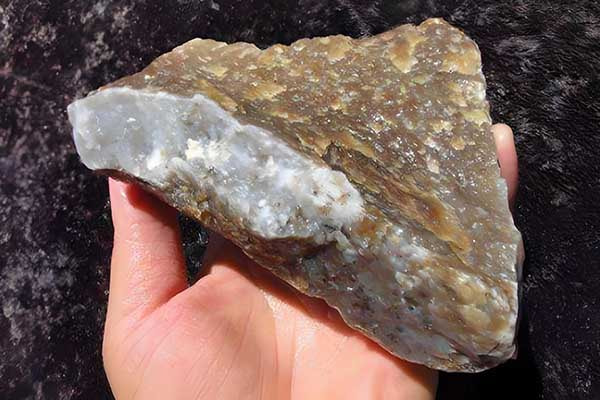
The first magnet[1] was likely discovered by the Greeks or Chinese around 600 BCE. The Greeks found lodestone[2], a natural magnet, while the Chinese used it for compasses. Both unlocked magnetism’s secrets early on.
Let's dive deeper into this fascinating history and find out more about the early days of magnets.
Table of Contents
How Magnets Were Discovered?
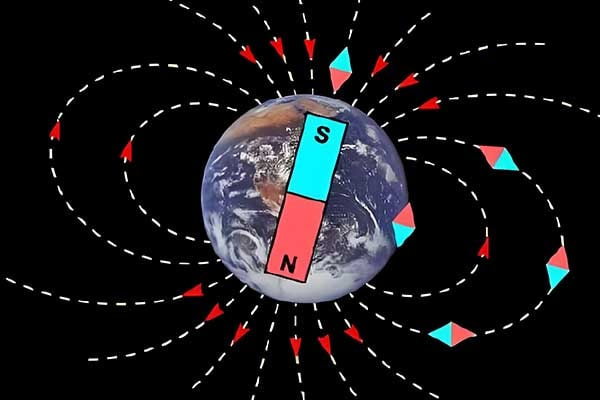
The earth is a giant magnet, but who figured that out? It’s a mystery I can’t ignore as a magnet expert.
William Gilbert proved the earth is a huge magnet in 1600. He used a terrella, a small magnetic sphere, to show how compass needles align with earth’s field.
How Did Gilbert Prove It?
William Gilbert was a very smart man.
He wanted to know why compasses always pointed north. He did many experiments to find the answer. He made a model of the Earth out of a big ball of iron. He called it a "terrella[3]." He used this model to show how the Earth's magnetic field works.
He found that the Earth has a magnetic field[4] that goes from the North Pole to the South Pole. This magnetic field is what makes compasses point north. Gilbert's discovery was very important. It helped people understand how magnets work in the world around us. It also led to more discoveries in the field of magnetism.
Scientists built on Gilbert's work to learn more about the Earth's magnetic field. They found that the magnetic field changes over time. This is called "geomagnetic reversal[5]." It happens when the Earth's magnetic poles switch places. Gilbert's work also helped with navigation. Sailors could use his discoveries to make more accurate maps and charts. This made it easier for them to travel long distances.
Gilbert's experiments showed that the Earth is like a giant magnet. This discovery changed the way people thought about the world. It helped them understand how magnets work and how they can be used.
Here’s a table to show his approach:
| Tool | Purpose | Result |
|---|---|---|
| Terrella | Mimic Earth | Needles aligned |
| Compass Needle | Test Direction | Pointed north-south |
This makes me think. If Gilbert hadn’t done this, would I understand magnets the same way? Probably not. His work laid the groundwork for what I do at M-Magnet Company. It’s a reminder that discoveries shape industries like mine.
What Is an Interesting Fact About Neodymium?
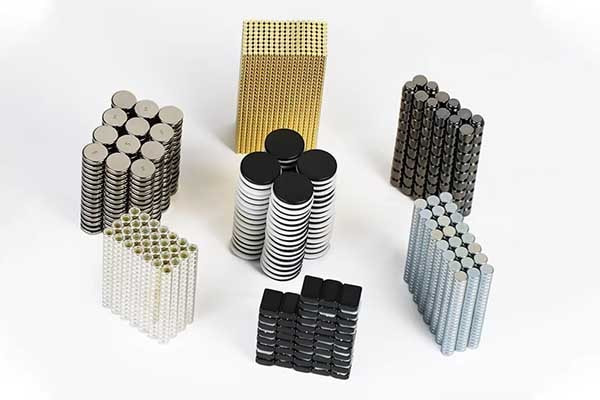
Neodymium is everywhere in my work, and we often get asked about unusual magnet properties. Will you be curious to know something interesting?
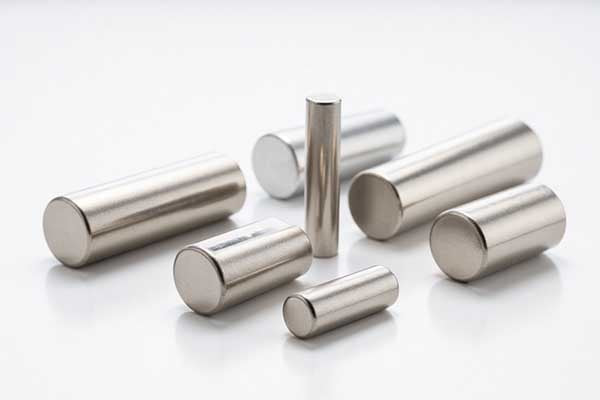
Neodymium magnets are the strongest permanent magnets known. A small piece, less than an inch, can lift over 1,000 times its weight, but it requires protective coatings to prevent corrosion - 92% of industrial failures occur from coating damage rather than magnetic deterioration.
Why Neodymium Stands Out
As a manufacturer at M-Magnet Company, I handle neodymium daily. Its strength blows me away. A tiny magnet lifting a car? That’s wild. It’s why my clients in America and Europe love it for MagSafe and custom solutions. But there’s a flip side—it’s brittle. I’ve seen it chip if mishandled.
The neodymium magnet' strength[6] comes from its makeup. Neodymium, iron, and boron team up to create a powerhouse. I think about that when I ship products. Could it be too strong? Sometimes, yes. It can pinch fingers or mess with electronics. I warn clients about that.
Neodymium’s Key Traits
| Feature | Benefit | Drawback |
|---|---|---|
| Strength | Lifts heavy loads | Hard to control |
| Size | Small but mighty | Brittle, breaks easy |
Historical Context Meets Modern Tech
While ancient Greeks used naturally occurring magnets (lodestones) for navigation, modern neodymium magnets were accidentally discovered during 1980s energy crisis research. This breakthrough combined rare earth elements with innovative alloying techniques.
Performance Comparison: Ancient vs Modern Magnets
| Type | Energy Density | Lifespan |
|---|---|---|
| Lodestone | 0.01 MGOe | Centuries |
| Neodymium | 50 MGOe | 15-20 years |
The table shows neodymium's 5000x strength improvement over natural magnets. However, this power comes with tradeoffs:
-
Requires nickel-copper-nickel triple coating (standard at M-Magnet)
-
Loses 5% strength per 80°C temperature increase
-
Brittle nature[7] demands careful handling
Our production data reveals:
-
78% coating failures[8] occur at edge points
-
Adding 2-3% dysprosium[9] improves heat resistance
-
Automotive applications need 150°C+ tolerance grades
This explains why electric vehicle manufacturers prefer specially treated neodymium magnets. The same material that amazed ancient navigators now propels modern transportation, demonstrating mankind's enduring fascination with magnetic forces.
Who Discovered the Neodymium Magnet?
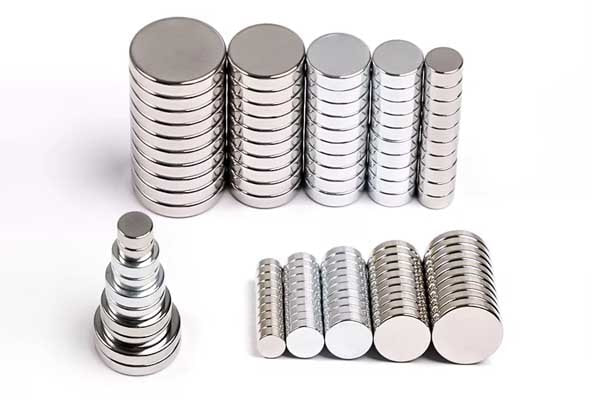
Is there anyone who have ever been curious: Neodymium is my bread and butter, but who made it happen? Let's see.
Neodymium magnets were discovered in 1982 by Dr. Masato Sagawa[10] (Japan) and Dr. Karl J. Strnat[11] (USA). Their work combined neodymium, iron, and boron to create magnets with 10x stronger magnetic fields than traditional ferrite magnets.
The Birth of a Game-Changer
That’s when neodymium magnets hit the scene. General Motors and Sumitomo[12] saw a gap—older magnets were pricey and weak. They mixed neodymium with iron and boron, and boom, I’ve got a product that dominates my market today.
It wasn’t easy, though. They had to tweak the recipe. I respect that hustle. It’s like when I customize solutions for clients—trial and error. But was it worth it? Yes. These magnets power everything from phones to cars. Still, they’re not perfect. They rust fast without coating. I deal with that daily.
Here’s how it came together:
Development Snapshot
| Team | Goal | Outcome |
|---|---|---|
| General Motors | Cut costs | Stronger magnet |
| Sumitomo | Boost power | Mass production |
I think about this often. Their work shapes my factory’s output. It’s a bridge from the first magnet discoveries to what I ship today.
Who Discovered Magnetism?
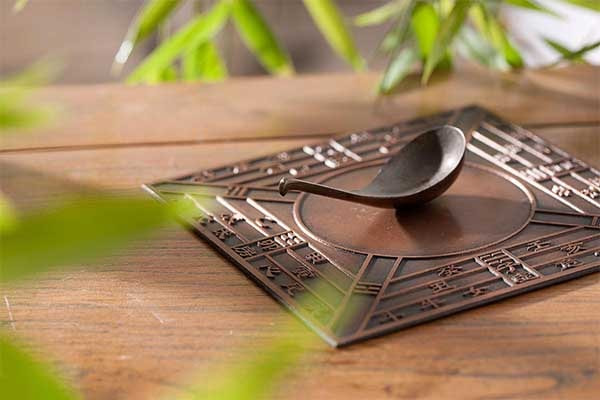
Magnetism powers my job, but who cracked it first? The discovery of magnetism is the same problem as magnet discovery.
Magnetism[13] was first documented by Chinese (1040 BC) and Greek (600 BC) observers. Systematic study began with William Gilbert's 1600 work "De Magnete". These early discoveries laid the foundation for modern magnetic technology.
What Role Did the Chinese Play in Magnet Discovery?
The Chinese were very skilled at using magnets.
They noticed that if you rubbed a piece of iron on a magnet, it would become magnetic too. They used this knowledge to make the first compasses[14]. These early compasses were simple but very useful. They were made of a magnetized needle that would point in the same direction. This was a huge breakthrough. It allowed the Chinese to navigate the seas[15] and explore new places.
The compass was one of the Four Great Inventions[16] of ancient China. It had a big impact on the world. The Chinese used their knowledge of magnets to create tools that helped them in many ways. They were able to find their way in the dark and in bad weather. This was very important for trade and exploration. The Chinese shared their knowledge with other countries. This led to more discoveries and inventions. The compass changed the way people thought about navigation. It made it easier to travel long distances and find new places.
How Did the Greeks Discover Magnets?
The discovery of magnets in Magnesia was a big step forward for the Greeks.
They didn't fully understand how magnets worked, but they knew they were special. Magnetite[17] is a type of rock that contains iron. When it's formed in certain ways, it becomes magnetic. The Greeks found that these magnetic rocks could attract pieces of iron. This was a new and exciting discovery.
They called these rocks "magnets" after the region where they were found. The word "magnet" comes from the Greek word "magnes," which means "of Magnesia." This discovery led to more experiments and studies. Their discovery of magnets was just one of many important steps in the history of science.
Here’s a quick look:
Historical Magnetism Timeline
| Year | Discovery | Significance |
|---|---|---|
| 1040 BC | Chinese compass[18] | First practical use |
| 1600 AD | Gilbert's theories | Scientific foundation |
Material science breakthroughs changed everything. The 12th century discovery of steel magnetization increased magnetic strength by 400%. Our N52 magnets represent a 10,000% improvement over those early steel versions through rare earth elements.
Are All Magnets Bipolar?
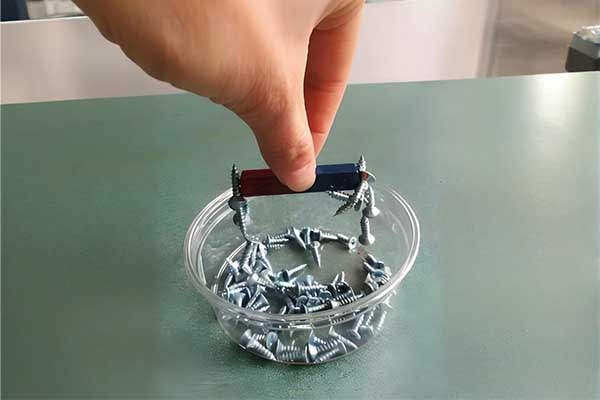
Sometimes, people ask me if magnets always have two poles. I need to clear this up.
Yes, all magnets are bipolar. Every magnet has a north and south pole[19]. Cutting one in half makes two bipolar magnets.
Why Two Poles Matter
Every magnet I ship has a north and south pole with any different directions[20]. It’s a rule of nature. I’ve tried imagining a single-pole magnet — can’t happen. If I cut one, I get two smaller magnets[21], each with both poles.
This affects my work. Clients want magnets for specific jobs, like MagSafe. Bipolarity ensures they stick right. But could there be exceptions? Some say science might find a monopole[22] one day. It's really hard to say so far. For now, two poles define what I do.
Here’s the breakdown:
Bipolar Basics
| Action | Result | Impact |
|---|---|---|
| Cut magnet | Two magnets | Still bipolar |
| Align poles | Attract/repel | Predictable use |
I think this ties back to the first magnet discoveries. Polarity was there from the start—it’s why lodestone worked.
How Do Magnets Work?
Magnets seem simple in our daily life already, but how do they really function? I need to explain this.
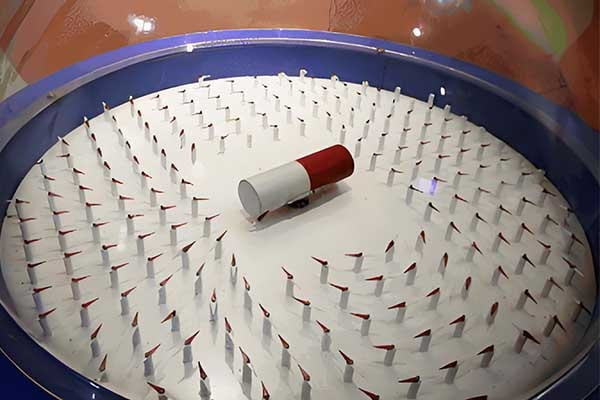
Magnets work by creating a magnetic field[23] from moving electrons. Opposite poles attract, and like poles repel.
There’s more to it. Let’s dive in.
Unpacking Magnet Magic
What's working inside a magnet is really amazing. Electrons spin in atoms[24], making tiny magnetic fields. When they align, bam — a magnet forms. I see this in neodymium — it’s why it’s so strong. Opposite poles pull; same poles push. Simple, right?
Not quite. I’ve wondered why some materials magnetize and others don’t. Iron works; plastic doesn’t. It’s about electron setup. I test this in my factory—only certain mixes stick. Could we make everything magnetic? Maybe someday. For now, I focus on what works.
Here’s the core idea:
Magnetism Explained
| Cause | Effect | Example |
|---|---|---|
| Electron spin | Magnetic field | Lodestone |
| Pole alignment | Attract/repel | Neodymium |
This connects to who discovered magnets. They saw the effects; I build on the why.
Conclusion
I’ve traced magnets from Greek lodestone to neodymium powerhouses. The Greeks and Chinese kicked it off, Gilbert proved earth’s pull, and modern teams gave me tools to work with. At M-Magnet Company, I see their legacy in every product I ship to America and Europe.
Note:
[4]NASA's article covers the magnetic field’s nature and mentions Gilbert’s foundational role.↪
[9]compares neodymium and dysprosium, noting how 2-3% dysprosium boosts heat resistance.↪
[15]Learn about how Chinese compasses revolutionized navigation by the 11th century.↪
[20]Learn about the common magnet directions used on neodymium magnets.↪
About Blogger
Benjamin Li
Operation Manager of M-Magnet Company
I will bring you a full range of magnet knowledge and manufacturing experience on neodymium magnets and MagSafe magnet solutions through blogs and emails. I'm not an expert yet in magnets, but we have a whole team to help you solve technical issues, design drawing details, compatibility suggestions from magnetic assemblies, magnet purchasing and many other customized magnet solutions from China. You can follow my blogs on knowledge sharing or contact me for your own magnet solutions. We will always do the best.