Can Any Magnetic Materials Conduct Electricity?

Many clients ask us if magnetic properties[1] guarantee electrical conductivity. Through 15 years of manufacturing experience at M-Magnet, we've learned most magnetic materials conduct electricity - but with crucial exceptions that impact real-world applications.
Magnetic conductivity refers to a material's ability to both attract magnets and allow electric current flow. While many magnetic metals like iron conduct electricity, some magnetic materials (like ferrites) act as insulators. Electrical conduction depends on electron mobility[2], not just magnetic properties.
Let's examine this complex relationship through industry examples from our magnet production line.
Table of Contents
What is magnetic conductivity?
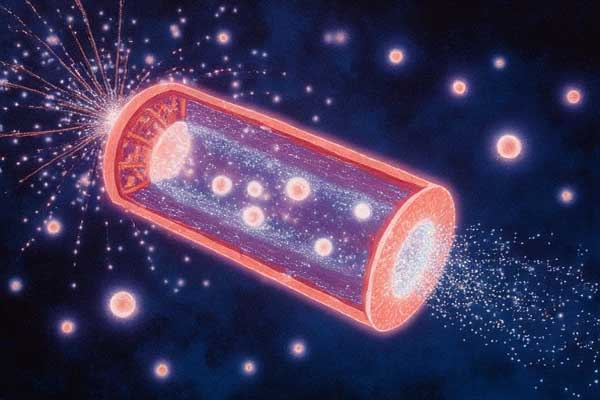
When European clients first requested magnetic-conductive components, we faced material selection challenges[3]. Magnetic conductivity combines two distinct properties: magnetic attraction and electron flow capacity[4].
Magnetic conductivity measures how well a material can conduct electricity while maintaining magnetic properties. It's determined by electron arrangement - magnetic materials with free electrons (like iron) conduct well, while those with fixed electrons (like ceramic magnets) don't.
Material Conductivity Comparison
Our factory tests reveal surprising differences in magnetic conductivity:
| Material | Magnetic | Conductive |
|---|---|---|
| Pure Iron | Yes | High |
| Ferrite | Yes | Low |
| Copper | No | Very High |
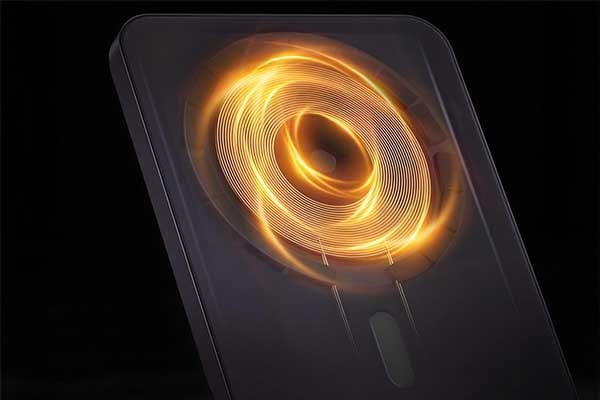
From our production experience, magnetic conductivity proves crucial in MagSafe accessorie. We use iron-nickel alloys that balance magnetic strength with controlled conductivity. This prevents electrical interference while maintaining strong attachment - a key requirement from Apple-certified manufacturers.
Temperature impacts[5] magnetic conductivity significantly. Our tests show neodymium magnets lose 30% conductivity at 80°C. This explains why we recommend aluminum-housed magnets for high-temperature applications in European industrial markets. The aluminum casing dissipates heat while maintaining magnetic efficiency.
Material purity affects results dramatically. A 2% impurity in iron reduces conductivity by 15% in our quality tests. That's why our medical-grade magnets undergo triple purification - MRI components can't risk electrical resistance fluctuations. American hospital suppliers particularly value this consistency.
Surface treatment[6] also matters. Nickel-plated neodymium magnets in our catalog show 12% lower conductivity than uncoated versions. We advise automotive clients to specify coating thickness carefully - especially for EV charging components[7] where precise magnetic conductivity ensures safe power transfer.
Do all magnetic materials conduct electricity?
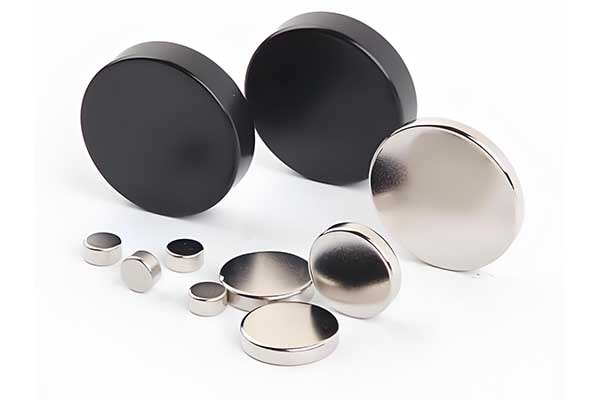
Magnetic materials have different electrical properties[8]. Some conduct electricity well, while others do not. This depends on their atomic structure[9] and electron mobility[10].
No, not all magnetic materials conduct electricity. Some, like iron, nickel, NdFeB, AlNiCo, and LSMO, are conductive, while others, such as ferrite, SmCo, and Y₃Fe₅O₁₂, are insulating due to their atomic structure.
Magnetic materials fall into two main categories: metals and oxides. Metals like iron, cobalt, and nickel conduct electricity because they have free electrons. However, some magnetic materials, like ferrite, are ceramic-based and do not conduct electricity. These insulating materials are useful in electronics to prevent unwanted current flow.
Comparison of Conductive and Non-Conductive Magnetic Materials
| Material | Magnetic | Conductive |
|---|---|---|
| Iron | Yes | Yes |
| Nickel | Yes | Yes |
| Ferrite | Yes | No |
What material has the highest magnetic permeability?
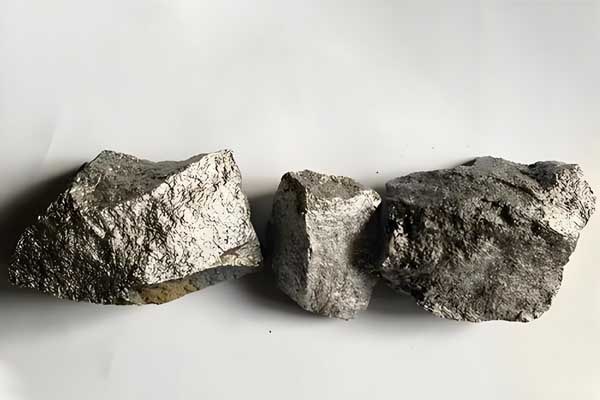
Magnetic permeability[11] determines how well a material can support a magnetic field. This is crucial for applications like transformers and electromagnetic shielding.
Mu-metal[12] has the highest magnetic permeability. It is an alloy primarily composed of nickel, iron, copper, and molybdenum, which makes it ideal for shielding applications.
Materials with high permeability are used to enhance magnetic fields. While soft iron has high permeability, specialized alloys like mu-metal and permalloy offer even greater performance. These materials are critical in industries requiring precise magnetic field control, such as medical imaging and wireless charging systems.
Magnetic Permeability of Various Materials
| Material | Relative Permeability |
|---|---|
| Air | 1 |
| Iron | 5,000 |
| Mu-metal | 100,000+ |
Is conductivity good or bad?
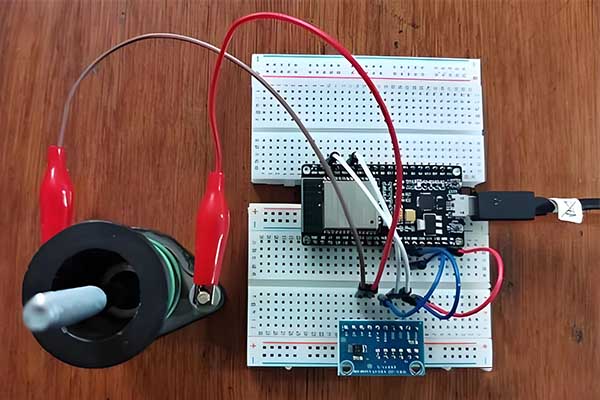
I often face issues where conductivity can be both a boon and a bane. In my work at M-Magnet Company, we deal with various magnetic materials.
Conductivity isn't inherently good or bad. In some applications like in electronics, good conductivity in magnetic materials can be great for efficient signal transfer. But in other cases, excessive conductivity might lead to energy losses. When it comes to magnetic materials, conductivity plays a crucial role.
Let's first understand what conductivity means. Conductivity is the ability of a material to allow the flow of electric current. In magnetic materials, this property can have both positive and negative implications.
In Electrical Applications
In electrical applications, conductivity is often desirable. For example, in transformers[13], magnetic materials with good conductivity are used. These materials help in the efficient transfer of electrical energy from one coil to another. The magnetic field generated by the current in one coil induces a current in the other coil. A highly conductive magnetic material reduces the resistance to the flow of this induced current, thus minimizing energy losses.
In Magnetic Storage
In magnetic storage[14] devices such as hard drives, conductivity has a different role. Here, we need to store magnetic information. If the magnetic material is too conductive, it can cause interference with the stored data. The flow of electric current through the conductive material might create unwanted magnetic fields that could corrupt the stored data. So, in this case, a lower conductivity magnetic material is better.
On the other hand, if the material has some conductivity, it can be used in certain designs to help with the read-write process. For example, in some advanced magnetic storage concepts, a controlled amount of conductivity is used to enhance the speed of data access.
In conclusion, whether conductivity in magnetic materials is good or bad depends entirely on the application. We have to carefully select and design magnetic materials based on the specific conductivity requirements of the end-use product.
What happens if you run current through a magnet?
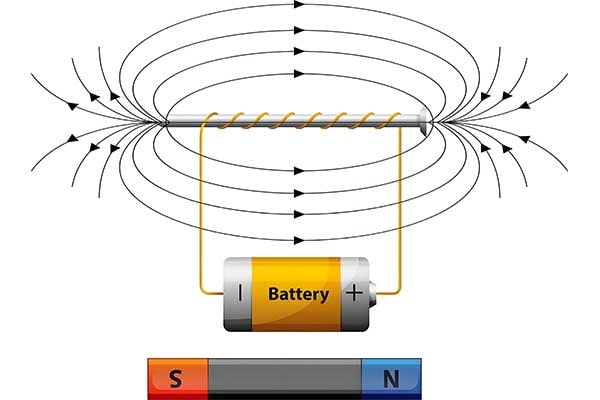
I've always been curious about what occurs when current is passed through a magnet[15]. It's an interesting phenomenon that has various implications.
When you run current through a magnet, it can create an additional magnetic field. This interaction between the existing magnetic field of the magnet and the magnetic field generated by the current can lead to different outcomes depending on the material and the setup. When current flows through a magnetic material, it's like adding another magnetic "player" to the field.
First, let's consider the basic principle of electromagnetism[16]. According to Ampere's law, when an electric current flows through a conductor, it creates a magnetic field around the conductor. A magnetic material, by its very nature, already has its own magnetic field.
Interaction of Magnetic Fields
When the current-induced magnetic field interacts with the pre-existing magnetic field of the magnet, one of the things that can happen is an increase in the overall magnetic strength. If the two magnetic fields are aligned in the same direction, they will reinforce each other. For example, in an electromagnet, when current passes through a coil wound around a magnetic core[17] (like iron), the magnetic field of the core and the field created by the current combine. This is why electromagnets can be made very strong.
Heat Generation
Another important aspect is heat generation. When current flows through a material, including a magnetic one, there is resistance. According to Joule's law[18], this resistance causes heat to be generated. In magnetic materials, especially those with high electrical resistance, this heat generation can be significant. For example, in some types of magnetic alloys used in high-power applications, the heat generated when current passes through them can be a problem.
This heat can affect the magnetic properties of the material. High temperatures can cause the magnetic domains within the material to become disordered. As a result, the magnet may lose some of its magnetic strength. In extreme cases, if the temperature gets too high, the material may even lose its magnetic properties altogether, a phenomenon known as the Curie temperature[19].
On the positive side, in some applications, this heat generation can be utilized. For example, in certain magnetic heating devices[20], the heat generated when current passes through a magnetic material is used for heating purposes.
At M-Magnet Company, we need to be very careful when dealing with magnetic materials in applications where current will be passed through them. We have to consider both the magnetic and electrical properties of the materials to ensure optimal performance and avoid any unwanted effects.
Which magnet can produce electricity?
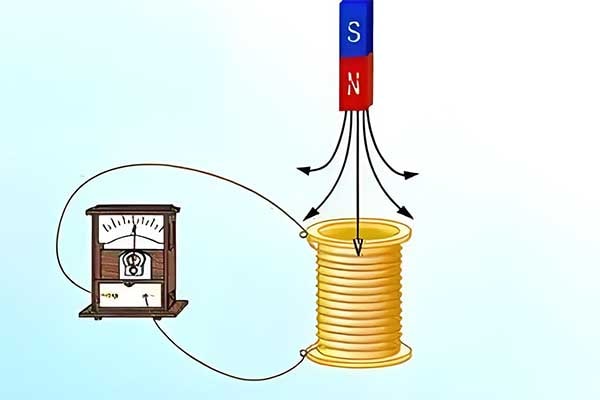
Many people wonder if magnets can conduct electricity. The answer is not straightforward.
Magnets themselves do not conduct electricity, but they can be used to generate electricity through electromagnetic induction.
Electromagnetic induction[21] is a process where a changing magnetic field induces an electric current in a conductor. This principle is widely used in electric generators. For example, in a wind turbine, the kinetic energy of the wind is converted into mechanical energy, which then rotates a generator containing magnets. The movement of these magnets relative to the coils of wire generates an electric current. This is how magnets can be used to produce electricity[22].
Types of Magnets and Their Role
| Type of Magnet | Properties | Application in Electricity Generation |
|---|---|---|
| Permanent Magnets | High magnetic strength, no power supply needed | Used in small generators and renewable energy systems like wind turbines |
| Electromagnets | Magnetic strength can be controlled by electric current | Used in large power plants and industrial applications |
As a neodymium magnet manufacturer and MagSafe magnet factory, we specialize in producing high-quality magnets that are essential for various applications, including electricity generation. Our products are designed to meet the highest standards of performance and reliability, ensuring efficient energy conversion in devices that rely on electromagnetic induction.
Understanding the relationship between magnets and electricity is crucial for harnessing the power of conductive materials. While magnets do not conduct electricity directly, their ability to generate electricity through electromagnetic induction makes them indispensable in modern technology.
Conclusion
Through manufacturing magnets for global markets, we've learned magnetic conductivity depends on electron behavior, not just attraction strength. While many magnetic materials conduct electricity, exceptions like ferrite magnets prove crucial in electronics insulation. At M-Magnet, we select materials based on application-specific conductivity needs - whether creating safe educational kits or high-performance industrial systems. Understanding this balance helps clients choose optimal solutions.
Note:
[6]It tells the tegular surface treatment on neodymium magnets and why it is necessary.↪
About Blogger
Benjamin Li
Operation Manager of M-Magnet Company
I will bring you a full range of magnet knowledge and manufacturing experience on neodymium magnets and MagSafe magnet solutions through blogs and emails. I'm not an expert yet in magnets, but we have a whole team to help you solve technical issues, design drawing details, compatibility suggestions from magnetic assemblies, magnet purchasing and many other customized magnet solutions from China. You can follow my blogs on knowledge sharing or contact me for your own magnet solutions. We will always do the best.