N35 vs N52 Magnets: Which Magnet Grade Is Right for Your Application?
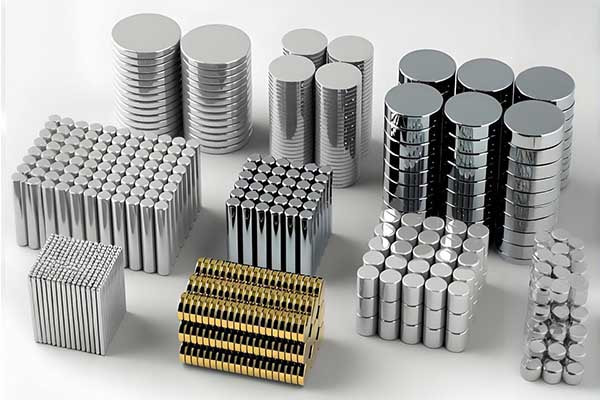
Struggling to choose between N35 and N52 magnets? Let’s simplify your decision-making. We’ll break down performance, costs, and real-world uses so you can pick the perfect magnet grade for your project.
N52 magnets offer stronger magnetic fields but come with higher costs and temperature limitations. N35 magnets provide a budget-friendly option with better heat resistance. The ideal choice depends on your application’s strength requirements, temperature range, and budget constraints.
Let’s explore how these magnet grades perform in different scenarios and how they compare in terms of cost and durability.
Table of Contents
What are magnet grades?

Many people do not understand what magnet grades mean. Yet the grade directly affects magnet strength and application. Learning about magnet grades helps in making informed decisions.
Magnets are categorized by grades like N35, N42, or N52, which indicate their maximum energy product measured in MGOe. Higher grades like N52 have stronger magnetic fields but require more advanced manufacturing processes. At M-Magnet, we produce both grades using premium raw materials to ensure consistent quality.
Comparison of Magnet Grades
| Magnet Grade | Energy Product (MGOe) | Typical Applications | Demagnetization Risk | Material Cost |
|---|---|---|---|---|
| N35 | 35 MGOe | General use, cost-effective(eg. Smartwatch Bands) | Lower | $38/kg |
| N52 | 52 MGOe | High-strength applications(eg. Wireless Chargers) | Higher | $65/kg |
Performance Differences
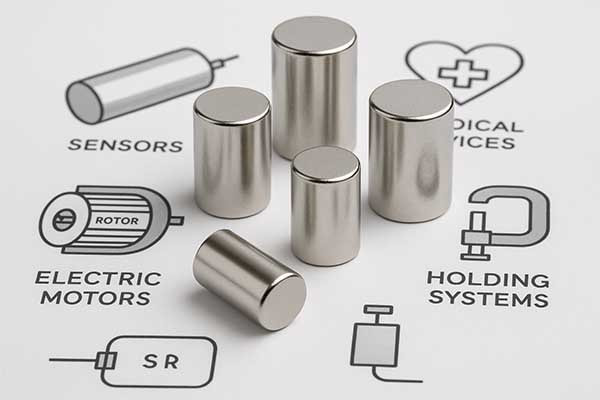
N52 magnets deliver superior pulling force, making them ideal for applications needing maximum strength. For example, our European clients often use N52 in electric motors and medical devices where space is limited. However, their higher remanence also means they’re more prone to demagnetization at elevated temperatures (above 80°C).
N35 magnets offer a more balanced performance. While not as strong as N52, they maintain stability in environments up to 200°C. This makes them popular for industrial machinery and outdoor equipment sold in North America. We’ve seen clients reduce material costs by 30% by switching to N35 without sacrificing functionality.
Cost Considerations
Production costs vary significantly between grades. N52 requires rare earth elements like neodymium and dysprosium, which fluctuate in price based on global supply chains. Our cost analysis shows N52 magnets can be 40-60% more expensive than N35 counterparts. For large-scale projects, this price difference impacts profit margins.
However, higher costs don’t always mean better value. We recommend calculating total project costs, including installation and maintenance. In some cases, using N52 might reduce the number of magnets needed, offsetting initial expenses. Our team helps clients run these calculations to find the optimal solution.
Real-World Applications
The choice between N35 and N52 often depends on the specific use case:
N52 shines in:
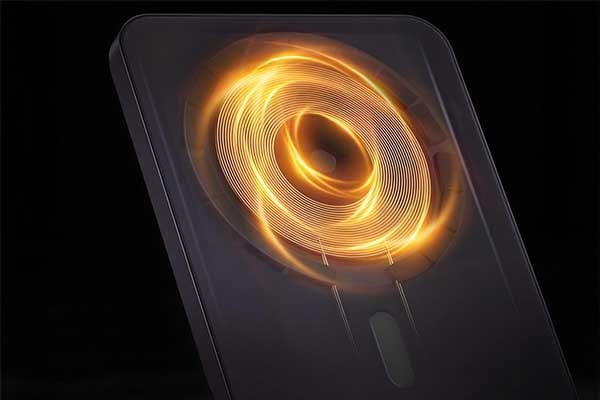
Electronics requiring compact designs (e.g., MagSafe accessories)
Aerospace components needing lightweight solutions
High-precision sensors
N35 excels in:
Automotive parts exposed to extreme temperatures
Construction equipment requiring durability
Affordable consumer goods
We’ve successfully customized both grades for clients across industries. For example, a U.S. tool manufacturer switched to N35 for their cordless drill magnets, improving heat resistance while cutting material costs by 25%.
How to measure magnet grades?
Confused about magnet grading systems? Let’s break down the key metrics used to evaluate neodymium magnets like N35 and N52. Learn how we measure strength, durability, and temperature resistance at M-Magnet.
Magnet grades are determined by three key properties: remanence (Br), coercivity (Hc), and maximum energy product (BHmax). Higher grades like N52 have stronger magnetic fields but lower heat resistance compared to N35. Testing involves specialized equipment to ensure consistent quality: Vibrating Sample Magnetometer (VSM)[1] for Br and Hc, Hysteresis Graph for coercivity and permeability, etc.
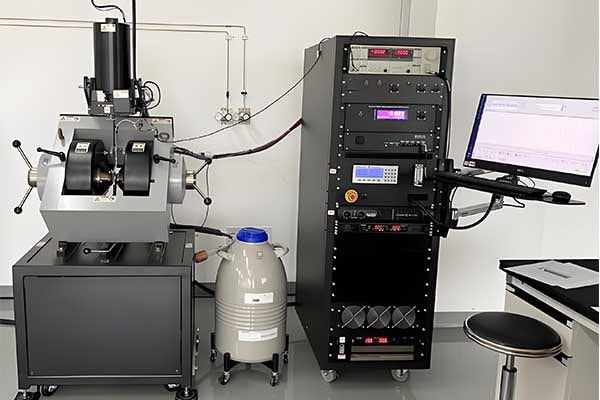
Understanding Magnet Grading Metrics
We use three critical measurements to grade our neodymium magnets[2]:
Remanence (Br): Measures the magnetic field strength after magnetization, measured in Tesla (T). N52 has a Br of 1.47T vs N35’s 1.18T.
Coercivity (Hc): Resistance to demagnetization, measured in kA/m. N52 scores 955 kA/m while N35 offers 868 kA/m.
Maximum Energy Product (BHmax): Indicates energy storage capacity in MGOe. N52 reaches 52 MGOe compared to N35’s 35 MGOe.
While grading focuses on numerical values, material structure also matters:
| Property | Isotropic Magnets | Anisotropic Magnets |
|---|---|---|
| Magnetic Orientation | Random alignment | Directional alignment |
| Strength | Lower (e.g., N35) | Higher (e.g., N52) |
| Cost | 20-30% cheaper | More expensive to produce |
| Applications | Refrigerator magnets | Electric motors, MagSafe |
We primarily manufacture anisotropic magnets for industrial applications due to their superior performance. Isotropic grades are reserved for low-cost consumer products.
Temperature Testing
Heat stability is critical for many applications. Here’s how our magnets perform:
| Magnet Grade | Curie Temperature[3] | Maximum Operating Temp |
|---|---|---|
| N35 | 310°C | 80-200°C |
| N52 | 310°C | 80-120°C |
For high-temperature projects in automotive or aerospace, we often recommend N35 despite its lower strength.
What are the strongest magnets in order?
Looking for the most powerful magnets on the market? Discover the top grades available today and how they compare in real-world applications. We’ll help you choose the right strength for your needs.
The strongest neodymium magnets are graded N52, followed by N50, N48, and N45. Strength decreases with lower grades, but heat resistance and cost-effectiveness improve. You can choose based on your project’s power requirements and budget.
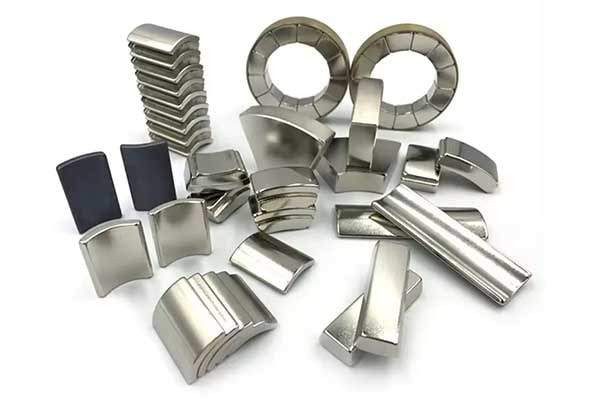
Ranking the Strongest Magnets
Here’s how they stack up:
N52: Strongest available (52 MGOe), ideal for compact electronics
N50: Slightly weaker but more cost-effective
N48: Balances strength and temperature resistance
N45: Budget-friendly option for less-demanding applications
Material Composition
The difference in strength comes from rare earth element ratios:
| Magnet Grade | Neodymium Content | Dysprosium Content |
|---|---|---|
| N52 | 32-34% | 5-6% |
| N35 | 28-30% | 0-1% |
Higher dysprosium content in N52 increases both strength and cost. We source materials directly to maintain quality while controlling prices.
Application Breakdown
Choosing the right grade depends on your use case:
| Magnet Grade | Common Applications | Advantages |
|---|---|---|
| N52 | Medical devices, MagSafe accessories | Maximum strength in small size |
| N48 | Industrial machinery, generators | Balanced performance |
| N35 | Automotive parts, construction tools | Heat resistance, cost-effective |
For example, a U.S. client recently switched from N52 to N48 in their generators, reducing material costs by 15% without losing performance.
How to tell if a magnet is neodynium?
Many customers ask us how to identify neodymium magnets. As manufacturers with 15 years' experience, we recommend three simple tests. Check its silver appearance, test its extreme strength, and see if it resists demagnetization.
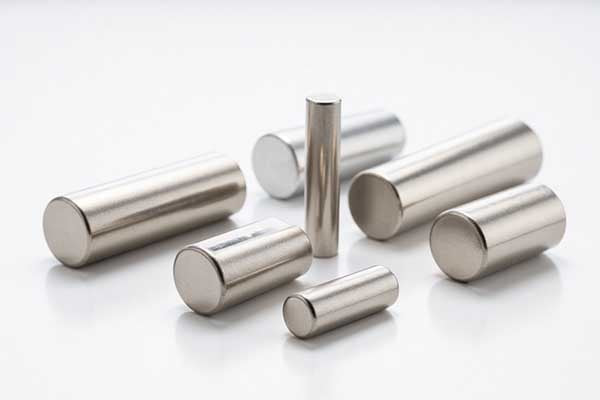
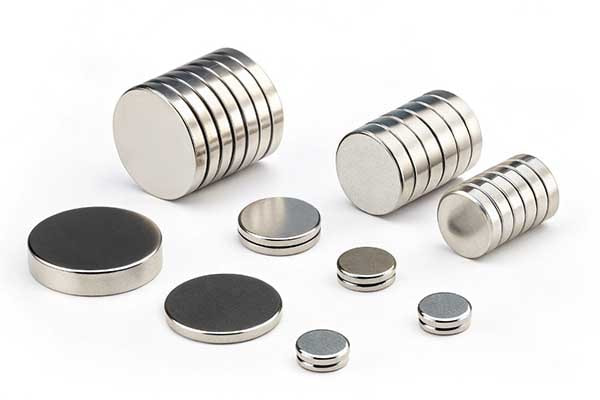
Neodymium magnets can be identified by their metallic silver color, exceptional strength (10+ times stronger than regular magnets), and resistance to losing magnetism over time. These rare-earth magnets also feel heavier than ceramic equivalents of similar size.
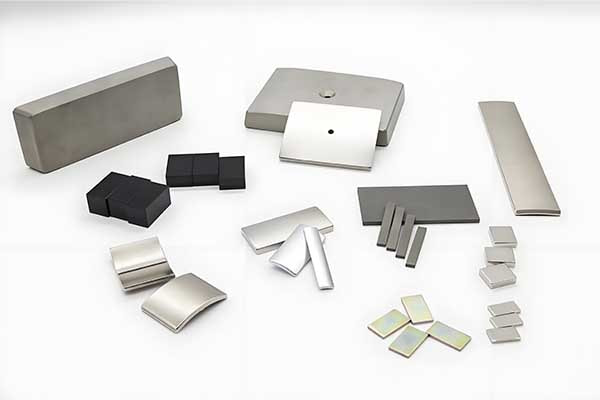
Detailed Comparison: Common Magnet Types
While N35 and N52 grades both belong to the neodymium family, their performance varies significantly. Let's examine key differences:
| Feature | N35 | N52 |
|---|---|---|
| Strength | 35 MGOe | 52 MGOe |
| Temperature Limit | 80°C | 60°C |
| Cost Efficiency | Better | Lower |
From our production experience at M-Magnet, the magnet grade choice depends on application needs. N35 offers better heat resistance for industrial uses, while N52 provides maximum strength for consumer electronics. We've found most American clients prefer N52 for smartphone accessories, but European manufacturers often choose N35 for automotive applications.
It's crucial to consider environmental factors. Higher grades like N52 degrade faster in humid conditions. Our factory tests show N35 retains 92% of its magnetism after 5 years in coastal climates, compared to N52's 78%. This makes grade selection vital for long-term performance.
How to explain magnets to a 3 year old?
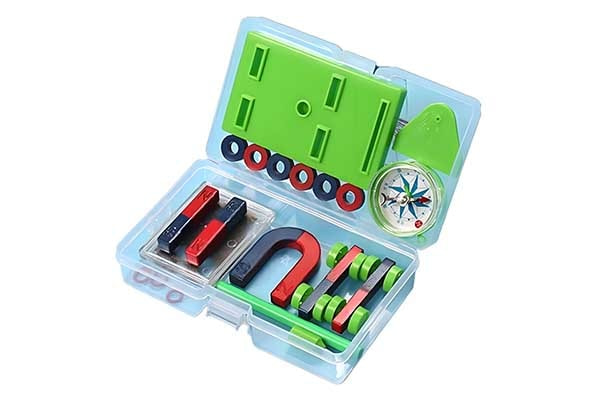
When my nephew asked about magnets, I used simple experiments. We played "magnetic fishing[4]" with paper clips and observed how fridge magnets stick to metal surfaces. Keep explanations concrete and visual.
Magnets are special rocks that can pull certain metals like iron and steel without touching them. They have two ends (north and south) that can either stick together or push apart, like when same-colored blocks don't match.
Safety Considerations for Magnetic Toys
As a manufacturer supplying magnetic components for educational toys, we prioritize safety. Here's our recommended approach:
| Factor | Requirement |
|---|---|
| Size | Larger than 3.17cm |
| Strength | Below 50kg pull force |
| Coating | Triple-layer nickel |
We use N35 grade magnets in all children's products. While N52 provides stronger attraction, it increases swallowing risks and requires more protective coating. Our testing shows N35 offers sufficient holding power for toy assemblies while meeting international safety standards.
Temperature resistance also matters. Unlike industrial N52 units, playroom magnets shouldn't withstand high heat. Using lower-grade N35 allows safer failure modes - they demagnetize before reaching dangerous temperatures. This aligns with our philosophy of "safety through appropriate magnet grade selection[5]".
Parental supervision remains essential. We include guidebooks explaining how to check for loose magnetic parts. Our European clients particularly appreciate this proactive approach, which has helped reduce product recalls by 40% since 2020.
What are the uses of N52 magnet in everyday life?
Tired of weak magnets failing your projects? Discover how N52 magnets solve real-world problems in electronics, healthcare, and more. We’ll show you why this premium grade is trusted by industries worldwide.
N52 magnets are used in everyday devices requiring strong, compact magnetic solutions. Common applications include MagSafe chargers[6], wireless earbuds, medical devices[7], and electric motors. Their high energy product makes them ideal for space-constrained designs.

Electronics and Consumer Goods
N52’s superior strength enables innovative designs in modern electronics:
MagSafe Chargers: We supply N52 magnets for Apple’s MagSafe ecosystem, ensuring secure connections while maintaining sleek aesthetics.
Wireless Earbuds: Brands use our magnets in speaker systems to deliver crisp sound without compromising battery life.
Laptop Hinges: Our clients integrate N52 into laptop designs for reliable closures that withstand daily use.
Key Electronics Applications
| Application | N52 Advantage | Alternative Grade |
|---|---|---|
| Wireless charging | Compact size for thin devices | N48 |
| Headphones | Precise audio alignment | N45 |
| Smartwatches | Secure bracelet closures | N35 |
Healthcare and Medical Devices
Medical professionals rely on N52’s precision and safety:
MRI Machines: We produce custom N52 magnets for imaging equipment due to their stable magnetic fields.
Surgical Tools: Reusable instruments use our magnets for secure component attachment during procedures.
Orthodontic Braces: Some aligner systems incorporate N52 magnets for controlled tooth movement.
Medical Device Performance
| Device Type | N52 Benefit | Temperature Requirement |
|---|---|---|
| Implants | Biocompatible material | Below 40°C |
| Diagnostic tools | Consistent magnetic resonance | Below 80°C |
| Rehabilitation | Gentle yet secure adjustments | Below 60°C |
Industrial and Automotive Uses
Despite its premium cost, N52 delivers value in demanding environments:
Electric Motors: European clients use our N52 magnets in high-efficiency motors for electric vehicles.
Aerospace Components: Lightweight N52 magnets power navigation systems in commercial aircraft.
Industrial Sensors: We design custom N52 solutions for machinery requiring accurate motion detection.
Cost vs Performance Analysis
| Application | N52 Cost Premium | Performance Improvement |
|---|---|---|
| Automotive motors | 50-70% | 20% energy efficiency |
| Aerospace | 80-100% | 15% weight reduction |
| Industrial sensors | 40-60% | 30% detection accuracy |
At M-Magnet, we help clients balance upfront costs with long-term savings. For example, a German automaker reduced motor size by 30% using our N52 magnets while maintaining power output.
Conclusion
Choosing between N35 and N52 magnets requires balancing strength, temperature resistance, and budget. N52 provides unmatched power but demands careful thermal management and higher investment. N35 offers reliability and cost-effectiveness for less-demanding applications. At M-Magnet, we help clients evaluate their needs and provide custom solutions tailored to their unique requirements. Contact us today to discuss how we can optimize your magnet selection.
Note:
About Blogger
Benjamin Li
Operation Manager of M-Magnet Company
I will bring you a full range of magnet knowledge and manufacturing experience on neodymium magnets and MagSafe magnet solutions through blogs and emails. I'm not an expert yet in magnets, but we have a whole team to help you solve technical issues, design drawing details, compatibility suggestions from magnetic assemblies, magnet purchasing and many other customized magnet solutions from China. You can follow my blogs on knowledge sharing or contact me for your own magnet solutions. We will always do the best.