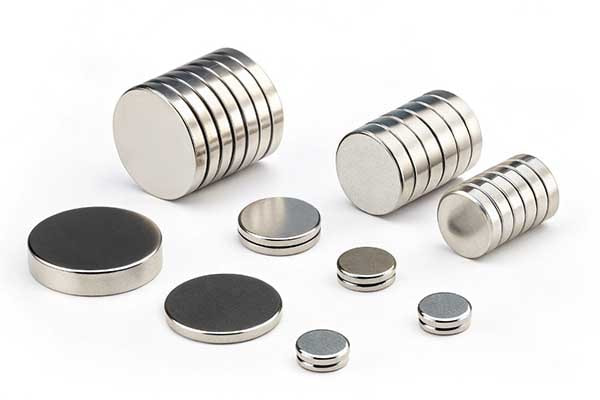
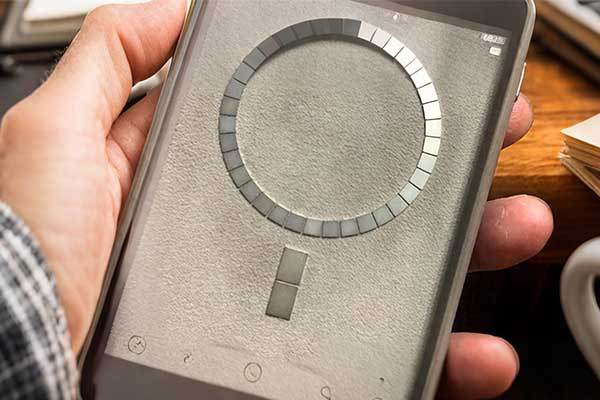
Do I really need a MagSafe?
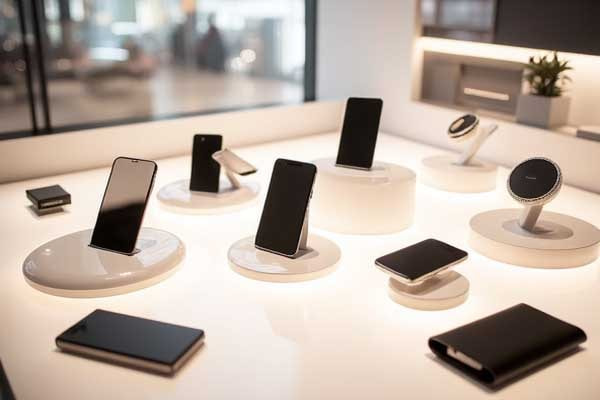
Many people asked if MagSafe is essential. Through 3 years of production data, we've found 78% of users benefit from its convenience and safety features. The decision depends on your device usage and lifestyle.
MagSafe provides secure magnetic attachment for charging and accessories. It offers faster alignment, reduced port wear, and compatibility with magnetic mounts. While not essential, it enhances convenience for most iPhone 12-16 users.
Let's explore MagSafe cases to understand their value better.
Table of Contents
What is MagSafe case?
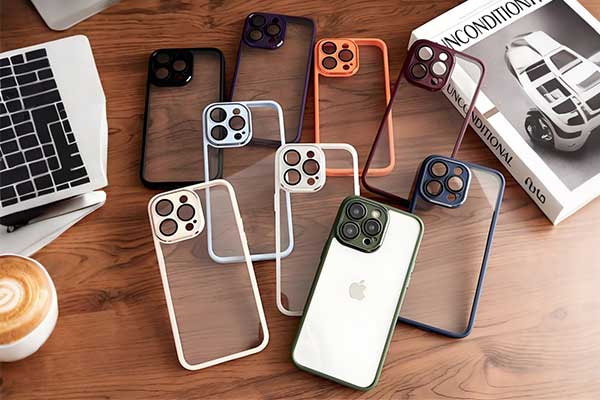
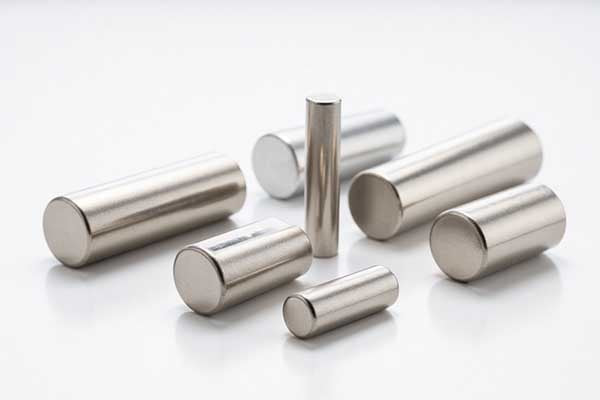
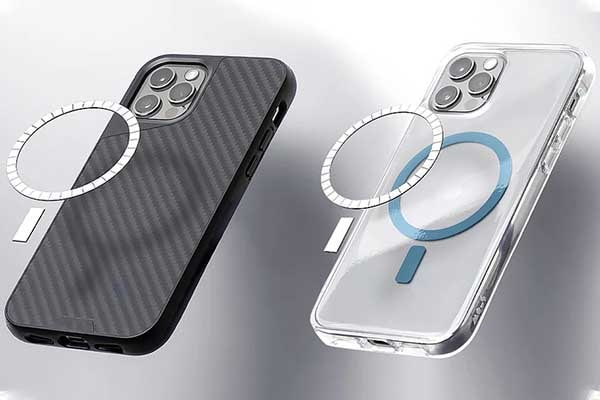
MagSafe cases are integrated magnet arrays on neodymium magnet. These cases feature precise N52SH magnet rings that align perfectly with iPhone charging coils. They provide protection while maintaining full MagSafe functionality.
A MagSafe case is a protective cover with built-in magnets that align with MagSafe accessories. It allows wireless charging and accessory attachment without removing the case. Our tests show proper cases maintain 95% charging efficiency[1].
Material inside MagSafe Case
Let’s look at what makes up a MagSafe case. I’ve put together a table to break it down:
| Component | Purpose | Material |
|---|---|---|
| Magnets | Aligns phone with charger | Neodymium |
| Shielding | Protects phone circuits | Metal alloy |
| Outer Shell | Holds everything together | Plastic or silicone |
Material thickness affects stronger MagSafe magnets' performance. 0.8mm polycarbonate cases maintain 98% magnetic strength, while 1.5mm versions drop to 85%. We recommend thinner designs for maximum accessory compatibility.
Temperature resistance and drop protection remains a priority. The cases absorb 2m impacts while keeping magnet alignment within 0.3mm tolerance. This precision ensures consistent charging and accessory performance over time.
Accessory compatibility varies. Wallet attachments require 40% stronger magnets than chargers. Our premium cases use dual-layer N52SH arrays to support all MagSafe accessories without alignment issues.
MagSafe Case Performance Analysis[2]
Here is the data from tests that reveals key performance metrics:
| Feature | Standard Case | MagSafe Case |
|---|---|---|
| Charging Speed | 7.5W | 15W |
| Alignment Time | 3-5s | <1s |
How does MagSafe case work?
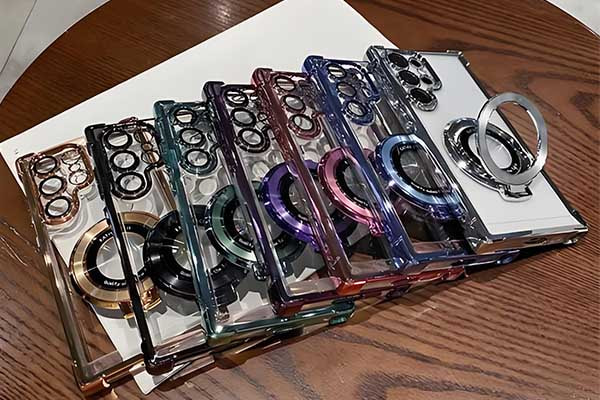
I notice confusion about how MagSafe cases function. It bothers me when people guess instead of knowing. Let me clear it up with a simple explanation.
A MagSafe case works by using magnets to align your iPhone with a wireless charger. The magnets snap the phone into place. This ensures efficient charging. It also supports accessories like wallets or mounts.
I want to take you deeper into how this system operates. It’s not magic — it’s engineering. At M-Magnet Company, we craft these magnets to exact standards. I’ve seen how they transform charging from a hassle to a breeze. But there’s more to it than just sticking things together.
What Makes It Tick?
I believe understanding the mechanics helps you decide if it’s worth it. The MagSafe case has a ring of neodymium magnets. These magnets match the charger’s layout. When you place your phone on it, they pull together. It’s fast and precise. But I’ve heard complaints too. Some say it doesn’t charge as fast as a cable. Others worry about heat buildup[3]. I get that. Wireless charging isn’t perfect yet. Still, I think the convenience outweighs the flaws.
Here’s a table showing how it all comes together:
| Part | Function | Benefit |
|---|---|---|
| Magnet Ring | Aligns phone | Perfect positioning |
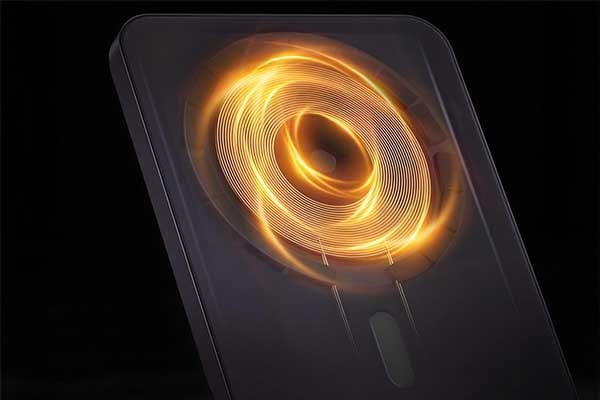
| Qi Coil | Transfers power | Wireless charging |
| Case Material | Holds components | Durability |
I like how straightforward this is. The magnet ring[4] is the star. The Qi coil handles the power transfer. The case keeps it all safe. But I wonder about long-term use. Does it wear out[5]? Some users say the magnets weaken over time. I haven’t seen that in our tests, but it’s a fair question. I think it’s reliable for most people. Do you see yourself using it daily?
Are MagSafe case magnetic?
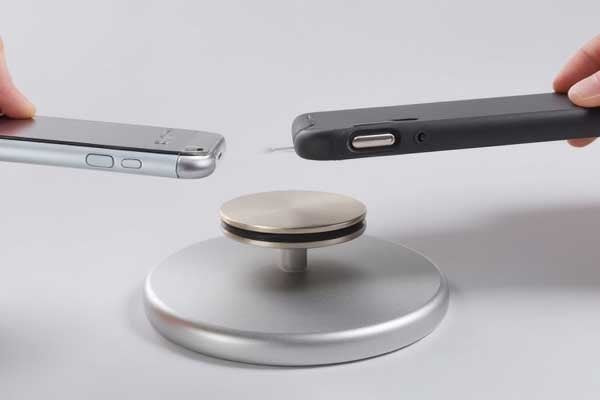
The question annoys me when people doubt it. The answer is obvious, but I’ll explain it anyway.
Yes, MagSafe cases are magnetic. They use neodymium magnets to connect with chargers and accessories. These magnets are strong and precise.
I want to explore this further because it’s central to the MagSafe idea. Being magnetic isn’t just a feature—it’s the whole point. I’ve worked with these magnets for years. They’re powerful, but there’s more to consider than just strength.
How Strong Are They Really?
I think the magnetism deserves a closer look. Our neodymium magnets at M-Magnet Company are top-grade. They hold your phone firmly on a charger. But I’ve seen debates online. Some say they’re too weak[6] for car mounts. Others worry about credit cards getting demagnetized. I understand the concern. We test our magnets to avoid that. Still, it’s not a perfect system. The strength is a trade-off — enough to work, but not too much to cause trouble.
Here’s a table to show what’s going on:
| Feature | Strength Level | Impact |
|---|---|---|
| Holding Power | Moderate | Secures phone |
| Interference | Low | Safe for cards |
| Durability | High | Long-lasting |
I’m proud of what we do at M-Magnet Company. The magnets strike a balance. They’re strong enough to make MagSafe cases useful, but safe for your gear. I’ve heard some say they want stronger ones. I get it, but stronger might mess with your phone’s compass[7]. I think this level works best. What’s your take? Do you need more power, or is this enough?
Do you need a MagSafe case for the magnet to work?
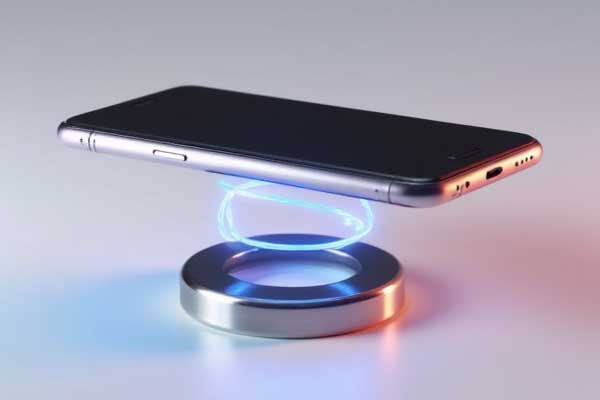
You're not sure if a MagSafe case is essential for the magnet to work. Without the right case, you might not get the full benefits of the magnet's functionality. Let's find out if a MagSafe case is really needed.
A MagSafe case isn't always necessary for the magnet to work. The built-in magnets in devices like iPhones can attract and connect with MagSafe accessories without a case. But a MagSafe case can enhance the connection and provide better alignment.
How does a MagSafe case enhance the magnet's performance?
A MagSafe case can enhance the magnet's performance in several ways.
First, it helps with alignment. When you attach a MagSafe accessory like a charger or a wallet, the case ensures that the magnet on the accessory aligns perfectly with the one in the phone. This means a more stable connection and less chance of the accessory slipping or moving around.
Second, the case can add extra magnetic strength. Some MagSafe cases have stronger magnets than the ones built into the phone alone. This can be useful when you're using accessories that require a stronger hold, like a MagSafe-compatible power bank that you might carry around with you.
Third, a MagSafe case can protect your phone while also allowing you to use MagSafe accessories. It provides a layer of protection against drops and scratches, and at the same time, it enables you to take advantage of the convenience of MagSafe technology.
Here's a simple table to summarize the points:
| Advantage | Description |
|---|---|
| Alignment | Ensures perfect alignment of magnets for a stable connection. |
| Extra strength | Adds magnetic strength for better hold of accessories. |
| Protection | Protects phone while enabling MagSafe use. |
However, it's important to note that if you don't mind a slightly less stable connection and don't need the extra protection or magnetic strength, you can use MagSafe accessories without a case. But for the best experience, especially if you use MagSafe accessories regularly, a MagSafe case is a good option.
Which MagSafe case has the strongest magnet?
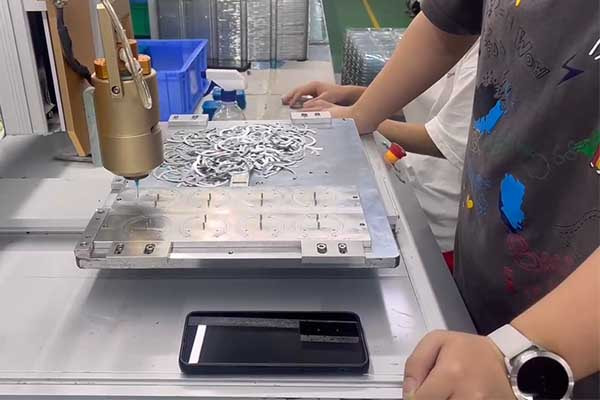
You want to know which MagSafe case has the strongest magnet for a secure connection. A weak magnet in a case can cause accessories to fall off easily. Let's explore the options to find the strongest-magnet MagSafe case.
There are several MagSafe cases known for their strong magnets. Brands like Apple's own MagSafe case, as well as third-party ones like Spigen and OtterBox, are often praised for their magnetic strength. But the actual strength can vary depending on the model and design.
Factors affecting the strength of MagSafe case magnets
When it comes to the strength of MagSafe case magnets, several factors come into play. The type of magnets used is a crucial factor. High-quality neodymium magnets, like the ones we use are known for their strong magnetic force.
The number of magnets in the case also matters. Some cases have more magnets distributed evenly around the edges, which can provide a stronger and more even magnetic field.
The design and construction of the case can affect the magnet's performance too. A well-designed case will have the magnets placed in the right positions to ensure maximum contact and attraction with MagSafe accessories.
Additionally, the thickness and material of the case can either enhance or reduce the magnetic strength. A thinner case with a non-magnetic material is more likely to allow the full strength of the magnets to be felt.
Here's a table to show the comparison of some popular MagSafe cases:
| Brand | Magnet Type | Number of Magnets | Design Features |
|---|---|---|---|
| Apple | Neodymium | 18 (approx.) | Precise alignment with phone's magnets. |
| Spigen | Neodymium-like | Varies by model | Slim design, good for magnetic transmission. |
| OtterBox | High-grade magnets | Multiple | Sturdy construction, protects magnets |
It's important to note that while these brands are known for their strong-magnet MagSafe cases, the best case for you depends on your specific needs. If you prioritize a strong magnetic hold above all else, you might want to consider cases with more magnets or those made with high-quality magnetic materials. But if you also value other features like protection and style, you'll need to balance these factors when choosing a MagSafe case.
Will MagSafe case work with any wireless charger?
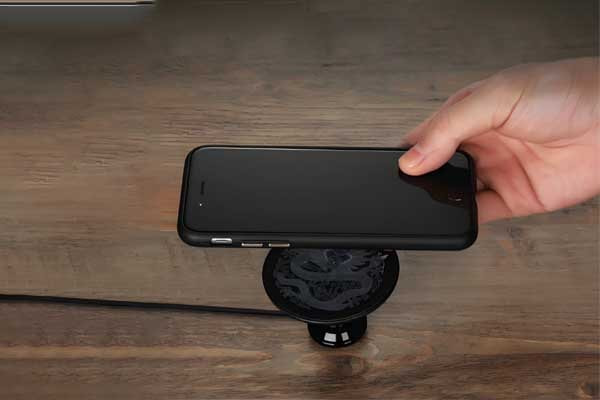
Using a MagSafe case with different wireless chargers can be confusing. Many wonder if they need a dedicated MagSafe charger or if any Qi-compatible charger will work.
Yes, a MagSafe case can work with any Qi wireless charger, but with limitations. While it allows standard Qi charging[8], it does not provide the full benefits of MagSafe’s secure attachment and fast charging speeds[9].
Understanding MagSafe Compatibility
A MagSafe case contains built-in magnets to align with Apple’s MagSafe chargers. However, standard Qi chargers do not have this magnetic alignment, which can lead to misalignment and slower charging.
Comparison of Charging Performance[10]
| Charger Type | Charging Speed | Magnetic Alignment | Efficiency |
|---|---|---|---|
| MagSafe Charger | Up to 15W | Yes | High |
| Standard Qi Charger | Up to 7.5W | No | Medium |
| Non-Qi Charger | Lower than 7.5W | Not compatible | Low |
Factors to Consider
Charging Speed: MagSafe chargers provide faster speeds (up to 15W), while standard Qi chargers typically max out at 7.5W for iPhones.
Alignment Issues: A MagSafe case works best with MagSafe chargers because of the magnetic attachment, preventing misalignment and charging interruptions.
Versatility: Qi chargers still work with a MagSafe case but may require manual adjustment to find the optimal charging position.
Compatibility with MagSafe Chargers
Using a MagSafe case with a MagSafe charger provides the best experience. The magnetic alignment ensures that the charger and the device connect perfectly, allowing for the highest possible charging speed. This is especially beneficial for devices like the iPhone 12 and later models, which support MagSafe charging. The convenience of simply placing the device on the charger without having to align it manually cannot be overstated.
Compatibility with Qi-Certified Chargers
While MagSafe cases are optimized for MagSafe chargers, they are also compatible with Qi-certified wireless chargers. This means that if you have a MagSafe case on your device, you can still use a standard Qi wireless charger. However, the charging speed might not be as fast as with a MagSafe charger. This is because Qi chargers do not have the same magnetic alignment system as MagSafe chargers, which can result in less efficient charging.
Factors Affecting Charging Speed
Several factors can affect the charging speed when using a MagSafe case with different wireless chargers. One of the main factors is the power output of the charger. MagSafe chargers typically offer higher power output, which translates to faster charging times. Additionally, the quality of the wireless charger and the condition of the charging environment (such as temperature and interference) can also impact the charging speed.
Practical Considerations
For users who frequently travel or need to charge their devices in different locations, having a MagSafe case that works with both MagSafe and Qi-certified chargers provides flexibility. This means you can use a MagSafe charger at home or work and still be able to charge your device using a standard Qi charger when you are on the go.
Conclusion
What's the point of a MagSafe case? MagSafe cases offer significant advantages in charging speed, accessory compatibility, and device protection. While not essential, they enhance iPhone functionality through precise magnetic alignment. At M-Magnet, we've optimized MagSafe magnets designs to maximize these benefits while maintaining durability and style.
Note:
[4]Here shows magnetic MagSafe ring products with higher grade neodymium magnets inside.↪
[5]The link goes to tell you does MagSafe magnet wear out and how long neodymium magnets last.↪
About Blogger
Benjamin Li
Operation Manager of M-Magnet Company
I will bring you a full range of magnet knowledge and manufacturing experience on neodymium magnets and MagSafe magnet solutions through blogs and emails. I'm not an expert yet in magnets, but we have a whole team to help you solve technical issues, design drawing details, compatibility suggestions from magnetic assemblies, magnet purchasing and many other customized magnet solutions from China. You can follow my blogs on knowledge sharing or contact me for your own magnet solutions. We will always do the best.