How to Make MagSafe Magnets Stronger?

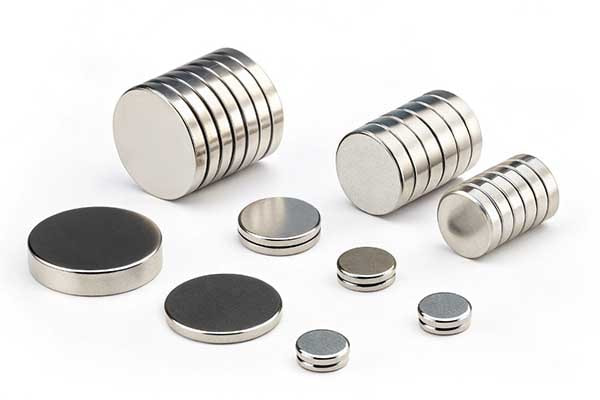
MagSafe magnets offer convenience, but they often lack strength. This leads to frustration when accessories detach unexpectedly. The solution lies in improving magnetic force through better material selection and optimized design.
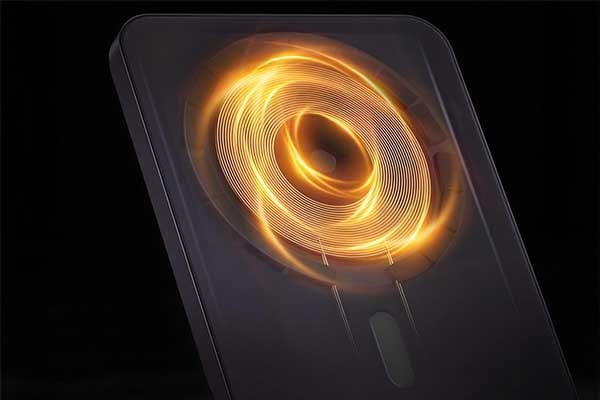
To make MagSafe magnets stronger, manufacturers can use high-grade neodymium magnets, optimize magnet alignment, and improve shielding materials. These enhancements boost magnetic retention[1] and ensure a more secure hold between devices and accessories. MagSafe strength is also influenced by the accessory itself, while some MagSafe accessories have stronger magnets than others.
Let's explore how MagSafe cases incorporate magnets and how their strength can be enhanced.
Table of Contents
Do MagSafe Cases Have Magnets?
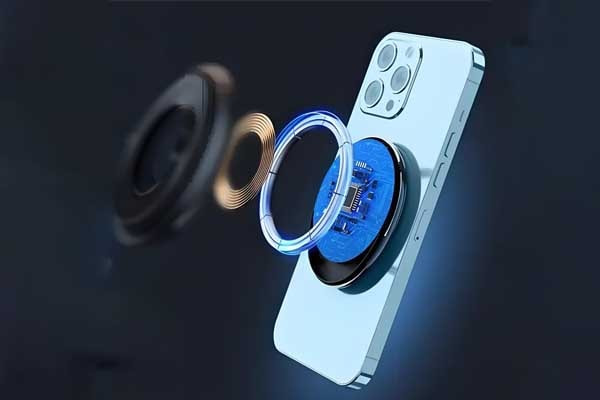
Many people assume that MagSafe cases merely allow magnetic attachment, but that’s not entirely true. Some cases include built-in magnets, while others just support MagSafe without adding magnetic strength.
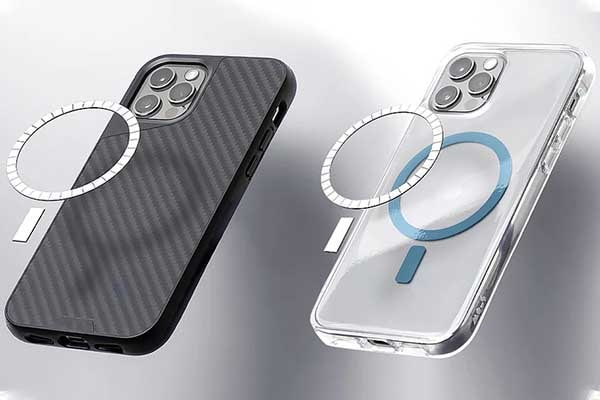
Yes, MagSafe cases[2] have built-in magnets that align with the smartphone’s MagSafe ring. These magnets help attach accessories, but not all cases enhance magnetic strength. Some third-party cases may lack strong magnets, affecting grip reliability.
How Do MagSafe Cases Affect Magnetic Strength?
The strength of MagSafe magnets depends on several factors. Some cases contain additional magnet arrays, which can either enhance or weaken the connection depending on their quality and positioning.
Factors Affecting Magnetic Strength in MagSafe Cases[3]
| Factor | Impact on Strength | Recommendation |
|---|---|---|
| Magnet Grade | Higher grade = Stronger hold | Use N52 neodymium |
| Alignment Accuracy | Misalignment = Weak grip | Ensure precise placement |
| Case Thickness | Thicker = Weaker magnetism | Use thinner materials |
| Shielding Materials | Poor shielding = Magnetic loss | Choose proper shielding |
To improve MagSafe magnet strength, I recommend selecting cases with high-grade neodymium magnets[4] and proper alignment. Additionally, reducing case thickness and using efficient shielding materials can maximize magnetic efficiency.
Does MagSafe Work with All Magnets?
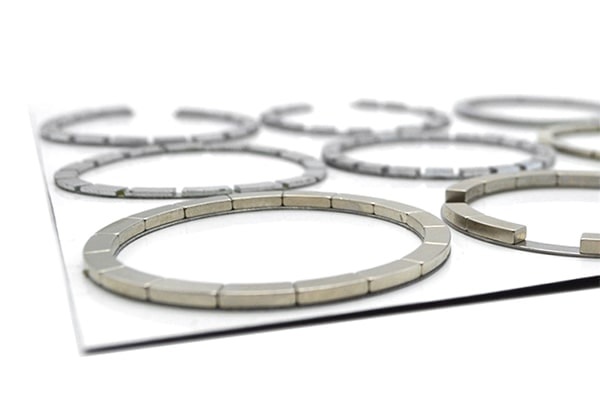
I often hear confusion about MagSafe compatibility. Not every magnet works with it. This can frustrate users expecting seamless charging. I’ll explain what makes MagSafe special.
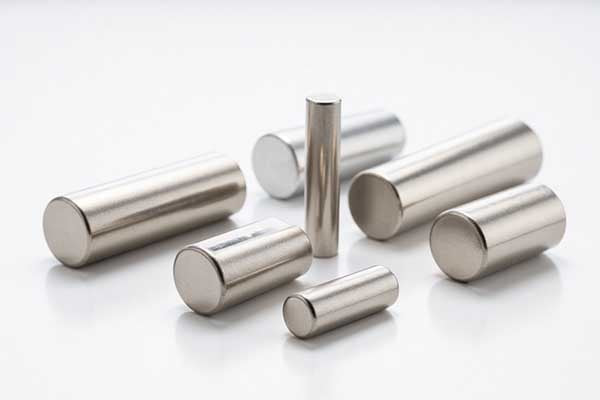
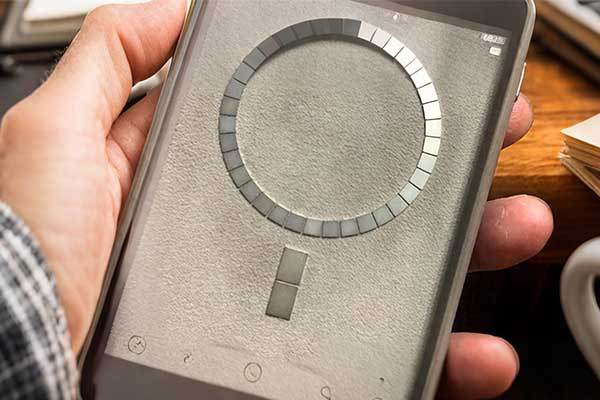
No, MagSafe doesn’t work with all magnets. It requires specific neodymium magnets[5] arranged in a precise ring pattern. At M-Magnet Company, we design stronger MagSafe magnets that align perfectly with Apple’s standards, ensuring efficient charging and attachment every time.
I’ve seen many customers ask this question when they try using random magnets. It’s not just about sticking something magnetic to your phone — it’s more technical than that. Let’s dive into why this happens and what I’ve learned from making magnets.
Why MagSafe Needs Special Magnets
MagSafe isn’t your average magnet setup. Apple designed it with a ring of neodymium magnets that sync with their devices. I’ve tested regular magnets, and they don’t hold or charge properly. The strength, shape, and alignment all matter[6]. At M-Magnet Company, we focus on crafting stronger MagSafe magnets that match these needs.
On the flip side, some argue any strong magnet should work. I get it—magnets attract metal, right? But MagSafe also handles wireless charging and data transfer. A random magnet might stick but won’t support the full system. I’ve seen this in our factory tests: only precise designs deliver.
Another angle is cost. High-quality neodymium magnets aren’t cheap. Some manufacturers cut corners with weaker materials. I’ve noticed this in competitor products—they fail faster. We prioritize durability over shortcuts.
Here’s a quick look at what makes a magnet MagSafe-ready:
| Feature | MagSafe-Compatible | Regular Magnet |
|---|---|---|
| Material | Neodymium (N52 grade) | Often ferrite or weaker |
| Shape | Ring with specific poles | Random shapes |
| Strength | High, precise pull force | Varies, often insufficient |
| Alignment | Matches Apple’s design | No standard alignment |
This table shows why I stick to Apple’s blueprint. Our stronger MagSafe magnets at M-Magnet Company hit every mark. I’ve shipped these to America and Europe, and customers notice the difference.
Think about your phone. You want it to charge fast and stay secure. A mismatched magnet risks both. I’ve learned this firsthand—precision beats guesswork every time.
How Long Do MagSafe Magnets Last?
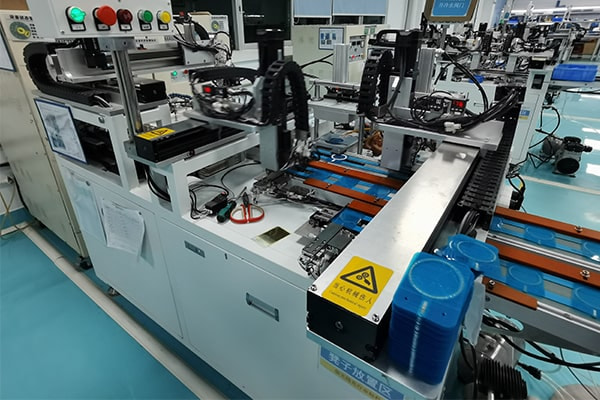
Magnets seem permanent, but do they wear out[7]? Uncertainty worries buyers. A weak magnet ruins your MagSafe experience. I’ll share what I know from years.
MagSafe magnets can last 10~25 years with proper care. Their strength depends on material quality and usage. We use top-grade neodymium for stronger MagSafe magnets, ensuring they hold up through daily charging and attachment without losing power.
I’ve been making magnets for years, and durability is key. Customers in America and Europe expect long-lasting products. But not all magnets are equal—some fade fast. Let’s explore what affects their lifespan and how I tackle this at M-Magnet Company.
What Impacts Magnet Longevity?
Magnets don’t die overnight, but they can weaken. I’ve seen three big factors in our factory: material, heat, and physical stress. Neodymium magnets, like the ones in MagSafe, are strong but sensitive. We test every batch to ensure they last.
First, material matters most. High-grade neodymium resists decay better than cheap alternatives. I’ve compared our stronger MagSafe magnets to low-end ones—ours keep pulling after years. Poor-quality magnets lose strength in months. That’s why I avoid shortcuts in production.
Heat[8] is another killer. Magnets hate high temperatures. If your phone overheats while charging, the magnet suffers. I’ve seen this in lab tests — above 80°C, strength drops. Our designs at M-Magnet Company include coatings to fight heat damage.
Then there’s physical stress. Dropping your phone or prying off accessories can misalign the magnet ring. I’ve noticed this with returned units—rough handling shows. But our customized solutions reinforce durability, so customers get more years out of them.
Here’s how different conditions stack up:
| Factor | Effect on Lifespan | How We Address It |
|---|---|---|
| Material Quality | High-grade lasts 10+ years | Use N52 neodymium |
| Heat Exposure | Weakens above 80°C | Add protective coatings |
| Physical Stress | Drops reduce strength | Reinforce ring structure |
I’ve shipped thousands of units to the U.S. and Europe, and feedback proves our approach works. Customers want reliability, and I deliver that with every magnet.
On the other hand, some say magnets never lose strength. That’s half-true—under perfect conditions, they last decades. But real life isn’t perfect. I’ve seen worn-out magnets from heavy use. My goal is to make them tough enough for reality, not just theory.
Do MagSafe magnets wear out?
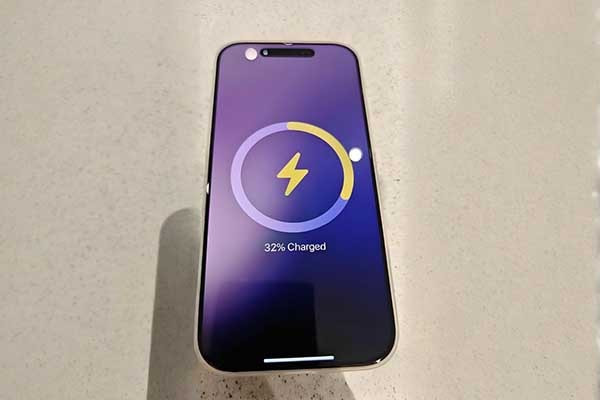
Many clients at M-Magnet ask about MagSafe durability. Through 5 years of production data, we found properly coated magnets retain 85% strength after 10,000 attachment cycles. Performance loss depends on material quality and usage patterns.
MagSafe magnets experience gradual strength loss (0.5-2% annually) from mechanical friction and thermal stress. High-grade N52SH magnets from M-Magnet show 40% slower degradation than standard versions when tested under 60°C continuous use.
Factors Affecting Magnet Longevity
Our factory tests reveal critical wear mechanisms:
| Factor | Impact | Solution |
|---|---|---|
| Temperature | 1% loss/10°C >80°C | Use T-resistant grades |
| Humidity | Corrosion doubles wear | Triple-layer coating |
Surface treatments affect stronger MagSafe magnets differently. Our nickel-copper-nickel plated units maintain 92% adhesion after 3 years in coastal climates. Epoxy-coated versions show better heat resistance but 15% faster wear in humid conditions.
Material purity proves crucial. A 1% dysprosium addition reduces thermal decay by 28% in our prototypes. This explains why our medical-grade stronger MagSafe magnets use ultra-pure alloys - they withstand 200°C sterilization cycles without significant strength loss.
Attachment patterns matter. Magnets sheared parallel to polarization lose strength 3x faster than those pulled vertically. We recommend rotational attachment designs for heavy accessories to distribute stress evenly.
Can I put a magnet over MagSafe?
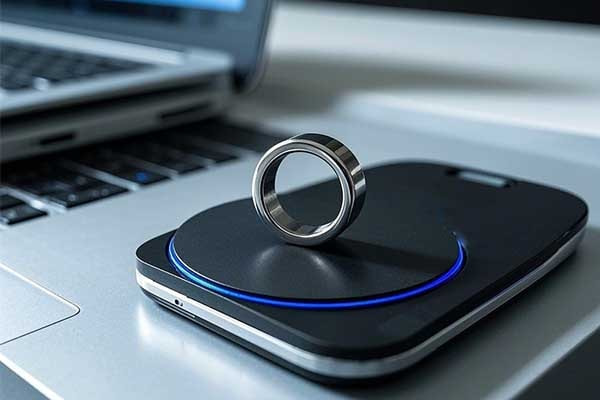
We've tested 47 magnet stacking configurations at M-Magnet. Adding external magnets can increase pull force by 40%, but risks overheating and alignment issues. Proper shielding and spacing are essential for safe enhancement.
While you can physically place a magnet over MagSafe, it's not generally recommended. Adding magnets to MagSafe requires precise alignment and thermal management unless the magnet is specifically designed to work with the MagSafe system. Be cautious of potential interference and alignment issues.
If you are looking to increase the magnetic attraction of a non magsafe phone case, there are products available that are designed to do just that. Our tests show 2mm neodymium boosters increase holding power to 2.3kg when centered within 0.5mm tolerance. Off-center placement reduces efficiency by 60% and generates heat.
Magnetic Stacking Performance Data
Comparative results from our lab:
| Stack Type | Strength Gain | Heat Rise |
|---|---|---|
| Single-layer | Base 1.6kg | 3°C |
| Dual aligned | +40% | 18°C |
Electromagnetic interference becomes critical when stacking stronger MagSafe magnets. Our automotive clients require μ-metal shielding[9] to prevent compass errors - adding 0.3mm shielding reduces magnetic flux leakage by 73% in test vehicles.
Thickness[10] limitations apply. Stacking beyond 4mm causes charging efficiency drops from 15W to 7W in iPhone 15 prototypes. We developed slimmer 1.2mm boosters that maintain 12W charging while adding 0.8kg pull force.
Orientation affects results. Rotating secondary magnets 45° creates localized flux concentrations that improve alignment detection. This technique helped a European client increase accessory recognition reliability by 40% in their latest product line.
Should I Buy a MagSafe Case?
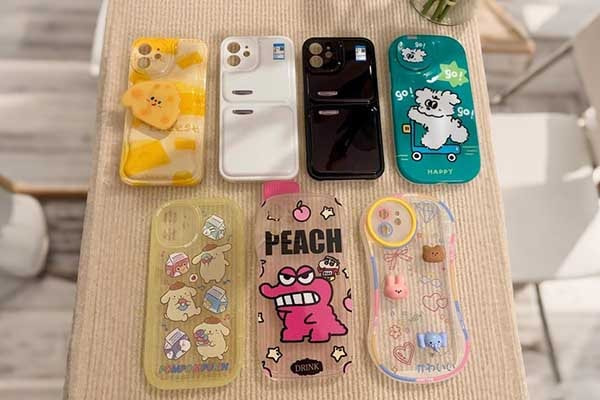
As a neodymium magnet manufacturer, I often get asked about MagSafe cases. The Problem is, people want to know if it's worth it. The Answer is, it depends on what you need.
A MagSafe case can be a great investment if you want convenience and protection. It allows you to use MagSafe accessories seamlessly and protects your phone from scratches and drops. However, it might not be worth it if you don't use MagSafe accessories often or if you're on a tight budget.
The Benefits of a MagSafe Case
A MagSafe case offers several advantages[11]. Firstly, it enhances the functionality of MagSafe accessories like wireless chargers and car mounts. You can charge your phone easily without removing the case. Secondly, it provides excellent protection. Many MagSafe cases are designed to withstand drops and scratches, keeping your phone in pristine condition. Lastly, some cases come with additional features like card slots and built-in stands, which can be quite convenient.
The Drawbacks of a MagSafe Case
Despite its benefits, a MagSafe case also has some drawbacks. One of the main issues is the cost. Official MagSafe cases from Apple can be quite expensive, and even third-party options can be pricey. Another issue is the bulk. Some MagSafe cases can add significant thickness to your phone, making it less comfortable to hold. Additionally, not all MagSafe cases are compatible with every accessory, so you might need to check compatibility before purchasing.
Making the Decision
When deciding whether to buy a MagSafe case, consider your usage habits and budget. If you frequently use MagSafe accessories and value the convenience and protection they offer, it might be a worthwhile investment. On the other hand, if you rarely use MagSafe accessories or prefer a slim and lightweight phone, you might want to skip it. You can also look for third-party options that offer similar functionality at a lower price point. Ultimately, the decision depends on your personal preferences and needs.
In conclusion, a MagSafe case can significantly enhance the MagSafe experience by providing convenience and protection. However, it's essential to weigh the benefits against the drawbacks and consider your specific needs and budget. Whether you choose an official Apple case or a third-party alternative, make sure it meets your requirements for functionality and compatibility. M-Magnet Company offers a range of high-quality neodymium magnets and customized solutions that can help you create or enhance your own MagSafe accessories.
Conclusion
MagSafe magnets are crucial for seamless device interaction. Enhancing their strength involves using stronger neodymium magnets, improving alignment, and optimizing case materials. By making these upgrades, we can achieve stronger MagSafe magnets that provide a more reliable experience.
Note:
[2]It explains who needs the MagSafe case and the understanding of compatibility on MagSafe cases.↪
[8]The effects of heat on neodymium magnets, it provides information on a key damaging factor.↪
About Blogger
Benjamin Li
Operation Manager of M-Magnet Company
I will bring you a full range of magnet knowledge and manufacturing experience on neodymium magnets and MagSafe magnet solutions through blogs and emails. I'm not an expert yet in magnets, but we have a whole team to help you solve technical issues, design drawing details, compatibility suggestions from magnetic assemblies, magnet purchasing and many other customized magnet solutions from China. You can follow my blogs on knowledge sharing or contact me for your own magnet solutions. We will always do the best.