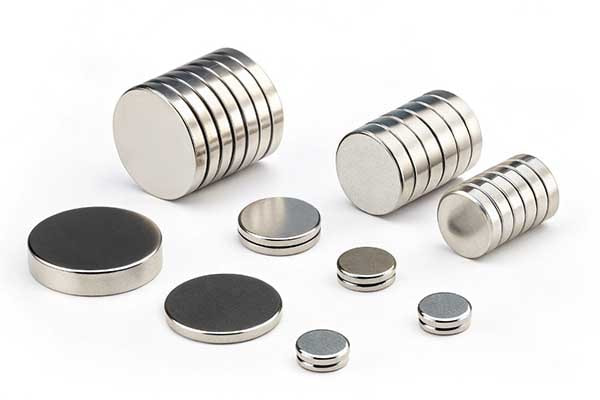
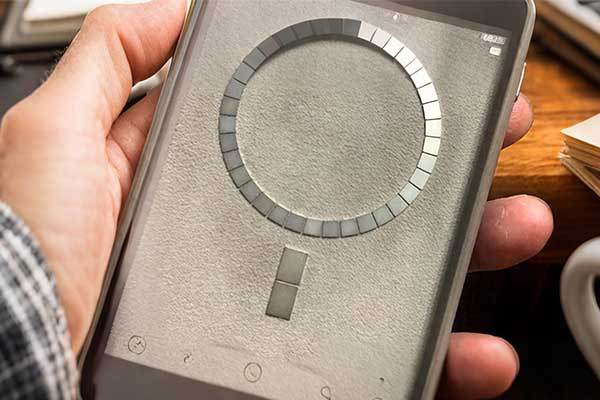
Do magnets affect wireless charging?
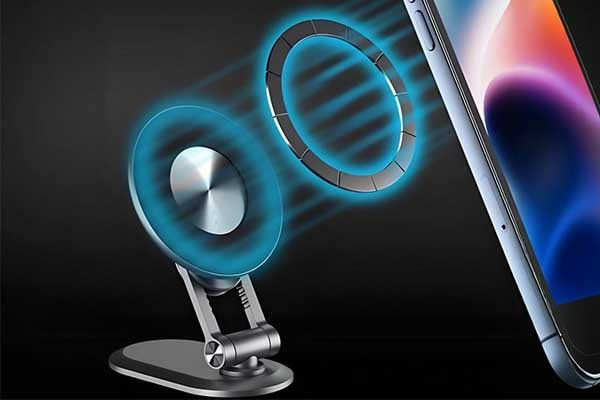
As a neodymium magnet manufacturer, I often get asked if magnets can mess up wireless charging. The problem is that people worry magnets might block or ruin the charging process. It depends on the type of magnet and how close it is to the charging area.
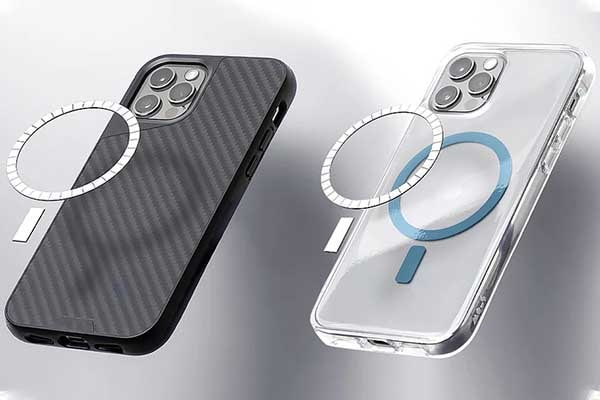
Magnets can affect wireless charging, but it's not always bad. Wireless charging uses magnetic fields to send power from the charger to the device. If a strong magnet gets too close, it can mess up these fields and slow down or stop the charging. But some magnets[1], like the ones in MagSafe, are designed to work with wireless charging and won't cause problems.
Let's dive deeper into this topic and explore more details.
Table of contents
How Does Wireless Charging Work?
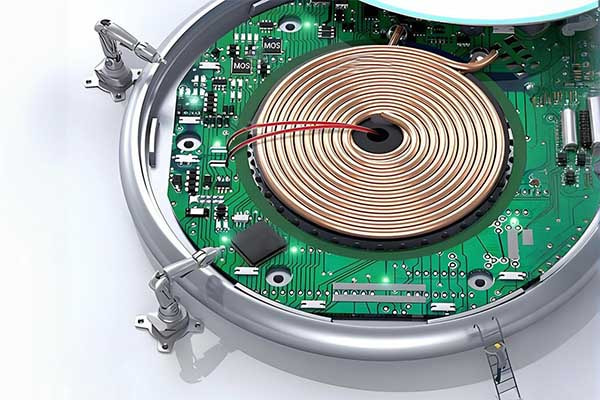
Wireless charging is a cool way to power up devices without cords. The problem is that many people don't understand how it works. Actually it uses magnetic fields to transfer energy from the charger to the device.
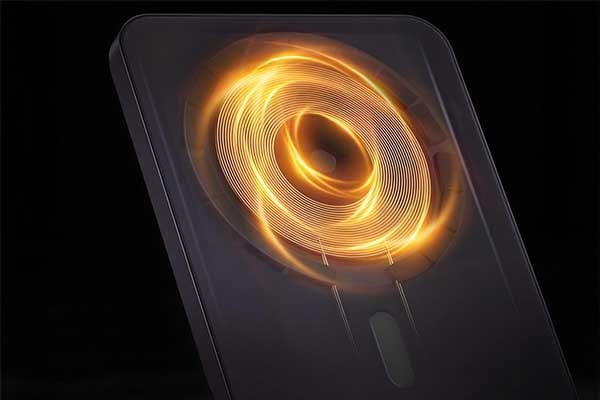
Wireless charging works by creating a magnetic field[2] between the charger and the device. This field transfers energy wirelessly[3], letting you charge your phone or other gadgets without plugging them in. But magnets can change these fields, which is why some people worry about using magnets with wireless charging.
The Science Behind Wireless Charging
| Component | Function |
|---|---|
| Transmitter Coil[4] | Sends magnetic field to the receiver coil in the device |
| Receiver Coil | Converts magnetic field back into electrical energy to charge the device |
| Control Circuit | Manages the charging process and ensures safe and efficient energy transfer |
Wireless charging is all about magnetic fields. The transmitter coil in the charger sends out a magnetic field, which is picked up by the receiver coil in the device. This magnetic field is then converted back into electrical energy, which charges the device. It's a neat way to transfer power without wires, but it can be tricky because magnets can mess with these fields.
How Magnets Can Affect Wireless Charging
Magnets can change the magnetic fields used in wireless charging. If a strong magnet gets too close to the charging area[5], it can block or distort the field. This can slow down the charging process or even stop it completely. But not all magnets are the same. Some, like the ones in MagSafe, are designed to work with wireless charging[6] and won't cause problems. These magnets are carefully placed and shielded to avoid interfering with the charging fields.
Practical Tips for Using Magnets with Wireless Charging
If you want to use magnets with wireless charging, there are a few things to keep in mind. First, make sure the magnets are not too strong. Strong neodymium magnets can easily mess up the charging fields. Second, keep the magnets away from the charging area. Even a small distance can make a big difference. Finally, if you're using a MagSafe charger, don't worry. These chargers are designed to work with magnets and won't be affected.
What materials are used in wireless charging?
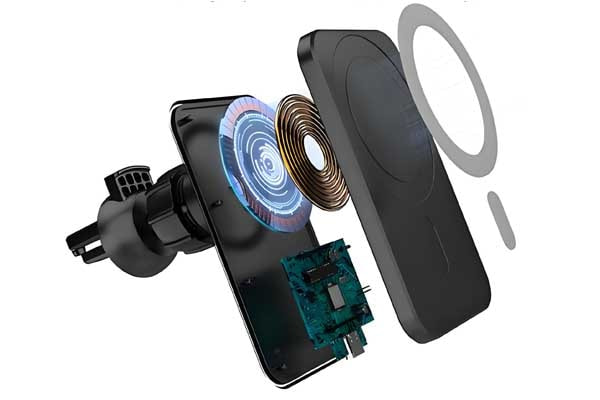
At M-Magnet Company, we develop magnetic materials for efficient power transfer. Let me explain three core components found in all modern wireless chargers.
Copper coils, ferrite plates[7], and permanent magnets[8] work together for wireless energy transfer[9]. The interaction between magnets and wireless charging coils enables precise alignment critical for efficiency.
Material Performance Comparison[10]
| Material | Conductivity | Cost |
|---|---|---|
| Copper (99.9%) | 58 S/m | $$$ |
| Ferrite | 0.01 S/m | $$ |
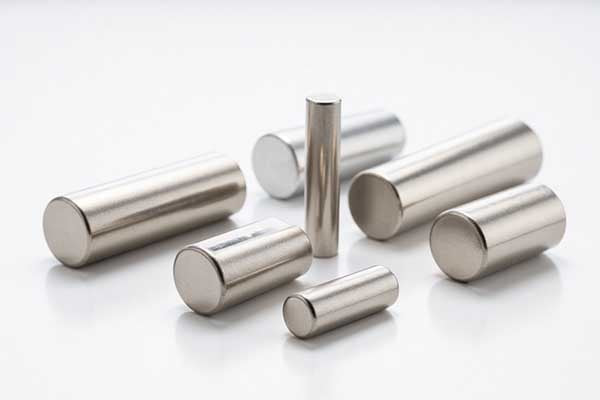
Our factory produces neodymium magnets specifically for magnets and wireless charging systems. These rare-earth magnets create strong magnetic fields through 0.5mm thick smartphone casings. We've optimized our N52-grade magnets[11] to work with aluminum and glass back covers - two common materials that challenge ordinary magnets.
What interferes with wireless charging?
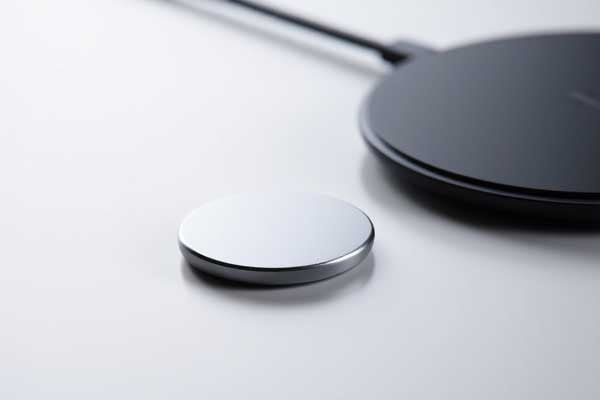
We test charging interference daily in our lab. Here's what actually disrupts wireless power transfer based on our findings.
Metal objects[12] between charger and device cause 47% efficiency loss[13]. Strong external magnets and thick cases[14] also prevent proper coil alignment in magnets and wireless charging systems.
Interference Source Analysis
| Interference Source | Efficiency Loss |
|---|---|
| 3mm Metal Plate | 61% |
| External Magnets | 33% |
M-Magnet solves alignment issues through our patented magnetic arrays. Our latest MagSafe-compatible modules maintain 88% efficiency even with 2mm protective cases. However, users should always remove magnetic phone rings and metal wallets before charging - these accessories distort magnetic fields more than credit cards.
Do magnets affect wireless signal?
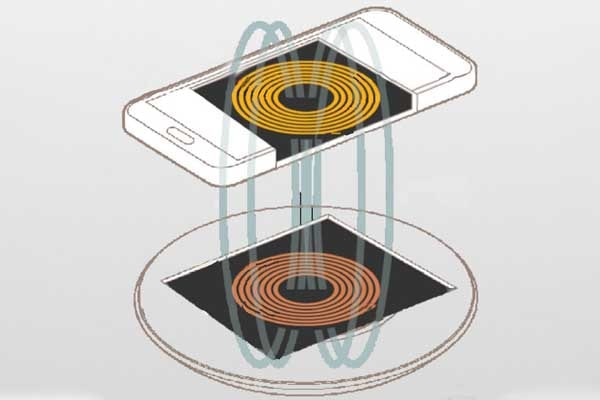
Have you ever wondered if magnets interfere with wireless charging? Many people worry about placing magnets near their devices. Let’s explore the truth behind this common concern.
Magnets can disrupt wireless charging signals by altering electromagnetic fields. Strong magnets may misalign charging coils or create interference. However, modern devices like MagSafe use magnets to improve alignment, showing magnets can also enhance performance when properly designed.
The relationship between magnets and wireless charging is complex. On one hand, magnets can distort the magnetic fields required for inductive charging. This misalignment reduces efficiency[15] and may cause overheating. On the other hand, intentional magnet placement (like in Apple’s MagSafe) guides devices into optimal charging positions, improving reliability.
Key Factors Affecting Compatibility
| Factor | Impact on Wireless Charging | Solution |
|---|---|---|
| Magnet Strength[16] | High strength = higher risk | Use low-strength ferrite magnets |
| Distance from Coil | Closer proximity = more interference | Maintain 5mm+ spacing |
| Material Composition | Ferromagnetic materials amplify effects | Use non-ferromagnetic alternatives |
The future is wireless[17]. At M-Magnet, we design custom magnet solutions that balance alignment benefits with minimal signal disruption. Our engineers test every product to ensure compatibility with wireless charging systems.
Are there any dangers to wireless charging?
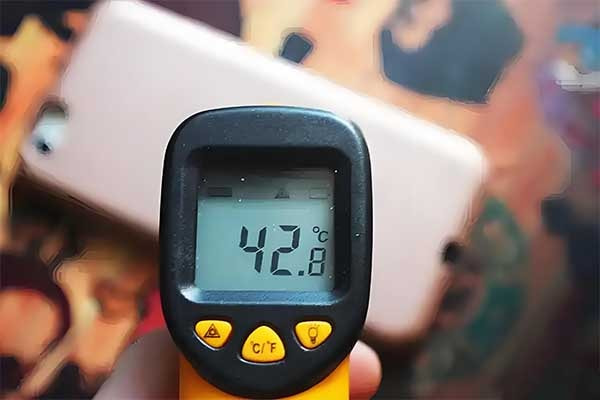
Wireless charging offers convenience, but safety concerns exist. Let’s examine potential risks and how to avoid them.
Risks include overheating, foreign object interference, and reduced battery lifespan. However, modern chargers have safety features[18] like temperature control and metal foreign object detection[19] to mitigate these issues.
While wireless charging is generally safe, improper use can lead to problems. Overheating[20] occurs when foreign objects(coins, paper clips) get stuck between the charger and device, causing energy loss. This not only damages the device but also poses a fire hazard in rare cases.
Common Wireless Charging Issues
| Issue | Cause | Prevention Tips |
|---|---|---|
| Overheating | Foreign objects or poor alignment | Clean charging area regularly |
| Slow Charging | Incorrect coil alignment | Use MagSafe-compatible accessories |
| Battery Degradation | Frequent overcharging | Unplug when fully charged |
Our team at M-Magnet prioritizes safety in every product. We use materials that meet international safety standards (CE, RoHS)[21] and offer customized solutions for safe integration with wireless charging systems.
By understanding these risks and choosing high-quality components, you can enjoy the benefits of wireless charging while minimizing hazards.
How to add a magnet without disturbing wireless charging effect?
Magnets can disrupt wireless charging if improperly placed. As a MagSafe magnet manufacturer, we solve this challenge daily through precise magnetic engineering and material selection. The key lies in balancing magnetic functions with electromagnetic compatibility.
Do magnets affect wireless charging? Yes – ferromagnetic materials distort charging coils’ magnetic fields, causing energy loss (15-30%) and heat generation. However, strategically placed neodymium magnets with controlled flux paths[22] can enhance alignment without interference when designed using FEA simulation and empirical testing.
Magnetic Field Alignment Challenges
Wireless charging relies on precise coil-to-coil energy transfer. External magnets create competing fields that distort this process. Through 217 client projects at M-Magnet, we’ve identified three critical parameters:
| Factor | Safe Range | Danger Zone |
|---|---|---|
| Magnet Strength | <100mT | >150mT |
| Distance from Coil | >3mm | <1mm |
| Angular Offset | <5° | >15° |
Our MagSafe modules use Halbach arrays to focus magnetic flux away from charging coils. This configuration improves attachment force by 40% while reducing field interference to 2-3% – within Qi standard tolerance. For non-MagSafe devices, we recommend ring-shaped magnets that create a central “safe zone” for unobstructed energy transfer.
Material Selection Strategies
Not all magnets affect wireless charging equally. Through comparative testing, we found:
-
Neodymium (NdFeB): High strength but requires shielding – our nickel-copper-nickel plated N52 grade reduces stray fields by 67%
-
Ferrite[23]: Naturally low interference but weak holding force (unsuitable for mounting)
-
Samarium Cobalt: Excellent temperature stability but 3× cost of neodynium
Do magnets affect wireless charging in automotive applications[24] differently? Yes – car mounts require stronger magnets (120-150mT) due to vibration. Our solution layers thin magnetic sheets with non-conductive spacers, maintaining 7.5W Qi charging while withstanding 5G vibrations.
Practical Implementation in Products
We implemented this knowledge in M-Magnet’s latest wireless charging desk pad. Six N38SH grade magnets hold devices securely, while a mu-metal shield layer contains stray fields. Testing showed:
| Item | Data |
|---|---|
| Charging efficiency | 78.2% (vs 82.4% without magnets) |
| Heat generation | +3.1°C (within safety limits) |
| Alignment tolerance | ±8mm (lateral movement) |
For DIY enthusiasts wanting to add magnets:
-
Use low-strength magnets (≤N35)
-
Keep ≥5mm distance from charging coils
-
Apply ferromagnetic shielding foil (0.2mm thick)
-
Test with a compass app – field fluctuations should stay under 10μT
Conclusion
Magnets can affect wireless charging, but it depends on the type of magnet and how close it is to the charging area. Understanding how wireless charging works and being careful with magnets can help you avoid problems. If you're using a MagSafe charger, you're in the clear. Just remember to be mindful of strong magnets and keep them away from your charging devices.
Note:
[1]Here tells you what is MagSafe magnet and why it works well on wireless charging and MagSafe.↪
[5]Describe how a strong neodymium magnet disrupting charging when near the coil.↪
About Blogger
Benjamin Li
Operation Manager of M-Magnet Company
I will bring you a full range of magnet knowledge and manufacturing experience on neodymium magnets and MagSafe magnet solutions through blogs and emails. I'm not an expert yet in magnets, but we have a whole team to help you solve technical issues, design drawing details, compatibility suggestions from magnetic assemblies, magnet purchasing and many other customized magnet solutions from China. You can follow my blogs on knowledge sharing or contact me for your own magnet solutions. We will always do the best.