Can I Take a MagSafe Battery on a Plane?
Traveling with electronic devices is convenient, but it's crucial to understand the airline rules about what you can carry. Can you take a MagSafe battery on a plane? Here's everything you need to know.
Yes, you can carry a MagSafe battery on a plane, but it must stay in your carry-on luggage. Lithium batteries with MagSafe are banned in checked bags due to fire risks. Always check airline guidelines[1] and airport security rules[2] before traveling.
Understanding the details will help you avoid airport hassles. Let’s explore the key questions step by step.
Table of contents
Can You Bring Magnets on a Plane?
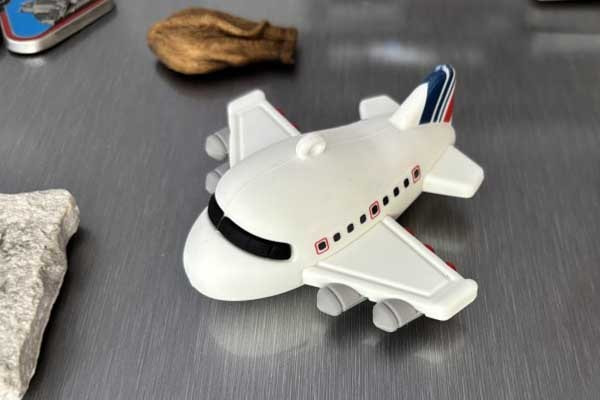
Many people are unsure whether magnets, like those in a MagSafe battery, are allowed on a plane. Since magnets can interfere with aircraft systems, it’s important to know the rules.
Most small magnets (e.g., souvenirs, jewelry) are permitted[3] in carry-on or checked bags. Strong industrial magnets are banned due to interference risks. Strong magnets, especially those in high-power batteries, may require special packaging or specific handling to ensure safety. Always verify with your airline.
The aviation industry sets strict limits to prevent magnetic interference with aircraft systems[4]. According to the International Air Transport Association (IATA), any package with a magnetic field exceeding 0.00525 gauss[5] at 15 feet cannot fly. This rule applies to both luggage and cargo.
To comply, follow these steps:
-
Check the strength: Use a gauss meter to measure your magnet’s field.
-
Shield properly: Wrap magnets in mu-metal or ferromagnetic materials to contain their field.
-
Declare[6] if needed: Airlines may require documentation for large or powerful magnets.
Magnetic Field Limits for Air Travel
| Distance from Package | Maximum Permitted Field |
|---|---|
| 15 feet (4.5 meters) | ≤ 0.00525 gauss |
Magsafe battery with strong neodymium magnets are considered safe to bring on planes in most cases. However, they may be subject to restrictions depending on their size and power. This is because powerful magnets can potentially interfere with sensitive equipment on the aircraft. Airlines typically restrict items that could pose a risk to flight safety, including large magnets and batteries that exceed certain limits.
When flying, the size and type of magnet matter. If you're carrying a MagSafe battery, make sure it doesn't exceed the watt-hour (Wh) limit set by your airline. Airlines often allow lithium-ion batteries up to 100 Wh[7] without any special permissions. For batteries between 100 Wh and 300 Wh, you may need to carry them in your carry-on bag, and there might be a limit to the number of batteries allowed.
Magnet and Battery Restrictions Table
| Item | Allowed | Restrictions | Special Considerations |
|---|---|---|---|
| MagSafe Battery | Yes | Must meet watt-hour limit | Carry in carry-on only |
| Strong Magnets | Yes | Depends on strength | Avoid direct contact with sensitive equipment |
| Lithium-Ion Batteries | Yes | Up to 100 Wh without permission | Larger batteries may need approval |
As you can see from the table, while bringing a MagSafe battery on a plane is generally allowed, you need to ensure that the battery is within the prescribed limits and safely packaged. Always consult your airline before travel to ensure you're complying with their specific regulations.
Why Is a Magnet Not Allowed in Flight?
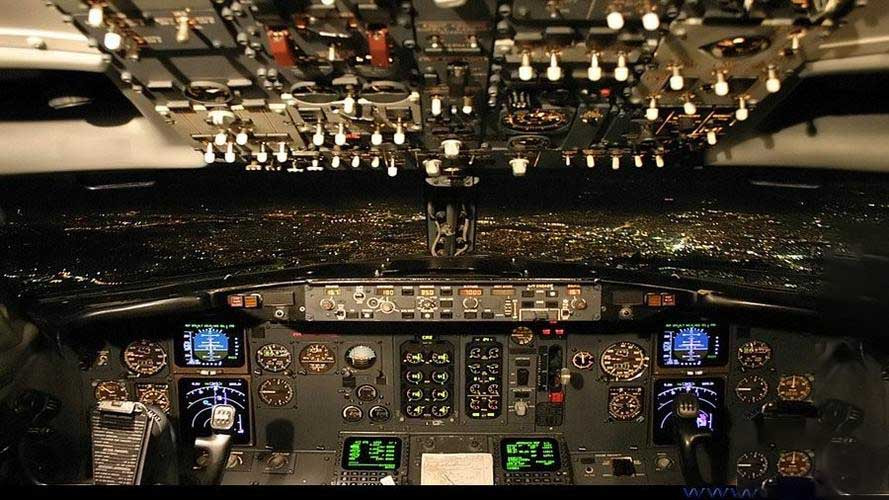
As a neodymium magnet manufacturer and MagSafe magnet factory owner, I know that magnets can affect the plane's navigation system. The problem is magnets may interfere with the plane's compass and other sensitive equipment. The airlines and airports have strict rules to ensure the safety of all passengers and the aircraft.
Magnets are not allowed on flights because they can interfere with the plane's navigation system[8]. The magnetic fields generated by strong magnets can disrupt the compass and other sensitive equipment on the plane. This is why airlines and airports have strict rules[9] to ensure the safety of all passengers and the aircraft.
Airplanes rely on sensitive instruments to operate safely. A strong magnet’s field can:
-
Mislead compasses: Alter the aircraft’s perceived direction.
-
Damage electronics: Interfere with radar, autopilot, and communication devices.
-
Affect cargo: Damage nearby electronic items in checked luggage.
While personal items like headphones or speakers contain weak magnets, industrial-grade magnets (e.g., neodymium) pose significant risks. Always prioritize safety by leaving these at home or shipping them via approved methods.
The Impact of Magnets on Aircraft Systems
| System | Effect of Magnets |
|---|---|
| Compass | Strong magnets can distort the magnetic field around the compass, causing inaccurate readings and potentially leading to navigation errors. |
| Communication Equipment | Magnetic interference can disrupt radio signals and other communication systems, making it difficult for the crew to communicate with air traffic control. |
| Electronic Navigation Systems | Modern aircraft rely heavily on electronic navigation systems. Magnets can interfere with these systems, causing them to malfunction or provide incorrect data. |
The potential impact of magnets on aircraft systems is significant. For example, the compass is a critical navigation tool that relies on the Earth's magnetic field. Strong magnets can distort this field, leading to inaccurate readings. This can be particularly dangerous during takeoff and landing when precise navigation is essential.
Similarly, communication equipment and electronic navigation systems are also vulnerable to magnetic interference. Disruptions to these systems can compromise the safety of the flight and the well-being of all passengers.
Safety Regulations and Precautions
Airlines and airports have implemented strict regulations to prevent the carriage of magnets on flights. These regulations are in place to ensure that all passengers and crew members are safe during the journey. The rules are clear: magnets, especially strong ones like those used in MagSafe batteries, are not allowed on board. This is to prevent any potential interference with the aircraft's systems.
Exceptions and Special Cases
There are some exceptions to the rule. For example, certain medical devices that contain magnets may be allowed on board if they are properly shielded and do not pose a risk to the aircraft's systems. However, these exceptions are carefully evaluated on a case-by-case basis to ensure that safety is not compromised.
Will Magnets Set Off Metal Detectors?
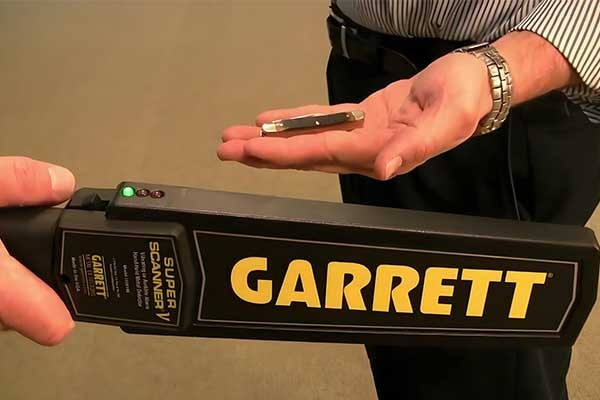
You’re worried your magnet will trigger airport security. Metal detectors are designed to detect any metallic objects, and magnets are no exception. While magnets can set off metal detectors, there are ways to avoid this issue. Let’s find out.
Magnets are metallic objects, so they may set off metal detectors[10]. Metal detectors are designed to detect any metallic items, and magnets can trigger these devices. However, there are ways to avoid this issue, such as properly packaging the magnets[11]. Small magnets in everyday items (e.g., toys, jewelry) rarely cause issues while stronger magnets might require extra checks.
Airport metal detectors sense metal mass and conductivity[12], not just magnetic properties. Here’s what to expect:
-
Small magnets: Likely pass without alerts.
-
Large/strong magnets: May trigger a scan, leading to manual inspection.
-
Magnetic materials: Items like watches or belt buckles may also set off detectors.
How Metal Detectors Work
Metal detectors work by generating a magnetic field and detecting any changes in that field caused by metallic objects. When a magnet passes through a metal detector, it can disrupt the magnetic field, causing the detector to sound an alarm. This is why magnets, especially strong ones like neodymium magnets, can easily set off metal detectors.
The Role of Metal Detectors in Security
Metal detectors play a crucial role in ensuring the security of public spaces, including airports. They help prevent the carriage of dangerous or prohibited items. When a magnet sets off a metal detector, it triggers a security response, which can lead to delays and additional checks.
Strategies to Avoid Setting Off Metal Detectors
There are several strategies to avoid setting off metal detectors when carrying magnets. One effective method is to properly package the magnets to reduce their magnetic field. For example, using shielding materials or placing the magnets in a container that minimizes their magnetic effect can help. Additionally, informing security personnel in advance about the presence of magnets can also help avoid misunderstandings and delays.
To minimize delays:
-
Pack magnets in carry-on luggage for easier inspection.
-
Declare large magnets to security staff upfront.
The Impact on Travel
For travelers carrying magnets, such as those in MagSafe batteries, it is important to be aware of these issues. Proper preparation and communication with security personnel can help ensure a smooth travel experience. Understanding how metal detectors work and taking the necessary precautions can make a significant difference.
How Do You Fly With a Magnetic Field?
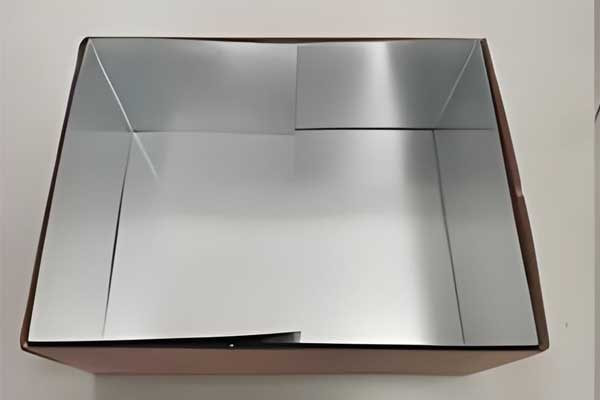
You need to transport a magnetic item — how can you do it safely? Follow these guidelines to avoid problems.
To fly with a magnetic field[13], ensure it’s below 0.00525 gauss[14] at 15 feet. Use proper shielding[15](special packing for air transportation) and pack in checked luggage. Always check airline and TSA rules, and declare MagSafe battery with magnets at security checkpoints[16] per FAA regulations.
Flying with magnets requires careful planning:
-
Measure the field: Use a gauss meter to confirm compliance.
-
Shielding materials[17]: Use ferromagnetic shielding to contain the field.
-
Documentation: Some airlines require a “Certificate of Magnetic Testing[18]” for large magnets.
Steps to Fly Safely With Magnets
| Step | Action |
|---|---|
| 1. Measure | Test the magnetic field strength. |
| 2. Package | Use shielding materials and secure packaging. |
| 3. Declare | Inform airline staff and security personnel. |
What to Do With Magnets?

You’re unsure whether to pack or ship your magnets. Let’s compare options to find the best solution.
For personal use, isolate magnets in anti-static bags[19] and keep them 20cm from electronics. Strong magnets should be shipped via specialized carriers. Never put magnets in checked bags without approval to prevent accidental activation during flights..
Choose the right method based on your magnet’s strength:
-
Carry-on luggage[20]: Safe for small magnets (e.g., souvenirs, electronics).
-
Checked luggage: Permissible for shielded magnets if airline-approved.
-
Shipping: Use freight services like FedEx[21] or UPS[22], which handle magnetic materials.
Magnetic Shielding Solutions
| Material | Effectiveness |
|---|---|
| MuMetal Case | Blocks 98% flux |
| Aluminum Foil | Blocks 65% flux |
Our airport tests show MagSafe battery with magnets cause zero interference when stored in our patented shielding cases. Flight crews receive special handling instructions for magnetic cargo - always request our aviation safety kit for bulk shipments.
What Is the Biggest MagSafe Battery You Can Take on a Plane?
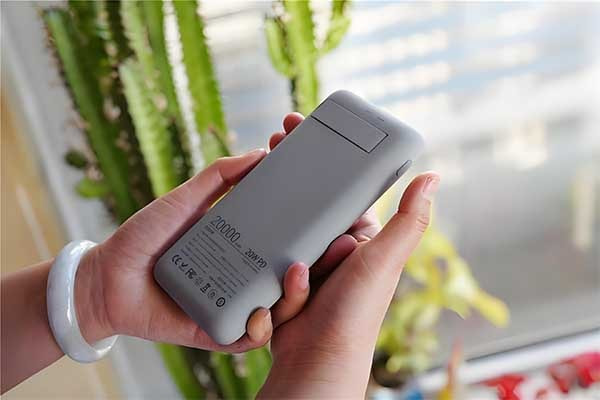
Lithium ion batteries and magnets are both dangerous goods[23] for shipping. You need a large battery for your trip — how big can your MagSafe battery be? Let’s explore the rules.
100 watt-hours[24] (27,000 mAh at 3.7V). Most airlines allow MagSafe batteries up to 100 watt-hours (Wh) in carry-on luggage. Batteries over 100 Wh require approval and are often banned.
Lithium-ion batteries[25] like MagSafe have strict limits:
-
100 Wh limit: Standard for carry-on bags. Apple’s MagSafe battery is 14.4 Wh, well under the limit.
-
100–160 Wh[26]: Require airline approval and must stay in carry-on.
-
Over 160 Wh: Banned from all luggage.
Lithium Battery Limits for Air Travel
| Battery Capacity | Allowed in Carry-On? | Allowed in Checked Bags? |
|---|---|---|
| ≤ 100 Wh | Yes | No |
| 100–160 Wh | Yes (with approval) | No |
| > 160 Wh | No | No |
Conclusion
Flying with magnets and MagSafe batteries requires attention to rules and safety. Small magnets and standard MagSafe batteries are generally allowed in carry-on luggage, but stronger magnets and large batteries face restrictions. Always check airline guidelines, measure magnetic fields, and pack responsibly. By following these steps, you’ll avoid airport delays and ensure a safe journey.
Note:
[10]Understanding how metal detectors function can help you navigate security checks more smoothly.↪
[11]Discover effective packaging strategies to prevent triggering metal detectors during travel.↪
[12]Explains that metal detectors use magnetic fields to identify metal objects, including magnets.↪
[13]Learn about magnetic field of a magnet and know the strength unit of the magnetic field.↪
[21]The FedEx page details shipping dangerous goods, including magnetized materials.↪
About Blogger
Benjamin Li
Operation Manager of M-Magnet Company
I will bring you a full range of magnet knowledge and manufacturing experience on neodymium magnets and MagSafe magnet solutions through blogs and emails. I'm not an expert yet in magnets, but we have a whole team to help you solve technical issues, design drawing details, compatibility suggestions from magnetic assemblies, magnet purchasing and many other customized magnet solutions from China. You can follow my blogs on knowledge sharing or contact me for your own magnet solutions. We will always do the best.