Magnets, especially permanent ones, are vital in various industries and applications. But a common question arises: Do magnets go bad over time? In this article, we will explore the factors that influence the lifespan of magnets and how to maintain their strength.
Magnets can go bad or weaken over time due to environmental factors like heat, corrosion, or physical impact. However, permanent magnets typically retain their magnetism for decades if handled properly.
Are you wondering how long a magnet can stay strong? Read on to discover the lifespan of magnets and how to maintain their power over time.
Table of Contents
How long will a magnet last?

Magnets can last for decades or even longer if they are used under optimal conditions. However, various factors like heat, pressure, and corrosion can reduce their lifespan.
Most high-quality magnets, like neodymium magnets, can last for a lifetime when used correctly. However, factors such as high temperatures or physical damage can shorten their lifespan[1].
Magnets do not necessarily lose their strength quickly, but their durability depends on how they are used and stored. Let’s explore what affects a magnet’s longevity.
Factors Affecting a Magnet’s Lifespan
| Factor | Effect on Magnet |
|---|---|
| Temperature | High heat can demagnetize a magnet. Neodymium magnets, for instance, lose strength above 80°C. |
| Corrosion | Rust or oxidation can reduce the effectiveness of magnets. |
| Impact or Shock | Dropping or hitting a magnet can cause it to lose strength. |
| External Magnetic Fields | Strong external fields can alter a magnet’s orientation and weaken it. |
By avoiding high temperatures and keeping magnets free from physical damage, you can maximize their lifespan.
What is a permanent magnet?
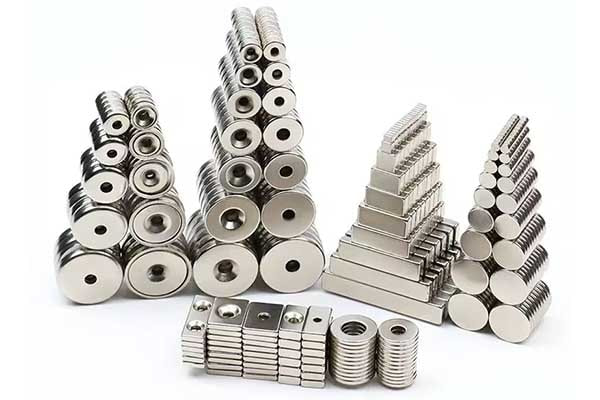
Permanent magnets are materials that retain their magnetic properties without the need for external energy. Unlike temporary magnets, they don’t require electricity or constant magnetizing to maintain their strength.
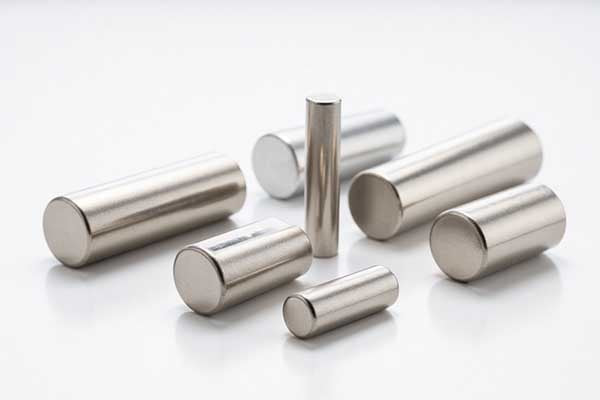
Permanent magnets maintain their magnetic strength[2] for long periods, unlike temporary magnets, which only magnetize under certain conditions.
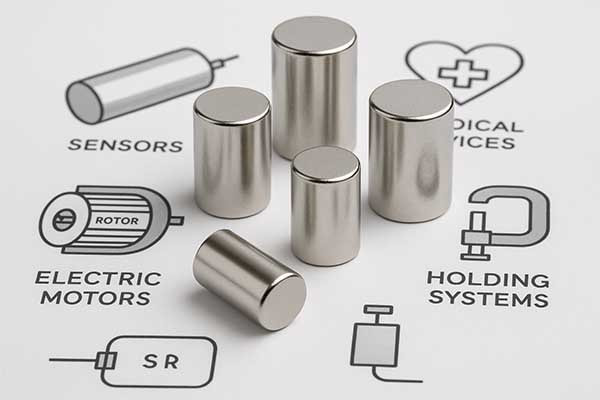
Permanent magnets[3] are often used in motors, electronics, and even household appliances. Let’s take a deeper look at how they work.
How Permanent Magnets Work
Permanent magnets are typically made from metals like iron, cobalt, and nickel. These materials have a special arrangement of atoms that causes them to become magnetized. Once magnetized, their atoms remain aligned in the same direction, keeping the magnetic field intact for a long time.
| Material | Magnetic Strength |
|---|---|
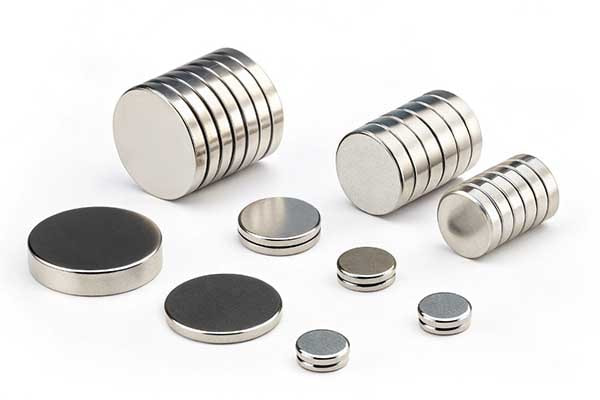
| Neodymium[4] | Very strong and ideal for small applications. |
| Samarium-Cobalt | Less prone to corrosion, good for high temperatures. |
| Alnico | High resistance to demagnetization. |
Permanent magnets are made to last, but they can still weaken under certain conditions, which is why it’s important to know how to maintain their strength.
How do you know if a magnet is permanent?

Permanent magnets are easy to recognize by their ability to retain magnetism over time without the need for power. Unlike electromagnets, they don’t require a current to stay magnetized.
The question is simple: permanent magnets do not lose their magnetism easily, if you find that a magnet retains its power even after years of use, it is likely permanent. A permanent magnet can be used between -40°C and 150°C.
So, how do you test if a magnet is permanent? Let’s dive into the tests you can perform to determine its type.
Testing a Magnet’s Permanence
There are a few simple ways to determine if a magnet is permanent:
-
Drop Test[5]: If a magnet is knocked and still retains its power, it’s likely a permanent magnet.
-
Storage Test[6]: A permanent magnet will continue to work if stored properly, while a temporary magnet will lose its strength after being taken out of a magnetic field.
Testing a magnet’s permanence can help ensure you’re using the right type for your needs.
Can a magnet turn on and off?
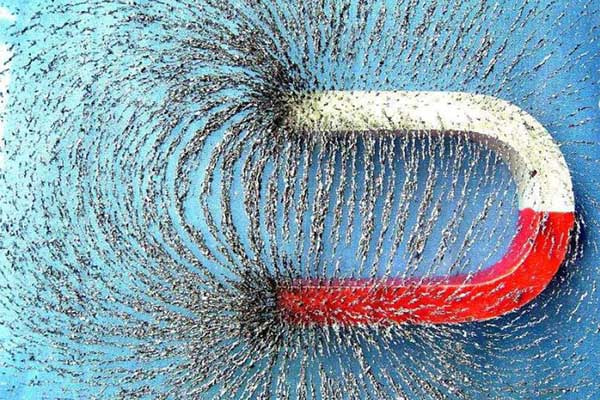
Magnets themselves cannot be turned on or off, but you can manipulate a material’s magnetic properties by applying external energy. Electromagnets[7] are designed to have this property, but permanent magnets cannot be switched on or off.
Permanent magnets cannot be turned on and off. However, electromagnets, which require an electric current, can be switched on or off.
While permanent magnets always have a magnetic field, electromagnets give you the flexibility to control the magnetic force. Let’s understand the difference in more detail.
Understanding Electromagnets vs. Permanent Magnets
| Magnet Type | Magnetic Control |
|---|---|
| Permanent Magnet | Always has a magnetic field, cannot be turned off. |
| Electromagnet | Magnetic field can be controlled by turning the electric current on or off. |
For applications where you need to control magnetism, electromagnets are a better choice than permanent magnets.
How do you restore the strength of a magnet?
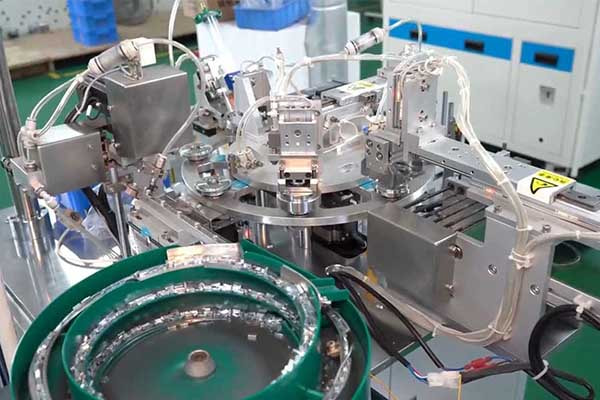
Restoring the strength of a magnet can be challenging, but there are a few methods you can try. In many cases, if a magnet has lost its strength due to physical damage or excessive heat, it may be difficult to restore it to its original power.
While it is tough to restore a magnet’s full strength, you can attempt methods like re-magnetizing or using external magnetic fields to improve its performance.
If you have a weak magnet, it’s not the end of its usefulness. Let’s explore some possible ways to bring back its strength.
Methods for Restoring Magnet Strength
-
Re-magnetization[8]: By placing a magnet near a stronger one or in a coil of wire, you can sometimes restore its magnetic strength.
-
Using a Strong Magnetic Field[9]: Exposure to a strong magnetic field can sometimes realign the magnet’s atoms and restore some of its original power.
-
Temperature Method[10]: Gradually heating and cooling the magnet can sometimes improve its strength if it hasn’t been permanently damaged.
If these methods don’t work, it may be time to consider replacing the magnet. Fortunately, if you need high-quality magnets for your projects, our M-Magnet Company offers durable neodymium magnets that maintain their strength over time.
How to keep a magnet from losing its magnetism?
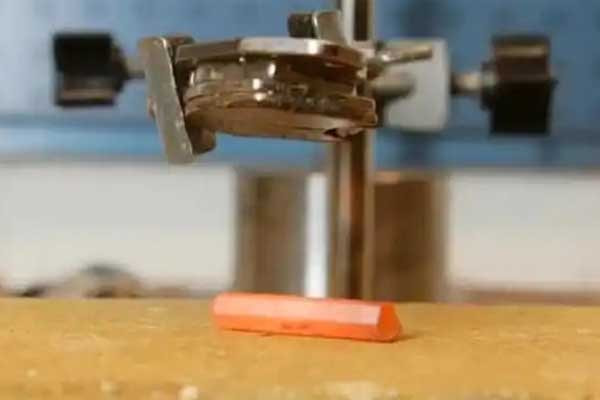
Taking good care of magnets is key to preserving their strength over time. Proper storage and handling can significantly reduce the risk of magnet degradation[11].
You can prevent magnets from losing their magnetism by storing them properly, avoiding high temperatures[12], and shielding them from physical damage.
With the right care, magnets can last for decades. Let’s look at the best ways to store and protect your magnets.
Best Practices for Magnet Care
| Practice | Effect on Magnet |
|---|---|
| Store in Cool Places | Prevents heat-induced demagnetization. |
| Avoid Physical Impact | Prevents loss of magnetic strength due to shock. |
| Keep Away from Strong External Fields | Ensures the magnet doesn’t get altered by other magnetic fields. |
If you follow these practices, your magnets will retain their magnetism for a long time.
Conclusion
Magnets, especially permanent magnets, are durable and reliable for various uses. While they may weaken over time due to heat, physical impact, or corrosion, their lifespan can be extended with proper care. By storing them in ideal conditions and handling them carefully, you can ensure your magnets retain their strength for years. If you need high-quality, long-lasting magnets, our M-Magnet Company offers top-of-the-line designed for durability.
Note:
About Blogger
Benjamin Li
Operation Manager of M-Magnet Company
I will bring you a full range of magnet knowledge and manufacturing experience on neodymium magnets and MagSafe magnet solutions through blogs and emails. I'm not an expert yet in magnets, but we have a whole team to help you solve technical issues, design drawing details, compatibility suggestions from magnetic assemblies, magnet purchasing and many other customized magnet solutions from China. You can follow my blogs on knowledge sharing or contact me for your own magnet solutions. We will always do the best.