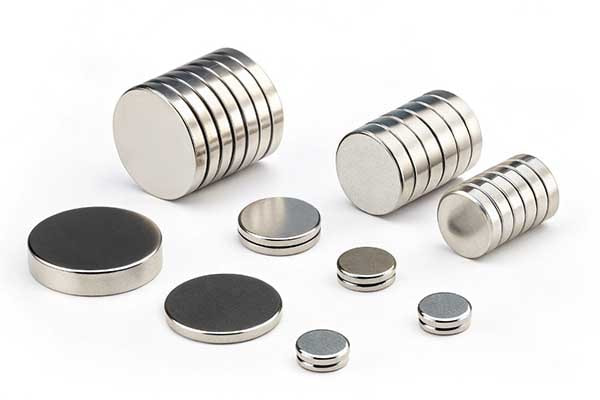
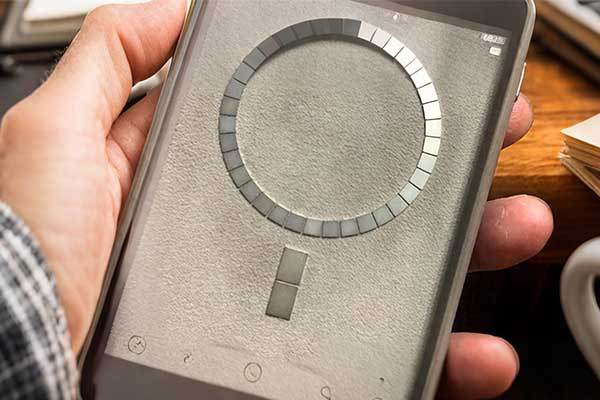
How to Use Neodymium Magnets for Healing?

Neodymium magnets are popular in alternative healing for their strong magnetic fields. We design high-grade magnets that balance strength and safety. But how do these magnets work for wellness? Let’s explore their role in holistic practices.
Neodymium magnets, especially grades N35 to N52, are commonly used for healing due to their intense magnetic fields. Practitioners place them on specific body areas to potentially improve circulation and reduce pain[1]. While scientific evidence remains limited, users report benefits like reduced inflammation and faster recovery. Always consult a healthcare professional before use.
Curious about which magnets work best? Keep reading to uncover practical insights.
Table of Contents
What Type of Magnets Are Used for Healing?
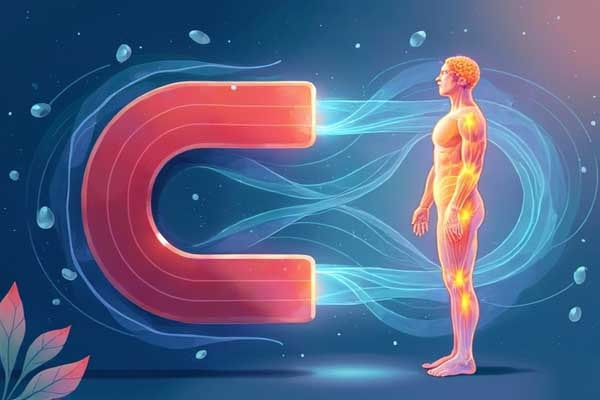
Not all magnets suit healing. Neodymium magnets dominate this field because they’re stronger and longer-lasting than ceramic or flexible magnets. As a manufacturer, we prioritize safety and performance in our designs.
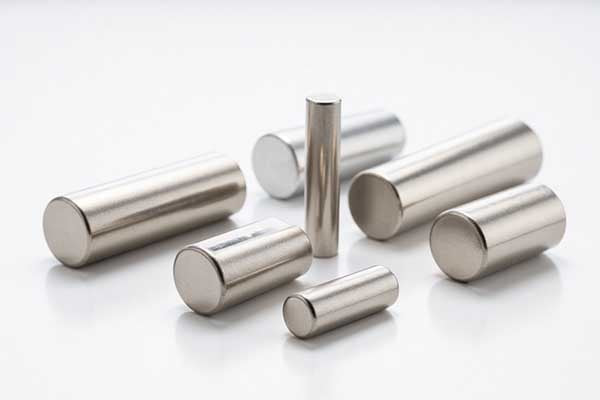
Neodymium magnets are preferred for healing due to their unmatched strength and durability. Their high magnetic flux penetrates deeper into tissues, which practitioners believe enhances therapeutic effects. Ceramic magnets, though cheaper, lack this intensity. For safe use, select coated neodymium magnets to prevent skin irritation.
Comparing Magnets for Healing Applications
We’ve analyzed popular magnet types for therapeutic use[2]. Here’s a breakdown:
Magnet Types for Healing
| Magnet Type | Strength | Durability | Common Uses |
|---|---|---|---|
| Neodymium (N52) | Extremely High | Brittle (Requires Coating) | Pain relief, Joint therapy |
| Ceramic | Low | High | Basic magnetic jewelry |
| Flexible Rubber | Very Low | Flexible | Temporary skin patches |
Neodymium magnets outperform others in strength, but their brittleness requires careful handling. For healing, users often embed them in silicone holders or fabric straps. Critics argue that magnetic therapy lacks clinical proof, yet many clients tell us they combine our magnets with yoga or acupuncture for better results.
When learning how to use neodymium magnets for healing, start with low-intensity sessions. Place them over clothed skin near pain points — never directly on wounds. Our customers in Europe often pair them with heat therapy pads.
What do neodymium magnets do to your body?
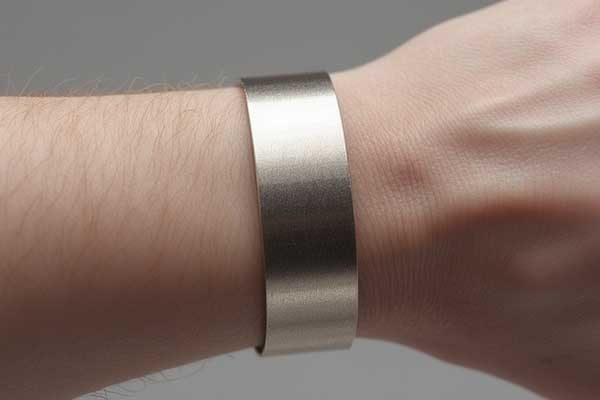
Struggling with chronic pain[3] or poor circulation? Neodymium magnets offer a non-invasive, drug-free solution for healing. But do they really work? Let’s explore the science behind magnetic therapy.
Neodymium magnets[4] may reduce inflammation, relieve pain, and improve blood flow by creating a magnetic field[5] that interacts with the body’s natural energy. Studies suggest they can help with arthritis, back pain, and even migraines when used correctly.
To understand how neodymium magnets affect the body, we need to break down the science of magnetic therapy[6]. Magnetic fields are believed to interact with the body’s natural energy, promoting healing in several ways. First, magnets may improve blood circulation by attracting iron in red blood cells, which helps deliver oxygen and nutrients to damaged tissues. Second, they may reduce inflammation by calming the nervous system and blocking pain signals. Third, magnets can stimulate cell repair and regeneration, accelerating recovery from injuries.
As a manufacturer of high-quality neodymium magnets, we at M-Magnet specialize in creating magnets for health applications. Our products are designed to maximize therapeutic benefits while ensuring safety and durability.
But how exactly do these magnets work on a cellular level? Magnetic fields are thought to influence ion channels in cell membranes, which control the flow of ions like calcium and potassium. By altering ion movement, magnets may help regulate cell function and reduce pain. Research published in The Journal of Pain Research found that static magnetic therapy significantly reduced chronic pain in patients with arthritis.
To see real results, proper usage is key. Magnets should be placed directly on the affected area for at least 30 minutes daily. For best results, combine magnetic therapy with other healing practices like massage or heat therapy.
Here’s a breakdown of common health benefits linked to neodymium magnets:
| Benefit | How It Works | Research Support |
|---|---|---|
| Pain Relief | Blocks nerve signals | Multiple studies on arthritis |
| Improved Circulation | Attracts iron in blood | Research on blood flow |
| Reduced Inflammation | Calms nervous system | Studies on swelling reduction |
While magnets for health are not a cure-all, they can be a valuable addition to your wellness routine. For optimal results, choose high-quality magnets from trusted manufacturers like M-Magnet, which are designed specifically for therapeutic use.
What is the disadvantage of neodymium magnet?
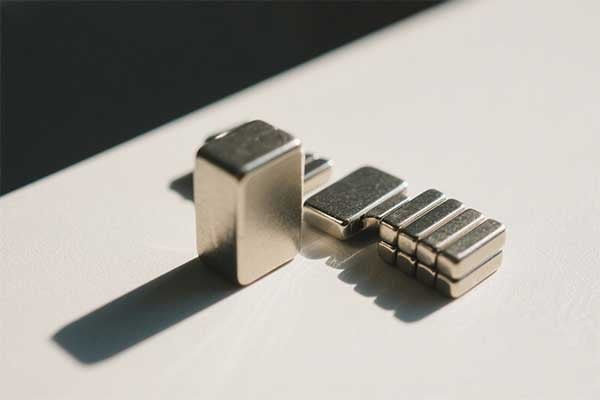
Love the idea of magnetic therapy but worried about potential downsides? Neodymium magnets are powerful tools, but they come with risks if misused. Let’s uncover the hidden dangers and how to avoid them.
The main disadvantages of neodymium magnets include safety hazards[7] like skin pinching, damage to electronic devices, and risks to people with pacemakers. They can also interfere with medical imaging and require careful handling to prevent accidents.
While neodymium magnets offer impressive benefits for health and healing, they are not without drawbacks. Their extreme strength makes them both effective and potentially dangerous if mishandled. Let’s explore the key disadvantages and how to mitigate them.
First, neodymium magnets are incredibly strong. This strength means they can pinch skin[8] or fingers if they snap together unexpectedly, causing painful injuries. Always handle magnets with care, especially around children or pets.
Second, these magnets can damage electronic devices[9]. Strong magnetic fields can erase data from credit cards, disrupt smartphone functions, and even damage hard drives. Keep magnets at least 6 inches away from electronics to avoid issues.
Third, neodymium magnets pose risks to people with pacemakers or other implanted medical devices[10]. The magnetic field can interfere with these devices, potentially causing life-threatening malfunctions. Always consult a doctor before using magnets if you have any medical implants.
Another concern is interference with medical imaging[11]. Magnets can affect MRI machines or other diagnostic equipment, leading to inaccurate results. Remove all magnets before undergoing medical procedures.
Despite these risks, the benefits of magnets for health often outweigh the drawbacks when used responsibly. At M-Magnet, we design our products with safety in mind, providing clear guidelines for proper usage.
To compare the risks and benefits of neodymium magnets, here’s a helpful overview:
| Risk | Mitigation Strategy | Benefit |
|---|---|---|
| Skin Pinching | Handle with care | Pain relief |
| Electronic Damage | Keep away from devices | Improved circulation |
| Medical Device Interference | Consult your doctor | Reduced inflammation |
By understanding and managing these risks, you can safely enjoy the healing benefits of neodymium magnets. At M-Magnet, we’re committed to helping our customers use magnets responsibly for optimal health outcomes.
Whether you’re new to magnetic therapy or a seasoned user, balancing the advantages and disadvantages is key. With proper handling and high-quality products from trusted sources, magnets for health can become a powerful tool in your wellness journey.
Where Should You Not Put Magnets?
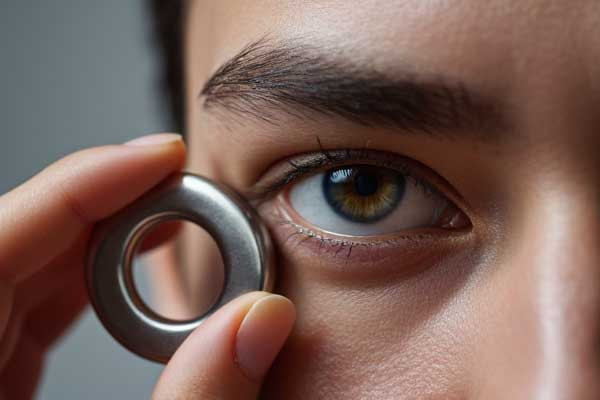
Many people ask about the safe use of neodymium magnets for healing. Misplacing them can cause issues. I’ll explain where to avoid putting them.
Neodymium magnets should not be placed near electronic devices, medical implants, or sensitive areas like the eyes. They can disrupt pacemakers, damage electronics, or cause injury if mishandled.
Why Placement Matters
I’ve seen how powerful neodymium magnets can be at M-Magnet Company. Their strength makes them great for magnetic therapy, but it also means you need to be careful. Placing magnets in the wrong spot can lead to problems. Let’s think about this critically.
Risks of Improper Placement
First, magnets can interfere with medical devices. For example, pacemakers or insulin pumps might stop working if a strong magnet is too close. I always tell customers to check with a doctor before using magnets for healing.
Second, electronics[12] like phones or laptops can get damaged. The magnetic field can mess up their circuits.
Third, sensitive body areas, like the eyes, are a no-go. A magnet placed carelessly could pinch skin or worse.
Balancing Benefits and Risks
Magnets can help with pain relief in some cases, but safety comes first. I think it’s worth asking: Are you placing magnets thoughtfully? Could a small mistake cause a big problem? These questions push us to use magnets wisely.
Safe Placement Guidelines
Here’s a table to clarify where magnets should and shouldn’t go:
| Area | Safe to Place Magnets? | Reason |
|---|---|---|
| Near pacemakers | No | Can disrupt device function |
| On arms or legs | Yes | Safe for most people |
| Near electronics | No | Can damage circuits |
| Near eyes | No | Risk of injury |
Thinking About Magnet Strength
At M-Magnet Company, we make magnets in different strengths. Stronger ones need more caution. A weak magnet might not cause trouble near a phone, but a neodymium magnet could. This makes me wonder: Should we always use the weakest magnet possible for healing? Or do stronger magnets offer better results? There’s no simple answer. It depends on the situation. I suggest starting with weaker magnets and consulting a professional.
Practical Tips for Safe Use
I recommend keeping magnets at least six inches from electronics or medical devices. For healing, place them on areas like your back or joints, but only after checking with a doctor. Store magnets in a safe spot when not in use. This prevents accidents. By thinking carefully about placement, we can use magnets for healing without worry.
Is Sleeping on Magnets Good for You?
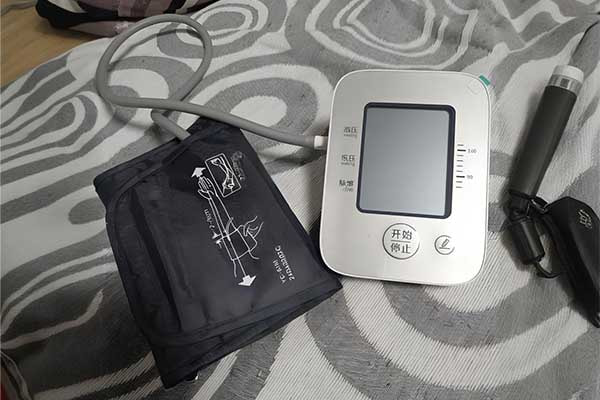
Sleeping on magnets sounds relaxing, but is it helpful? I’ll share what I know about using magnets this way.
Sleeping on magnets may improve comfort for some, but evidence is mixed. Magnetic therapy could help with pain or sleep quality[13], but studies don’t fully confirm this. Always consult a doctor first.
When we are talking about magnetic therapy a lot, sleeping on magnets is a popular topic. Some say it helps with pain or sleep. Others aren’t sure. Let’s dig into this from both sides.
What’s the Appeal?
People like the idea of healing while they sleep. Magnets in mattresses or pads are said to boost blood flow or ease pain[14]. I’ve heard customers swear by it for back pain. But I also know the science isn’t clear. Studies show mixed results. Some find benefits, others don’t. This makes me question: Is it the magnets working, or is it the placebo effect[15]?
Potential Benefits
Let’s look at the positive side. Magnetic therapy might relax muscles or reduce inflammation. If you wake up feeling better, that’s a win. I’ve tried sleeping on a magnetic pad myself. It felt nice, but I’m not sure it was the magnets. The comfort of a good mattress could be enough. Still, if it helps someone, I’m all for it.
Possible Downsides
Now, let’s think about risks. Sleeping on magnets is usually safe for most people. But strong magnets could cause issues for those with medical implants. I always tell customers to check with a doctor. Another point: magnets don’t work for everyone. If you spend money on a magnetic mattress and see no change, that’s frustrating. Should we expect miracles from magnets? Probably not.
Comparing Magnetic Sleep Options
Here’s a table to show different ways to try magnetic sleep:
| Option | Cost | Comfort Level | Risk |
|---|---|---|---|
| Magnetic mattress | High | Very comfortable | Low for most |
| Magnetic pad | Medium | Moderately comfortable | Low for most |
| Magnetic pillow | Low | Varies | Low for most |
My Take on Magnetic Sleep
I think sleeping on magnets is worth trying if you’re curious. Start small, like with a magnetic pad. See how it feels. But don’t expect it to fix everything. Pain or sleep issues often need more than magnets. A good diet, exercise, and rest matter too. I wonder: Are we relying too much on magnets for healing? Maybe they’re just one piece of the puzzle.
Practical Advice
If you want to try this, talk M-Magnet Company offers magnets for healing products. Place them under your mattress or in a pad. Keep them away from medical devices. Talk to a doctor first. Test it for a few weeks. If it doesn’t help, try something else. Healing is personal, and magnets might not be your answer.
Do magnets work on the human body?
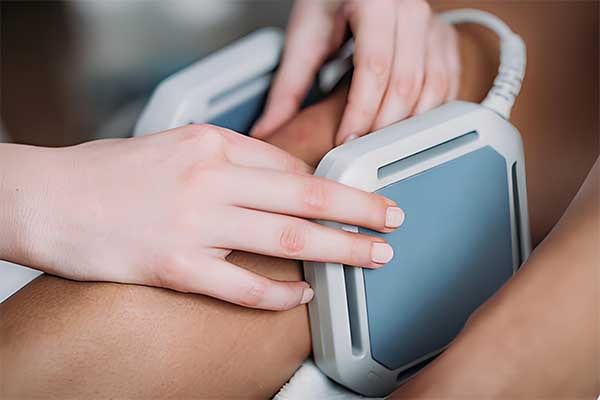
Many people are curious if magnets have any effect on the human body. I've often wondered this too, especially since I'm from M-Magnet Company, a neodymium magnet manufacturer.
Magnets are believed to affect the human body by influencing blood flow, reducing pain, and improving the healing process. While studies on magnetic therapy show mixed results, many users report positive effects, suggesting that magnets may have a role in physical healing. However, the evidence is still not conclusive.
When it comes to the question of whether magnets work on the human body, it's a topic that has been debated for quite some time. There are two main sides to this argument.
Proponents of Magnetic Therapy
On one hand, those who support magnetic therapy claim that magnets can have positive effects on the body. They believe that the magnetic fields produced by neodymium magnets, like the ones we manufacture at M-Magnet Company, can interact with the body's natural magnetic fields.
One of the most common claims is that these magnets can improve blood circulation[16]. It is thought that the magnetic fields can influence the movement of charged particles in the blood, such as ions. By doing so, they might enhance the delivery of oxygen and nutrients to cells, which could potentially aid in the healing process.
Some also suggest that magnetic therapy can relieve pain. There are anecdotal reports from users who say that when they apply neodymium magnets to areas of the body experiencing pain, they feel a reduction in discomfort. This could be due to the magnets' potential impact on nerve function. Nerves transmit electrical signals, and magnetic fields might interfere with these signals in a way that lessens the perception of pain.
It's essential to understand that magnetic therapy is not a replacement for traditional medical treatments. While magnets might offer some relief, they should not be relied upon as the sole treatment for serious health conditions. If you're considering using magnets for healing, it's a good idea to consult with a healthcare professional to ensure it's safe and effective for your specific situation.
Here is a table showing the possible effects of magnetic therapy:
| Claim | Evidence |
|---|---|
| Increases blood circulation | Mixed results, some studies show minor improvements |
| Reduces pain and inflammation | Some positive anecdotal evidence, but no conclusive scientific proof |
| Promotes healing of injuries | Limited evidence, no clear mechanisms established |
Conclusion
Neodymium magnets offer a non-invasive option for holistic wellness. While scientific backing is limited, their strength and versatility make them a top choice in magnetic therapy. We ensure our products meet safety standards for repeated use. Whether you’re exploring how to use neodymium magnets for healing or seeking custom solutions, prioritize quality and consult experts. Balance hope with realistic expectations, and always put safety first.
Note:
[2]Find out what kind of magnets are used for healing and the science behind these methods.↪
[10]Showing the effect of neodymium magnets on implanted medical devices from official website.↪
About Blogger
Benjamin Li
Operation Manager of M-Magnet Company
I will bring you a full range of magnet knowledge and manufacturing experience on neodymium magnets and MagSafe magnet solutions through blogs and emails. I'm not an expert yet in magnets, but we have a whole team to help you solve technical issues, design drawing details, compatibility suggestions from magnetic assemblies, magnet purchasing and many other customized magnet solutions from China. You can follow my blogs on knowledge sharing or contact me for your own magnet solutions. We will always do the best.