How much weight can an N52 magnet hold?
How much weight can an N52 magnet hold?
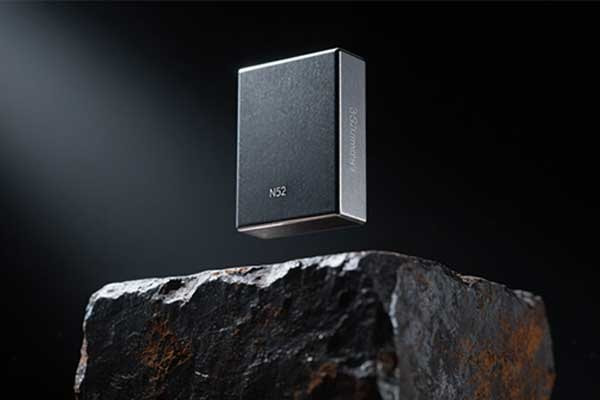
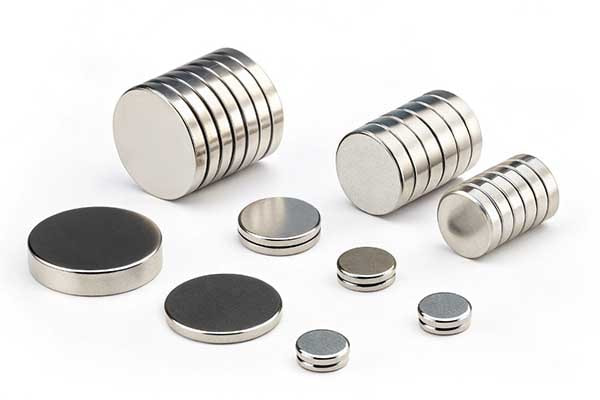
N52 magnets are the strongest grade of commercial permanent magnets available today. Their holding power depends on size, shape, and how they're used. A standard N52 disc magnet (20mm diameter x 10mm thick) can typically hold about 15kg (33lbs) when pulled directly away from a thick steel surface.
An N52 magnet's holding force ranges from 5kg to over 100kg, depending on size and shape. For example, a 50mm x 30mm x 10mm N52 block magnet can hold up to 120kg when properly attached to steel. Always test with safety margins, as real-world conditions reduce theoretical strength.
Keep reading to learn more about N52 magnets and their weight-holding power.
Table of Content
What is a N52 magnet?
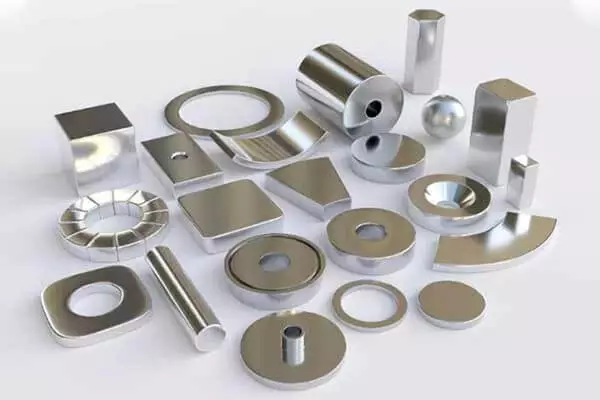
Understanding N52 magnets is key to knowing their strength. Many are confused by magnet grades and what N52 means.
An N52 magnet is a neodymium magnet with a grade indicating its maximum energy product. It is currently one of the highest grades, meaning it has very strong magnetic force compared to lower grades.
So what makes N52 magnets special and how their grade affects performance.
What does the N52 grade mean?
The "N" in N52 stands for neodymium, iron, and boron composition, while the number 52 represents the maximum energy product measured in Mega-Gauss Oersteds (MGOe). This value indicates the magnet's strength and energy density. Higher numbers mean stronger magnets.
How does the grade affect holding power?
Higher grade magnets like N52 can generate stronger magnetic fields, enabling them to hold more weight relative to their size. However, actual holding force also depends on magnet shape, size, and the material it attracts.
| N52 Magnet Characteristics |
|---|
| Property |
| Composition |
| Maximum Energy Product (MGOe) |
| Magnetic Strength |
| Typical Uses |
The N52 grade ensures these magnets have a very high magnetic force, making them suitable for demanding applications such as electric motors and industrial lifting tools. However, the actual weight an N52 magnet can hold depends on its size and how it contacts the metal surface.
How much weight can an N52 magnet hold?
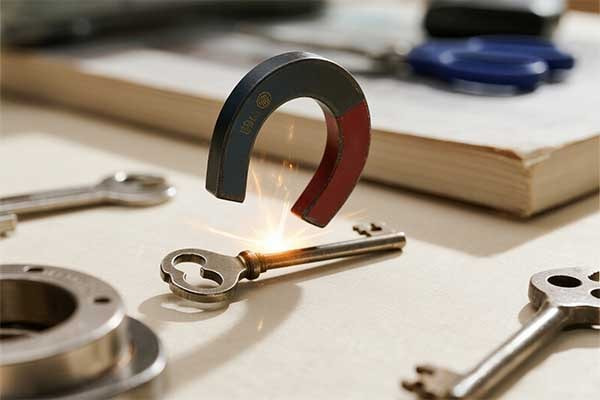
People want to know if N52 magnets can hold heavy loads safely. The problem is, weight capacity varies with many factors.
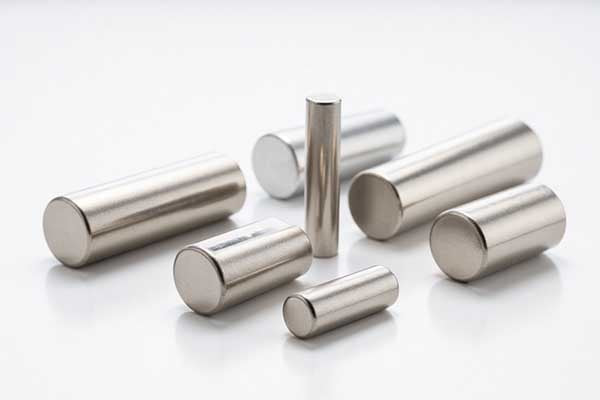
An N52 magnet's holding force ranges from a few hundred grams for small sizes to over 100 kilograms for larger blocks. The exact weight depends on magnet dimensions, shape, and the surface it attaches to.
Factors affecting holding capacity
The holding force of an N52 magnet depends on:
Size and volume: Larger magnets have more magnetic material and stronger fields.
Shape: Flat surfaces with full contact maximize holding force.
Surface material: Ferromagnetic materials like iron increase holding power.
Air gaps: Even small gaps reduce magnetic force drastically.
Orientation: Correct pole alignment optimizes holding strength.
Typical holding force examples
| N52 Magnet Holding Force Examples |
|---|
| Magnet Size |
| 10mm diameter x 5mm thick |
| 20mm diameter x 10mm thick |
| 50mm x 50mm x 10mm block |
Critical considerations
While N52 magnets can hold impressive weights, safety is crucial. Sudden detachment can cause injury or damage. Also, repeated stress or impact can weaken magnets over time.
In industrial settings, N52 magnets are used in lifting equipment and motors because of their high strength and efficiency. For consumer uses, these magnets offer strong holding power in compact sizes, supporting applications from magnetic tool holders to electronic devices.
Are N52 magnets the strongest?
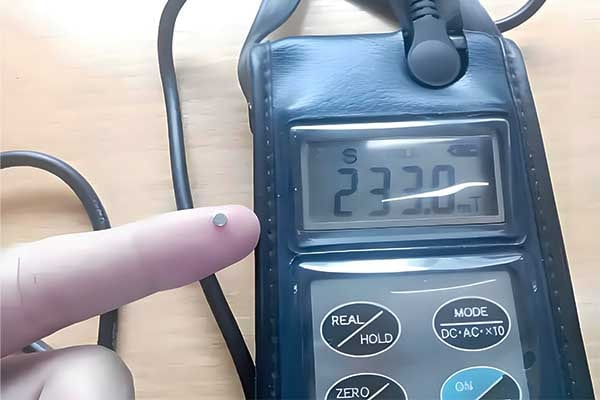
People seek powerful magnets for various tasks. Choosing the wrong magnet leads to weak performance. Knowing N52 magnet strength helps select the right tool.
N52 magnets are the strongest neodymium magnets available. Their high magnetic field strength allows them to hold significant weight. For example, a small N52 magnet can lift over 10 pounds under ideal conditions.
Understanding N52 Magnet Strength
N52 magnets represent the highest grade of neodymium magnets. Their strength comes from their composition, which includes neodymium, iron, and boron. This combination creates a powerful magnetic field. The "N52" label indicates the maximum energy product, measured in Mega-Gauss-Oersteds (MGOe). N52 magnets typically have an energy product of 50-52 MGOe, making them the strongest commercially available magnets. At M-Magnet Company, we produce N52 magnets for applications like industrial tools and MagSafe systems.
The weight an N52 magnet can hold depends on several factors. These include the magnet’s size, shape, and the material it attracts. For instance, a 1-inch diameter N52 disc magnet can hold about 20 pounds when attached to a flat steel surface. However, this decreases if the surface is uneven or non-ferrous. Air gaps, coatings, or rust also reduce holding power. Users must consider these variables when calculating N52 magnet strength for specific tasks.
From another perspective, N52 magnets are not always the best choice. Their strength makes them ideal for heavy-duty applications, but lower-grade magnets like N35 may suffice for lighter tasks. Choosing N52 when a weaker magnet works can increase costs unnecessarily. Additionally, stronger magnets require careful handling to avoid damage or injury. Their powerful pull can snap fingers or break objects if mishandled.
N52 Magnet Strength Comparison
| Magnet Grade | Max Energy Product (MGOe) | Typical Holding Capacity |
|---|---|---|
| N35 | 33-35 | 5-10 pounds |
| N42 | 40-42 | 10-15 pounds |
| N52 | 50-52 | 15-25 pounds |
Critically, the strength of N52 magnets makes them versatile but demands respect. Their power suits demanding applications, but overkill for simple tasks can waste resources. We advise clients to customize the match magnet grade to their needs. This ensures efficiency and safety. Understanding N52 magnet strength helps users make informed choices for performance and cost.
Are N52 magnets safe?

N52 neodymium magnets are extremely powerful but require careful handling. When used properly with safety precautions, they're safe for industrial and commercial applications. However, their strong magnetic fields pose risks if mishandled.
N52 magnets are safe when handled correctly but can cause injuries (pinched skin), damage electronics, and be hazardous if swallowed. Keep them away from pacemakers, credit cards, and children. Always wear gloves and eye protection when handling large N52 magnets.
Safety Considerations for N52 Magnets
N52 magnets, due to their exceptional N52 magnet strength, require careful handling. Their powerful magnetic fields can cause physical injuries. For example, two N52 magnets snapping together can pinch skin or break bones. They can also attract metal objects from a distance, causing unexpected impacts. Additionally, N52 magnets can interfere with electronic devices. Their fields may disrupt pacemakers, credit cards, or hard drives if placed too close.
Proper storage and handling mitigate these risks. Magnets should be kept in pairs with keepers (metal plates) to contain their fields. Users should avoid placing fingers between magnets or near metal surfaces during use. At M-Magnet Company, we include safety instructions with our products. These guidelines help users avoid accidents. For instance, keeping N52 magnets away from sensitive devices like smartphones or medical equipment is critical.
On the other hand, N52 magnets are safe in controlled environments. In MagSafe chargers, their design ensures secure attachment without risk. The magnets are encased, reducing exposure to their raw strength. However, users must follow manufacturer guidelines. Ignoring these can lead to damaged equipment or personal injury. For example, swallowing small magnets is dangerous, especially for children, as they can attract inside the body, causing severe harm.
Safety Guidelines for N52 Magnets
| Risk | Potential Harm | Prevention |
|---|---|---|
| Pinching | Skin or bone injury | Handle with care |
| Electronic Interference | Device damage | Keep away from devices |
| Swallowing | Internal injury | Store away from children |
From a critical viewpoint, N52 magnets are safe when used as intended. Their strength is a benefit in applications like motors or chargers, but misuse can lead to problems. I’ve seen clients use our magnets safely for years by following basic precautions. Balancing their power with proper handling ensures N52 magnets remain a reliable tool.
Why are some neodymium magnets stronger than others?
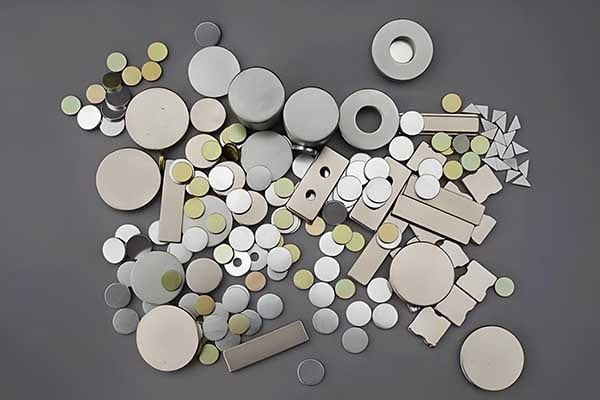
Some users wonder why similar-sized neodymium magnets show different pulling force.
The strength difference among neodymium magnets comes from their grade, size, shape, and manufacturing precision. Higher grades like N52 have stronger magnetic energy density than lower grades like N35 or N42.
Magnet strength varies not only because of the material grade but also due to how the magnet is designed and produced. Neodymium magnets are rated by grades (such as N35, N42, N52), where the number represents the maximum energy product in Mega-Gauss Oersteds (MGOe). N52 is currently among the highest commercially available grades, which means it can hold more weight for its size compared to lower grades.
Apart from the grade, the magnet's size and surface area matter. Larger contact areas improve holding force due to better surface engagement. Surface coatings also influence magnetic behavior slightly by affecting gap distance. Coating types such as Ni-Cu-Ni or epoxy may change the surface thickness, which plays a role in practical holding conditions.
The production process is another important factor. Consistency in sintering, grain alignment, and quality control impacts the magnet’s true performance. Manufacturers like M-Magnet produce neodymium magnets N52 using advanced cutting and inspection systems, which ensures tight tolerance and stable magnetization.
Factors That Influence Magnet Strength
| Factor | Explanation | Impact on Strength |
|---|---|---|
| Magnet Grade (e.g. N52) | Represents maximum energy product | Higher grade = stronger pull |
| Size and Shape | Larger or optimized shapes give better performance | Improves surface area and directionality |
| Manufacturing Quality | Uniform grain structure and precise cutting | Improves reliability and peak strength |
As neodymium magnets N52 are designed for top performance, they are sensitive to small production differences. That is why choosing a precision manufacturer ensures better results. Their ability to produce custom magnets to specific tolerances allows stronger force, safer mounting, and longer durability across applications like EVs, robotics, and magnetic assemblies.
What are N52 magnets used for?
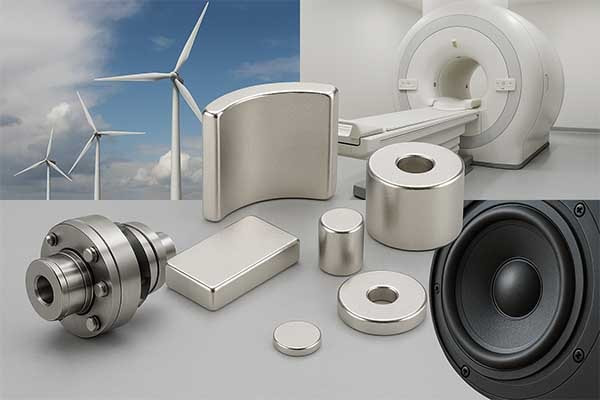
N52 neodymium magnets are the strongest commercially available permanent magnets, making them ideal for applications requiring maximum magnetic strength in minimal space. These rare-earth magnets power countless modern technologies across industries.
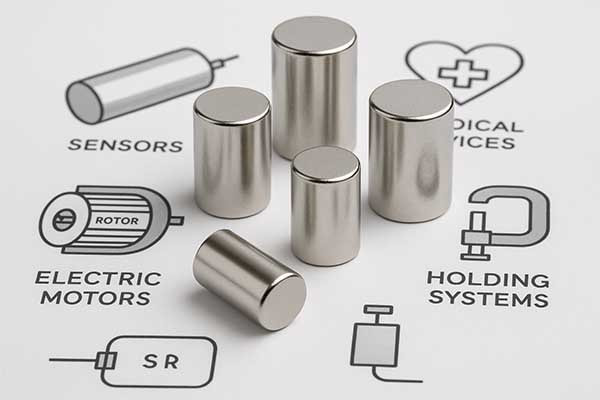
N52 magnets are used in applications that need strong magnetic force in compact space, such as electric motors, wireless charging modules, sensors, and industrial magnetic fixtures.
Neodymium magnets N52 offer the highest magnetic energy product available for mass production. Their strength allows them to perform well even at smaller sizes. This makes them perfect for industries that require compact yet powerful magnetic solutions. For example, N52 magnets are widely used in medical equipment, consumer electronics, EV components, and renewable energy systems.
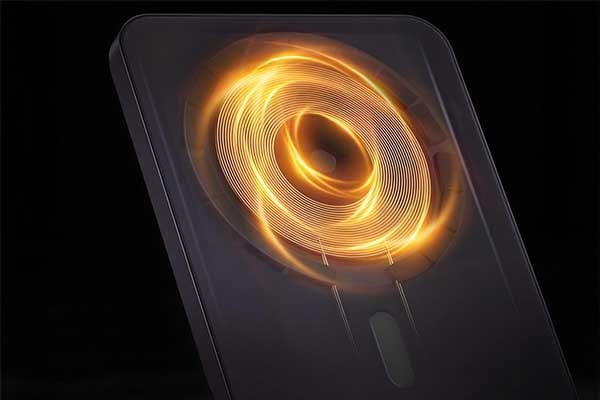
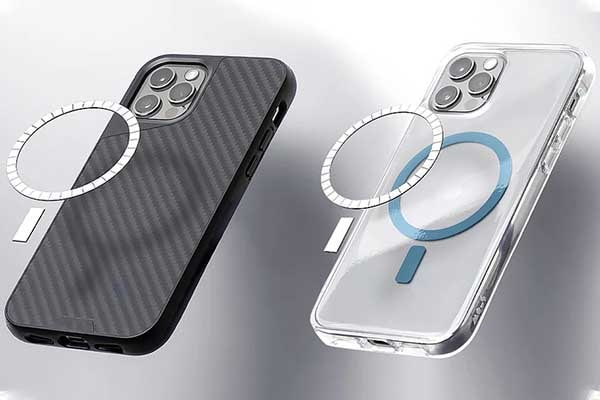
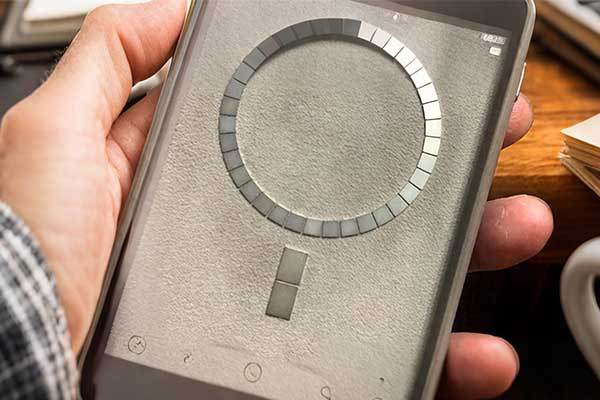
In wireless charging technology, especially for electric vehicles, N52 magnets help align charging coils accurately and hold mechanical parts together with minimal movement. Their high pull force enables automatic alignment in MagSafe chargers, charging docks, and robotic arms. M-Magnet specializes in cutting and shaping neodymium magnets N52 for such smart charging devices.
Besides electronics, N52 magnets are used in audio systems, like headphone speakers and microphones, where compact force density is essential. They're also used in door locks, magnetic tool holders, and filtration systems in manufacturing lines.
Typical Applications of N52 Magnets
| Industry | Application | Why Use N52? |
|---|---|---|
| Electric Vehicles | Motor assemblies, wireless charging alignment | High energy, compact volume |
| Consumer Electronics | MagSafe chargers, speakers, phone holders | Strong, stable hold in small designs |
| Medical Devices | Precision tools, MRI shielding, holding clamps | Reliable and safe magnetic performance |
Neodymium magnets N52 are also common in industrial automation systems, where they can replace mechanical fasteners or switches. Their reliability and reusability reduce long-term cost. For suppliers like M-Magnet, offering precise and corrosion-resistant N52 magnets is a key part of delivering custom magnetic solutions to global clients across Europe, America and customers around the world.
Are neodymium magnets illegal?
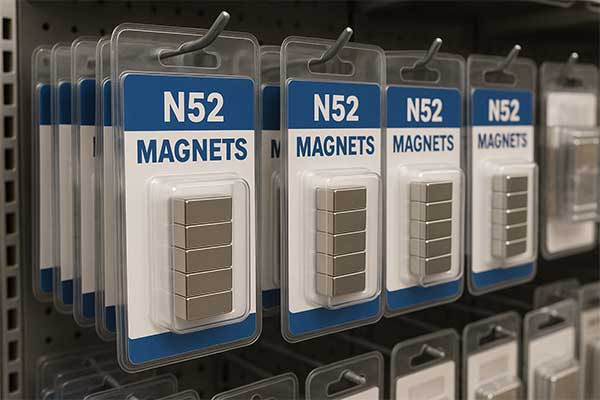
Are you worried about the legality of using powerful magnets? There's a common misconception that strong magnets, like magnet N52, might be restricted. Most neodymium magnets are perfectly legal for general use.
No, neodymium magnets are not illegal for general purchase or use in most countries, including the USA and Europe. They are widely used in many consumer and industrial products. However, their use in specific applications might be regulated. For example, some jurisdictions might have rules against using them in ways that could interfere with public infrastructure or cause harm.
The question of whether neodymium magnets are illegal often arises due to their extreme strength. Neodymium magnets, especially those with high grades like magnet N52, are among the strongest permanent magnets available. This immense power leads to various applications but also raises concerns about safety and potential misuse.
Generally, owning or purchasing neodymium magnets for personal or industrial use is legal. They are fundamental components in many modern devices. These include hard drives, speakers, MRI machines, and electric vehicle motors. We regularly ship these magnets to customers for diverse applications. We always ensure our products comply with international shipping regulations and safety standards.
However, the legality can become nuanced based on the application of the magnet. For instance, using any strong magnet to tamper with utility meters or disrupt electronic systems could lead to legal consequences. This is not because the magnet itself is illegal, but because the action is unlawful.
Similarly, certain contexts, such as air travel, have restrictions on how strong magnets can be transported due to their potential to interfere with aircraft navigation systems. Packaging magnet N52 for air freight requires special shielding. This shielding reduces its external magnetic field to safe levels. We provide specialized packaging to meet these stringent requirements for our global shipments.
Another area of concern is safety. Due to their immense attractive force, large neodymium magnets can pose significant hazards. They can pinch skin, break bones, or damage sensitive electronic equipment if not handled carefully. Children should never handle large neodymium magnets without strict adult supervision.
Small magnets can also be a choking hazard. Therefore, while the magnets themselves are not illegal, responsible use and adherence to safety guidelines are paramount.
We help our customers on safe handling practices. We also recommend appropriate sizes and grades for specific applications to prevent accidents. Our quality control processes ensure that each magnet, including the powerful magnet N52, meets specifications. This guarantees both performance and safety for its intended use.
Legal and Safety Considerations for Neodymium Magnets
| Aspect | Details of Legality/Safety | Key Considerations |
|---|---|---|
| General Ownership & Purchase | Generally legal for individuals and businesses worldwide. | No blanket prohibition on buying or owning. |
| Specific Applications | Illegal if used to commit fraud (e.g., meter tampering) or disrupt critical systems. | Legality depends on *how* the magnet is used, not just its existence. |
| Transportation (Air Freight) | Strict regulations due to potential interference with navigation equipment. Requires special packaging. | Compliance with IATA DGR and other shipping rules is mandatory. M-Magnet Company provides shielded packaging. |
| Safety Hazards | Pinching injuries, bone fractures, damage to electronics, choking hazard for children. | Handle with care, keep away from children and sensitive electronics. Educate users. |
| Medical Device Interference | Strong magnets can interfere with pacemakers, ICDs, and other medical implants. | Individuals with medical implants should avoid close contact with strong magnets. |
Conclusion
N52 magnets are among the strongest permanent magnets available, capable of holding from a few kilograms to over 100 kilograms depending on size and conditions. Their high magnetic strength makes them valuable in many industries, but proper handling and understanding of factors affecting holding power are essential for safe use.
About Blogger
Benjamin Li
Operation Manager of M-Magnet Company