What is the best wireless charging technology for the future?
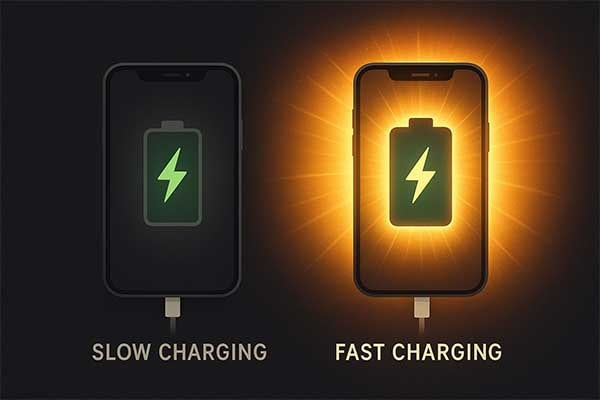
Many devices struggle with slow charging and poor alignment. Wireless charging technology promises a solution but which one will lead the future?
Wireless charging technology uses magnetic fields to transfer power without cables. The best future technology will offer fast, efficient charging with precise alignment and broad device compatibility. Innovations like MagSafe with neodymium magnets are leading the way.
Keep reading to discover what makes wireless charging technology the future’s best choice.
Table of Contents
What is wireless charging technology?
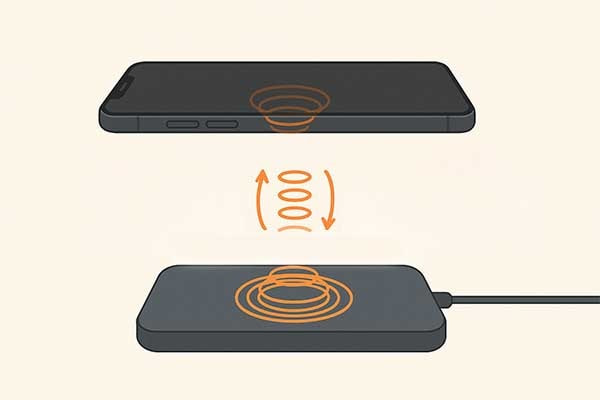
Wireless charging technology faces challenges like power loss and misalignment. How does it work and why is it important?
Wireless charging technology transfers energy through magnetic induction or resonance, allowing devices to charge without physical connectors. It improves convenience and reduces wear on ports.
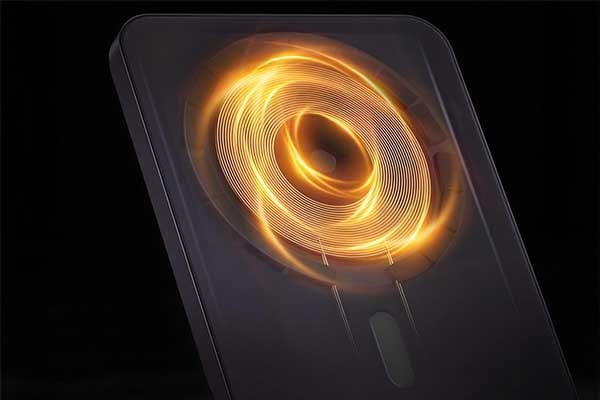
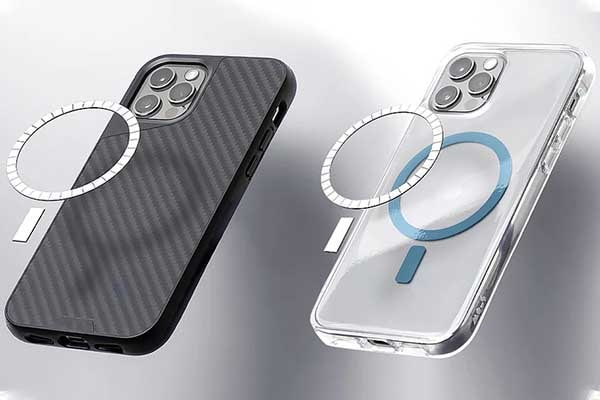
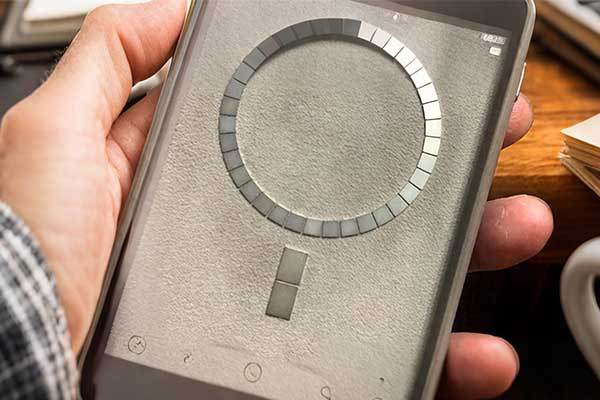
Wireless charging is not just about convenience; it also requires precise magnetic alignment to maximize efficiency. For example, MagSafe technology uses neodymium magnets arranged around coils to ensure perfect alignment between charger and device, enabling faster and more reliable charging.
The mechanics and future of wireless charging technology
Wireless charging technology relies mainly on two methods: magnetic induction and magnetic resonance. Induction uses coils in the charger and device to create a magnetic field that transfers energy. Resonance allows a bit more distance and flexibility but is less common in consumer devices.
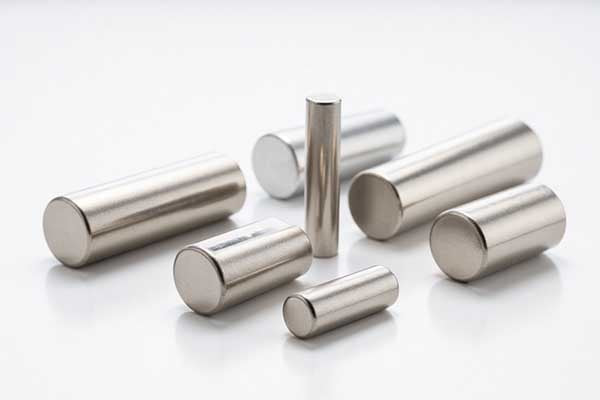
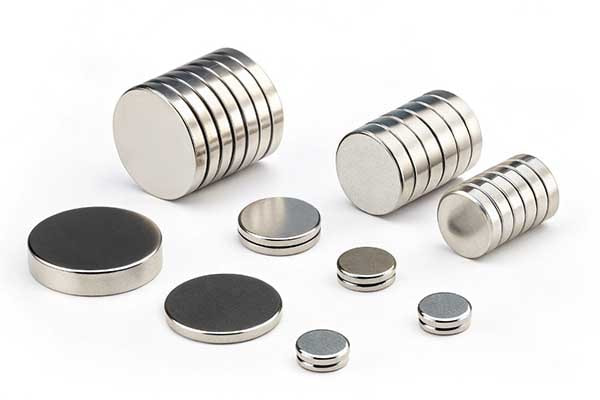
MagSafe, developed by Apple, uses strong neodymium magnets arranged precisely around the charging coil. These magnets ensure the charger snaps into the optimal position for power transfer. Neodymium magnets, especially high-grade N52 with nickel-copper-nickel coatings, provide strong magnetic force and durability, which are essential for consistent wireless charging performance.
| Feature | Description |
|---|---|
| Magnet Type | Neodymium (NdFeB), N52 Grade |
| Coating | Ni-Cu-Ni for corrosion resistance |
| Alignment | Precise magnetic arrays for perfect coil alignment |
| Applications | Smartphones, wearables, accessories |
The future of wireless charging technology depends on improving efficiency, reducing heat, and enabling faster charging speeds. Magnetic alignment, powered by strong neodymium magnets, is critical. This technology also supports wireless charging ecosystems like MagSafe, which enhance user experience by ensuring accessories attach securely and charge reliably.
However, challenges remain. Environmental factors can affect magnet performance. Also, balancing magnetic strength with device safety and thermal limits is necessary. Manufacturers must optimize magnet grades and coatings to maintain long-term reliability in wireless charging devices.
Wireless charging technology is evolving rapidly. Innovations in magnet design and coil technology will shape the future. As a magnet manufacturer, I see that integrating high-quality neodymium magnets with wireless charging coils is key to advancing wireless charging technology and meeting consumer demands for speed, safety, and convenience.
How does inductive charging work?
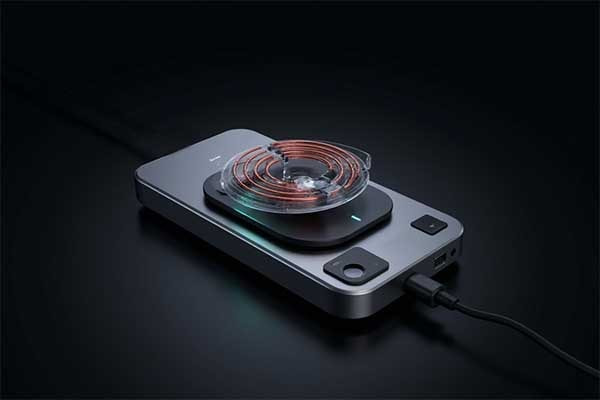
Tired of tangled cables and searching for outlets? Traditional charging methods can be frustrating and inconvenient. Inductive charging offers a clean, cable-free alternative for powering your devices.
Inductive charging works by creating an electromagnetic field between a transmitting coil and a receiving coil. When a device with a receiving coil is placed within this field, an electrical current is induced, which then charges the device's battery. This process relies on the principle of electromagnetic induction to transfer energy without physical contact.
Inductive charging, a core component of the wireless charging principle, uses electromagnetic fields to transfer energy between two objects. This method has become common in many devices, from smartphones to electric toothbrushes.
However, its effectiveness depends on factors like coil alignment and distance. We must consider both its benefits and limitations. For instance, while convenient, energy transfer efficiency can drop if the coils are not perfectly aligned. This can lead to slower charging times and more wasted energy as heat.
Another factor is the frequency of the alternating current. Higher frequencies can allow for smaller coils but may also increase electromagnetic interference. This interference could affect other electronic devices nearby. Additionally, the power output of inductive chargers is often limited, which means they are not ideal for fast charging large batteries.
As a MagSafe magnet manufacturer, we understand how important efficient power transfer is for our clients. We work with various coil designs and magnetic materials to improve inductive charging systems. We also explore ways to minimize energy loss and maximize charging speed for customization.
Key Factors Affecting Inductive Charging Efficiency
| Factor | Impact on Efficiency | Considerations |
|---|---|---|
| Coil Alignment | Crucial for optimal energy transfer. Misalignment reduces efficiency. | Requires precise placement of devices. Magnets can help guide alignment. |
| Distance Between Coils | Greater distance reduces power transfer efficiency significantly. | Wireless charging pads work best with close contact. |
| Frequency of AC Current | Higher frequencies can improve power density but may cause more interference. | Balancing frequency for efficiency and minimal interference is important. |
| Coil Design and Materials | Coil shape, wire gauge, and core material affect magnetic field strength. | Optimized designs using specific magnetic materials enhance performance. |
Are there different types of wireless charging?
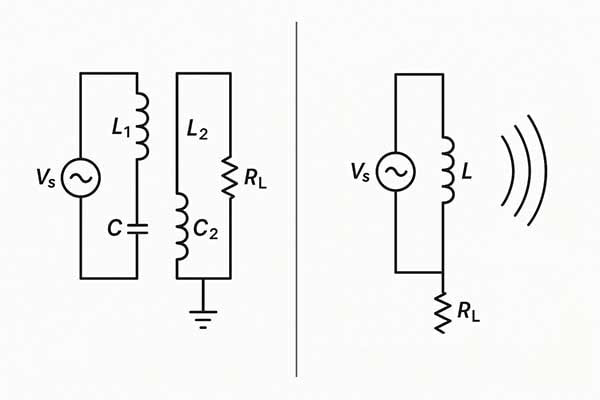
Do you think all wireless charging is the same? Many people only know about inductive pads. There are actually several distinct types of wireless charging technologies available.
Yes, there are different types of wireless charging technologies beyond basic inductive charging. These include resonant inductive coupling, and radio frequency (RF) charging. Other emerging types include true wireless charging and even acoustic charging.
While inductive charging is the most common form of wireless power transfer, it is not the only one. Other methods are being developed and used, each with its own set of advantages and disadvantages.
Resonant inductive coupling, for example, is a more advanced form of inductive charging. It uses a specific frequency to resonate between the coils, allowing power transfer over longer distances and through non-metallic objects. This makes it suitable for charging multiple devices at once, like charging a laptop and a phone on a desk without direct contact. However, resonant charging can be more complex to implement and may have lower efficiency than direct inductive charging over very short distances.
Another type is radio frequency (RF) charging. This method converts electrical energy into radio waves, which are then broadcast to a receiver that converts them back into electrical energy. RF charging can offer true "over-the-air" power delivery, meaning devices can charge while moving around a room. This approach has potential for low-power devices like sensors or wearables. However, the power transfer efficiency can be quite low, especially over long distances. Safety concerns regarding continuous exposure to RF energy are also a consideration, although current standards ensure safe levels.
Companies like M-Magnet Company explore how these different technologies can integrate with magnet solutions for better alignment and power management. We work to provide customized solutions that fit the specific needs of various industries. For example, for medical devices, safety and reliability are paramount, while for consumer electronics, convenience and speed are often priorities. We are always researching and developing new ways to make wireless power more efficient and accessible for future needs.
Comparison of Wireless Charging Technologies
| Technology | Principle | Advantages | Disadvantages | Typical Applications |
|---|---|---|---|---|
| Inductive Charging | Electromagnetic induction (near-field) | High efficiency over short distances, simple, common. | Requires close proximity and precise alignment. | Smartphones, electric toothbrushes, wearables. |
| Resonant Inductive Coupling | Resonance between tuned coils (mid-field) | Longer distances, charges multiple devices, through non-metals. | Can be less efficient at very short distances, more complex. | Laptops, medical implants, electric vehicles. |
| Radio Frequency (RF) Charging | Conversion of radio waves to electricity (far-field) | True "over-the-air" charging, mobility while charging. | Very low efficiency, limited power, potential safety concerns. | Low-power sensors, IoT devices, very niche applications. |
What is the new wireless charging standard?
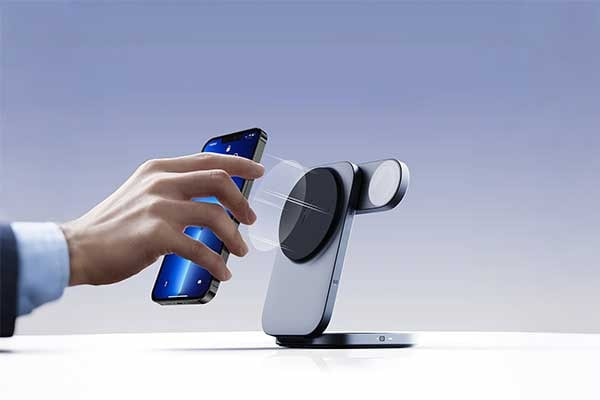
The wireless charging world has seen big changes in 2025. Wireless charging feels slow and unreliable. You want faster charging without cables. The new wireless charging standard solves this problem with better efficiency and speed.
Qi v2.0 is the newest global wireless charging standard. It passed IEC voting in early 2025 and will fully launch by Q1 2025 end. This standard supports up to 15W charging and uses magnets for perfect alignment. Over 15 billion devices already work with Qi2. AirFuel RF lets small gadgets charge from a few feet away without direct contact. Google’s patent lets phone screens send or receive power.
Why Qi v2.0 Stands Out Today
Qi v2.0 (or Qi2) brings big upgrades. It uses magnets to snap devices perfectly onto chargers. This "Magnetic Power Profile" (MPP) cuts energy waste and boosts speed. Phones charge up to 15W fast. Apple iPhones first used Qi2 in 2023. Android brands like Samsung and Google now add it to their 2025 models. The IEC stamp means Qi2 chargers meet strict global safety rules.
Qi2 has magnetic rings that need strong neodymium magnets. We see rising orders from U.S. and Europe for Qi2-ready parts.
AirFuel RF: Power Over Distance
AirFuel RF is different. It sends tiny power boosts through the air to IoT devices — sensors, trackers, or smart home gear. You don’t need to place devices right on a pad. They charge from several feet away. But this works only for low-power gadgets (under 1W). It won’t charge your phone fast.
AirFuel RF faces efficiency issues. Longer distance means more energy lost as heat. It also needs backup power to avoid shutdowns during outages. Still, for scattered IoT devices, it’s a fit. Factories or offices might use it to ditch battery swaps.
Google’s Vision: Charging Through Screens
Google’s 2025 patent imagines phones charging through their displays. Coils sit under the screen. Lay your phone face-down on a pad to charge. Or power up earbuds by placing them on your phone’s screen.
This tech has hurdles. Screens must turn off during charging. That means no notifications while powering up. Google also needs to block electromagnetic interference between display and coils. If solved, it could let designers drop charging ports entirely.
China’s UFRS: A Unified Wireless Charging Push
In April 2025, Chinese groups met in Wuhan to speed up UFRS (Universal Fast Charging System). This homegrown standard wants all brands to share one wireless charging rule. It sets safety steps like foreign-object detection (FOD) to halt charging if keys or coins sit on the pad.
UFRS could simplify exports. One standard means cheaper testing for makers. But it trails behind Qi2 in global use. Most UFRS-ready devices are still within China.
Comparing the New Wireless Charging Standards
| Standard | Power Range | Best For | Key Advantage | Challenge |
|---|---|---|---|---|
| Qi v2.0 (Qi2) | Up to 15W | Phones, earbuds | Global IEC approval; magnetic snap-on | Android adoption still growing |
| AirFuel RF | Under 1W | IoT sensors, trackers | Charges devices feet away | Low efficiency; needs backup power |
| Google Screen Charging | Unknown (patent stage) | Phones, small accessories | No ports; screen as power hub | Screen must turn off; interference risk |
| UFRS (China) | Up to 80W (aim) | All mobile devices | Single rule for all brands | Limited use outside China |
What’s Next? Qi v2.2 and Beyond
Qi isn’t stopping at v2.0. Google leads work on Qi v2.2, set to add high-power charging for Android. Think 30W or more — close to today’s wired speeds. Cars will use Qi v2.1’s Active Alignment Power Profile (APP). This tech moves coils automatically to keep phones charging full-speed on bumpy roads.
For accessory makers, magnets stay vital. Qi2’s growth means more demand for thin, strong neodymium rings.
The Road Ahead: Less Wires, More Smarts
New standards push wireless charging beyond pads. Tesla’s 2025 Cybercab charges itself wirelessly while parked. Labs test roads that power electric cars as they drive. Phones like Huawei’s Pura 70 Ultra share power with ear buds via reverse charging.
But challenges linger. Qi2 chargers need better heat control. AirFuel RF must prove it’s safe near humans. Google’s screen tech needs to coexist with 5G/6G signals. Makers also face e-waste rules—the EU will require repairable chargers by 2027.
For businesses, picking a standard depends on your product. Phones lean on Qi2 now. IoT devices may try AirFuel RF. Those wanting one charger for all should watch UFRS. As a magnet supplier, we back Qi2’s magnetic approach. It gives users a click-on ease cords never could.
What is the wireless power transfer technique for EV charging?
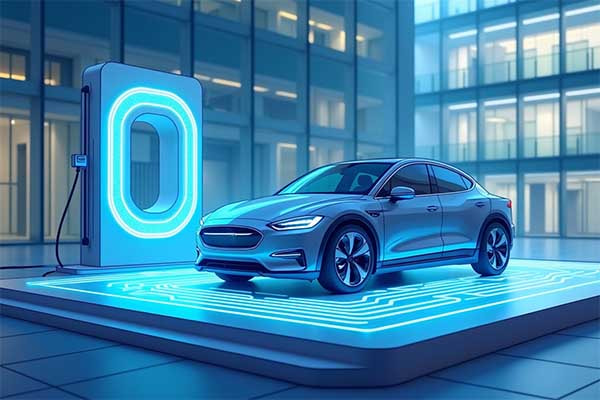
The demand for wireless charging technology for electric vehicles is rising fast. Drivers face hassle with plugging in and limited charging station access. Wireless power transfer uses magnetic fields to charge EVs efficiently, offering convenience and flexibility.
Wireless power transfer (WPT) for EV charging mainly uses inductive coupling. It transfers energy from a ground pad to a vehicle receiver coil using magnetic fields.
Wireless EV charging systems rely on electromagnetic induction. The primary coil, usually embedded in the ground, creates an alternating magnetic field when electric current flows through it. A secondary coil in the car picks up this field and converts it back into electric energy to charge the battery. This method is called inductive charging.
A Closer Look at Inductive Charging Systems
Inductive charging is currently the most researched and deployed method of wireless charging technology for electric vehicles. It allows for safe energy transfer across short distances, usually 10–20 cm. Engineers are improving this method to work with wider air gaps, dynamic charging, and higher power transfer levels.
Inductive systems are often divided into two categories: static and dynamic. Static charging means the vehicle is stationary during charging, while dynamic charging means the car charges while driving. Dynamic charging is still in the testing phase but offers great promise.
Another form, capacitive wireless power transfer, uses electric fields rather than magnetic fields. It is less common in EV applications due to limitations in range and efficiency. However, research continues.
Comparison of WPT Techniques
| Technique | Field Type | Typical Use | Advantages | Challenges |
|---|---|---|---|---|
| Inductive | Magnetic | EVs, smartphones | Efficient, safe | Short range, coil alignment |
| Capacitive | Electric | Low-power devices | Lightweight, simple structure | Low power, limited range |
Companies like WiTricity and others are pushing the boundaries of high-power inductive systems. Many electric vehicles now feature built-in receivers compatible with aftermarket or OEM-installed ground pads. We see increasing demand for magnetic components in these systems. Wireless charging technology for electric vehicles continues to evolve toward more compact, high-frequency magnet solutions.
How efficient is EV wireless charging?
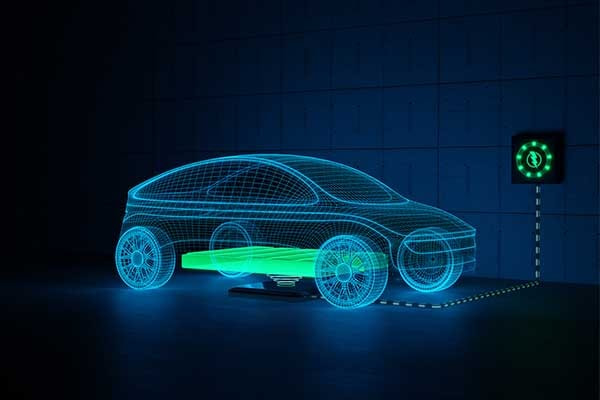
More people are asking if wireless charging is as efficient as cable charging. Poor efficiency means longer charging times, more electricity bills, and reduced battery life. Modern EV wireless charging achieves 85–93% efficiency — nearly matching wired systems when coils are well-aligned and systems are optimized.
Wireless EV charging currently achieves around 85% to 93% efficiency under proper alignment, slightly lower than wired charging systems which can reach up to 95% or more.
Efficiency in wireless charging depends on several factors. One is coil alignment. Even a few centimeters off can reduce performance. Another factor is the air gap distance between the ground pad and the vehicle coil. Larger gaps lead to more power loss.
Inductive systems have made strong gains in minimizing energy loss. Advanced resonance tuning, shielding techniques, and coil design all help increase power delivery while lowering heat and stray fields. Some newer wireless charging stations claim over 93% efficiency, making them nearly as good as cable charging under ideal conditions.
Deep Dive into Efficiency Factors
While wireless systems are becoming more common, many still view them as less efficient. But the gap is narrowing. Recent studies from research institutions and automotive labs confirm that under controlled conditions, wireless charging performs very close to traditional wired systems.
For city use, where daily plug-in charging is inconvenient, the small efficiency drop is a fair trade-off for the convenience and automation. However, fleet operations or long-range drivers still prefer wired connections when every percent of battery use matters.
Several components contribute to efficiency loss:
Magnetic leakage — power lost through stray fields
Heat generation — affects both system safety and output power
Misalignment — a major source of inefficiency
Conversion steps — AC to DC transitions lose some energy
Efficiency Range Comparison
| Charging Method | Typical Efficiency | Conditions Required |
|---|---|---|
| Wired Charging | 95% – 98% | Stable voltage, proper connectors |
| Wireless Charging | 85% – 93% | Precise coil alignment, small air gap |
Despite the difference, wireless charging is growing. EV manufacturers are working with suppliers like M-Magnet to design magnetic components that improve energy focus and reduce heat. These advancements support the broader adoption of wireless charging technology for electric vehicles, especially for urban use and future autonomous cars.
Conclusion
Wireless charging technology’s future lies in precise magnetic alignment and strong magnets like neodymium N52. Technologies such as MagSafe demonstrate how efficient, reliable wireless power transfer can be achieved. As wireless charging evolves, magnet quality and design will be central to delivering fast, safe, and user-friendly charging solutions.
About Blogger
Benjamin Li
Operation Manager of M-Magnet Company
I will bring you a full range of magnet knowledge and manufacturing experience on neodymium magnets and MagSafe magnet solutions through blogs and emails. I'm not an expert yet in magnets, but we have a whole team to help you solve technical issues, design drawing details, compatibility suggestions from magnetic assemblies, magnet purchasing and many other customized magnet solutions from China. You can follow my blogs on knowledge sharing or contact me for your own magnet solutions. We will always do the best.