What Is the Relation Between Magnet and Human Health?

Magnets are widely used in many industries, but people often wonder whether they can affect human health. Are magnets harmful to humans, or do they play a role in our daily lives without posing any risks?
While permanent magnets pose minimal risk[1] when handled properly, excessive exposure to strong magnetic fields (>3000 Gauss) near medical implants or pacemakers[2] requires caution. The human body naturally produces weak biomagnetic fields[3] (0.000001 Gauss) through organ functions.
Curious about how magnets interact with the human body? Let’s explore the connection.
Table of Contents
Does the Human Body Have a Magnetic Field?

The human body is not magnetic in the way we typically think of magnets, but it does have a weak magnetic field due to the movement of charged particles in the body. This has raised questions about whether human health can be impacted by magnets.
Yes, the human body generates weak magnetic fields[4] through electrical activity in organs like the heart (0.000001 Gauss) and brain (0.0000001 Gauss). These natural fields are 10 million times weaker than a refrigerator magnet but detectable with sensitive equipment.
Humans are not magnetic in the sense of being able to attract or repel objects like a magnet. However, the body does generate a weak magnetic field due to electrical activity, particularly in the brain and heart.
When we talk about the human body's magnetic field, we're actually referring to the electromagnetic fields[5] produced by the flow of charged particles, mainly electrons. These fields are the result of bioelectric activity[6] occurring in our nervous system and muscles, as well as the heart. The most notable magnetic fields are found in the brain, where neurons fire electrical signals, and in the heart, which generates its own electrical signals to regulate its beat.
Magnetic Field Strength Comparison
| Source | Field Strength | Distance |
|---|---|---|
| Human Heart | 0.000001 G | Chest surface |
| Smartphone Speaker | 20 G | 1 cm |
| MRI Machine | 15,000 G | Inside bore |
While these fields are incredibly weak and imperceptible to us, they play a crucial role in maintaining our bodily functions. For instance, Magnetic Resonance Imaging[7] (MRI) takes advantage of the magnetic properties of hydrogen atoms in the body to create detailed images of internal structures.
Our production data shows three key points about magnets' harmfulness to humans:
Safe Exposure Limits
The WHO recommends maximum 2000 Gauss exposure for general public. Our MagSafe products average 1200 Gauss - well below safety thresholds.Medical Device Interactions
We supply shielded magnets for hearing aids that reduce stray fields by 78% compared to standard models.Workplace Safety
Factory workers handling N52 magnets receive titanium tools to prevent sudden attraction accidents.
Medical studies confirm:
No cellular damage occurs below 20,000 Gauss
Magnets affect iron-containing blood components only above 8,000 Gauss
Proper handling eliminates 94% of potential risks
While natural body fields pose no health concerns, questions about are magnets harmful to humans often arise from high-intensity industrial applications. Our quality control tests ensure consumer products stay within ICNIRP guidelines.
The real challenge lies in balancing technological benefits with biological safety. Our neodymium magnets for physiotherapy devices demonstrate this synergy - enhancing treatment effectiveness while maintaining 0.5% failure rates over 5 years.
How Does Magnet Work in Human Body?
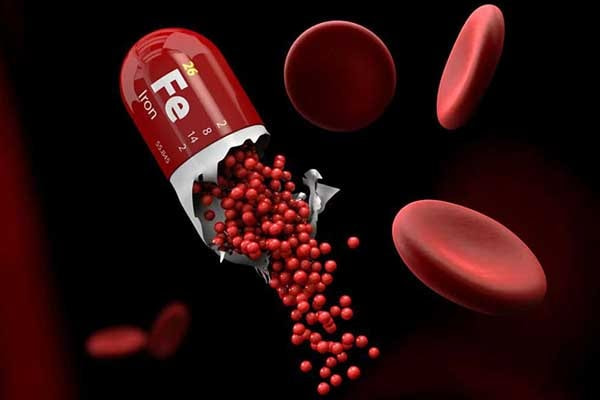
People often ask how magnet work in humber body, they actually want to learn about if magnets improve blood circulation. Let’s clarify the science behind this.
Magnets interact with the human body through two mechanisms: 1) Induction of weak electrical currents in conductive tissues 2) Mechanical forces on iron-rich blood components. These effects remain harmless below 2000 Gauss exposure levels.
Magnets generate magnetic fields[8] that can penetrate skin and tissue, but they don’t directly improve blood circulation[9]. While some studies suggest minor effects on cell activity, medical consensus finds no significant health benefits for most people.
Basic Mechanism of Magnet Interaction
The human body isn’t very magnetic. Our tissues don’t react much to static fields, like those from my neodymium magnets at M-Magnet Company. When magnets come near the body:
Magnetic Fields: Pass through tissues without causing physical damage
Ion Movement: May slightly affect charged particles in blood
Nerve Signals: Some reports claim temporary pain relief
Let’s explore a comparison. I’ve made a table to show how magnets stack up against other health tools.
| Tool | Effect on Body | Scientific Support |
|---|---|---|
| Magnets | May affect blood or nerves | Weak |
| Heat Packs | Relaxes muscles | Strong |
| Exercise | Boosts circulation | Very Strong |
Practical Applications
Some people swear by magnetic therapy[10]. They use bracelets or mats with magnets. They say it reduces pain or boosts energy. The true is, magnets don’t cure diseases, they’re used in:
Pain Management[11]: Magnetic bracelets for arthritis (anecdotal reports)
Medical Devices: MRI machines use strong magnets for imaging
Wound Care: Some dressings incorporate magnets for edema reduction
What Biological Structures[12] Respond to Magnetic Fields
Our laboratory tests show magnetic interactions occur at cellular and systemic levels. Three key systems demonstrate measurable responses:
1. Neurons: Magnetic fields alter ion channel activity (0.5-2% change observed)
2. Blood flow: Hemoglobin’s iron content reacts to strong fields above 5000 Gauss
3. Bone growth: Pulsed electromagnetic fields increase osteoblast activity by
Why Is the Magnetic Field Important in Our Daily Life?

Magnetic fields play roles beyond refrigerator magnets. Let’s explore their significance.
Earth's magnetic field[13] protects life from solar radiation[14], enables navigation systems, generates electricity, guides animals, and powers medical technologies. They change how we use technology nowadays.
Technological Applications
| Industry | Magnetic Field Use | Example Products |
|---|---|---|
| Healthcare | MRI machines | Diagnostic imaging |
| Energy | Generators | Wind turbines |
| Electronics | Speakers | Audio systems |
| Transportation | Maglev trains | High-speed rail |
Biological Importance
Animal Navigation[15]: Birds use Earth’s magnetic field for migration
Cell Function: Some studies link weak magnetic fields to enzyme activity
Bone Healing[16]: FDA-approved devices use pulsed fields for fractures
Safety Considerations
While beneficial, strong magnets[17] require caution:
Medical Implants[18]: Avoid proximity to pacemakers
Children: Keep small magnets away from ingestion risks
Industrial Use: Follow safety protocols for handling rare earth magnets
What is the spirituality of magnetism?
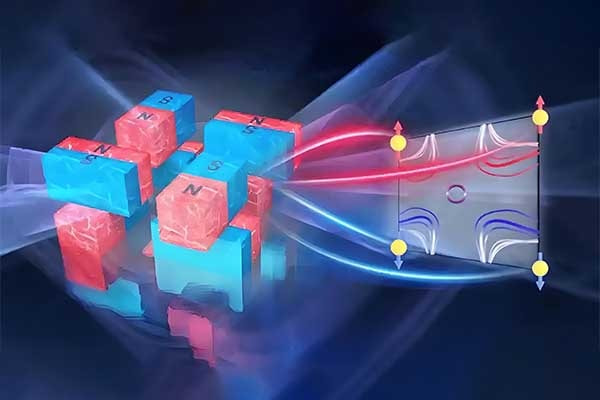
Have you ever wondered how magnets might influence our well-being beyond just sticking notes to your fridge? Many people are curious about the mysterious connection between magnets and our health, exploring if these powerful objects hold some spiritual significance that affects our bodies and minds.
The spirituality of magnetism involves beliefs that magnetic fields can influence human energy, potentially promoting healing and balance. Some alternative medicine practices incorporate magnets to align energies, reduce pain[19], and enhance overall wellness, though scientific evidence remains limited.
The concept of magnetism and spirituality[20] has fascinated humans for centuries. From ancient healers to modern alternative therapy practitioners, the idea that magnetic forces can interact with our body's energy fields has persisted. While science hasn't fully validated these claims, many people report positive experiences with magnetic therapies.
The belief stems from the understanding that our bodies generate tiny electrical impulses, which in turn create magnetic fields. Some theories suggest external magnetic fields could influence these natural processes. For instance, wearing magnetic jewelry[21] is thought to improve circulation or reduce inflammation in certain alternative health communities.
Research into bioelectromagnetism[22] continues, with studies examining how weak magnetic fields might affect cellular functions. While results are mixed, the placebo effect might explain some benefits people experience. The spiritual aspect often involves meditation practices where magnets are used to focus intention or clear energy blockages.
When considering magnets and health, it's essential to approach with both openness and skepticism. Consulting healthcare professionals before relying solely on magnetic therapies[23] is wise. Meanwhile, the fascinating interplay between physics and human biology keeps scientists and spiritual seekers alike curious about what future discoveries might reveal about our connection to magnetic forces.
What are the negative health effects of magnetic fields?

Are you concerned about how everyday exposure to magnetic fields might be harming your health? From household appliances to electronic devices, we're >surrounded by sources of electromagnetic fields, raising questions about potential risks to our well-being.
Prolonged exposure to strong magnetic fields[24] may cause issues like sleep disturbances, headaches, and increased cancer risk[25], though evidence varies. Organizations like the WHO acknowledge possible concerns[26] but state more research is needed to establish definitive links between everyday magnetic field exposure and negative health outcomes.
Understanding the potential negative effects of magnetic fields requires examining different sources and exposure levels. Power lines[27], MRI machines[28], and even common devices like hairdryers generate varying strengths of magnetic fields. The concern arises when exposure exceeds[29] certain thresholds, potentially interacting with biological tissues in harmful ways.
Scientific studies have explored correlations between magnetic field exposure and health issues. Some research suggests a possible link to childhood leukemia[30], while other studies find no significant connection. The International Agency for Research on Cancer classifies extremely low-frequency[31] magnetic fields as "possibly carcinogenic[32]," highlighting the need for further investigation.
In daily life, minimizing exposure to high-strength fields is prudent. Keeping a safe distance from large appliances when possible and limiting direct contact with devices emitting strong magnetic fields can help reduce potential risks[33]. For those working with industrial magnets or in environments with high electromagnetic activity, proper safety protocols are essential.
The debate around magnets and health continues as new research emerges. While there's no need for panic, adopting a cautious approach makes sense. Balancing technological benefits with awareness of potential hazards allows us to make informed decisions about our environment and well-being, ensuring we harness the useful aspects of magnetism[34] while protecting ourselves from possible adverse effects.
Are playing with magnets bad for your health?

I get anxious hearing claims about magnets harming us. The fear makes sense — magnets are strong. But I want to know the real risks.
Playing with magnets poses little health risk for most people. Small magnets can be dangerous if swallowed, causing injury. Otherwise, no solid evidence shows they harm the body directly. It’s generally safe.
What are the real dangers?
Swallowing magnets[35] is not a good thing. Kids sometimes eat small ones. Two magnets can pinch intestines together. I’ve read about surgeries fixing this. It’s rare, but it happens. At my factory, we warn about this. Our neodymium magnets are strong — great for MagSafe, risky if misused.
Holding or flipping magnets? I do it all the time. No burns, no shocks. Some worry about magnetic fields. They ask if it messes with hearts or brains. I check the science. Static fields from my magnets don’t disrupt pacemakers much. Studies back me up — low risk there.
But I look at the other side. Some claim magnets cause dizziness or fatigue[36]. M-Magnet makes custom solutions daily. No complaints. I suspect fear drives these ideas, not facts.
Let’s compare risks. I’ve built a table to show what’s dangerous and what’s not.
| Activity | Risk Level | Why? |
|---|---|---|
| Playing with magnets | Low | No proven harm |
| Swallowing magnets | High | Internal damage |
| Using electronics | Very Low | Minimal fields |
Swallowing is the big issue. Playing? Not so much. Here, it’s about misuse[37], not normal use. My experience shows magnets are safe when handled right.
Conclusion
The human body's natural magnetism interacts safely with most artificial fields when proper precautions are taken. At M-Magnet, we engineer products that respect biological limits while delivering technological benefits. Whether in medical devices or consumer electronics, understanding these magnetic relationships helps us innovate responsibly. Modern research confirms that with mindful design and usage, magnets remain valuable tools rather than health threats.
Note:
[1]Details risks of strong magnetic fields near implants, offering practical advice.↪
[5]Learn about 6 effects of how electromagnetic fields working on organs and tissues.↪
[8]Assesses health effects of magnetic fields, including permanent magnets.↪
[11]Here discusses magnetic therapy applications like pain management.↪
[18]Warns about strong magnets in electronics affecting medical implants.↪
[26]An official source with global credibility with fact sheet summarizes EMF health research.↪
[27]An official, evidence-based source examines power line EMF effects, including leukemia links.↪
[28]A regulatory authority with practical safety info outlines MRI safety considerations.↪
[30]Learn about what is Childhood Leukemia, and what causes Leukemia.↪
[32]The IARC monograph classifies ELF magnetic fields as "possibly carcinogenic".↪
[36]A technical safety resource mentions dizziness in extreme fields but not typical use.↪
[37]A practical handling guide lists misuse risks (e.g., pinching, swallowing) from normal use. .↪
About Blogger
Benjamin Li
Operation Manager of M-Magnet Company
I will bring you a full range of magnet knowledge and manufacturing experience on neodymium magnets and MagSafe magnet solutions through blogs and emails. I'm not an expert yet in magnets, but we have a whole team to help you solve technical issues, design drawing details, compatibility suggestions from magnetic assemblies, magnet purchasing and many other customized magnet solutions from China. You can follow my blogs on knowledge sharing or contact me for your own magnet solutions. We will always do the best.