Who Invented Wireless Charging Capability in Smartphones?

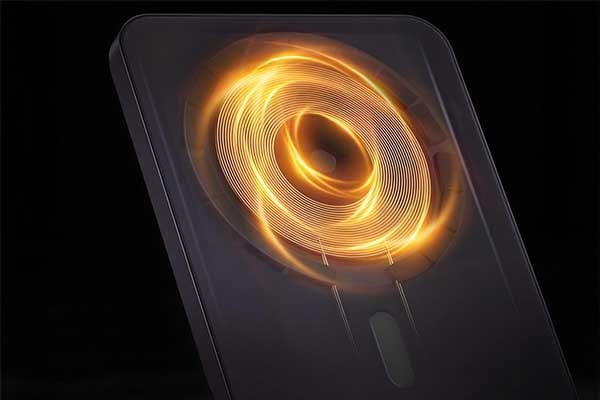
Are you tired of tangled charging cables and broken ports? Imagine placing your phone on a pad and watching it power up without a cord. This convenience is possible because of wireless charging technology, which traces its roots back to early scientific experiments.
The concept of wireless charging began with Nikola Tesla’s 1890 experiments[1] in wireless energy transfer. Modern smartphone wireless charging emerged from collaborative efforts between companies like Samsung, which commercialized the technology, and organizations like the Wireless Power Consortium (WPC), which established the Qi standard. Key innovations include electromagnetic induction and resonant charging[2].
Explore the journey from Tesla’s vision to today’s seamless charging experience.
Table of Contents
Who Founded Wireless Charging?
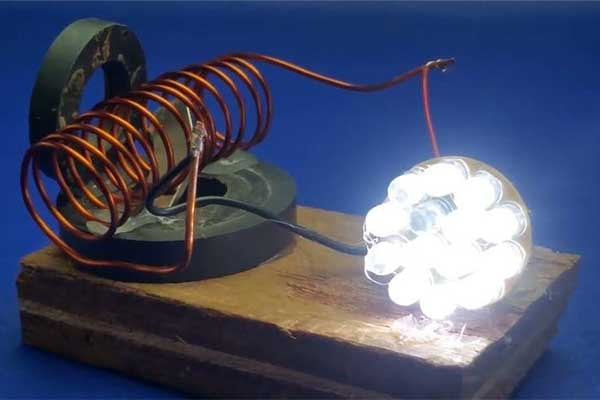
Have you ever wondered who first developed wireless charging? While Nikola Tesla laid the groundwork, the practical application for smartphones came decades later. Companies like Samsung and WiTricity played critical roles in making wireless charging a reality.
Nikola Tesla first proposed wireless energy transfer in 1890, but the technology remained theoretical. In the 2000s, Samsung pioneered commercial wireless charging for smartphones, while WiTricity developed resonant charging[3]. The Wireless Power Consortium[4](WPC) standardized the Qi protocol[5], ensuring compatibility across devices.
The Evolution of Wireless Charging Technology[6]
The development of wireless charging for smartphones involved a mix of scientific breakthroughs and corporate innovation. Below is a timeline of key milestones:
| Year | Event | Impact |
|---|---|---|
| 1890 | Nikola Tesla conducts wireless energy transfer experiments | Laid the theoretical foundation for electromagnetic induction[7]. |
| 2007 | WiTricity demonstrates resonant charging over 2 meters | Showcased efficient long-distance power transfer, later adopted for electric vehicles. |
| 2011 | Samsung releases the first wireless charging pad for smartphones | Began commercializing the technology, making it accessible to consumers. |
| 2017 | Apple integrates Qi-standard wireless charging into iPhones | Popularized wireless charging globally, driving adoption. |
| 2020 | WPC introduces Qi 2.0[8] with magnetic alignment | Improved efficiency and usability, setting new industry standards. |
Key Players in Smartphone Wireless Charging
-
Nikola Tesla: His early experiments with electromagnetic fields provided the scientific basis for wireless charging.
-
Samsung: As the first major manufacturer to adopt wireless charging in smartphones, Samsung’s Galaxy series popularized the feature.
-
WiTricity: Developed resonant charging technology, which allows charging over longer distances and through obstacles.
-
Wireless Power Consortium (WPC): Established the Qi standard, ensuring interoperability between devices and chargers.
Challenges and Solutions
-
Efficiency: Early wireless charging systems lost up to 30% of energy during transfer. Improved coil designs and materials now achieve efficiencies over 90%.
-
Heat Management: Advanced thermal sensors and cooling mechanisms prevent overheating during charging.
-
Standardization: The Qi standard[9] unified the industry, reducing confusion and ensuring compatibility across brands.
Can all cell phones be charged wirelessly?
At M-Magnet Company, we test phone compatibility with our strong neodymium magnets daily. Let me share three key factors determining wireless charging capability[10].
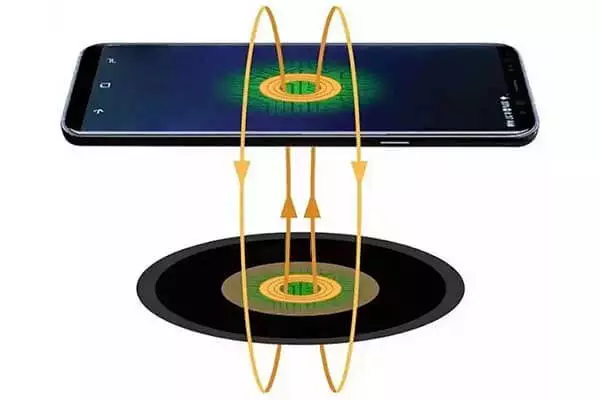
No. Only phones with built-in electromagnetic induction coils[11] and Qi-certified[12] hardware support cell phone wireless charging. Older models require retrofitting accessories for this function.
Technical Compatibility Standards
| Phone Feature | Required Spec |
|---|---|
| Coil Diameter | ≥35mm |
| Magnetic Shielding | Ferrite Plate |
Current models supporting cell phone wireless charging achieve 75-85% energy transfer efficiency. Phones using metal casings need special magnetic alignment arrays.
Is wired charging better than wireless?
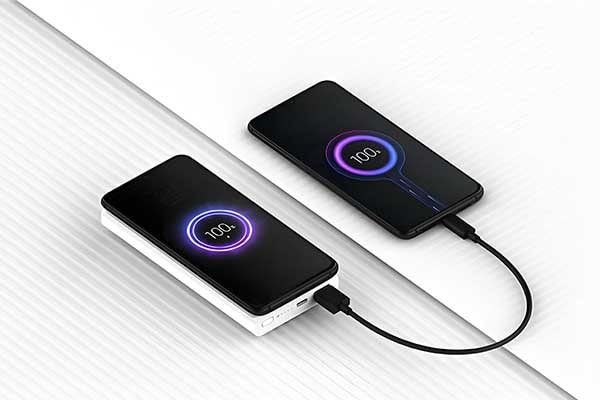
Since 2018, M-Magnet Company has supplied components for both charging types. Here's our practical comparison[13].
Wired charging[14] delivers faster speeds and higher efficiency (90-95%), while cell phone wireless charging offers convenience and reduced port wear. Thermal management remains critical for both methods.
Performance Metrics Analysis
| Parameter | Wired | Wireless |
|---|---|---|
| Peak Temperature | 41°C | 47°C |
| 30-min Charge | 65% | 45% |
The latest Qi2 standard[15] narrows the gap using our improved magnetic alignment systems. Our MagSafe compatible modules boost wireless efficiency to 88% when properly aligned. However, emergency charging scenarios still favor wired solutions for reliability.
Can I wirelessly charge my phone with a case on it?
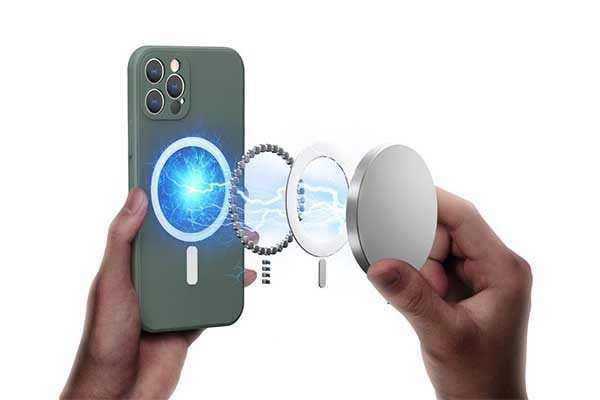
Many people wonder if they can still use wireless charging with a phone case on. It's a common concern since cases can vary in thickness and material.
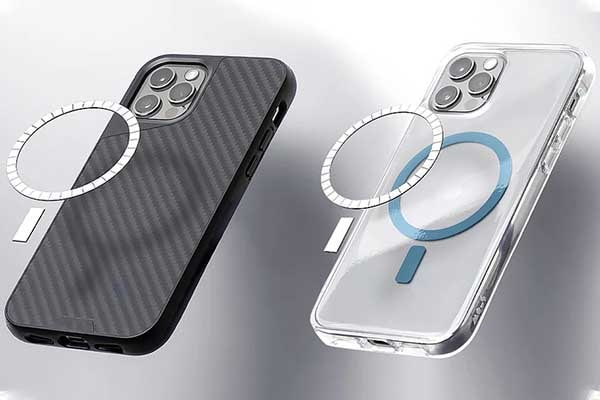
Yes, you can wirelessly charge your phone with a case on it, but the charging speed[16] may be slower. The efficiency depends on the case's material and thickness. Thin cases made of plastic or leather usually allow wireless charging without much trouble, while thick or metal cases can block the signal and reduce charging speed.
Wireless charging has become increasingly popular, especially with the advancement of cell phone wireless charging technology. But the compatibility of wireless charging with phone cases[17] is a topic worth exploring. To understand this better, let's look at the factors that affect wireless charging through cases.
Factors Affecting Wireless Charging with a Case[18]
| Factors | Description | Impact |
|---|---|---|
| Case Material | Plastic, leather, and thin fabric cases allow wireless charging. | Minimal to no impact on charging speed. |
| Thickness | Thin cases are better for wireless charging. | Thicker cases may slow down charging. |
| Metal Components[19] | Metal cases or cases with metal parts can block the signal. | Significant reduction in charging speed or no charging at all. |
The material of the case plays a crucial role. Plastic and leather are good conductors for wireless charging signals, while metal can interfere with the electromagnetic field needed for charging. Thickness is also important. A thin case will allow the charging signal to pass through more easily, whereas a thick case might weaken the signal and slow down the charging process. Some cases are specifically designed to be wireless charging-friendly, which is something to consider when choosing a case.
In addition to these factors, the type of wireless charging technology used in your phone can also influence the charging efficiency. For example, some phones use electromagnetic induction, which requires the charging coil to be in close proximity to the phone's coil. If the case is too thick or has metal parts, it can disrupt this alignment and affect charging.
Overall, while you can generally wirelessly charge your phone with a case on, it's important to choose a case that is compatible with wireless charging to ensure optimal performance.
Why did my phone stop wireless charging?
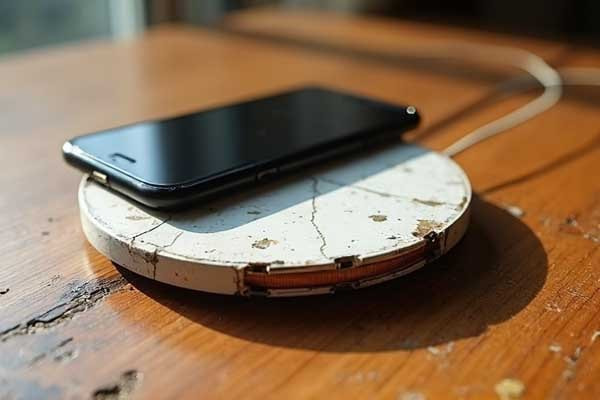
It's frustrating when your phone suddenly stops wireless charging. There are several reasons this could happen, and it's important to identify the issue to fix it.
Your phone may stop wireless charging due to a variety of reasons, including a faulty charging pad, a damaged phone coil, software issues, or even a case that blocks the signal. Checking these components and troubleshooting can help resolve the problem.
When your phone stops wireless charging, it can be a puzzling issue. There are several potential causes, and understanding them can help you find a solution. Let's break down the common reasons and how to address them.
Common Causes[20] and Solutions
| Cause | Description | Solution |
|---|---|---|
| Faulty Charging Pad[21] | The charging pad may be damaged or not working properly. | Try using a different charging pad to see if the problem persists. |
| Damaged Phone Coil | The coil inside the phone that receives the charge may be damaged. | Check for any visible damage or contact the manufacturer for further assistance. |
| Software Issues | Sometimes, software glitches can interfere with wireless charging. | Restart your phone or update the software to the latest version. |
| Case Blocking Signal | A thick or metal case can block the charging signal. | Remove the case and try charging again. |
A faulty charging pad is one of the most common reasons for wireless charging to stop working. If the pad is damaged or not functioning correctly, it won't be able to transmit the charging signal to your phone. To check this, you can try using a different wireless charging pad to see if your phone starts charging again.
Another potential issue could be with the phone's internal coil. This coil is responsible for receiving the wireless charge, and if it's damaged, your phone won't charge. In this case, you may need to contact the manufacturer for further assistance or consider getting your phone repaired.
Software issues can also play a role in wireless charging problems. Sometimes, a simple restart of your phone can resolve the issue. If that doesn't work, updating your phone's software to the latest version might help. Manufacturers often release updates that fix bugs and improve the functionality of features like wireless charging.
Lastly, as mentioned earlier, the case on your phone can block the charging signal. If your case is too thick or made of metal, it can prevent the wireless charging signal from reaching your phone's coil. Removing the case and trying to charge your phone without it can help determine if the case is the problem.
Understanding these potential causes and taking the appropriate steps to troubleshoot can help you get your wireless charging working again. It's always a good idea to start with the simplest solutions, like trying a different charging pad or removing the case, before moving on to more complex fixes.
Why wireless charging is not popular?
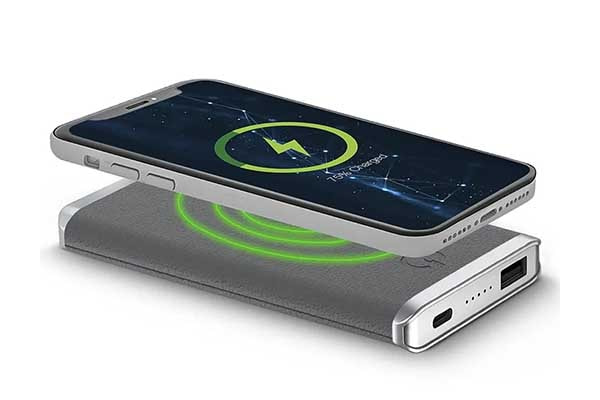
Wireless charging promises cable-free convenience, but adoption remains limited. We see three core barriers[22]: technical limitations, user habits, and market fragmentation.
Smartphone wireless charging struggles with slower speeds compared to wired alternatives. Most devices require precise alignment with charging pads, and metal objects like keys or coins can disrupt magnetic fields. While convenient for overnight use, it fails to replace cables for fast top-ups during busy days.
The Efficiency Bottleneck[23]
Wireless charging converts electricity to magnetic energy and back, losing 20-30% efficiency. This energy waste impacts both environmental goals and user costs. For example:
| Charging Type | Efficiency | Speed (0-100%) |
|---|---|---|
| Wired Charging | ~90% | 1.5 hours |
| Wireless Charging | ~70% | 3 hours |
This gap persists despite advancements like M-Magnet’s precision neodymium arrays for better coil alignment. Heat generation during energy transfer[24] further complicates designs – phones throttle charging speeds to avoid battery damage[25], creating a cycle of inefficiency.
The Compatibility Maze
Multiple competing standards (Qi, PMA, proprietary systems) confuse consumers. A MagSafe charger works seamlessly with iPhones but fails with Android devices lacking magnetic alignment rings. This fragmentation discourages accessory purchases and limits cross-device usability.
Manufacturers also prioritize unique features over universal compatibility. Xiaomi’s 80W wireless charger only achieves full speed with specific phone models, while Samsung’s solutions require proprietary adapters. Such tactics protect brand ecosystems but slow industry-wide adoption.
User Behavior[26] vs. Innovation
Consumers trained by decades of cable use remain skeptical. Wireless charging pads still demand surface contact – you can’t freely use your phone while charging. Until "true" spatial charging[27] (charging across rooms) becomes viable, cables retain practical advantages for multitasking users.
The rise of cell phone wireless charging accessories (power banks, car mounts) hints at potential. However, most require purchasing new gear. As a magnet supplier, we see demand growing for modular designs that integrate charging into furniture and vehicles – a shift that could make the technology invisible and indispensable.
Conclusion
The invention of wireless charging for smartphones is a story of collaboration between visionaries like Nikola Tesla and modern innovators like Samsung and WiTricity. While Tesla’s ideas were ahead of his time, companies like Samsung and the WPC turned his concepts into practical solutions. Today, wireless charging is a standard feature in most smartphones, offering convenience and reliability. As technology evolves, we can expect even faster and more efficient charging methods to emerge, further simplifying our lives.
Note:
[7]Explain the electromagnetic induction with detailed pictures and video.↪
[9]Check if your phone supports QI charging standard with a step to step guide..↪
[18]Explain the factors about how case thickness influences wireless charging..↪
[25]Introduce if MagSafe and wireless charging damage the battery and how it effects the battery.↪
[27]Explore future wireless charging trends, including over-the-air (spatial) charging concepts.↪
About Blogger
Benjamin Li
Operation Manager of M-Magnet Company
I will bring you a full range of magnet knowledge and manufacturing experience on neodymium magnets and MagSafe magnet solutions through blogs and emails. I'm not an expert yet in magnets, but we have a whole team to help you solve technical issues, design drawing details, compatibility suggestions from magnetic assemblies, magnet purchasing and many other customized magnet solutions from China. You can follow my blogs on knowledge sharing or contact me for your own magnet solutions. We will always do the best.