Can a Magnet Disable a Security Camera?

People worry magnets can disable security cameras. This concern arises from fears about privacy and security. But do magnets really stop cameras from working?
Most security cameras are designed to resist magnetic interference. While strong magnets can disrupt analog cameras or damage sensitive components, modern IP and wireless cameras usually withstand moderate magnetic fields. The effect depends on magnet strength, camera type, and proximity.
Let’s explore whether cameras contain magnets and how magnets interact with them.
Table of Contents
Do cameras have magnets in them?

Magnets inside cameras are often overlooked but play important roles. Understanding their presence helps clarify how external magnets affect cameras.
Cameras commonly contain small neodymium magnets used in autofocus systems, image stabilization, shutter control, and lens detection. These magnets drive mechanical parts precisely and reliably, contributing to image clarity and camera performance.
Magnets in cameras are usually tiny but powerful. For autofocus, magnets interact with coils to move lenses quickly and accurately. In image stabilization, magnets adjust lens or sensor positions to reduce blur. Shutter mechanisms may also use magnets to control exposure timing. Some electronic viewfinders and lens swap detectors rely on magnets for precise operation.
The Role of Magnets Inside Cameras
Magnets inside cameras are essential for key functions. Their strength and shape vary depending on the system they support. Neodymium magnets (NdFeB) are preferred for their high magnetic strength in small sizes.
Common Camera Magnet Applications and Characteristics
| Camera Component | Magnet Role | Magnet Type & Size |
|---|---|---|
| Autofocus System | Moves lens elements precisely | Small NdFeB, cylindrical or square |
| Image Stabilization | Adjusts lens or sensor to reduce blur | Larger NdFeB, ring or composite shapes |
| Shutter Control | Controls exposure timing | Small NdFeB magnets |
| Lens Swap Detection | Detects lens presence and type | Tiny magnets embedded in mount |
The magnetic fields inside cameras are carefully controlled and shielded to avoid interference. External magnets must be very strong and close to affect these internal magnets or electronic components. This is why typical household magnets rarely disrupt modern cameras.
At M-Magnet, we manufacture high-quality neodymium magnets tailored for camera systems. Our magnets ensure precise control and durability, supporting advanced camera functions worldwide.
Can a magnet damage a phone camera?
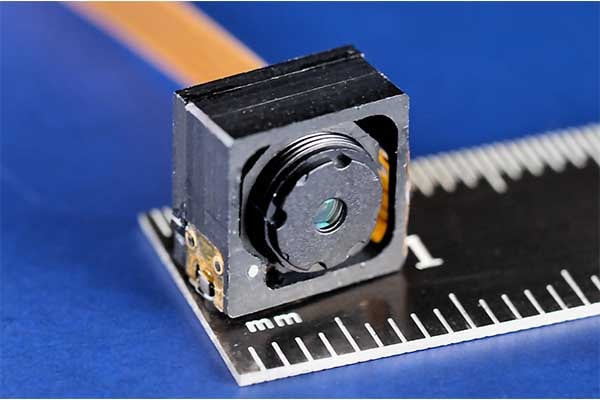
Modern phone cameras rely on delicate sensors and autofocus systems. While casual magnet exposure rarely causes harm, strong magnets could disrupt their functionality.
No. Standard fridge magnets lack the strength to damage phone cameras. However, high-powered magnets (e.g., neodymium magnets) may temporarily interfere with autofocus mechanisms or image stabilization. Permanent damage is unlikely unless magnets directly contact sensors for extended periods.
How Magnets Interact with Camera Components
| Magnet Strength | Effect on Camera | Duration |
|---|---|---|
| Weak (e.g., fridge magnet) | No visible impact | N/A |
| Medium (e.g., speaker magnet) | Temporary focus lag | 5-10 minutes |
| Strong (e.g., neodymium magnet) | Distorted colors | Immediate |
Phone cameras use small magnetic components for features like optical image stabilization (OIS). While a magnet’s field might briefly misalign these parts, manufacturers design them to reset automatically. For example, iPhone cameras include shielding to reduce magnetic interference.
Industrial-grade magnets, however, pose unique risks. At M-Magnet, we’ve seen cases where improperly mounted neodymium magnets caused flickering in dashcams. This happens because strong fields overwhelm the camera’s shielding. Still, permanent damage requires extreme scenarios — like placing a magnet directly on the lens for hours.
What does a cam magnet do?

Cam magnets are specialized magnets designed to enhance or modify camera functionality. They’re widely used in mounts, lens attachments, and security systems.
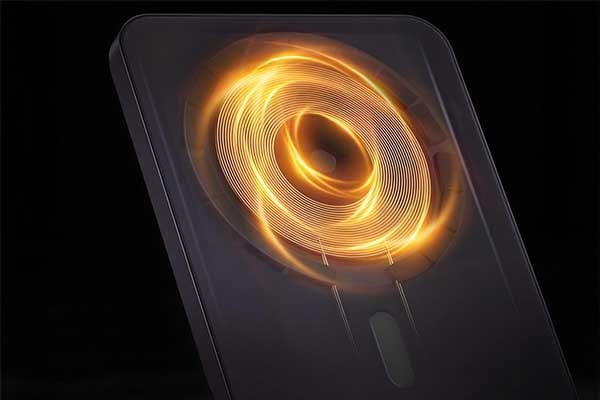
Camera magnets enable secure mounting (e.g., MagSafe-compatible accessories) or assist in focus mechanisms. They’re engineered to balance strength and safety, ensuring compatibility with sensitive electronics.
Applications and Safety Considerations
| Use Case | Magnet Type | Key Features |
|---|---|---|
| Phone Mounts | Ring magnets | Low gauss, anti-slip design |
| Security Cameras | Neodymium discs | Weather-resistant coating |
| Lens Filters | Thin flexible magnets | Precision alignment |
Most commercial cam magnets operate below 200 gauss to avoid disrupting electronics. For example, MagSafe uses 18-20 magnets arranged in a ring to distribute force evenly. This design prevents localized strong fields that could affect cameras.
In security systems, magnets often trigger reed switches in cameras. When a door opens, the magnet moves away, activating the camera. We recommend using ferrite magnets here — they’re less prone to corrosion in outdoor environments.
Do sensors have magnets?

People wonder if sensors contain magnets. This is important for understanding how sensors work and if external magnets can affect them. Many types of sensors do have magnets as part of their internal mechanism.
Yes, many sensors use magnets to detect changes in magnetic fields or to facilitate their operation. These magnets are often small and precisely calibrated for the sensor's specific function. Examples include Hall effect sensors, reed switches, and some types of proximity sensors.
The Role of Magnets in Sensor Technology
Magnets play a crucial role in a wide array of sensor technologies. Their ability to interact with magnetic fields or to generate their own fields allows for the detection of various physical phenomena. To really understand this, let's look at some common sensor types that use magnets:
Hall Effect Sensors
Hall effect sensors are a prime example of sensors that rely on magnets. These sensors work by detecting changes in a magnetic field. Inside a Hall effect sensor, a small piece of semiconductor material carries a current. When a magnet is brought near the sensor, the magnetic field exerts a force on the moving charges in the semiconductor. This force, known as the Lorentz force, causes the charges to deflect, resulting in a voltage difference across the semiconductor. This voltage difference, called the Hall voltage, is proportional to the strength of the magnetic field. By measuring this voltage, the sensor can detect the presence, strength, or even the direction of a magnetic field.
Hall effect sensors are used in many applications, such as detecting the speed of a rotating shaft (like in anti-lock braking systems in cars) or determining the position of a mechanical part. The magnet in these systems can be either a permanent magnet attached to the moving part or an electromagnet. The sensor itself contains the semiconductor material that detects the field.
Reed Switches
Reed switches are another type of sensor that uses magnets. A reed switch consists of two thin, flexible metal reeds enclosed in a glass tube. These reeds are typically made of a ferromagnetic material. When a magnet is brought near the reed switch, the magnetic field causes the reeds to attract each other and close, completing an electrical circuit. When the magnet is moved away, the reeds spring back to their original open position, breaking the circuit.
Reed switches are often used in security systems to detect if a door or window is open or closed. A magnet is placed on the moving part (the door or window), and the reed switch is placed on the frame. When the door or window is closed, the magnet is close enough to the switch to close the circuit. If the door or window is opened, the magnet moves away, and the switch opens, triggering an alarm.
Some Proximity Sensors
Some types of proximity sensors also use magnets. These sensors detect the presence of a nearby object without any physical contact. One way to achieve this is by using a magnet in the sensor and detecting the presence of a ferromagnetic material (like iron or steel) near it. The change in the magnetic field caused by the nearby ferromagnetic object can be sensed by the sensor.
Another type of magnetic proximity sensor uses a permanent magnet in conjunction with a magnetic field sensor (like a Hall effect sensor or a magnetoresistive sensor). When a ferromagnetic object comes close to the magnet, it alters the magnetic field lines, which is then detected by the sensor.
In conclusion, magnets are integral components in various sensor technologies, enabling them to detect a wide range of physical phenomena, from magnetic fields themselves to the presence and position of objects. Understanding this helps in considering how external magnets might interact with these sensors.
Do magnets make sensors go off?

People are curious if external magnets can trigger sensors. This is a concern for security systems and electronic devices that rely on sensors. Strong external magnets can indeed trigger certain types of sensors that rely on magnetic fields.
Yes, strong enough external magnets can activate or interfere with sensors that are designed to respond to magnetic fields. This includes sensors like reed switches and Hall effect sensors, which are commonly used in security systems and some electronic devices. The effect depends on the strength and proximity of the external magnet.
The Interaction Between External Magnets and Sensor Functionality
The question of whether external magnets can trigger sensors is important for understanding the vulnerabilities and potential interference with various electronic systems. The answer largely depends on the type of sensor and the strength of the external magnetic field. Let's delve deeper into how external magnets can affect different types of sensors:
Impact on Reed Switches
As discussed earlier, reed switches operate based on the presence of a magnetic field. When an external magnet is brought close to a reed switch, its magnetic field can cause the internal reeds to close, just as the intended magnet in the system would. This means that a strong external magnet can indeed trigger a reed switch even if the normal activating magnet is not present.
This vulnerability can be a concern for security systems that use reed switches to detect the opening of doors and windows. A person with a powerful external magnet could potentially hold it near the reed switch on the frame, causing the switch to remain closed even when the door or window is opened, thus preventing the alarm from being triggered. The strength of the external magnet and its proximity to the reed switch are crucial factors in determining whether it can successfully override the system.
Influence on Hall Effect Sensors
Hall effect sensors are also susceptible to external magnetic fields. These sensors are designed to measure the strength and direction of a magnetic field. When a strong external magnet is brought near a Hall effect sensor, it introduces an additional magnetic field that the sensor will detect. Depending on the specific application of the Hall effect sensor, this external field can have different effects.
In some cases, the external magnetic field might cause the sensor to output a signal that is interpreted as a specific event or condition. For example, if a Hall effect sensor is used to detect the position of a magnet on a moving part, a strong external magnet held nearby could create a false reading of that position.
In other scenarios, a strong external magnetic field might saturate the Hall effect sensor, meaning that the sensor's output reaches its maximum limit and cannot respond accurately to further changes in the intended magnetic field. This could effectively blind the sensor to the signals it is supposed to detect.
Effects on Other Sensor Types
It's important to note that not all sensors are affected by external magnets. For example, optical sensors, pressure sensors, and temperature sensors typically operate based on different physical principles and are generally immune to magnetic fields. However, any sensor that is designed to detect or be influenced by magnetic fields is potentially vulnerable to interference from strong external magnets.
The table below summarizes the potential effects of external magnets on different types of sensors:
Potential Impact of External Magnets on Sensors
| Sensor Type | Mechanism | Potential Effect of External Magnet |
|---|---|---|
| Reed Switch | Closes contacts in the presence of a magnetic field. | Can be triggered to close, potentially bypassing security. |
| Hall Effect Sensor | Produces a voltage proportional to the magnetic field strength. | Can produce false readings or become saturated, disrupting normal function. |
| Magnetic Proximity Sensor | Detects the presence of ferromagnetic materials or changes in a magnetic field. | Can be triggered by the external magnet itself or have its readings altered. |
| Optical Sensor | Detects light or changes in light intensity. | Generally not affected by magnetic fields. |
| Pressure Sensor | Measures force per unit area. | Generally not affected by magnetic fields. |
| Temperature Sensor | Measures the degree of hotness or coldness. | Generally not affected by magnetic fields. |
As a neodymium magnet manufacturer, we understands the power of magnetic fields. While our magnets are essential for many technologies, it's important to be aware of their potential to interact with and affect magnetic sensors. Security system designers and users of electronic devices should consider these vulnerabilities and implement appropriate safeguards.
What do magnets do to devices?
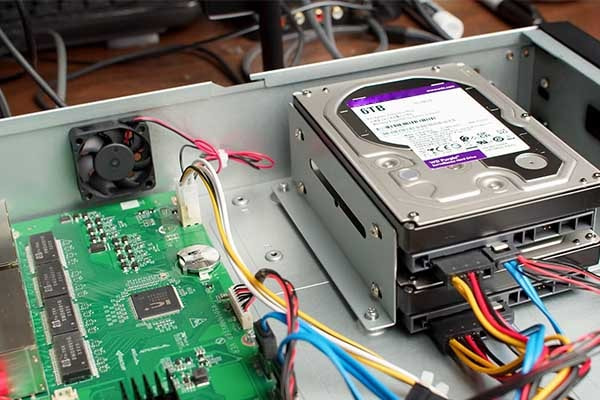
Magnets can affect electronic devices, but the impact varies widely depending on device type and magnet strength.
Magnets induce magnetic fields that can disrupt or erase data stored magnetically, interfere with sensors, or generate electric currents in circuits. However, modern electronics like solid-state drives and most cameras are largely immune to typical magnetic fields. Damage usually requires very strong magnets or specialized conditions.
Magnets can scramble data on magnetic storage devices like hard drives or credit cards by realigning magnetic domains. They can also cause electromagnetic interference (EMI) that disrupts signals in sensitive electronics. But devices using electronic memory or shielding are much safer.
How Magnets Interact with Electronic Devices
Magnets affect devices primarily through magnetic fields interacting with magnetic storage or inducing currents in circuits. The risk depends on the device’s design and the magnet’s strength and proximity.
Effects of Magnets on Various Electronic Devices
| Device Type | Effect of Magnets | Damage Risk |
|---|---|---|
| Magnetic Storage (HDD, credit cards) | Data scrambling or erasure | High if magnet is strong and close |
| Solid-State Storage (SSD, USB) | No effect, stores data electronically | None |
| Cameras (digital, security) | Possible temporary sensor interference; no permanent damage | Very low under normal conditions |
| Speakers and Sensors | Magnetic components may be affected temporarily | Low, designed to tolerate fields |
Strong magnets can induce currents in wiring, potentially damaging delicate circuits if the current is large enough. This is rare outside industrial environments. Electromagnetic pulses (EMPs) are extreme cases that can fry electronics but require specialized equipment.
Most modern security cameras use solid-state memory and are shielded against electromagnetic interference. Their sensors and processors are designed to function reliably even near household magnets.
Conclusion
Magnets are integral to many camera functions like autofocus and image stabilization. These internal magnets are small but powerful and carefully designed. While strong external magnets can disrupt some camera types, most modern cameras resist typical magnetic interference. Understanding camera magnet use helps clarify why disabling a camera with a magnet is difficult. For specialized camera magnet needs, M-Magnet offers customized solutions to meet exact specifications.
About Blogger
Benjamin Li
Operation Manager of M-Magnet Company
I will bring you a full range of magnet knowledge and manufacturing experience on neodymium magnets and MagSafe magnet solutions through blogs and emails. I'm not an expert yet in magnets, but we have a whole team to help you solve technical issues, design drawing details, compatibility suggestions from magnetic assemblies, magnet purchasing and many other customized magnet solutions from China. You can follow my blogs on knowledge sharing or contact me for your own magnet solutions. We will always do the best.