How to Use Disc Magnets for DIY Projects?
How to Use Disc Magnets for DIY Projects?
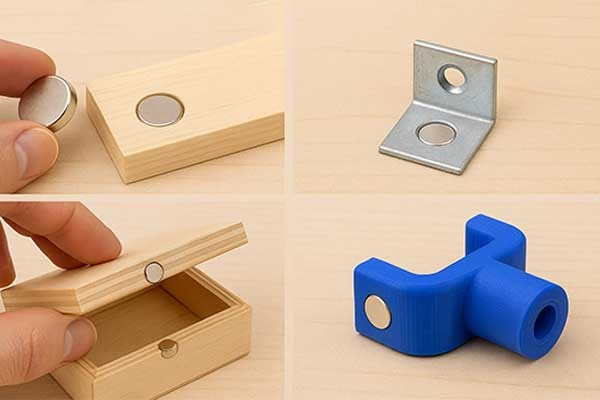
Disc magnets solve common DIY problems. Many struggle with weak adhesives or complex fasteners. These compact neodymium magnets offer invisible holding power up to 15kg.
Disc magnets work for DIY by creating hidden attachments, organizing tools, and enabling movable parts. Their flat circular shape fits discreetly into wood, metal, or plastic projects while providing strong magnetic force for hanging, closing, or securing items.
Keep reading to learn everything about disc magnets and their DIY uses.
Table of Contents
What is a disc magnet?
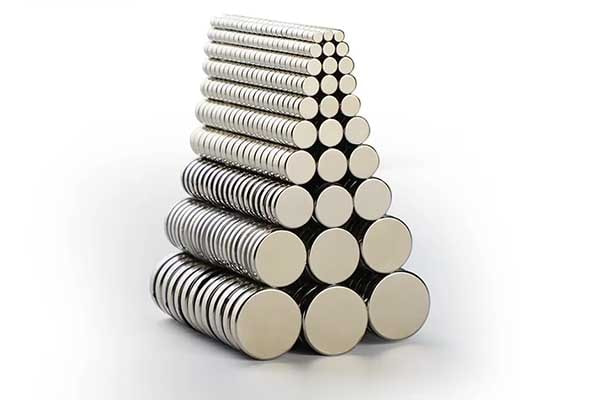
Disc magnets seem simple but are powerful components for many projects. What exactly are they?
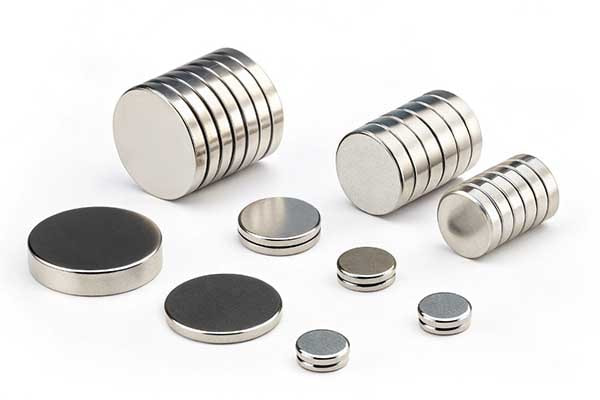
A disc magnet is a round, flat magnet typically made from neodymium, ferrite, or ceramic. Its flat shape maximizes surface area, providing strong holding power for its size. These magnets are popular because they are easy to handle and integrate into DIY crafts.
Disc magnets are often made from neodymium, known as the strongest type of permanent magnet available today. Their compact disc shape allows users to efficiently apply magnetic force in a small, defined area. This makes them the choice for various applications, from electronics to home projects.
Disc Magnet Materials and Features
| Material | Strength | Temperature Resistance | Common Uses |
|---|---|---|---|
| Neodymium (NdFeB) | Very strong | Moderate to high | Wireless chargers, DIY tools, holders |
| Ceramic (Ferrite) | Moderate | High | Fridge magnets, loudspeakers |
| Alnico | Low to moderate | Very high | Motors, sensors |
Disc magnets stand out due to their strength and ease of integration. Neodymium disc magnets, in particular, offer a strong magnetic field in a thin, flat form. This feature makes them ideal for projects requiring discreet but strong magnets, such as MagSafe-compatible devices or custom tools.
Using disc magnets requires understanding their magnetic properties and selecting the right size and strength. Overestimating their force can risk damaging electronics or creating safety hazards, while underestimating may result in weak grips.
M-Magnet Company produces high-quality neodymium disc magnets that maintain strength and durability. Their range includes sizes and coatings for different needs, supporting custom DIY projects worldwide.
Understanding what a disc magnet is will help you use them efficiently in your DIY creations, whether for mounting, holding, or constructing magnetic mechanisms. Their flat shape and strong magnetic force provide a versatile solution you can count on.
Do disk magnets have only the north pole?
DIY projects often fail because people don't understand basic magnet properties. This creates frustration and wasted materials. The solution is learning how disc magnets actually work before starting your project.
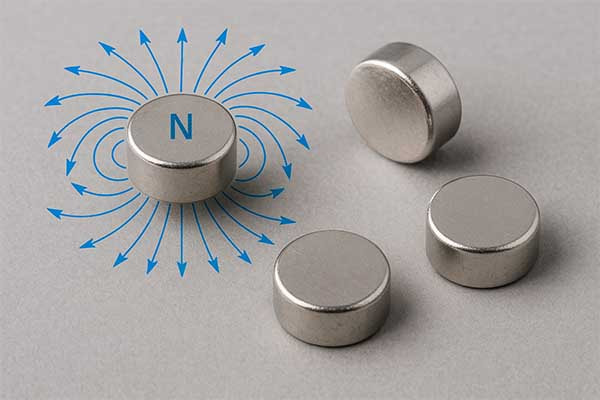
No, disk magnets do not have only the north pole. Every magnet disc has both a north pole and a south pole, located on opposite flat faces of the disc. This dual-pole structure is what makes disc magnets useful for various DIY applications.
Understanding Disc Magnet Pole Configuration
The confusion about disc magnet poles comes from their flat, circular design. Unlike bar magnets where poles are clearly at opposite ends, disc magnets have their poles on the flat circular faces. One face is the north pole, and the opposite face is the south pole.
This pole arrangement makes disc magnets particularly effective for specific applications. When you place a magnet disc on a metal surface, the magnetic field flows from the north pole through the metal and back to the south pole. This creates a strong holding force that many DIY enthusiasts find perfect for their projects.
The magnetic field of a disc magnet forms a unique pattern. The field lines emerge from the north pole face, curve around the outside of the disc, and return to the south pole face. This creates what we call a "pancake" magnetic field pattern, which differs significantly from the field pattern of bar magnets or ring magnets.
| Magnet Type | Pole Location | Field Pattern |
|---|---|---|
| Disc Magnet | Flat faces | Pancake shape |
| Bar Magnet | Opposite ends | Dumbbell shape |
| Ring Magnet | Flat faces | Donut shape |
Practical Applications in DIY Projects
When working with disc magnets in DIY projects, understanding their dual-pole nature becomes crucial. The pole configuration affects how you can use these magnets in various applications. For example, if you're creating a magnetic closure system, you need to ensure the poles are properly aligned for attraction rather than repulsion.
Many DIY projects benefit from the disc magnet's unique properties. Cabinet door closures work well because the flat pole faces provide maximum contact area with metal strike plates. Magnetic tool holders take advantage of the strong holding force that results from the disc's field pattern. Even simple projects like magnetic picture frames rely on understanding which face of the magnet disc to use.
I often see DIY enthusiasts struggle with magnet disc orientation in their projects. They might install a magnetic latch backward, causing the door to push away instead of pulling closed. This happens because they don't realize that flipping the disc changes which pole faces the strike plate. The solution is simple: test the magnet orientation before permanent installation.
The strength of a magnet disc depends on several factors beyond just the pole configuration. The material composition, size, and thickness all play important roles. Neodymium disc magnets from manufacturers like M-Magnet offer superior strength compared to ferrite disc magnets, making them ideal for demanding DIY applications.
Temperature also affects disc magnet performance. Most neodymium magnets lose strength when heated above their rated temperature. This matters for DIY projects in hot environments or near heat sources. Always check the temperature rating before using disc magnets in applications like automotive projects or outdoor installations.
The coating on disc magnets serves both protective and functional purposes. Nickel-plated magnets resist corrosion while providing a smooth surface for sliding applications. Rubber-coated disc magnets offer better grip and protect surfaces from scratches. Choose the coating based on your specific DIY project requirements.
Safety Considerations for DIY Use
Working with disc magnets requires attention to safety, especially with strong neodymium varieties. The dual-pole nature means these magnets can snap together with considerable force. Always handle them carefully to avoid pinched fingers or damaged surfaces.
When two disc magnets attract, they can collide with enough force to chip or crack. This is particularly true with larger diameter discs or thicker magnets. Store them separated by spacers or attach them to metal surfaces to prevent accidental collision.
The magnetic field strength decreases rapidly with distance from the pole faces. This means the holding force is strongest when the magnet disc makes direct contact with the target surface. Gap tolerance varies by magnet strength and size, but even small air gaps significantly reduce holding force.
For DIY projects involving multiple disc magnets, consider the cumulative magnetic field effects. Several magnets in close proximity can create complex field interactions that might interfere with electronic devices or affect other magnetic materials unexpectedly. Plan your project layout accordingly to avoid these issues.
How does a disk magnet work?

Are you curious about disk magnets? Disk magnets create invisible force fields through aligned atomic poles (north/south), generating consistent pull force across their flat circular surface - a 20mm N35 disk magnet can hold 3.5kg vertically on steel.
A disk magnet creates a magnetic field. This field exerts force on other magnetic materials, like iron or nickel, attracting or repelling them. The magnet's strength depends on its material and size, allowing it to hold objects or create movement. This fundamental property makes it useful for various applications.
Disk magnets work through the fundamental principles of magnetism. Every magnet has a north and south pole. These poles create an invisible area around the magnet called a magnetic field. This field is responsible for the forces of attraction and repulsion we observe. When two magnets are brought close, opposite poles attract, and like poles repel. This simple interaction is the basis for many applications. For example, a neodymium disk magnet is very strong because of its material composition.
The strength of a magnet is not just about its size. It also depends on the type of material it is made from. Neodymium magnets are known for their high strength relative to their size. This makes them ideal for applications where space is limited but strong magnetic force is needed. For instance, in small electronic devices or for securely holding items, a small neodymium disk magnet can be very effective.
Consider how these magnets are used in everyday objects. In closures for bags or cabinet doors, they provide a secure hold. In toys, they can create motion or allow pieces to connect. Even in industrial settings, magnets are used for lifting heavy objects or sorting materials. The design of a disk magnet, with its flat circular shape, allows for various attachment methods and efficient use of space. At M-Magnet Company, we understand these principles and apply them to create customized solutions for our clients. We work with clients in America and Europe, providing high-quality magnets for diverse needs.
Understanding Magnetic Fields and Materials
| Property | Description | Example Material |
|---|---|---|
| Permeability | How easily a material forms a magnetic field. | Iron |
| Coercivity | How well a material resists demagnetization. | Neodymium |
| Remanence | The strength of the residual magnetic field after magnetization. | Ferrite |
What are the uses of disc magnet in everyday life?

People often face small daily challenges. They want simple solutions that work quickly and last long. Neodymium disc magnets offer strong holding power in a small size.
Neodymium disc magnets are used for fridge doors, phone holders, magnetic closures, tools, and craft projects. They are strong and compact, ideal for home or office use.
Simple DIY applications with strong performance
Disc magnets play an important role in modern daily life. Their flat, round shape and strong magnetic pull make them perfect for many small-scale applications. Neodymium disc magnets, in particular, are popular for DIY users. They can hold, secure, or detect metal objects in creative setups. Their wide availability and strong magnetic field allow users to replace bulky mechanical fasteners.
Common Applications
-
Kitchen Organization: Many people use disc magnets to hang metal kitchen tools on a magnetic board. This saves space and looks neat.
-
Closures: They work well as hidden fasteners for cabinets, boxes, or folders.
-
Electronics: DIY tinkerers often use them to hold battery packs, fix circuit boards, or create magnetic switches.
-
Crafts and Decorations: They can hold pieces together in models, frames, or paper designs.
-
Furniture and Home Repairs: Disc magnets can help reattach panels, create modular shelves, or act as removable fasteners.
Challenges and Considerations
While neodymium disc magnets are highly effective, they can damage electronic items if placed too close. Their strong pull may also pinch skin. Always handle with care, especially around children or sensitive devices.
They can also corrode if left uncoated. Most quality magnets, like those from M-Magnet, come with coatings like nickel, epoxy, or plastic for better durability.
Typical Uses of Neodymium Disc Magnets in Daily Life
| Application | How It Works | Why Use Neodymium? |
|---|---|---|
| Fridge Magnets | Hold notes or photos to a refrigerator door | Strong hold, small size |
| Cabinet Closures | Keep cabinet doors shut tightly | Compact and secure |
| Phone Mounts | Attach phones to car dashboards | Quick attachment, no clips |
| DIY Sensors | Trigger reed switches in smart projects | Reliable activation |
Neodymium disc magnets from M-Magnet are tested for strength and quality. Their versatility makes them ideal for both beginner and expert DIY users. If you work on any home improvement or design project, disc magnets often offer a clean, smart, and strong solution.
What is the difference between a ring magnet and a disc magnet?
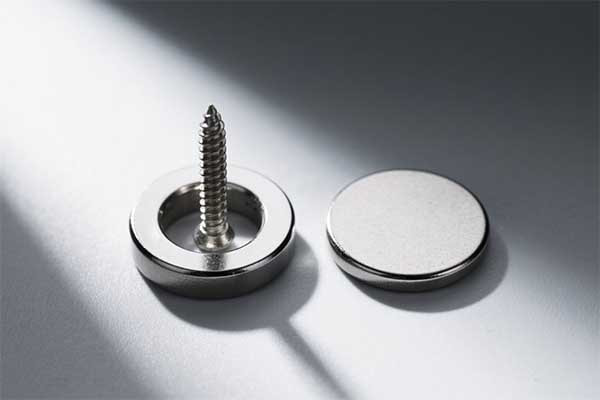
Choosing the right magnet shape for DIY projects can be confusing. Learn the key differences between ring and disc magnets. This guide explains their unique features for better project outcomes.
Ring magnets have a hole in the center, making them ideal for mounting on rods or screws. Disc magnets are solid, flat, and circular, perfect for attaching objects securely. Both are neodymium magnets, but their shapes suit different DIY needs.
Exploring Magnet Shapes for DIY Applications
Ring magnets and disc magnets serve distinct purposes in DIY projects. Their shapes define how they function. Understanding their differences helps you pick the right one for your project.
Ring magnets have a central hole. This makes them great for applications where you need to secure the magnet to a rod, screw, or shaft. For example, I’ve seen DIYers use ring magnets in custom curtain rods or motor assemblies. The hole allows the magnet to slide onto a component, providing stability. However, the hole reduces the magnet’s surface area, which can slightly weaken its magnetic pull compared to a solid shape.
Disc magnets, like our neodymium magnets disc, are solid and flat. They maximize surface contact, offering stronger holding power. These are ideal for projects where you need to attach objects firmly, like magnetic closures for cabinets or wall-mounted tool holders. Their solid design ensures consistent magnetic strength across the entire surface. Yet, without a hole, they require adhesives or other mounting methods.
Both magnet types have unique strengths. Ring magnets excel in mechanical setups needing a pass-through design. Disc magnets dominate in applications requiring maximum hold. Choosing the wrong shape can lead to weak performance or project failure. For instance, using a ring magnet for a heavy-duty closure might not provide enough grip. Conversely, a disc magnet won’t work in a rotating assembly requiring a central hole.
Consider your project’s needs carefully. Think about weight, mounting method, and magnetic strength. Neodymium magnets disc are often preferred for their versatility, but ring magnets shine in specific setups. We’ve helped customers solve these dilemmas by offering customized solutions tailored to their DIY goals.
Comparing Magnet Features
The table below highlights key differences to guide your decision-making.
| Feature | Ring Magnet | Disc Magnet |
|---|---|---|
| Shape | Circular with a central hole | Solid, flat circle |
| Mounting | Slides onto rods or screws | Requires adhesive or holder |
| Magnetic Strength | Slightly reduced due to hole | Stronger due to full surface |
| Common Use | Motors, curtain rods | Closures, tool holders |
Practical Considerations for DIY Success
When planning your DIY project, think about the environment. Ring magnets work well in dynamic systems, like rotating parts, because of their design. Disc magnets, such as our neodymium magnets disc, are better for static applications. For example, a magnetic knife strip benefits from a disc magnet’s strong hold. However, a spinning display might need a ring magnet for balance.
Cost is another factor. Ring magnets can be more expensive due to the manufacturing process for the hole. Disc magnets are simpler to produce, often making them more budget-friendly.
Safety matters too. Neodymium magnets are powerful. Mishandling them can cause pinching or damage to electronics. Always store them away from devices and handle them with care. For DIY projects, test the magnet’s strength before finalizing your design to avoid surprises.
By weighing these factors — shape, strength, cost, and safety — you can choose the right magnet. This ensures your DIY project is both functional and durable.
How to separate disc magnets?
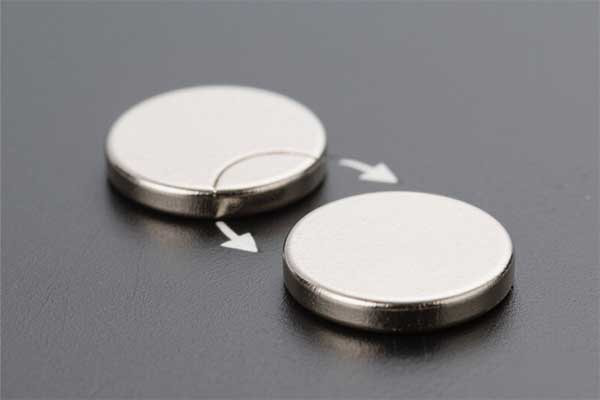
Disc magnets stick so strongly together that separating them often feels difficult and risky for beginners.
Disc magnets, especially neodymium types, can be separated safely using sliding or twisting motions to overcome their strong magnetic pull. Prying or pulling directly may cause damage or injury. Proper techniques minimize the risk of breaking the magnets or pinching fingers.
Handling disc magnets needs care. Let's learn how to separate them safely.
Disc magnets are small but have a very strong magnetic force. When stuck together, their pull can create problems. Simply pulling them apart can cause the magnets to snap suddenly, causing damage to the magnets or injury to hands. Understanding the right way to separate disc magnets can save frustration.
The safest way to separate disc magnets is to slide them sideways against each other rather than pulling them straight apart. Sliding gradually reduces the magnetic grip by changing the contact area. Twisting them while sliding can also help decrease the holding force carefully.
Another option uses leverage by inserting a nonmagnetic thin object, like plastic or wood, between magnets. Slowly moving this wedge moves the magnets apart with less direct force. This method requires patience but reduces sudden snaps.
Methods to Separate Disc Magnets
| Method | Description | Advantages |
|---|---|---|
| Sliding | Move one magnet sideways, reducing contact area slowly | Safe, controlled force, prevents damage |
| Twisting | Rotate one magnet relative to the other while sliding | Reduces magnetic grip gradually, easy to apply |
| Using a Wedge | Insert a nonmagnetic thin tool to separate magnets | Reduces sudden pulls, helps with large magnets |
Handling disc magnets requires understanding of their material properties. Most disc magnets are made from neodymium alloys produced through complex manufacturing including powder metallurgy, sintering, and coating to prevent corrosion. This process creates very hard, brittle magnets that can chip or break if separated incorrectly.
Because disc magnets have very strong magnetic forces concentrated on their flat faces, they tend to snap together firmly. Sudden pulling can cause small cracks or pieces to chip off. This is why slow lateral separation is recommended.
As a manufacturer and supplier of high-quality neodymium magnets, we often advises customers on safe handling techniques. Using recommended separation methods extends the life of the disk magnets and improves safety.
In DIY projects, disc magnets often need to be separated for mounting or repositioning. Choosing the right method protects the magnets and the project components. Keep hands free from the direct pull path to avoid injuries like pinching.
Some users mistakenly try to force apart stacked disc magnets or separate multiple magnets at once. This can lead to uncontrolled release of magnetic energy. Working with one pair at a time with careful technique is always best.
Understanding the magnetic strength and physical brittleness helps users appreciate why disc magnets require special care when separating. This knowledge also helps inform project designs to minimize the need for repeated separation.
The tips above balance care with efficiency. Sliding and twisting motions, sometimes combined with leverage from a wedge, make it possible to handle strong disk magnets safely and successfully in DIY and industrial applications.
Where to buy disc magnets?
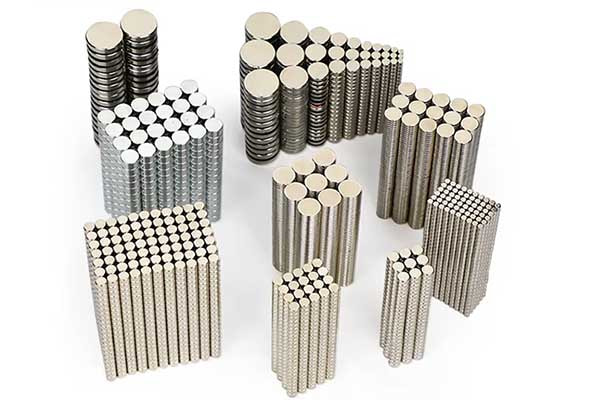
Need strong magnet disc for your next DIY? You can buy, salvage, or customize. Let me show you the fastest paths.
Buy neodymium discs online at supermagnete.de, salvage them from old hard drives and speakers, or order custom sizes from M-Magnet Company. Each route gives reliable strong magnet disc within days.
Buy online shops
Online stores ship fast and list every size. Supermagnete.de stocks over 100 neodymium disc magnets, from 1 mm thin to several cm wide, with self-adhesive and waterproof options.
Quick price guide for strong magnet disc
| Diameter × Height (mm) | Force (kg) | Price (USD) | Store |
|---|---|---|---|
| 10 × 2 | 1.4 | 0.25 | supermagnete.de |
| 20 × 3 | 5.5 | 0.80 | supermagnete.de |
| 30 × 5 | 18 | 2.50 | supermagnete.de |
You can also check Amazon, eBay, and local hardware shops. If you need exact shape, grade, coating, or temperature rating, ask M-Magnet Company for a quote. We ship strong magnet disc to the US, Europe and customers around the world every week.
Salvage for free
Old electronics hide free neodymium discs. Desktop hard drives contain two strong magnet disc plates. Speakers and earbuds also give smaller neodymium discs.
Remember to wear gloves when doing so. The discs snap together hard and can pinch skin. Wipe rust off with alcohol before use.
Easy salvage checklist
| Device | Magnet Count | Tool Needed |
|---|---|---|
| Desktop HDD | 2 | Torx T8 |
| Laptop HDD | 2 | Torx T5 |
| Speaker | 1-2 | Philips #2 |
Custom and bulk orders
When exact size or grade matters, custom is best. M-Magnet Company cuts any diameter, thickness, or coating for prototypes or bulk strong magnet disc runs.
We keep N35, N52, and N55 grades on stock. You can pick nickel, epoxy, or rubber coating. Tolerance can reach ±0.05 mm. MOQ is 100 pcs for custom discs. Lead time is 7-10 days. We also add 3 M adhesive backing or countersunk holes if you need mounting ease. For volume buyers, we provide test reports and drop-ship to Amazon FBA. Ask us for a free sample strong magnet disc before you place the full order.
Conclusion
Disc magnets are flat, round magnets usually made from neodymium. They offer strong magnetic force in a compact shape, making them popular for DIY projects such as holders, mounts, and MagSafe accessories. Selecting the right type and size is key for safe and effective use. Their versatility and power make disc magnets a top choice for many creators. M-Magnet Company offers quality options customized for your needs.
About Blogger
Benjamin Li
Operation Manager of M-Magnet Company