What is a ferrite magnet?
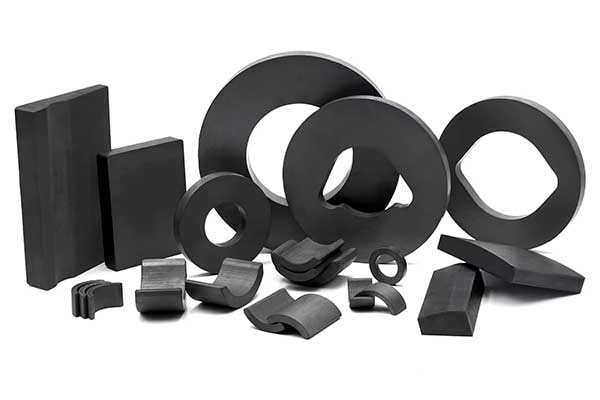
Ferrite magnets are widely used in many industries. They create strong magnetic fields at low cost. But what exactly are they, and why do they matter in the commercial world?
Ferrite magnets are ceramic permanent magnets made from iron oxide and other metals. They offer good magnetic strength, resistance to corrosion, and cost-effectiveness. Ferrite magnets are mainly available in two forms: hard ferrites and soft ferrites.
Let's explore the important types and why they are essential in magnet manufacturing.
Table of Contents
What are the main types of ferrite magnets?
Ferrite magnets can be confusing because the term covers different materials. Many people face problems choosing the right kind for their needs due to this.
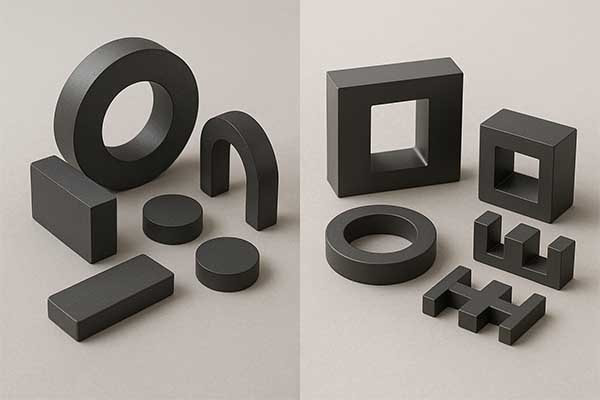
There are two main types: hard ferrite magnets, used as permanent magnets, and soft ferrite magnets, used for their magnetic permeability in electrical components.
Hard Ferrite Magnets vs Soft Ferrite Magnets: What Are Their Core Differences?
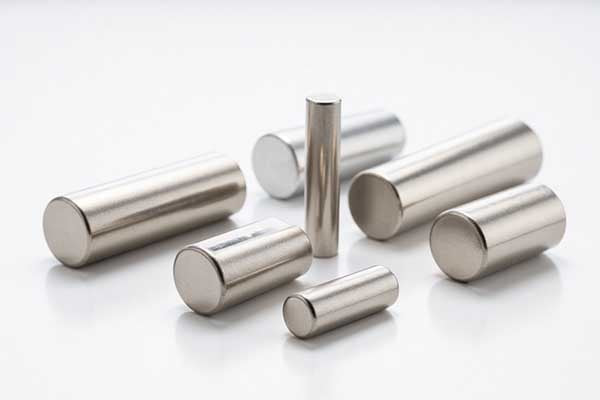
Hard ferrite magnets are also known as "ceramic magnets". They are made from a mixture of iron oxide (Fe2O3) and barium or strontium carbonate. This blend is fired to form a hard, brittle magnet with high coercivity (resistance to demagnetization).
Soft ferrite magnets, on the other hand, are made from similar materials but optimized to have high magnetic permeability and low electrical conductivity. They are not permanent magnets but are crucial in inductors, transformers, and electromagnetic cores.
| Properties | Hard Ferrite Magnets | Soft Ferrite Magnets |
|---|---|---|
| Magnetic Type | Permanent magnet | Non-permanent (magnetic core material) |
| Composition | Iron oxide + barium/strontium carbonate | Iron oxide + zinc or manganese |
| Coercivity | High (resists demagnetization) | Low |
| Resistance to corrosion | Excellent | Good, but depends on application |
| Common Uses | Motors, sensors, magnetic separators, commercial magnets | Inductors, transformers, EMI filters |
Hard ferrite magnets dominate the commercial permanent magnet market. They come with advantages like low cost, high corrosion resistance, and sufficient magnetic strength for many applications. They are not as strong as neodymium magnets but much less costly.
Soft ferrite magnets are vital in electronics and power industries. Their high permeability allows magnetic fields to channel effectively without loss. They usually appear in high-frequency transformers.
In commercial magnet production, the choice between these two types depends on the product and application requirements. For example, M-Magnet Company, specializing in neodymium magnets and customized magnetic solutions, also acknowledges the importance of ferrite magnets for reliable, cost-effective magnetic products.
Understanding these ferrite types helps companies decide which magnet fits their client's application, whether it is a permanent magnet or a core material.
How strong is a ferrite magnet?
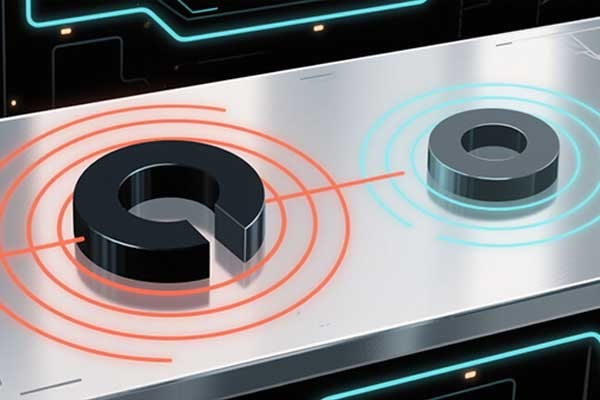
Many people wonder about ferrite magnet strength when choosing magnetic solutions. You need reliable magnetic performance for your applications. Ferrite magnets offer consistent strength that meets most industrial requirements.
Ferrite magnets typically range from 1.8 to 4.2 MGOe (megagauss-oersteds) in magnetic energy product. Hard ferrite magnets achieve BHmax values between 28-35 kJ/m³, while soft ferrites show much lower coercivity around 0.01-1 Oe. The strength depends on the specific ferrite composition and manufacturing process.
Understanding ferrite magnet grades requires knowledge of several key factors that affect their magnetic performance. Grade selection significantly impacts your final application performance.
Ferrite Magnet Grade Classifications
Ferrite magnets follow standardized grading systems that help manufacturers and users select appropriate materials. The most common grading system uses numbers like Y10T, Y20, Y25, Y30H, and Y35. These numbers indicate the minimum energy product (BHmax) in kJ/m³. Higher numbers mean stronger magnetic performance.
Y10T ferrite magnets deliver basic magnetic strength suitable for simple holding applications. They show energy products around 10 kJ/m³ and work well in cost-sensitive projects. Y20 grades offer improved performance with energy products reaching 20 kJ/m³. These grades balance cost and performance for many commercial applications.
Y25 ferrite magnets provide moderate strength for automotive and consumer electronics. Their energy product reaches 25 kJ/m³, making them popular in motor applications. Y30H grades deliver higher performance with energy products around 30 kJ/m³. The "H" designation indicates high coercivity, which means better resistance to demagnetization.
Y35 represents the premium ferrite grade with maximum energy product around 35 kJ/m³. These magnets cost more but deliver superior performance in demanding applications. The properties of ferrite magnets in this grade make them suitable for high-performance motors and speakers.
| Grade | BHmax (kJ/m³) | Coercivity (kA/m) | Applications |
|---|---|---|---|
| Y10T | 8-11 | 125-160 | Basic holding magnets |
| Y20 | 18-22 | 160-200 | General purpose motors |
| Y25 | 23-28 | 190-240 | Automotive components |
| Y30H | 27-32 | 240-280 | High-performance motors |
| Y35 | 32-35 | 275-320 | Premium speakers |
Temperature Effects on Ferrite Strength
Temperature significantly affects ferrite magnet performance. Standard ferrite magnets lose about 0.2% of their magnetic strength for every degree Celsius increase. This temperature coefficient seems small, but it adds up quickly in hot environments.
Operating temperatures above 250°C can permanently damage standard ferrite magnets. The Curie temperature for most ferrite materials ranges between 450-460°C. Beyond this point, ferrite magnets lose their magnetic properties completely. Cold temperatures actually improve ferrite performance slightly, making them suitable for outdoor applications.
Special high-temperature ferrite grades can handle operating temperatures up to 300°C. These grades use modified chemistry that improves temperature stability. However, they typically show lower room-temperature performance compared to standard grades. The trade-off between temperature resistance and magnetic strength requires careful consideration.
Comparing Ferrite Strength to Other Magnet Types
Ferrite magnets show moderate strength compared to other permanent magnet materials. Neodymium magnets deliver 10-50 times stronger magnetic fields than ferrite magnets. However, ferrite magnets cost much less and resist corrosion better than neodymium materials.
SmCo magnets also outperform ferrite magnets in strength and temperature resistance. But SmCo materials cost 20-30 times more than ferrite magnets. AlNiCo magnets show similar strength to ferrite magnets but cost more and have different temperature characteristics.
The properties of ferrite magnets make them ideal for cost-sensitive applications where moderate magnetic strength meets requirements. Many manufacturers choose ferrite magnets because they offer the best value for money in their specific applications.
Where are ferrite magnets used?
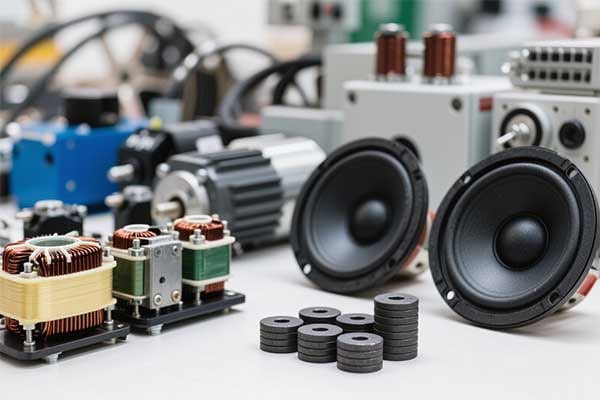
You can see ferrite magnets everywhere in daily life without realizing it. They power your car, make your speakers work, and help transform electricity in power supplies. These versatile magnets solve countless engineering challenges across multiple industries.
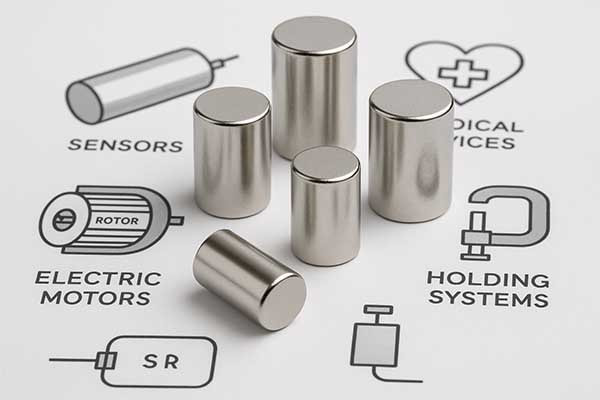
Ferrite magnets are widely used in electric motors, loudspeakers, transformers, automotive components, and magnetic assemblies. They excel in speakers because of their stable magnetic field and cost-effectiveness. Transformers use ferrite cores because they minimize energy losses at high frequencies and provide excellent magnetic permeability.
The widespread adoption of ferrite magnets stems from their unique combination of properties that match specific application requirements. As someone who has supplied ferrite solutions to various industries through M-Magnet, I have seen how these magnets adapt to different engineering challenges while maintaining cost-effectiveness.
Electric Motor Applications
Electric motors represent the largest application area for ferrite magnets. DC motors in automotive applications rely heavily on ferrite magnets for field excitation. Window motors, seat adjustment motors, and cooling fan motors all use ferrite magnets because they provide reliable performance at reasonable costs.
Starter motors in vehicles use large ferrite magnets to generate strong magnetic fields. These motors need high torque for short periods, and ferrite magnets deliver consistent performance even in harsh automotive environments. The temperature stability of ferrite magnets makes them suitable for engine compartment applications.
Industrial motors also benefit from ferrite magnet technology. Pump motors, conveyor motors, and HVAC system motors use ferrite magnets for their reliability and long service life. The properties of ferrite magnets include excellent resistance to demagnetization, which ensures consistent motor performance over years of operation.
Small appliance motors represent another major ferrite magnet application. Hair dryers, vacuum cleaners, power tools, and kitchen appliances all contain ferrite magnet motors. These applications value the cost-effectiveness and reliability that ferrite magnets provide.
Speaker and Audio System Applications
Loudspeakers and audio systems extensively use ferrite magnets because they create stable magnetic fields necessary for accurate sound reproduction. The permanent magnet in a speaker creates a magnetic field that interacts with the voice coil to produce sound waves. Ferrite magnets excel in this application because they maintain consistent magnetic strength over long periods.
Home audio speakers typically use large ferrite magnets in their woofers and mid-range drivers. These magnets need to provide strong, stable magnetic fields while remaining cost-effective for consumer products. Car audio systems also rely on ferrite magnets for their durability and temperature resistance.
Professional audio equipment often incorporates high-grade ferrite magnets for superior performance. Concert speakers, recording studio monitors, and PA systems use premium ferrite grades to achieve better sound quality. The low distortion characteristics of ferrite magnets contribute to cleaner audio reproduction.
Headphones and earphones represent a growing application area for smaller ferrite magnets. These applications require compact magnets that still deliver good audio performance. Modern ferrite magnet designs allow manufacturers to create powerful yet miniature magnetic assemblies.
Application | Ferrite Grade | Key Benefits | Market Share |
|---|---|---|---|
| Electric Motors | Y25-Y30H | Cost-effective, reliable | 65% |
| Loudspeakers | Y30H-Y35 | Stable field, low cost | 20% |
| Transformers | Soft Ferrite | Low losses, high permeability | 8% |
| Automotive | Y20-Y25 | Temperature stable | 5% |
| Other Applications | Various | Application-specific | 2% |
Transformer and Inductor Applications
Transformers and inductors use soft ferrite materials rather than permanent ferrite magnets. Soft ferrites provide high magnetic permeability and low magnetic losses, making them ideal for power conversion applications. These materials can be magnetized and demagnetized easily, which is essential for AC applications.
Power supply transformers in electronic devices use ferrite cores to improve efficiency. The high-frequency performance of ferrite cores allows designers to create smaller, lighter transformers. Switch-mode power supplies benefit significantly from ferrite core technology because they operate at frequencies where ferrite materials excel.
Inductor applications include EMI filters, chokes, and energy storage components. Ferrite cores in these applications help concentrate magnetic fields while minimizing losses. The properties of ferrite materials at high frequencies make them superior to iron cores for modern electronic applications.
Wireless charging systems increasingly use ferrite materials to guide magnetic fields efficiently. The ferrite shields in wireless chargers help direct magnetic energy to the receiving device while reducing interference with nearby electronics. This application represents a growing market for specialized ferrite materials.
Automotive Industry Applications
The automotive industry extensively uses ferrite magnets across numerous systems. Electric power steering systems use ferrite magnet motors for their reliability and cost-effectiveness. These systems need consistent performance over the vehicle's lifetime, and ferrite magnets deliver this reliability.
Fuel injection systems incorporate ferrite magnets in their actuators and sensors. These components must work reliably in harsh engine environments with temperature cycling and vibration. Ferrite magnets handle these conditions better than many alternative magnet materials.
ABS braking systems use ferrite magnets in their speed sensors. These sensors detect wheel rotation speed by monitoring magnetic field changes as ferrite magnets pass by sensor elements. The stability and durability of ferrite magnets ensure accurate braking system operation.
HVAC systems in vehicles rely on ferrite magnet motors for blower fans and actuators. These systems need quiet operation and long service life, requirements that ferrite magnet motors meet effectively. The cost-effectiveness of ferrite magnets also helps keep vehicle prices reasonable.
Electric and hybrid vehicles represent a growing application area for ferrite magnets. While traction motors typically use rare earth magnets, many auxiliary systems still rely on ferrite magnet motors. Cooling fans, power steering, and accessory drives often incorporate ferrite magnet technology for their balance of performance and cost.
To sum up, why are ferrite magnets widely used in speakers and transformers? Because they are cost-effective, have high electrical resistivity, and perform well at high frequencies. Their magnetic stability and low eddy current losses make them ideal for audio and power applications.
Will Ferrite magnets rust?
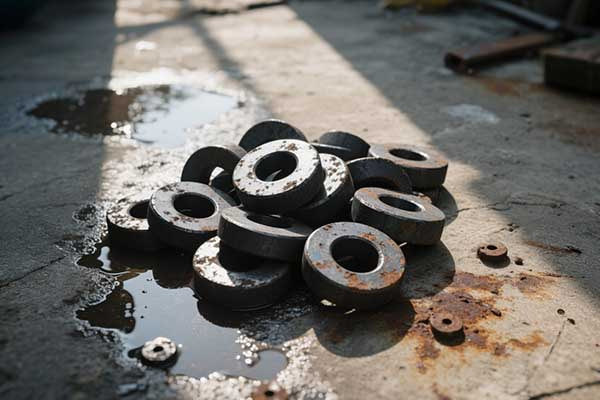
Many people wonder about the durability of ferrite magnets, especially regarding their susceptibility to rust. Rust can severely impact a magnet's performance and lifespan. Understanding ferrite magnet composition helps clarify their resistance to corrosion and whether they need protective coatings.
Ferrite magnets do not rust in the same way that iron or steel corrode because they are ceramic compounds, not metals. They are made from iron oxides and barium or strontium carbonate. This ceramic nature makes them naturally resistant to oxidation and many chemicals. Therefore, ferrite magnets generally do not need a protective coating for corrosion resistance.
When considering magnet durability, corrosion is a key factor. Unlike metallic magnets, ferrite magnets are fundamentally ceramic. This ceramic structure gives them excellent natural resistance to rust and various chemicals. We, at M-Magnet Company, often explain to our clients that this inherent property means they typically do not require additional coatings for environmental protection. This makes them a cost-effective and reliable choice for many applications. However, their physical properties can be a point of discussion. While they resist rust, they can be brittle and chip if dropped or subjected to strong impacts. This is a common characteristic of ceramic materials.
Factors Affecting Ferrite Magnet Durability
| Factor | Description | Impact on Durability |
|---|---|---|
| Material Composition | Ferrite magnets consist of iron oxide and strontium or barium carbonate. | Provides inherent rust and chemical resistance. |
| Environmental Exposure | Exposure to extreme temperatures or certain acids. | Can affect magnetic properties over long periods but rarely causes rust. |
| Mechanical Stress | Impacts, drops, or strong compressive forces. | Can lead to chipping or breakage due to their brittle nature. |
| Operating Temperature | Performance changes with temperature fluctuations. | High temperatures can cause reversible or irreversible loss of magnetism. |
While ferrite magnets do not rust, proper handling and consideration of their environment are still important.
For example, if a ferrite magnet is used in an application where it will be subject to frequent impacts, a protective casing might be beneficial. This casing would protect against physical damage, not corrosion. We also advise customers to consider the operating temperature range for their specific application.
Extreme heat can affect magnetic strength, although this is different from rusting. The benefit of their rust resistance is significant for outdoor applications or in humid environments. This is a primary reason for their widespread use in motors, speakers, and magnetic separators.
Our team at M-Magnet Company focuses on providing customized solutions that take these factors into account, ensuring the magnet's longevity and performance.
Are ferrite magnets safe?
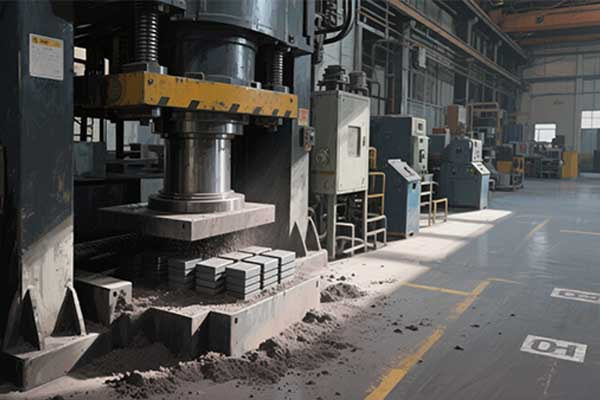
Concerns often arise about the safety of magnets, especially regarding their materials and manufacturing processes. Understanding how ferrite magnets are made helps address these safety questions directly. Learning about their composition and production provides clarity on their general safety for various uses.
Ferrite magnets are generally considered safe for common use. They are made through a process called powder metallurgy, which involves pressing and sintering a mixture of iron oxide and barium or strontium carbonate. The materials themselves are non-toxic, and the manufacturing process creates a stable, ceramic-like product.
When we discuss the safety of ferrite magnets, it is important to look at both their material composition and how they are manufactured.
Their primary components are iron oxide, which is essentially rust, and either barium or strontium carbonate. These are common and generally non-toxic substances. The manufacturing process is also designed to create a stable and inert final product. This process involves several steps, transforming raw powders into solid, magnetic ceramics.
The environmental impact and worker safety are carefully managed during production, which is a standard practice in modern magnet manufacturing.
The Manufacturing Process of Ferrite Magnets
| Step | Description | Safety Consideration |
|---|---|---|
| Raw Material Preparation | Mixing iron oxide with strontium or barium carbonate. | Materials are non-toxic powders; dust control is important. |
| Milling | Grinding raw materials into fine powders. | Ensures uniform mixture; controlled environment for dust. |
| Pressing (Compacting) | Pressing the powder mixture into desired shapes, sometimes in a magnetic field. | High pressure involved; automated processes minimize human contact. |
| Sintering | Heating the compacted shapes at high temperatures. | Forms a dense, stable ceramic; fumes are managed. |
| Finishing | Grinding, slicing, and magnetizing the sintered parts. | Dust control during grinding; magnetic fields are localized. |
The safety of ferrite magnets extends beyond their material composition to their everyday use. Since they are brittle, they can chip or break if dropped. This is a physical hazard, not a chemical one. Broken pieces can have sharp edges.
For this reason, especially in industrial settings, proper handling is always recommended. When it comes to the magnetic field itself, ferrite magnets have a relatively low magnetic strength compared to neodymium magnets. This means their magnetic field is less likely to cause issues with electronic devices or pacemakers from a distance.
However, it is always wise to keep any magnet away from sensitive electronics or medical implants.
At M-Magnet Company, we ensure our products meet international safety standards, providing customized solutions for a range of applications, from simple household uses to complex industrial machinery. The non-toxic nature and stable form of ferrite magnets make them a preferred choice for applications where safety and cost-effectiveness are important.
What can you do with ferrite?
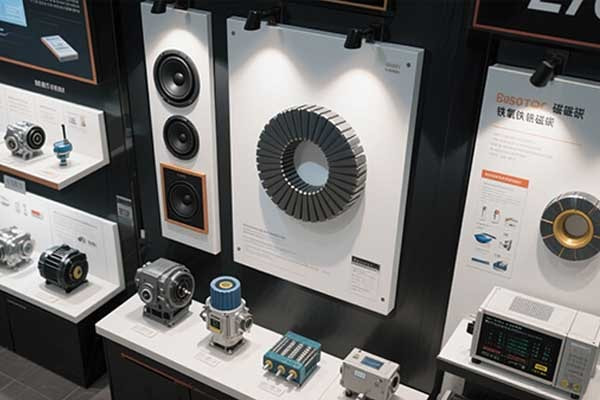
Ferrite magnets are known for their affordability and resistance to corrosion. Many industries use them for reliable, low-cost magnetic solutions.
Ferrite magnets are used in speakers, motors, sensors, magnetic separators, and microwave devices. Their resistance to demagnetization and low production cost make them ideal for mass-produced consumer and industrial applications.
Ferrite is a ceramic compound that becomes magnetic when it includes iron oxide and other elements like strontium. These magnets are typically used where high coercivity and thermal stability are needed, especially in electronic and automotive products.
Ferrite plays a versatile role in daily life due to its magnetic and insulating properties.
It’s commonly found in speakers and headphones, enhancing sound quality efficiently.
Refrigerator door seals use ferrite magnets to ensure tight closure.
In electronics, ferrite cores in chargers and cables reduce electromagnetic interference (EMI), improving device performance.
It’s also used in microwave ovens and induction cooktops for heat resistance and energy efficiency.
Additionally, ferrite beads on computer cables suppress signal noise.
Its durability, affordability, and stability make ferrite indispensable in household gadgets, automotive sensors, and even DIY craft magnets.
Ferrite magnets offer a great balance between cost, stability, and magnetic strength.
Companies like M-Magnet provide customized ferrite magnet solutions for all these applications. Our manufacturing precision makes them suitable for automation lines, where bulk usage with consistent quality is important. If your business requires magnets with good resistance to heat and corrosion, ferrite is often the best choice.
| What is ferrite? | What is ferrite used for? | Is ferrite magnetic? |
| Ferrite is a ceramic compound made from iron oxide and metallic elements like strontium or barium. It has magnetic properties and is widely used to make permanent magnets. | Ferrite is used in magnets (speakers, fridge seals), electronics (transformer cores, inductors), and EMI suppression. Its high resistance to electricity and heat makes it ideal for power supplies, antennas, and microwave devices. | Yes, ferrite is magnetic. It becomes strongly magnetic and belongs to the family of ferrimagnetic materials, widely used in magnets, due to its unique magnetic and electrical properties. |
| What is ferrite metal? | What is a ferrite stone? | What are strontium magnets? |
| Ferrite is not a pure metal but a ceramic compound primarily composed of iron oxide (Fe₂O₃) combined with other metals like strontium (Sr) or barium (Ba). | The term "ferrite stone" is not scientifically accurate. However, some people use it to refer to naturally magnetic iron-rich rocks, which are different from industrial ferrite. | Strontium magnets are a type of ferrite magnet made with strontium carbonate and iron oxide. They are powerful, affordable, and widely used in various industrial products. |
| Is ferrite a pure iron? | Is ferrite an inductor? | Where is ferrite found? |
| No, ferrite is not pure iron. It’s a ceramic compound of iron oxide (Fe₂O₃) mixed with strontium or barium. Unlike metallic iron, it’s brittle, non-conductive, and rust-proof. | Ferrite itself is not an inductor but is used to make inductors. Its high magnetic permeability and low conductivity help build efficient inductor cores for circuits and power electronics. | Ferrite is found in consumer electronics (phones, TVs), industrial equipment (motors, transformers), and nature (as magnetite). Most ferrites today are synthetically produced for industrial use. |
Conclusion
Ferrite magnets come mainly in two types: hard ferrite for permanent magnetic use and soft ferrite for magnetic cores. Both types offer cost-effective, durable solutions in commercial applications. Hard ferrite provides magnetic strength and corrosion resistance, while soft ferrite supports electrical devices. As a magnet manufacturer, knowing these distinctions is crucial for creating the right custom magnet solutions like those from M-Magnet Company.
About Blogger
Benjamin Li
Operation Manager of M-Magnet Company
I will bring you a full range of magnet knowledge and manufacturing experience on neodymium magnets and MagSafe magnet solutions through blogs and emails. I'm not an expert yet in magnets, but we have a whole team to help you solve technical issues, design drawing details, compatibility suggestions from magnetic assemblies, magnet purchasing and many other customized magnet solutions from China. You can follow my blogs on knowledge sharing or contact me for your own magnet solutions. We will always do the best.