Why do people put magnets on the fridge?

People often struggle to keep important notes and reminders visible. Fridge magnets solve this by holding papers and decorations on metal surfaces.
Fridge magnets stick to refrigerators to hold notes, photos, and reminders. They also serve as decoration and souvenirs. Their magnetic force interacts with the fridge's metal surface, making them practical and fun household items.
Keep reading to learn more about why fridge magnets are so popular and how they are made.
Table of Contents
How fridge magnets are made?

People wonder how tiny fridge magnets hold heavy notes. The process blends science and craft. We make them by embedding magnetic materials into shaped designs. This solves the need for functional decorations. Now anyone can display memories or reminders easily.
Fridge magnets are made by mixing magnetic powder with rubber or plastic, then magnetizing it. Manufacturers shape this material into thin sheets or custom forms. Decorative layers are added through printing. Finally, strong magnets get attached to backs. The process ensures both function and visual appeal.
The step-by-step creation process reveals hidden complexity
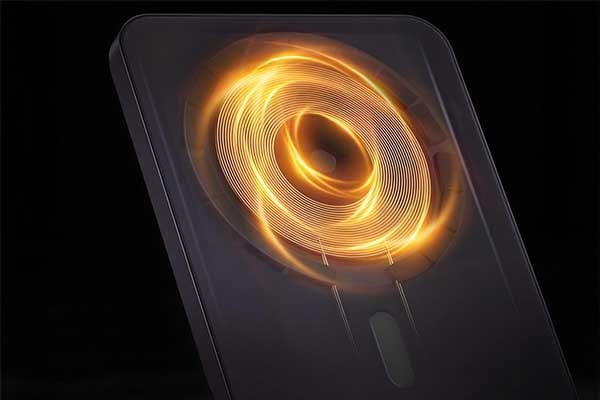
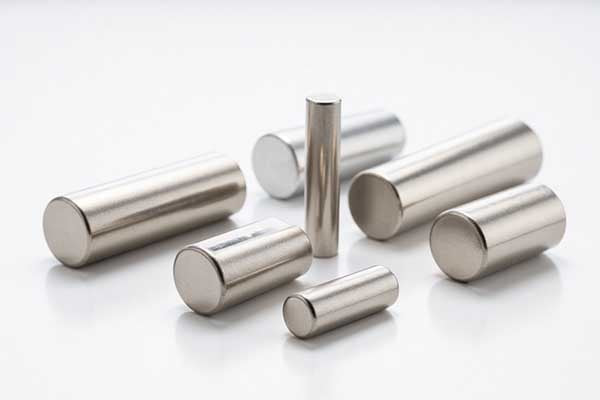
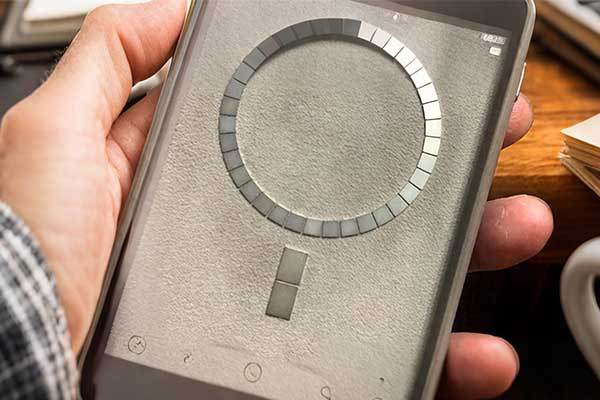
Fridge magnets seem simple but involve precise engineering. We start with core magnetic materials. Ferrite powder is common for basic magnets. Neodymium works for stronger versions like MagSafe accessories. At M-Magnet, we choose materials based on client needs.
The mixing stage binds magnetic powder with polymers. Rubber creates flexible fridge magnets. Hard plastic makes rigid ones. Pigments add color during blending. This mixture gets heated and pressed. Rollers flatten it into sheets. Thickness ranges from 0.5mm to 3mm.
Magnetization happens next. Sheets pass through electromagnetic coils. These align internal particles permanently. Field strength determines holding power. We test samples before full production. Industrial magnetizers use 5,000-10,000 gauss fields.
Decoration transforms magnetic sheets into fridge magnets. Digital printing applies photos or logos. Screen printing works for simple designs. Some get laminated for protection. Others receive epoxy coatings for shine. Die-cutting machines create custom shapes.
| Material Type | Production Method | Best For | Strength Range |
|---|---|---|---|
| Flexible Rubber | Extrusion & Calendering | Promotional Fridge Magnets | Low (0.1-0.5kg) |
| Ceramic Ferrite | Sintering | Standard Fridge Magnets | Medium (0.5-1kg) |
| Neodymium | Powder Metallurgy | MagSafe & Heavy-duty | High (2-12kg) |
Assembly finishes fridge magnets. Workers bond magnetic backs to decorations. Adhesives must withstand temperature changes. Some designs use injection molding. This encases magnets in plastic shells. Quality checks follow. We measure pull force and alignment.
Environmental factors matter. Ferrite fridge magnets are recyclable. Neodymium versions need careful handling. We minimize waste during production. Scrap material gets reprocessed. Water-based inks reduce chemical use. European clients especially value this.
Customization options expand functionality. We embed stronger magnets for heavy items. Special shapes fit brand identities. At our factory, we prototype quickly. Clients approve samples before mass production. This avoids costly mistakes later.
Durability testing ensures longevity. Fridge magnets undergo temperature cycles. We check color fading under UV light. Moisture resistance gets verified. Peeling tests confirm adhesive strength. Only passing batches ship to customers.
The future brings smarter fridge magnets. Some now incorporate LED lights. Others include digital components. We experiment with sustainable materials. But the core process remains unchanged. It balances physics with creativity.
Understanding manufacturing helps buyers. They recognize quality differences. Cheap fridge magnets use weak magnetic powder. Ours maintain strength for years. This knowledge informs better purchases. We share it openly with clients.
Magnet safety deserves attention. Small fridge magnets choke children. Strong neodymium versions pinch fingers. We include warnings with products. Proper use prevents accidents. Responsible manufacturing considers these risks.
Cost factors involve material choices. Ferrite fridge magnets are economical. Neodymium costs more but performs better. Volume discounts apply for large orders. Shipping magnetic goods has special rules. We handle compliance for customers.
Why are fridge magnets so popular?

Fridge magnets have become one of the most common household items in modern homes. People struggle to find simple ways to display important notes and memories. The magnetic surface of refrigerators offers an easy solution for this everyday problem.
Fridge magnets are popular because they provide a convenient, accessible way to display important information, artwork, and memories on the most frequently visited appliance in the home. They combine functionality with personal expression in a simple, affordable format.
The popularity of fridge magnets stems from their unique position at the intersection of practicality and personal expression. Modern life demands quick access to information, and the refrigerator door serves as the perfect bulletin board for busy households. Unlike traditional cork boards or wall displays, magnets require no installation or permanent mounting, making them ideal for renters and homeowners alike.
From a psychological perspective, the refrigerator represents the heart of the home. It's where families gather multiple times daily, making it prime real estate for displaying what matters most. Children naturally gravitate toward this space to show off their artwork, while adults use it for shopping lists, appointment reminders, and family photos. The magnetic attraction itself creates a satisfying tactile experience that appeals to both children and adults.
The evolution of fridge magnets reflects broader cultural trends. What started as simple promotional items from local businesses has expanded into a massive collectibles market. Tourist destinations worldwide capitalize on this trend, offering location-specific designs that serve as affordable souvenirs. The collectible aspect taps into human psychology – the desire to document experiences and create visual representations of memories.
Types of Popular Fridge Magnets
| Magnet Type | Primary Use | Target Audience |
|---|---|---|
| Souvenir Magnets | Memory Display | Tourists, Travelers |
| Photo Magnets | Personal Pictures | Families, Friends |
| Utility Magnets | Holding Documents | Office Workers, Students |
| Decorative Magnets | Aesthetic Appeal | Home Decorators |
The manufacturing industry has responded to this popularity by developing increasingly sophisticated magnetic solutions. Companies like M-Magnet have pioneered advanced neodymium magnet technology that provides stronger holding power in smaller, more attractive packages. This technological advancement has enabled the creation of slimmer, more elegant designs that complement modern kitchen aesthetics.
The social media age has further amplified the popularity of fridge magnets. Instagram and Pinterest are filled with carefully curated refrigerator displays that serve as lifestyle statements. This trend has created a new market for designer magnets that function as both practical tools and decorative elements. The "refrigerator aesthetic" has become a recognized interior design concept, with magnets playing a central role in creating visually appealing kitchen spaces.
What are the benefits of fridge magnets?

Many homeowners underestimate the practical value that simple magnetic attachments can bring to daily life. People often struggle with organization and information management in busy households. Fridge magnets solve these problems while adding personal touches to living spaces.
Fridge magnets offer multiple benefits including improved organization, easy access to important information, cost-effective decoration, and enhanced family communication. They also provide educational opportunities for children and serve as memory preservation tools for families.
The organizational benefits of fridge magnets extend far beyond simple paper holding. They create designated spaces for different types of information, helping families develop systematic approaches to household management. Shopping lists, school schedules, appointment cards, and important phone numbers all find their place in this magnetic ecosystem. This system reduces the mental load of remembering where important information is stored and ensures that crucial details remain visible to all family members.
From an educational standpoint, fridge magnets serve as powerful learning tools for children. Alphabet magnets introduce letter recognition and spelling concepts through hands-on manipulation. Number magnets help with basic math skills, while educational sets covering topics like geography, science, or languages turn the refrigerator into an interactive learning center. The tactile nature of magnets appeals to kinesthetic learners who benefit from physical manipulation of objects during the learning process.
The psychological benefits of fridge magnets shouldn't be overlooked. They provide a sense of accomplishment when children see their artwork displayed prominently, boosting self-esteem and creativity. For adults, having important reminders visually accessible reduces anxiety about forgetting crucial tasks or appointments. The act of placing items on the refrigerator creates a ritual that helps cement information in memory through physical action.
Key Benefits of Fridge Magnets
| Benefit Category | Specific Advantage | Impact Level |
|---|---|---|
| Organization | Centralized Information Hub | High |
| Communication | Family Message Board | High |
| Education | Interactive Learning Tool | Medium |
| Decoration | Personalized Aesthetic | Medium |
| Memory | Photo and Souvenir Display | High |
The economic advantages of fridge magnets make them attractive to budget-conscious households. Unlike expensive organizational systems or digital devices, magnets provide long-term utility at minimal cost. They require no batteries, software updates, or maintenance, making them a sustainable choice for information management. Quality magnets from manufacturers like M-Magnet can last for decades without losing their magnetic strength, providing exceptional value for money.
Fridge magnets also contribute to environmental sustainability by reducing paper waste. Instead of using disposable sticky notes that lose their adhesive properties, magnets can hold the same pieces of paper repeatedly. This reusability factor aligns with growing environmental consciousness among consumers who seek products that minimize waste generation.
The convenience factor cannot be overstated. Unlike bulletin boards that require pushpins or tape dispensers that run out of supplies, magnets are always ready to use. They don't damage documents with holes or adhesive residue, preserving important papers in their original condition. This non-destructive attachment method is particularly valuable for documents that may need to be filed or referenced later.
For families with multiple members, fridge magnets facilitate better communication by creating shared spaces for information exchange. Parents can leave notes for teenagers, children can display school announcements for parents, and spouses can coordinate schedules without relying on digital devices that might not be immediately accessible. This analog communication method serves as a reliable backup to digital systems and works even during power outages or device failures.
The therapeutic aspects of fridge magnets deserve recognition as well. The simple act of arranging and rearranging magnetic displays can provide stress relief and creative outlet for people of all ages. Art therapy professionals often recommend magnetic activities for their calming effects and ability to promote mindfulness through focused manipulation of objects. The refrigerator becomes a canvas for self-expression that can be modified instantly without permanent commitment.
Why won't my magnet stick to the fridge?
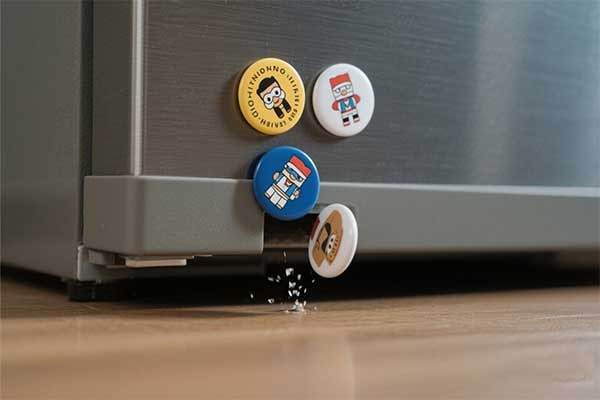
Sometimes, your magnet is not sticking to the fridge. This can be frustrating when you want to display notes or photos. Understanding why this happens helps you choose the right magnets for your needs.
Some magnets do not stick to fridges because the fridge door is not made of a ferromagnetic material, such as stainless steel or aluminum. This also happens if the magnet is too weak for the door's material or if it is demagnetized. The magnet's strength and the fridge's material determine how well it sticks.
When a magnet fails to stick to a fridge, people often wonder what is wrong. The fridge's material is key. Most fridges have doors made of steel, a common material that magnets stick to well. However, many modern fridges, especially high-end models, use stainless steel or aluminum. These materials are often non-magnetic. Stainless steel contains chromium and nickel, which can make it non-magnetic. Aluminum is naturally non-magnetic. If your fridge door is not magnetic, no magnet will stick to it. This is a common surprise for new fridge owners.
The magnet's strength also matters. Not all magnets are equally strong. A small decorative magnet might not have enough power to hold items, especially on a slightly textured surface.
Over time, magnets can lose their strength. This happens due to high heat, strong impacts, or exposure to other strong magnetic fields. A magnet that has been dropped many times or left in a hot car might become weak.
The type of magnet also plays a role. Neodymium magnets are very strong. Ceramic or ferrite magnets are weaker but more common for crafts. Knowing the magnet type helps explain why some stick and others do not. Consider the surface finish of your fridge as well. Some fridge doors have a smooth, glossy finish, while others have a textured or matte surface. These textures can reduce the contact area between the magnet and the fridge, making it harder for the magnet to stick. The weight of what you are trying to hold also affects this. A strong magnet can hold a thick stack of papers, but a weak one might barely hold a single photo. People often try to use weak magnets for heavy items.
Common Fridge Materials and Magnetism
| Material | Magnetic? | Common Use in Fridges |
|---|---|---|
| Steel | Yes | Standard fridge doors, older models |
| Stainless Steel (some types) | No | Modern, high-end fridge exteriors |
| Aluminum | No | Internal components, some exterior panels |
If your magnet does not stick, check the fridge material first. You can do this by trying a known strong magnet on a different part of the fridge. If it still does not stick, the fridge material is likely the issue. If it sticks elsewhere, your magnet might be too weak or demagnetized.
M-Magnet Company can help you find strong magnets. Consider stronger alternatives like neodymium magnets. These are much more powerful than traditional ferrite magnets. They can hold heavier items and stick better to less magnetic surfaces.
How to make fridge magnets stronger?

A weaken fridge magnet makes them unable to hold up important notes or pictures. You can make them stronger by using different methods or by choosing a more powerful type of magnet.
To make fridge magnets stronger, you can replace them with more powerful types, such as neodymium magnets. You can also combine multiple weaker magnets to increase their collective strength. Another method is to improve the contact between the magnet and the fridge surface. Proper storage also helps maintain magnet strength over time.
Many people want to make their fridge magnets stronger. The easiest way is to switch to a stronger type of magnet. Neodymium magnets are the strongest permanent magnets available. They are much more powerful than the traditional ferrite or ceramic magnets often used for fridge decorations. A small neodymium magnet can hold many sheets of paper, while a larger decorative magnet might struggle with just one. You can often find small neodymium magnets that you can glue onto the back of your existing weaker magnets. This upgrades their power without changing their appearance. This method is popular for crafters and DIY enthusiasts.
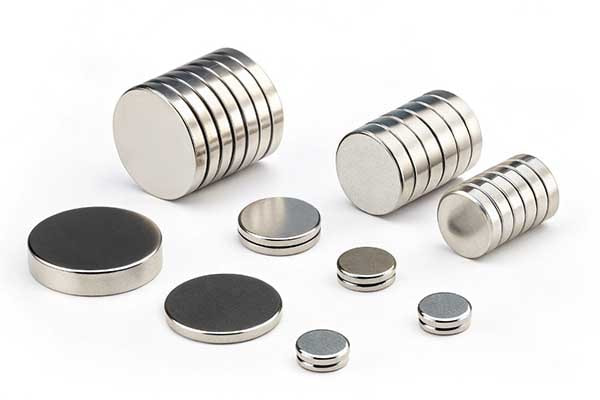
Another approach is to combine magnets. If you have several weak magnets, you can put them together. Placing them side by side, with their poles aligned correctly, increases their combined magnetic field. This makes them stronger as a group. For example, if one magnet holds one paper, three magnets together might hold five. This works well for flat, flexible magnets. You can also stack disc magnets. This boosts their power significantly. Ensure the poles attract each other when stacking to maximize strength. If you put them together incorrectly, they will repel each other.
Improving the contact area between the magnet and the fridge surface also helps. Make sure both surfaces are clean and flat. Dirt, grease, or uneven textures can reduce the magnetic grip. A smooth, clean surface allows for maximum contact. This means the magnetic force is more effective. For textured fridge surfaces, use slightly thicker magnets. These can bridge small gaps and create better contact.
Ways to Enhance Magnet Strength
| Method | Description | Best For |
|---|---|---|
| Upgrade Magnet Type | Replace weak magnets with neodymium magnets. | Maximum strength increase, holding heavy items. |
| Combine Magnets | Use multiple weaker magnets together, aligning poles. | Incremental strength increase, using existing magnets. |
| Improve Surface Contact | Clean surfaces, ensure flat contact, use thicker magnets on textured surfaces. | Optimizing current magnet performance, minor improvements. |
Lastly, proper storage and care prolong a magnet's life and strength. Avoid exposing magnets to high temperatures, as heat can demagnetize them. Do not drop them or subject them to strong impacts. This can also cause them to lose their magnetic properties over time. Keep them away from strong electromagnetic fields. For instance, do not store them near large speakers or electronic devices that emit strong fields. By taking these steps, you can ensure your fridge magnets remain strong and effective. At M-Magnet Company, we offer a range of powerful magnets for all your needs.
Do fridge magnets increase electricity consumption?
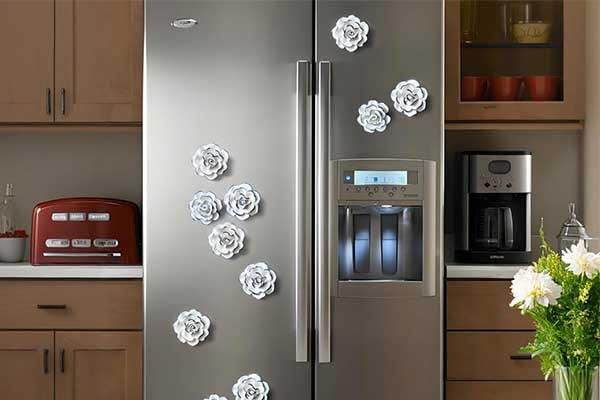
People worry fridge magnets might affect electricity. This thought comes from confusion about how magnets interact with appliances.
No, fridge magnets do not increase electricity consumption. They only stick to the metal surface of the fridge. They do not affect the fridge’s motor, compressor, or energy use in any way.
Fridge magnets have nothing to do with electricity. They only work through magnetic attraction to metal. The fridge’s energy consumption depends on components like the compressor, insulation, and usage patterns. There is no scientific evidence that magnets change how much energy a fridge uses.
Factors Affecting Refrigerator Electricity Usage
| Factor | Description | Impact |
|---|---|---|
| Compressor Efficiency | The motor that cycles cooling on and off | High impact on energy use |
| Insulation Quality | Prevents cold air from escaping | Moderate to high impact |
| Door Open Frequency | Heat enters when doors open | High impact |
| Ambient Temperature | The surrounding room temperature | Moderate impact |
| Magnet Placement | Magnets on the fridge door or body | No impact |
Let’s think about this in more depth. Magnets only produce static magnetic fields. A refrigerator’s metal surface attracts magnets because it's made from ferromagnetic materials like steel. This interaction is purely mechanical. It has nothing to do with the fridge's electrical circuits.
Even if someone covers the entire fridge door with magnets, it does not change how heat moves or how compressors work. Electricity consumption comes from factors like how often the fridge door opens, how full the fridge is, and the surrounding temperature. The only way magnets could ever affect electricity would be if they somehow disrupted the sealing mechanism of the door. But common fridge magnets are not strong enough to do that.
Scientific studies confirm this. Static magnets do not interfere with home appliances. Only powerful electromagnetic fields, like those from industrial machinery, can affect sensitive electronics. Fridge magnets are far weaker.
The answer is clear — small magnets for decoration, advertising, or souvenirs do not impact power consumption or appliance efficiency. They are safe and purely aesthetic.
Conclusion
People put fridge magnets on refrigerators because they hold notes and decorations in a visible, convenient place. They combine practicality with decoration. Fridge magnets are made by mixing ferrite powder with plastic or rubber, then magnetizing the sheets in a special pattern. This makes them flexible and strongly magnetic on one side. Their design and uses make them popular worldwide for both function and fun.
About Blogger
Benjamin Li
Operation Manager of M-Magnet Company
I will bring you a full range of magnet knowledge and manufacturing experience on neodymium magnets and MagSafe magnet solutions through blogs and emails. I'm not an expert yet in magnets, but we have a whole team to help you solve technical issues, design drawing details, compatibility suggestions from magnetic assemblies, magnet purchasing and many other customized magnet solutions from China. You can follow my blogs on knowledge sharing or contact me for your own magnet solutions. We will always do the best.