Will a neodymium magnet attract 430 stainless steel?
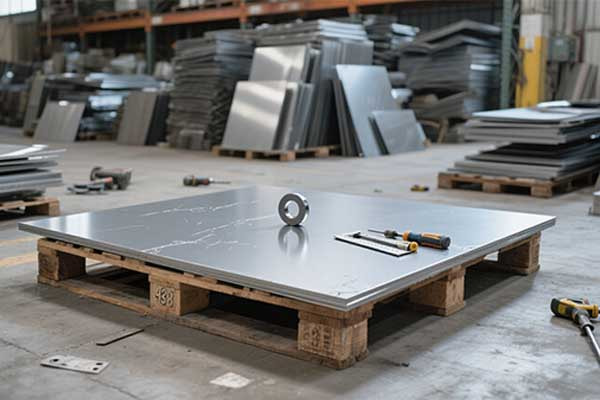
Many wonder if neodymium magnets can attract 430 stainless steel. This question matters for applications needing strong magnetic connections or separations.
Neodymium magnets will attract 430 stainless steel because 430 is a ferritic stainless steel type, which is naturally magnetic. The ferrite crystal structure and iron content in 430 stainless steel allow it to respond to magnets like neodymium.
Keep reading to understand why this happens and what it means for stainless steel magnets.
Table of Contents
Are there stainless steel magnets?
People often ask if stainless steel itself can be magnetic. This matters when choosing materials for magnetic or non-magnetic uses.
Some stainless steels are magnetic, especially ferritic types like 430 stainless steel, while others like austenitic stainless steels (304, 316) are mostly non-magnetic. Stainless steel magnets exist mainly in ferritic and martensitic grades.
Understanding Magnetic Stainless Steel Types and Their Applications
Stainless steel is not one material but a group with different crystal structures affecting magnetism. The main types are austenitic, ferritic, martensitic, and duplex stainless steels. Among these, ferritic stainless steels such as 430 and martensitic grades are magnetic due to their crystal structures rich in iron and absence of nickel.
Ferritic stainless steel has a body-centered cubic crystal structure that supports ferromagnetism. This means magnets like neodymium can attract it, although the magnetic force is somewhat weaker than on low carbon steel. Austenitic stainless steels, which contain nickel and have a face-centered cubic structure, are generally non-magnetic but may become slightly magnetic after cold working.
The magnetic behavior of stainless steel depends on:
Crystal structure: Ferritic and martensitic are magnetic; austenitic is mostly non-magnetic.
Chemical composition: Nickel reduces magnetism; chromium and iron increase it.
Processing: Cold working can increase magnetism by changing crystal phases.
Heat treatment: Can alter magnetic properties by changing microstructure.
Below is a table summarizing magnetic stainless steel types and their characteristics:
Magnetic Properties of Stainless Steel Types
| Stainless Steel Type | Crystal Structure | Magnetic Property | Common Grades |
|---|---|---|---|
| Ferritic | Body-Centered Cubic | Magnetic | 430, 409, 439 |
| Martensitic | Body-Centered Tetragonal | Magnetic | 410, 420, 440 |
| Duplex | Mixed Ferrite & Austenite | Weakly Magnetic | 2205 |
| Austenitic | Face-Centered Cubic | Non-Magnetic (usually) | 304, 316 |
The presence of ferritic stainless steel magnets is important in many industries. For example, 430 stainless steel is widely used in home appliances and industrial parts where magnetic properties are beneficial. Neodymium magnets can attract these steels effectively, making them suitable for magnetic assemblies.
However, stainless steel magnets generally have lower magnetic strength than pure iron or carbon steel magnets. This difference should be considered when designing magnetic systems.
In summary, stainless steel magnets do exist, mainly as ferritic or martensitic stainless steels like 430. Their magnetic properties depend on crystal structure and composition, making 430 stainless steel a magnetic material that neodymium magnets can attract.
Will a magnet work through stainless steel?
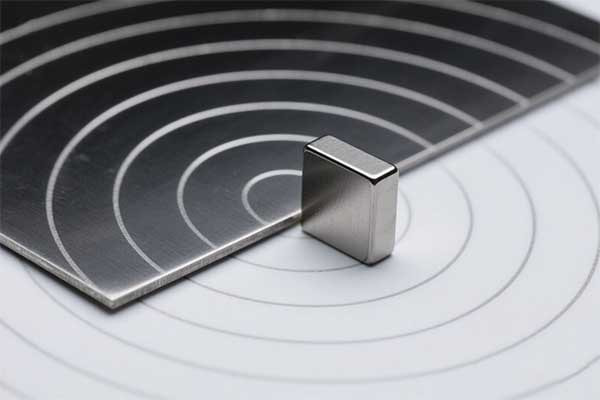
Are you wondering if your neodymium magnet can work through stainless steel barriers? This question troubles many engineers and DIY enthusiasts. The answer depends on the specific type of stainless steel and thickness involved.
Yes, magnets can work through stainless steel, but the effectiveness varies significantly based on the steel grade and thickness. Non-magnetic stainless steel grades like 304 and 316 allow magnetic fields to pass through with minimal interference, while magnetic grades like 430 stainless steel will absorb and redirect the magnetic field.
The magnetic properties of stainless steel create a complex interaction with neodymium magnets. Different grades of stainless steel behave differently when exposed to magnetic fields. Understanding these interactions is crucial for anyone working with magnetic applications.
Understanding Magnetic Permeability in Stainless Steel
Stainless steel comes in various grades with different magnetic properties. The magnetic permeability of stainless steel determines how easily magnetic fields can pass through it. Non-magnetic stainless steel grades have low magnetic permeability, similar to air. This means magnetic fields can pass through them with little resistance.
Magnetic stainless steel grades like 430 have higher magnetic permeability. These grades contain more iron and less chromium compared to non-magnetic grades. The higher iron content makes them more susceptible to magnetic attraction. When a neodymium magnet approaches 430 stainless steel, it will experience attraction.
The thickness of the stainless steel also plays a role. Thin sheets of even magnetic stainless steel may allow some magnetic field to pass through. However, thicker pieces will absorb more of the magnetic field. This absorption reduces the strength of the magnetic field on the opposite side.
Practical Applications and Limitations
Many industrial applications rely on magnetic fields working through stainless steel. Medical devices often use stainless steel housings with magnetic components inside. The choice of stainless steel grade becomes critical in these applications. Engineers must consider both corrosion resistance and magnetic properties.
In manufacturing, magnetic separators often work through stainless steel conveyor systems. The effectiveness depends on the steel grade and conveyor thickness. Thinner non-magnetic stainless steel allows better magnetic field transmission. This improves separation efficiency.
Magnetic Properties of Common Stainless Steel Grades
| Steel Grade | Magnetic Property | Permeability | Field Transmission |
|---|---|---|---|
| 304 | Non-magnetic | Low | Excellent |
| 316 | Non-magnetic | Low | Excellent |
| 430 | Magnetic | High | Limited |
| 410 | Magnetic | High | Limited |
The distance between the magnet and the target also affects performance. Magnetic field strength decreases rapidly with distance. When working through stainless steel, this distance effect becomes more pronounced. The steel barrier adds to the effective distance between magnet and target.
How to magnetize stainless steel?
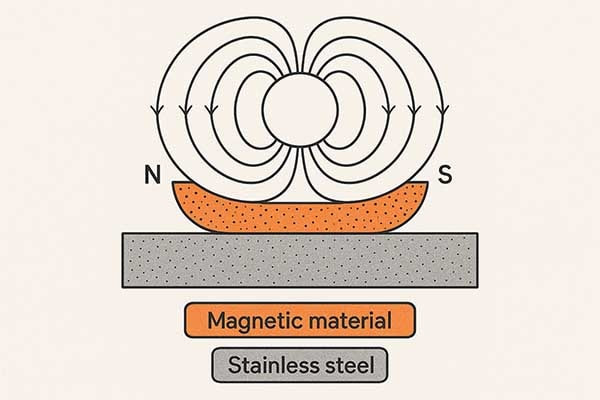
Want to turn your stainless steel into a magnet? Many people struggle with this process without understanding the science behind it. Not all stainless steel can be magnetized effectively.
Only magnetic grades of stainless steel like 430, 410, and 420 can be magnetized. To magnetize stainless steel, you can use strong external magnets to induce magnetism temporarily. For longer-lasting effects, try heat treatment or applying magnetic coatings.
The magnetization process requires understanding the metallurgy of stainless steel. The crystal structure and composition determine whether a steel grade can become magnetic. This knowledge helps you choose the right approach for your specific application.
Understanding Magnetizable Stainless Steel Grades
Stainless steel magnetization depends on the crystal structure and composition. Ferritic stainless steels like 430 have a body-centered cubic crystal structure. This structure allows magnetic domains to align easily. The high iron content in these grades supports magnetic field retention.
Martensitic stainless steels like 410 and 420 can also be magnetized. These grades have a body-centered tetragonal crystal structure. They contain less chromium than austenitic grades. The lower chromium content allows for higher iron content, making magnetization possible.
Austenitic stainless steels like 304 and 316 cannot be magnetized effectively. These grades have a face-centered cubic crystal structure. This structure prevents magnetic domain alignment. The high chromium and nickel content further reduces magnetic susceptibility.
The carbon content also affects magnetization ability. Higher carbon content can improve magnetic properties in some grades. However, too much carbon can make the steel brittle. Finding the right balance is important for both magnetic properties and mechanical performance.
Magnetization Methods and Techniques
Several methods can magnetize suitable stainless steel grades. The most common method uses a strong external magnetic field. Strong neodymium magnets provide the strongest magnetic fields for this purpose. The external field aligns the magnetic domains in the steel.
The magnetization process requires careful consideration of field strength and exposure time. Too weak a field will not align enough domains. Too strong a field might damage the steel structure. The optimal field strength depends on the specific steel grade and thickness.
Heat treatment can enhance magnetization in some cases. Controlled heating and cooling can improve the crystal structure. This process can increase the number of magnetic domains available for alignment. However, heat treatment must be done carefully to avoid damaging the steel properties.
Cold working can also affect magnetization ability. Mechanical deformation can create stress that affects magnetic properties. Some cold working can improve magnetization by creating more grain boundaries. However, excessive cold working can reduce magnetic performance.
Magnetization Potential of Stainless Steel Grades
| Steel Grade | Crystal Structure | Magnetization Ability | Required Field Strength |
|---|---|---|---|
| 430 | Ferritic | Good | Moderate |
| 410 | Martensitic | Excellent | Low |
| 420 | Martensitic | Excellent | Low |
| 304 | Austenitic | Poor | Very High |
The magnetization process also depends on the intended application. Temporary magnetization might be sufficient for some uses. Permanent magnetization requires more intensive treatment. The choice between temporary and permanent magnetization affects the required field strength and exposure time.
Understanding the relationship between neodymium magnets and 430 stainless steel opens up many possibilities for practical applications. The magnetic attraction between these materials makes them useful in various industries. From magnetic separators to holding fixtures, this combination provides reliable performance. However, the specific requirements of each application must be considered carefully to achieve optimal results.
Will magnets scratch stainless steel?
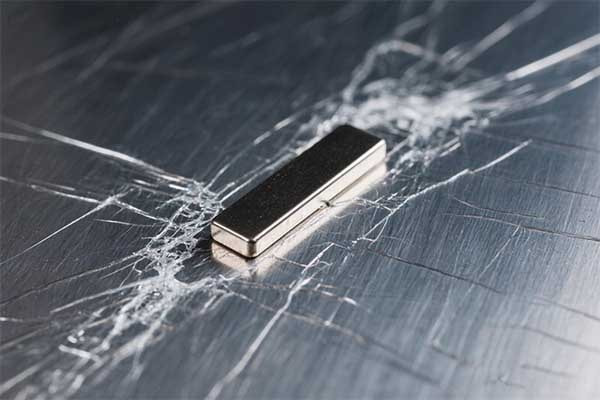
Many people worry that using magnets on stainless steel may ruin the surface. This is a common problem for home appliances, kitchens, and industrial equipment.
Yes, magnets can scratch stainless steel surfaces if dust, metal particles, or rough magnet coatings rub against it. The risk depends on the magnet’s surface, weight, and how it is handled.
Magnets themselves are usually smooth, but the problem arises from what is between the magnet and the stainless steel surface. Stainless steel, including 430-grade, is not fully scratch-proof. Neodymium magnets are powerful and can pull with enough force to cause scratches if particles like iron filings, dirt, or even the rough edges of the magnet are present.
Factors Causing Magnet Scratches on Stainless Steel
| Factor | Description | Risk Level |
|---|---|---|
| Dust & Metal Particles | Particles get trapped between magnet and steel | High |
| Magnet Coating Damage | Cracked or chipped coatings have sharp edges | Medium |
| Strong Magnetic Force | Forceful snapping onto surface causes scratches | Medium |
How to Avoid Scratches
Use magnets with soft rubber or silicone coatings.
Clean both the magnet and stainless surface before attachment.
Avoid sliding magnets on the surface. Place and lift them vertically.
How to remove magnet scratches from stainless steel?
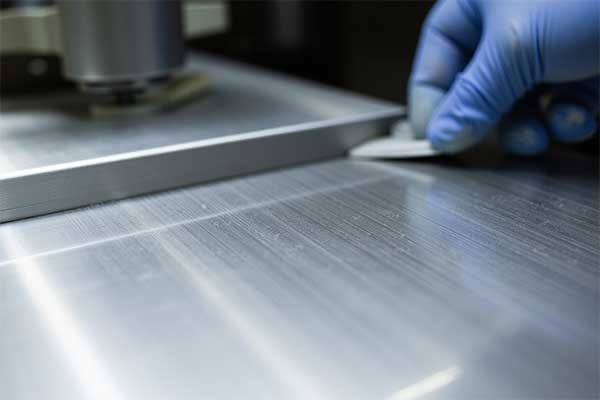
You notice scratch marks after removing a neodymium magnet from your stainless surface. The good news is, most light scratches can be removed with the right technique.
To remove scratches from stainless steel, use a non-abrasive cleaner, fine polishing compounds, or stainless steel scratch remover kits. Always polish along the metal grain.
Not all scratches are permanent. Stainless steel has a brushed grain finish that allows minor surface defects to be buffed out. However, deep scratches caused by sharp magnet edges or trapped debris may require professional refinishing.
Common Methods to Fix Magnet Scratches
| Method | Tool or Product | Effectiveness |
|---|---|---|
| Light Scratch Removal | Non-abrasive stainless cleaner, microfiber cloth | Good |
| Medium Scratch Removal | Polishing compound, scouring pad (non-metal) | Very Good |
| Deep Scratch Repair | Professional refinishing kit or service | Best |
Steps to Remove Scratches
Clean the Surface:
Use mild soap and water to remove dirt and grease.Identify the Grain Direction:
Stainless steel has a brushed finish. Always polish following the grain, not against it.Apply a Scratch Remover:
For light scratches, a soft cleaner may be enough. For deeper marks, use a polishing compound like Bar Keepers Friend or a dedicated stainless scratch remover.Buff the Area:
Use a microfiber cloth or non-abrasive scouring pad. Rub firmly but gently along the grain.Final Polish:
Wipe with a clean dry cloth. Apply stainless steel polish to restore shine.
Prevent Future Scratches
Use magnets with protective coatings like silicone or plastic from M-Magnet.
Keep the surface dust-free.
Avoid dragging magnets; place and remove vertically.
How to protect a stainless steel fridge from magnets?
Magnets can scratch or stick to stainless steel fridges. Scratches ruin the fridge’s look, and strong magnets are hard to remove. Use simple methods to protect your fridge from magnet damage.
To protect a stainless steel fridge from neodymium magnets, use protective coatings, non-magnetic barriers, or soft-backed magnets. Avoid direct contact with 430 stainless steel, which is magnetic. Products from M-Magnet Company offer safe, custom solutions for fridge applications.
Understanding Magnet Interaction with Stainless Steel
Neodymium magnets are powerful. They attract certain types of stainless steel, like 430 grade, which is ferromagnetic. This means 430 stainless steel fridges can hold magnets but risk scratches or dents from strong ones. Other grades, like 304 stainless steel, are non-magnetic and don’t attract magnets. Knowing your fridge’s material helps you choose the right protection method.
Risks of Magnet Use on Fridges
Strong magnets, like those made from rare metals, can harm stainless steel surfaces. Scratches occur when magnets slide or are removed forcefully. Heavy magnets may dent thin fridge panels. Magnets also leave smudges, which require frequent cleaning. For 430 stainless steel, the magnetic attraction is strong, making removal tricky. This ties to the topic: neodymium magnets do attract 430 stainless steel, increasing the need for protective measures to avoid damage.
Critical Thinking: Balancing Magnet Use and Fridge Protection
How do you use magnets safely? Protective strategies are key. One option is applying a clear vinyl film to the fridge surface. This creates a barrier against scratches. Another method is using magnets with soft backings, like rubber or felt, to reduce direct contact. Non-magnetic spacers, such as plastic sheets, also work. However, these add costs and may alter the fridge’s look. Consider the trade-offs: convenience versus potential damage. Regular cleaning with microfiber cloths prevents smudges but takes effort. For 430 stainless steel, the attraction is strong, so extra care is needed.
| Protection Method | Benefits | Drawbacks |
|---|---|---|
| Vinyl Film | Prevents scratches, easy to apply | May peel over time, affects aesthetics |
| Soft-Backed Magnets | Reduces surface damage, reusable | Less strong grip, higher cost |
| Non-Magnetic Spacers | Blocks magnet contact, versatile | Extra material needed, may slip |
Practical Protection Strategies
Start by checking your fridge’s material. If it’s 430 stainless steel, expect strong magnet attraction. Apply a vinyl film for a quick fix; it’s affordable and removable. Clean the fridge with non-abrasive cloths to avoid scratches. Avoid dragging magnets across the surface. Supply chain issues for rare metals, like neodymium, can raise magnet costs, so invest in durable solutions. These steps ensure your fridge stays pristine while using powerful magnets.
Conclusion
Neodymium magnets attract 430 stainless steel because it is ferritic and magnetic by nature. Stainless steel magnets exist mainly in ferritic and martensitic types, with 430 being a common example. Understanding these magnetic properties helps in selecting the right materials for magnetic applications involving stainless steel magnets.
About Blogger
Benjamin Li
Operation Manager of M-Magnet Company
I will bring you a full range of magnet knowledge and manufacturing experience on neodymium magnets and MagSafe magnet solutions through blogs and emails. I'm not an expert yet in magnets, but we have a whole team to help you solve technical issues, design drawing details, compatibility suggestions from magnetic assemblies, magnet purchasing and many other customized magnet solutions from China. You can follow my blogs on knowledge sharing or contact me for your own magnet solutions. We will always do the best.