Where to buy industrial magnets?
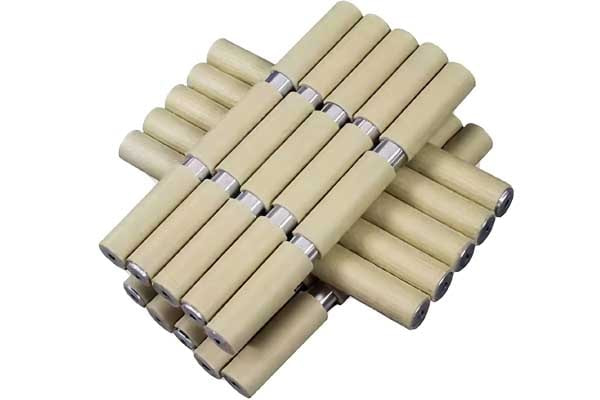
Industrial magnets are crucial in many commercial applications, but finding the right supplier can be challenging. Many buyers struggle with quality, price, and customization options.
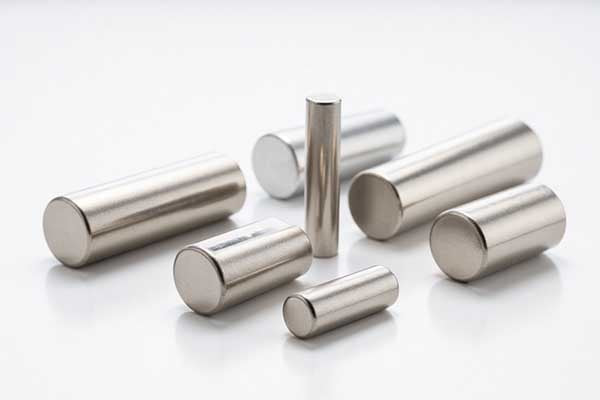
Industrial magnets are available from specialized manufacturers and suppliers that offer various types like M-Magnet Company, including neodymium magnets, which are a popular choice for strength and durability. Leading suppliers often provide custom solutions with quick lead times and quality assurance tailored for commercial use.
Keep reading to discover more about industrial magnets and how to find the right place to buy them.
Table of Contents
What is an industrial magnet?
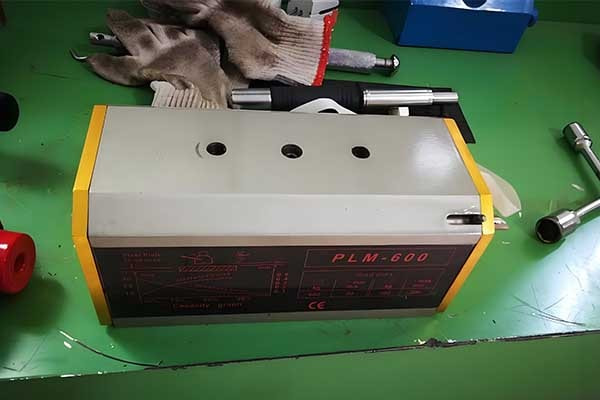
Industrial magnets are strong magnets used in various industries such as manufacturing, electronics, and automotive. They often include neodymium magnets, known for their high magnetic strength.
Industrial magnets are permanent magnets used in commercial and industrial settings for lifting, sorting, separating, and holding applications. Neodymium (NdFeB) magnets are the most common type due to their power and reliability.
Industrial magnets’ strength and material make them suitable for tough industrial environments where performance is critical. Choosing the right type depends on the specific application requirements.
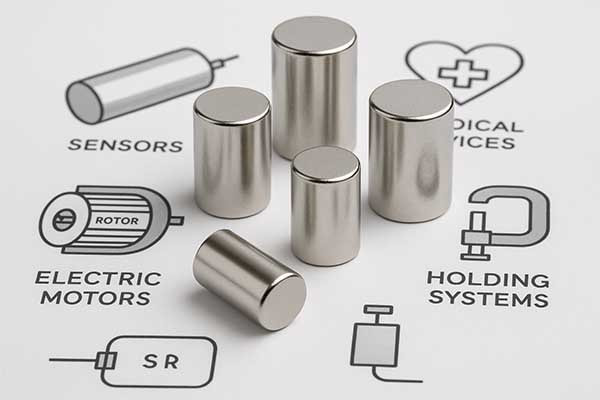
Industrial magnets serve many commercial purposes, including material handling, magnetic separators in recycling, and magnetic assemblies in electronics. Neodymium magnets dominate this sector because of their strength and compact size.
Types of Common Industrial Magnets
| Material | Strength | Common Uses | |
|---|---|---|---|
| Neodymium (NdFeB) | Neodymium, Iron, Boron | Very high | Electronics, lifting, MagSafe accessories |
| Ceramic (Ferrite) | Iron oxide and strontium/carbonate | Moderate | Speakers, motors |
| Alnico | Aluminum, Nickel, Cobalt | Moderate/high | Sensors, instruments |
| Samarium Cobalt | Rare earth alloys | High | High temperature areas |
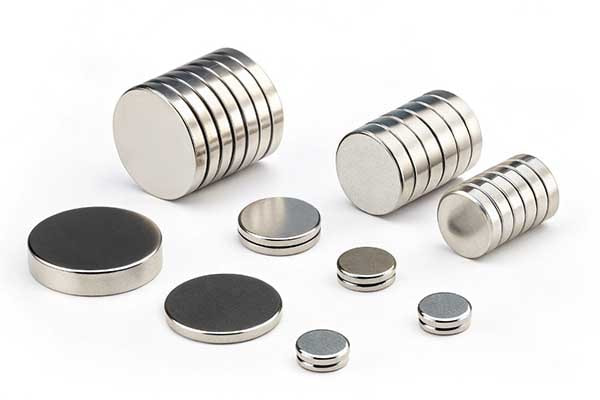
Industrial magnets’ grades, sizes, and coatings vary widely. For example, NdFeB magnets can range from N35 to N52 grades, offering different strengths and temperature tolerances. Coatings like nickel or epoxy improve corrosion resistance, making magnets suitable for harsh commercial environments.
As a magnet manufacturer specializing in NdFeB magnets, M-Magnet provides customized industrial magnets with precise size tolerance, strong coatings, and fast delivery. This is important for businesses needing reliable industrial magnets for their applications.
In commercial industries, the demand for robust and customizable industrial magnets continues to grow. Suppliers who can meet these needs with quick lead times and excellent quality control are preferred by customers worldwide.
How are industrial magnets made?
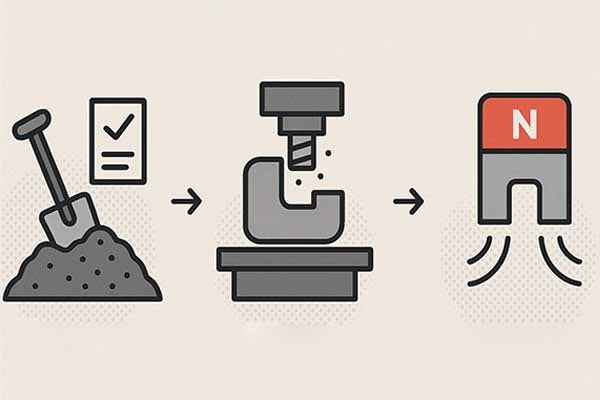
Many people are curious about the complex processes involved in creating powerful industrial strength magnets. The manufacturing methods are key to their strength and durability, and understanding them can seem daunting. Learning about the general steps helps clarify how these specialized magnets are produced for demanding industrial uses.
Industrial magnets are made using advanced metallurgical processes that involve precise material selection, shaping, and magnetization. The specific method depends on the magnet type, such as sintering for neodymium and ferrite magnets or casting for Alnico. These processes control the crystal structure and magnetic properties to achieve the required strength and performance for industrial applications.
The creation of an industrial strength magnet is a highly specialized process. It begins with selecting the right raw materials. For instance, making neodymium magnets, which are a type of industrial strength magnet, involves rare earth elements. Ferrite magnets use iron oxide and barium or strontium. These materials are then processed through various stages.
We employ precise techniques to ensure each magnet meets strict quality standards. This is essential because these magnets often perform critical functions in large-scale operations for our clients especially in America and Europe. The entire manufacturing process focuses on optimizing magnetic properties and ensuring structural integrity for long-term industrial use.
Key Stages in Industrial Magnet Production
| Stage | Description (Neodymium) | Description (Ferrite) |
|---|---|---|
| Raw Material Prep | Melting neodymium, iron, and boron into an alloy. | Mixing iron oxide with strontium or barium carbonate. |
| Milling | Grinding the alloy into fine powder. | Grinding raw materials into fine powders. |
| Pressing | Compacting powder in a magnetic field for alignment. | Pressing powder into shapes (dry or wet method). |
| Sintering | Heating compacted parts at high temperatures to densify. | Heating compacted shapes to form a dense ceramic. |
| Finishing | Machining, coating (e.g., nickel plating), and magnetizing. | Grinding to size, surface treatment, and magnetizing. |
The precision in manufacturing these industrial strength magnets is critical. For neodymium magnets, the alignment of magnetic domains during pressing directly impacts the final magnetic strength. For ferrite magnets, the sintering temperature and duration are crucial for achieving the desired density and magnetic properties.
Each step needs careful control to avoid defects that could weaken the magnet or shorten its lifespan in an industrial application.
Our production facilities use advanced equipment and strict quality control protocols to ensure every magnet meets exact specifications. This commitment to precision is what allows M-Magnet Company to produce reliable and high-performance industrial magnets for clients worldwide. The robust nature of these magnets, resulting from these detailed processes, makes them indispensable in countless industrial settings.
What are the industrial uses of magnets?

Many industrial operations rely heavily on magnets, but their specific applications and the types of magnets used are often unclear. Not knowing the diverse roles of industrial strength magnets can limit awareness of efficiency and safety improvements.
Industrial magnets are used in a wide array of applications across heavy industries, including material handling, separation, automation, and energy generation. The type of magnet used, such as neodymium, ferrite, or Alnico, depends on the specific requirements of the application, including magnetic strength, temperature resistance, and durability.
Industrial strength magnets are fundamental tools in modern manufacturing and processing. They perform tasks that would be difficult or impossible by other means.
At M-Magnet Company, we see firsthand how these magnets revolutionize operations. They are crucial for improving efficiency, safety, and product quality in various sectors. The types of magnets used vary widely based on the specific job. For example, some applications need extremely powerful lifting capabilities, while others require high-temperature resistance.
Diverse Applications and Magnet Types in Industry
| Application Area | Specific Use | Common Magnet Type |
|---|---|---|
| Material Handling | Lifting and transporting heavy metal objects (e.g., steel plates, scrap metal). | Electromagnets, Neodymium magnets (for smaller, stronger lifts). |
| Magnetic Separation | Removing ferrous contaminants from non-ferrous materials (e.g., mining, recycling). | Ferrite magnets, Neodymium magnets (for fine particle separation). |
| Automation & Robotics | Actuators, sensors, grippers, and motors in automated systems. | Neodymium magnets, Samarium Cobalt (for high-temp motors). |
| Energy Generation | Generators in wind turbines, hydroelectric plants, and power tools. | Neodymium magnets, Ferrite magnets. |
| Medical & Scientific | MRI machines, laboratory equipment, and magnetic stirrers. | Neodymium magnets, Superconducting magnets. |
In heavy industries, the choice of magnet type is crucial. Neodymium magnets, with their exceptional strength, are often used in compact but powerful applications like high-performance motors or precision automation.
Ferrite magnets are chosen for their cost-effectiveness and good resistance to demagnetization in applications like large speakers and some types of motors.
Alnico magnets are valued for their high-temperature stability, making them suitable for furnace applications or sensors in hot environments.
M-Magnet Company provides comprehensive magnet customized solutions, ensuring that the right industrial strength magnet is selected for each unique industrial challenge. This tailored approach maximizes performance and extends the lifespan of the equipment, providing significant value to our industrial clients.
How long do industrial magnets last?
If magnets lose strength too soon, operations suffer. Many buyers worry about magnet lifespan after investing in industrial permanent magnets.
Industrial magnets can last decades. Most retain their magnetism for over 100 years under proper use. Only extreme heat, physical damage, or strong opposing fields cause significant loss.
The lifespan of an industrial permanent magnet depends on multiple variables, not just time. A well-made ferrite magnet used in a speaker can last as long as the speaker itself. Rare earth magnets like neodymium can also hold their field for decades. However, they are more prone to demagnetization by heat and external magnetic interference.
Factors That Affect Magnet Lifespan
A magnet is not a battery. It doesn't "run out" under normal use. But it can weaken when exposed to damaging factors. Below is a detailed table comparing key influences on magnet longevity:
Factors Influencing Industrial Magnet Lifespan
| Influencing Factor | Effect on Lifespan | Prevention Tip |
|---|---|---|
| High Heat (>80°C) | Accelerates demagnetization | Use high-temp grades |
| Corrosion | Damages internal structure | Apply protective coating |
| Opposing Magnetic Fields | Can cancel magnetization | Keep distance from strong fields |
A reputable supplier like M-Magnet always recommends the best material based on use-case, to ensure the magnet performs as expected for years. In most industrial applications, including electric motors, magnetic separators, and medical equipment, the magnets last longer than the machines themselves.
Buyers of industrial permanent magnet solutions should focus more on environmental protection than expiry.
What is the strongest industrial magnet?

Need the strongest industrial magnet? Power, size, and temperature all matter. Weak magnets slip, drop loads, or need bulky stacks.
Neodymium (NdFeB) magnets, part of the rare-earth magnet family, are the strongest type of industrial permanent magnet. They provide exceptional magnetic strength for industrial purposes. Their maximum energy product can reach up to 52 MGOe.
Industrial users often ask about the highest strength available when selecting magnets. Among all types, neodymium magnets (especially N52 grade) offer the highest magnetic energy density. They are widely used in fields requiring powerful attraction in small volumes — like robotics, motors, and magnetic fasteners.
Types of Magnets by Strength
To compare industrial magnet strength, it's useful to look at different magnet materials and their relative performance.
Comparison of Industrial Magnet Strength
| Magnet Type | Max Energy (MGOe) | Common Use |
|---|---|---|
| Neodymium (NdFeB) | 35–52 | Motors, MagSafe, Sensors |
| Samarium Cobalt (SmCo) | 20–32 | High-temp motors, aerospace |
| Ferrite (Ceramic) | 1–4 | Speakers, Transformers |
While neodymium magnets are strongest, they also require proper handling. They are brittle and prone to corrosion without coating.
M-Magnet provides tailored grades, shapes, and coatings to meet different mechanical and environmental demands. When used correctly, neodymium industrial permanent magnets deliver unmatched performance in compact spaces. Their strength makes them indispensable in modern engineering systems.
What are the limitation of permanent magnets for industrial use?
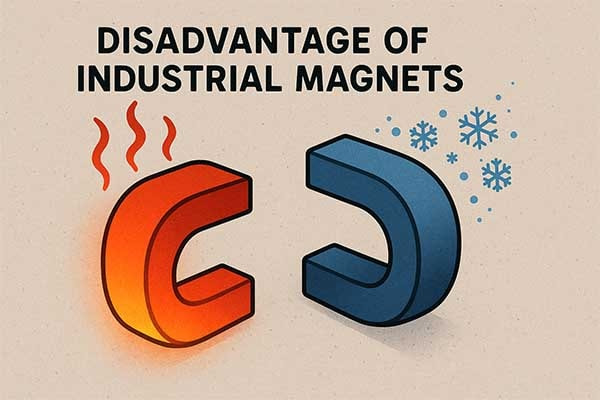
Industrial operations demand reliable magnetic solutions. However, permanent magnets face several challenges in harsh industrial environments. Understanding these limitations helps engineers make better design choices.
Permanent magnets have several key limitations for industrial use including temperature sensitivity, corrosion susceptibility, brittleness, demagnetization risks, and cost considerations. These factors can affect magnet performance and lifespan in demanding industrial applications.
Temperature represents the most significant limitation for permanent magnets in industrial settings. Neodymium magnets lose magnetic strength as temperature increases. Standard grades begin losing power at temperatures above 80°C. High-temperature grades can handle up to 200°C but cost significantly more.
Extreme cold also affects magnet performance. Some permanent magnets become brittle at very low temperatures. This brittleness can cause cracking or breaking during operation. Industrial applications in cold environments need special consideration for magnet selection.
Common Industrial Magnet Limitations
| Limitation Type | Impact on Performance | Mitigation Strategies |
|---|---|---|
| Temperature Sensitivity | Reduced magnetic strength | Use high-temperature grades |
| Corrosion | Magnet degradation | Apply protective coatings |
| Brittleness | Physical damage risk | Careful handling and mounting |
| Demagnetization | Complete loss of magnetism | Shield from strong opposing fields |
| High Cost | Budget constraints | Consider alternative solutions |
Corrosion poses another major challenge for permanent magnets in industrial environments. Neodymium magnets are particularly susceptible to oxidation. Moisture and chemicals can cause rapid deterioration. Most industrial magnets require protective coatings like nickel, zinc, or epoxy. These coatings add cost and may wear off over time.
The brittleness of permanent magnets creates handling and installation challenges. Rare-earth magnets can chip or crack easily during installation. They can also break if subjected to impact or vibration. Industrial applications often require special mounting systems to protect magnets from physical damage.
Demagnetization represents a serious risk in industrial settings. Strong opposing magnetic fields can permanently reduce magnet strength. Electric currents flowing near magnets can also cause demagnetization. Some industrial processes generate electromagnetic interference that affects magnet performance.
Cost considerations limit the use of high-performance permanent magnets in some applications. Neodymium magnets cost significantly more than ferrite or alnico magnets. Complex shapes or special grades increase costs further. Budget constraints often force engineers to compromise on magnet performance.
Size limitations affect magnet design for large industrial equipment. Very large permanent magnets become extremely expensive and difficult to handle. They also pose safety risks due to their powerful magnetic fields. Industrial applications requiring large magnetic forces may need multiple smaller magnets instead.
Magnetic field shape presents design challenges in industrial applications. Permanent magnets produce fixed magnetic field patterns. These patterns may not match the ideal field shape for specific applications. Engineers must carefully design magnetic circuits to optimize field distribution.
Safety concerns arise when using powerful permanent magnets in industrial settings. Strong magnets can cause serious injuries if they snap together unexpectedly. They can also damage electronic equipment and erase magnetic storage devices. Proper safety protocols are essential when handling industrial magnets.
M-Magnet addresses these limitations through careful magnet selection and design optimization. Our industrial magnets sale includes comprehensive technical support to help customers overcome common challenges. We work with engineers to find the best magnetic solutions for demanding industrial applications where to buy industrial magnets becomes a critical decision.
Conclusion
Industrial magnets are essential in many commercial operations, available mainly as neodymium magnets for their superior strength. Buying from trusted manufacturers like M-Magnet ensures quality, customization, and timely delivery. Understanding magnet types and grades helps buyers make better decisions in selecting the right industrial magnet for their needs.
About Blogger
Benjamin Li
Operation Manager of M-Magnet Company
I will bring you a full range of magnet knowledge and manufacturing experience on neodymium magnets and MagSafe magnet solutions through blogs and emails. I'm not an expert yet in magnets, but we have a whole team to help you solve technical issues, design drawing details, compatibility suggestions from magnetic assemblies, magnet purchasing and many other customized magnet solutions from China. You can follow my blogs on knowledge sharing or contact me for your own magnet solutions. We will always do the best.