Tips for Sticking Round Magnets to Any Surface
Tips for Sticking Round Magnets to Any Surface? What Materials Work Best with Round Magnets?
Round magnets often pose challenges in sticking securely to different surfaces. Many struggle to find the right materials for optimal adhesion. This article will clear up how round magnets work and what surfaces they best adhere to.
To stick round magnets to any surface, choose materials that are flat, clean, and ferromagnetic like iron or steel. Use strong adhesives like epoxy for non-metallic surfaces such as wood or plastic. For smooth or vertical surfaces, double-sided tape or mounting putty can help secure the magnet in place effectively.
Keep reading to discover what round magnets are and the best materials to use with them.
Table of Contents
What is a Round Magnet?
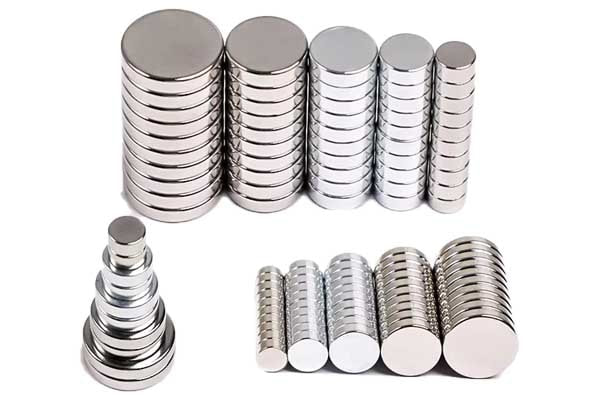
Round magnets may seem simple but they have distinct features that affect their use and sticking ability. Many users misunderstand what defines them and how their shape changes their magnetic performance.
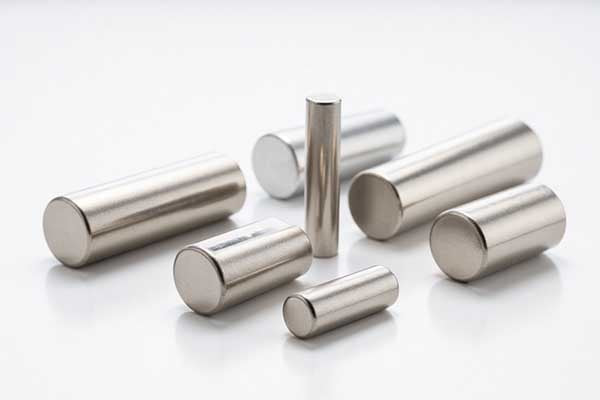
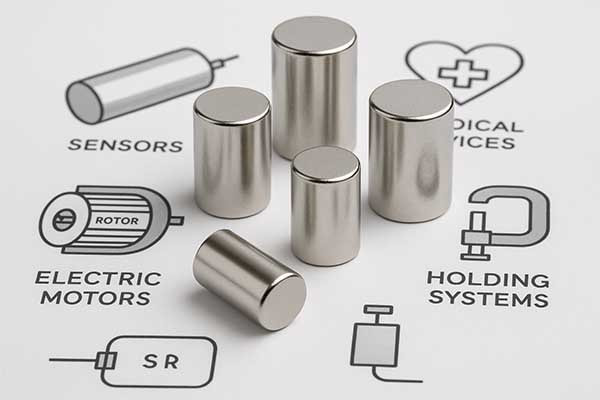
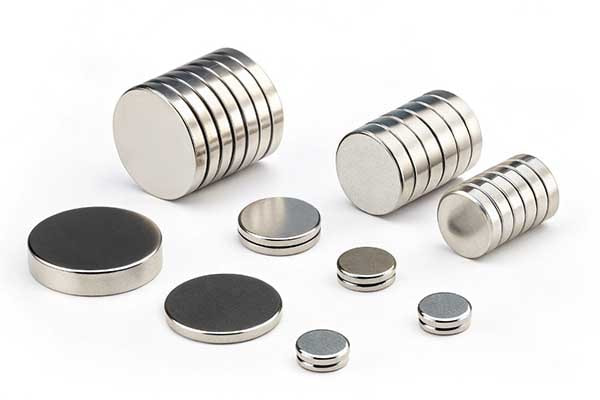
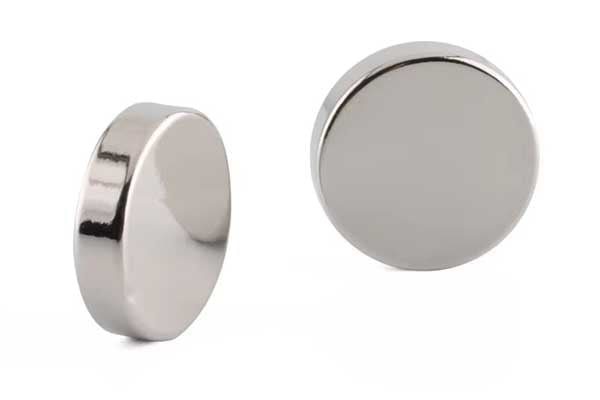
A round magnet is a disc-shaped magnet with a circular footprint. They are commonly made from neodymium or ferrite materials and are designed for applications requiring focused magnetic force on flat or slightly curved surfaces.
The term "round magnet" generally refers to magnets shaped as cylinders or discs. Their magnetic field distribution differs from block or rectangular magnets, often concentrating force on their flat faces.
Understanding Round Magnets
Round magnets provide uniform magnetic flux over their flat circular face. This makes them excellent for attaching to flat metal surfaces in consumer electronics, industrial uses, and home applications.
Characteristics of Round Magnets
| Properties | |
|---|---|
Shape | Disc or cylindrical with flat circular face |
Common Materials | Neodymium (NdFeB), Ferrite |
Magnetic Field | Concentrated on flat faces, strong pull on flat ferromagnetic surfaces |
Typical Uses | Motors, sensors, magnetic fixtures, MagSafe-type phone accessories |
How Shape Affects Holding Force
The round shape weakens edge leakage and focuses magnetic force distribution, which is ideal for strong, even grip on steel or iron surfaces. However, irregular or non-metal materials reduce adhesion, since magnetic attraction depends on ferromagnetic bonding.
How do round magnets work?
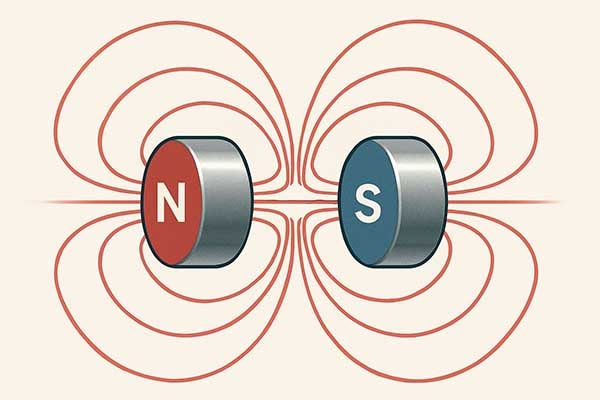
Round magnets attract or repel each other based on their poles. They always have two poles: north and south.
Round magnets work by creating magnetic fields with a north and south pole. When placed near each other, opposite poles attract while like poles repel. A round magnet cannot have only one pole; every magnet, regardless of shape, is dipolar.
When examining circular magnets, many wonder if their shape changes how they behave. In reality, shape affects the field’s direction but not the basic dipole structure. Circular magnets, such as discs or cylinders, behave like any other permanent magnets. They generate a magnetic field that extends from one pole to the other.
Some people ask whether a round magnet can have only one pole. That’s impossible. All permanent magnets, including circular magnets, are dipoles due to how their atoms align. Even if you cut a magnet in half, each piece will still have both a north and south pole.
Magnetic Pole Arrangement in Round Magnets
| Magnet Type | Polarity | Magnetic Field Pattern |
|---|---|---|
| Axially Magnetized Disc | North-South on Flat Faces | Field flows top to bottom |
| Diametrically Magnetized Disc | North-South on Rounded Sides | Field flows side to side |
The way circular magnets are magnetized changes how they perform in different applications. Axial magnetization is better for mounting on flat surfaces, while diametrical types suit rotating systems like motors.
At M-Magnet, many of our clients ask whether round magnets are better than block magnets. The answer depends on how the magnet is used. Circular shapes are easier to fit into recesses or holes. They also concentrate the magnetic field across their face, which can be helpful for lifting or attaching.
So, round magnets behave like other shapes in magnetic theory, but their structure makes them easier to work with in certain setups. You will see them in electronics, medical equipment, packaging, and consumer goods. If you need help with custom magnet solutions, reach out to us directly.
How Strong Are Round Magnets Compared to Others?
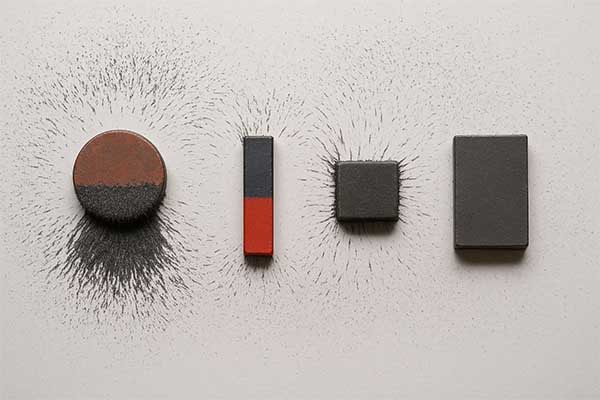
Choosing the right magnet for your project can be tough. Round magnets, like big round magnets, are popular but often misunderstood. Their strength depends on size, material, and application. This section explores how they compare to other magnet shapes.
Round magnets are strong, often matching or exceeding bar or block magnets in pull force. Their strength depends on diameter, thickness, and material, like neodymium. They excel in applications needing focused magnetic fields, outperforming weaker ceramic magnets.
To understand the strength of round magnets compared to other shapes, we need to look at their design and material properties. This helps us see why they are a top choice for many applications.
Factors Affecting Magnet Strength
The strength of a magnet comes from its material, size, and shape. Neodymium magnets, like those made by M-Magnet, are the strongest type available. They use rare-earth elements, giving them high magnetic pull. Big round magnets, often called disc magnets, focus their magnetic field on flat surfaces. This makes them ideal for holding or lifting tasks.
Size matters a lot. A larger diameter or thicker disc increases the magnet’s pull force. For example, a 2-inch neodymium disc magnet can hold much more weight than a smaller one. Shape also plays a role. Round magnets have a concentrated magnetic field, unlike bar magnets, which spread their field along their length. This focus gives big round magnets an edge in specific uses, like securing tools or mounting signs.
Material is another key factor. Neodymium magnets are far stronger than ceramic or ferrite magnets. Ceramic magnets are cheaper but have lower pull force, making them less suitable for heavy-duty tasks.
M-Magnet Company specialize in customized solutions using neodymium for maximum strength.
Comparing Shapes
Round magnets, bar magnets, and block magnets each have unique strengths. Big round magnets are great for applications needing a strong, localized grip. Their circular shape creates a tight magnetic field, perfect for attaching to flat metal surfaces. Bar magnets, with their elongated shape, distribute their field over a longer area. This makes them better for applications like magnetic separators or sensors.
Block magnets, which are rectangular, offer high surface area. They are strong for their size but may not match the focused pull of a round magnet. For example, a neodymium disc magnet with a 1-inch diameter can have a pull force of over 20 pounds, while a similar-sized block magnet might pull slightly less due to field distribution. Horseshoe magnets, another type, are strong but less common. Their U-shape creates two poles close together, useful for specific tasks like lifting heavy metal objects.
The choice depends on the project. If you need a magnet for a custom solution, round magnets are versatile. They work well in consumer products, industrial tools, and even medical devices. Their compact shape fits easily into designs, unlike bulkier bar or block magnets.
Practical Applications
Round magnets shine in specific scenarios. They are widely used in mounting systems, like holding signs or tools on metal surfaces. Their focused field ensures a secure hold. For example, in automotive applications, round magnets can secure parts during assembly. In homes, they hold knives on magnetic strips or keep cabinet doors closed.
However, round magnets may not be the best for every task. Bar magnets are better for linear applications, like magnetic locks. Block magnets suit larger surface areas, such as in industrial machinery. Knowing the application helps you pick the right magnet.
Limitations to Consider
While round magnets are powerful, they have limits. Their strength drops quickly with distance. If the magnet is not close to the surface, its pull weakens. This is true for all magnets but more noticeable with round ones due to their focused field. Surface type also matters. Round magnets stick best to flat, smooth metal surfaces. Rough or curved surfaces reduce their effectiveness.
Another factor is temperature. Neodymium magnets lose strength above 80°C (176°F). If your project involves high heat, ceramic magnets might be better, though they are weaker. Size can also be a drawback. Very large round magnets are heavy and costly, which may not suit all budgets. Smaller magnets may not provide enough strength for heavy tasks.
Table: Comparison of Magnet Shapes
| Feature | Round Magnets | Bar Magnets | Block Magnets |
|---|---|---|---|
| Magnetic Field | Focused, circular | Linear, spread | Broad, rectangular |
| Best Use | Mounting, holding | Sensors, separators | Large surface tasks |
| Pull Force (1-inch size) | ~20 lbs (neodymium) | ~15-18 lbs | ~15-20 lbs |
| Cost (Neodymium) | Moderate | Moderate | Higher |
| Versatility | High | Moderate | Moderate |
This table shows how round magnets compare to other shapes, highlighting their strengths for specific tasks.
Round magnets are a great choice for many projects. Their strength and versatility make them popular. Whether you need them for industrial or home use, understanding their properties helps you choose wisely. At M-Magnet, we provide custom magnet solutions to
What are the benefits of using round magnets?

Are you struggling to hold things in place? Do you need a strong, reliable fastening solution? Round magnets offer a simple and effective answer. They provide surprising strength and versatility for many uses.
Round magnets offer several key benefits. They have a strong holding force due to their concentrated magnetic field. Their circular shape allows for easy rotation and precise alignment. These magnets are also versatile, fitting into small spaces. They are ideal for many applications, from industrial uses to household projects.
Dive-Deeper paragraph: When we consider round magnets, we often think about their basic use: sticking to metal. But their benefits go beyond simple attraction. We can look at how their unique shape and magnetic properties offer distinct advantages. This helps us understand why they are a preferred choice in various fields.
Round magnets, like those from M-Magnet Company, have a uniform magnetic field. This field spreads evenly from the center outwards. This even spread means consistent holding power across their entire surface. This makes them reliable for sensitive applications. Think about precise sensor alignment or secure closures in consumer electronics. Their circular design also makes them easy to integrate into rotating parts. This is useful in motors or medical devices. Here, smooth movement and stability are important.
Compactness is round magnets' another major benefit. Their small size allows them to fit into tight spaces. This is perfect for miniature devices or hidden fastening systems. This compactness does not mean less power. Modern manufacturing techniques allow these magnets to be very strong, even when small. For example, a small neodymium round magnet can hold a significant weight. This makes them powerful for their size. This also reduces the overall material needed, which can save costs.
We also need to consider the ease of use and safety. Their smooth, round edges reduce the risk of snags or damage. This is important in handling or when they are part of a product. Installation is often simple. They can be glued, inserted into a recess, or held by a casing. Their durability means they last a long time. This makes them a cost-effective choice in the long run.
What are the main advantages of round magnets?
| Advantage | Description | Typical Application |
|---|---|---|
| Even Magnetic Field | Provides consistent holding strength across the entire surface. | Sensors, delicate closures. |
| Compact Size | Fits in small spaces without losing power. | Miniature devices, hidden fasteners. |
| Rotational Symmetry | Allows for easy rotation and alignment. | Motors, medical equipment. |
| Durability | Long-lasting performance and resistance to wear. | Industrial tools, repeated use items. |
| Ease of Integration | Simple to incorporate into designs. | Product assembly, custom solutions. |
The versatility of round magnets also extends to their application in various environments. For example, certain types of round magnets, like those used in MagSafe technology or offered by a magnet customized solutions provider, are designed to withstand specific conditions. These conditions include high temperatures or exposure to moisture. This makes them suitable for outdoor use or in industrial settings where conditions can be harsh. This adaptability further highlights their utility beyond just simple holding.
We also consider the aspect of aesthetic appeal. In some consumer products, the visual integration of components matters. Round magnets can be easily concealed or designed to be a subtle part of a product's look. Their smooth shape lends itself well to sleek designs. This is why they are often preferred in high-end electronics and furniture. The ability to offer both strong function and discreet presence is a notable benefit. This allows for more creative and refined product designs.
Finally, the availability of customized solutions for round magnets means they can be tailored to very specific needs. Whether it's a particular size, strength, or coating, manufacturers like M-Magnet Company can provide magnets that fit precise engineering requirements. This level of customization ensures optimal performance for niche applications. This also broadens the potential uses for round magnets across many industries. This highlights their importance in modern product development and manufacturing.
How to store round magnets?
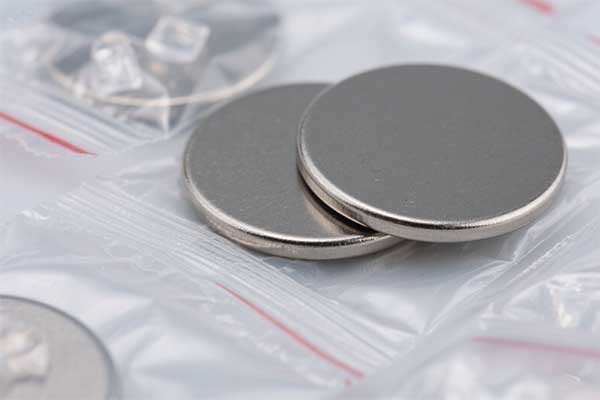
Round magnets can lose their strength and damage other items if not stored properly. Poor storage leads to chipped surfaces, weakened magnetic fields, and safety hazards. The right storage methods keep your magnets safe and maintain their power for years.
Round magnets should be stored in a cool, dry place away from electronic devices, separated by non-magnetic spacers, and kept in protective containers. Proper temperature control, humidity management, and careful handling prevent demagnetization and physical damage while extending magnet lifespan.
Understanding Round Magnet Storage Requirements
Round magnets need specific storage conditions to maintain their magnetic properties and physical integrity. Temperature plays a crucial role in magnet storage. Most neodymium round magnets work best when stored between 20°C to 80°C (68°F to 176°F). Extreme temperatures can cause permanent damage to the magnetic field.
Humidity control is equally important for round magnet storage. High moisture levels can cause corrosion, especially in neodymium magnets without proper coating. The ideal humidity level should stay below 65% to prevent rust and surface degradation. M-Magnet recommends using silica gel packets in storage containers to absorb excess moisture.
Physical separation prevents magnets from attracting each other with dangerous force. When round magnets slam together, they can chip, crack, or shatter completely. Use cardboard, plastic spacers, or foam padding between individual magnets. This separation also makes handling safer and reduces the risk of pinched fingers.
The storage location should be away from sensitive electronic equipment. Round magnets can damage credit cards, hard drives, pacemakers, and other magnetic-sensitive devices. Choose a dedicated storage area that stays clean and organized for easy access.
| Storage Factor | Recommended Range | Potential Issues |
|---|---|---|
| Temperature | 20°C - 80°C | Demagnetization, cracking |
| Humidity | Below 65% | Corrosion, surface damage |
| Separation Distance | 5-10mm minimum | Chipping, shattering |
Proper Container Selection and Organization
The right storage container protects round magnets from environmental damage and keeps them organized. Plastic containers work well because they don't interact with magnetic fields. Choose containers with tight-fitting lids to keep moisture and dust out. Clear containers help you see the contents without opening them frequently.
Metal containers should be avoided for magnet storage. The magnets will stick to metal walls, making removal difficult and potentially dangerous. Wood containers can work, but they may absorb moisture over time. Cardboard boxes are acceptable for temporary storage but not ideal for long-term use.
Compartmentalized storage systems work best for organizing different sizes and types of round magnets. Tackle boxes, parts organizers, and custom storage solutions provide individual spaces for each magnet. This prevents mixing different magnet grades and makes inventory management easier.
Label each storage compartment clearly. Include information about magnet size, strength grade, and coating type. This labeling system saves time when searching for specific magnets and prevents confusion during projects. For large round magnet collections, consider using a digital inventory system to track quantities and locations.
Safe Handling During Storage and Retrieval
Safe handling techniques protect both the magnets and the person storing them. Always wear safety glasses when handling round magnets, especially larger ones. Flying magnet fragments can cause serious eye injuries if magnets break during handling.
Use proper lifting techniques for large round magnets. These magnets can be surprisingly heavy and generate strong attractive forces. Keep your fingers away from the magnet edges where pinching is most likely to occur. Slide magnets apart rather than pulling them directly away from each other.
Create a staging area near your storage location for magnet preparation. This workspace should have good lighting and enough room to handle magnets safely. Keep first aid supplies nearby in case of accidents. Even experienced handlers can get caught off guard by unexpected magnetic attraction.
Store the most frequently used magnets in easily accessible locations. This reduces the need to move other magnets during retrieval. Plan your storage layout based on usage patterns and project requirements. M-Magnet suggests keeping detailed records of magnet performance over time to identify any degradation in stored magnets.
Regular inspection of stored magnets helps identify problems early. Check for signs of corrosion, chipping, or loss of magnetic strength. Replace damaged magnets promptly to maintain your inventory quality. Document any issues to improve future storage methods and identify patterns in magnet degradation.
Where to buy round magnets?
Finding quality round magnets feels frustrating. You need reliable sources that deliver strong adhesion. Focus on specialized manufacturers for consistent performance and material options.
You can buy round magnets from industrial suppliers, e-commerce platforms like Amazon, and direct manufacturers. For magnets with holes or small sizes, check specialized magnet factories. Reputable manufacturers like M-Magnet offer various diameters and thicknesses. Custom solutions exist for unique requirements. Always verify material grades before purchasing.
Key Factors in Round Magnet Selection
Selecting round magnets involves more than just size. You must consider material strength and surface compatibility. Neodymium disc magnets work best for heavy-duty applications on metal surfaces. But they may corrode in humid environments. Ceramic magnets cost less but offer weaker hold. Plastic-coated options prevent scratches on delicate surfaces.
Your project goals decide the magnet type. Industrial uses need high-grade neodymium. Crafts may use cheaper ferrite magnets. Round magnets for sale often vary in quality. Check supplier certifications to avoid substandard products.
| Magnet Type | Best For Surfaces Like | Strength Level | Where to Source |
|---|---|---|---|
| Neodymium disc magnets | Steel appliances, tools | Very High | Industrial suppliers |
| Small ceramic magnets | Whiteboards, crafts | Medium | Craft stores |
| Rubber-coated magnets | Painted walls, cars | Low-Moderate | Auto parts retailers |
| Hole-punched magnets | Mounting assemblies | Varies | Custom magnet solutions |
Finding Magnets with Special Features
Round magnets with holes serve unique mounting needs. These holes allow screws or bolts for secure attachment. We produce them for signage and industrial fixtures. Check manufacturer catalogs for center-drilled options. Avoid modifying solid magnets yourself. Drilling can weaken magnetic fields or cause shattering.
Small round magnets under 10mm diameter need precision manufacturing. They're used in electronics and jewelry. I recommend factories with laser-cutting capabilities. Request material certificates for small neodymium disc magnets. Counterfeit products often fail under stress.
Why Manufacturer Direct is Best
Buying directly from factories ensures quality control. You get exact specifications without markup. We ship to Europe, America and customers around world daily. Our clients avoid middlemen markups. Consider bulk discounts for over 500 units. Always request samples before large orders.
Customization matters for specialized projects. We adjust diameters, thicknesses, or coatings. Custom-made solutions solve unique adhesion challenges. Magnetic strength must match your surface material. For example, neodymium disc magnets bond strongly to steel but not plastics.
Shipping times affect project deadlines. Local warehouses speed delivery. Check supplier locations before ordering. We keep popular sizes in US and EU stock. Temperature resistance is another key factor. Standard neodymium magnets lose strength over 80°C.
Your surface material determines adhesive needs. Smooth surfaces work with magnetic tape. Rough textures need epoxy bonding. Always clean surfaces with alcohol before application. Test magnets before permanent installation. Remember that thicker magnets provide stronger pull.
Conclusion
Round magnets are disc-shaped magnets best sticking to flat ferromagnetic surfaces like steel and iron. Their magnetic force centers on their flat face, making them ideal for diverse uses including electronics and magnetic accessories. Knowing the materials they adhere to boosts their effectiveness in practical applications.
About Blogger
Benjamin Li
Operation Manager of M-Magnet Company