What Are Rare Earth Elements Used for in Wind Turbines?

Wind turbines need powerful, durable materials to generate clean energy. Rare earth elements solve critical challenges in turbine efficiency. But what exactly makes these metals indispensable?
Rare earth elements like neodymium and dysprosium[1] are used in wind turbine generators[2] to create strong permanent magnets. These magnets enable efficient energy conversion, withstand extreme temperatures, and reduce maintenance needs compared to traditional systems.
Let’s break down why these elements matter so much.
Table of Contents
What Are Rare Earth Elements?
Rare earth elements are 17 metals critical for modern technology. Despite their name, most are abundant but hard to extract and refine efficiently.
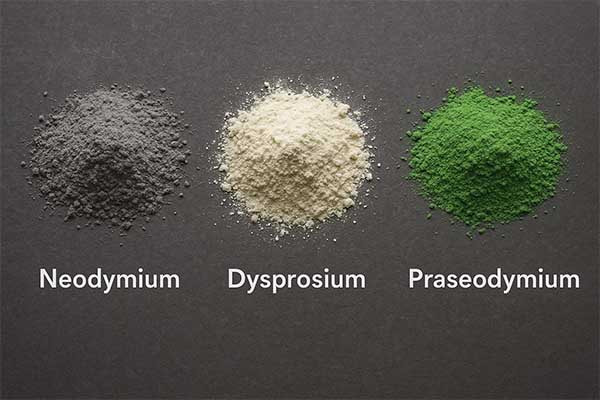
Rare earth elements include neodymium, dysprosium, and praseodymium[3]. They enable high-performance magnets in wind turbines by providing unmatched magnetic strength and temperature resistance.
Key Rare Earth Elements in Wind Turbines
| Element | Role in Turbines | Key Property |
|---|---|---|
| Neodymium | Primary magnet material | High remanence (Br) |
| Dysprosium | Heat resistance | Boosts coercivity (HcJ) |
| Praseodymium | Magnet stability | Prevents corrosion |
Wind turbines rely on these elements because alternatives either lack efficiency or durability. For example, non-rare earth generators require gearboxes that add weight and failure points. Neodymium-based magnets cut energy loss by 25% compared to traditional designs. However, sourcing these materials involves complex refining processes and geopolitical challenges[4]. At M-Magnet, we address this by optimizing magnet compositions to use fewer rare earths without sacrificing performance.
Will we run out of rare earth metals?
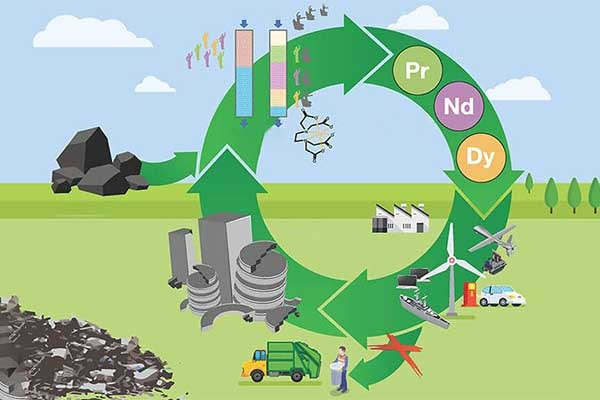
Many people are worried that we might use up rare earth metals. This fear grows as demand rises fast in green energy and electronics.
No, we are unlikely to run out of rare earth metals soon. But current supply chains[5] are at risk because mining and refining are limited to a few countries. Recycling and better mining methods[6] are key to keeping supplies stable.
Rare earth metals are critical for magnets in wind turbines and electric cars. The worry about running out often misses one point. These metals are not really “rare.” They are common in the Earth's crust. The real issue is they are hard and dirty to mine.
Rare Earth Availability vs Production Challenge
| Metal | Abundance in Earth (ppm) | Main Producer | Recycling Rate |
|---|---|---|---|
| Neodymium | 38 | China | <1%[7] |
| Dysprosium | 5.2 | China | <1% |
As a magnet manufacturer, I’ve seen how rare earth magnet demand increases. Wind turbines, especially direct-drive ones, need strong neodymium-iron-boron magnets. These use rare earth metals like neodymium, praseodymium, and sometimes dysprosium.
We do not fear that metals will disappear. China supplies over 80% of the global rare earths. This makes global supply chains fragile and chanceful. To fix this, many countries are opening new mines and building refining capacity. There is also growing interest in recycling[8] from used electronics.
At M-Magnet Company, we focus on efficient magnet design to reduce metal use without lowering performance. Advanced shaping, bonding, and coating help us meet demand while keeping rare earth metal use controlled.
In short, we will not run out. But we must invest in new mines, recycling, and smarter use. That’s how we make wind power and green tech grow in a safe way.
What rare earth elements are used in renewable energy?
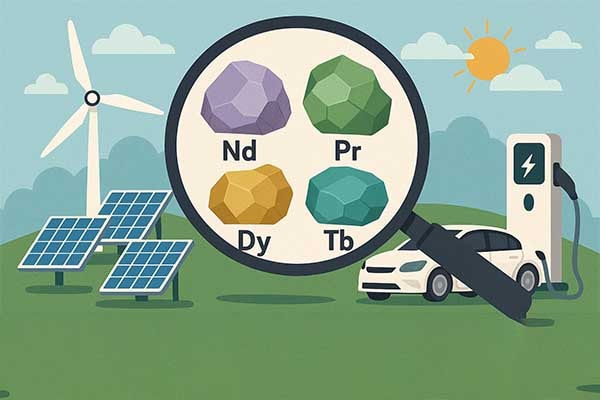
Green energy needs rare earth metals, but most people don’t know which ones or why they matter.
Neodymium, praseodymium, dysprosium, and terbium[9] are the most used rare earth elements in renewable energy. They are vital for high-strength permanent magnets found in wind turbines, electric vehicles, and energy-efficient motors.
Let’s look closer. Wind turbines are a top user of rare earth magnets. Especially in direct-drive turbines, these magnets help spin the generator without a gearbox. This makes the system more reliable and quiet. The magnets inside are usually neodymium-iron-boron (NdFeB), strengthened by praseodymium. In high-heat conditions, dysprosium or terbium is added to make the magnet more stable.
Key Rare Earth Elements in Green Energy
| Element | Use Case | Device |
|---|---|---|
| Neodymium (Nd) | High-strength magnets | Wind turbines, EV motors[10] |
| Praseodymium (Pr) | Magnet alloying | Turbine generators |
| Dysprosium (Dy) | Heat resistance | High-temperature magnets |
| Terbium (Tb) | Magnetic stability | EV drive systems |
At M-Magnet Company, we use rare earth metals in magnets for high-performance energy tech. We work with grades like N48H or N52M, depending on the application. For wind turbines, heat resistance and corrosion protection are key. That’s why we choose the right balance of rare earth content and magnet coating.
Rare earth metal demand grows[11] as the world moves toward net-zero carbon. Besides turbines, electric vehicle motors, generators, and industrial drives all need powerful magnets. That makes rare earths central to renewable energy[12] success.
Still, rare earth mining must stay safe for the environment. That’s why we support recycling and magnet reuse projects. We also develop magnet designs that reduce rare earth use without lowering performance. We believe good design is the best way to save these metals while keeping green energy strong.
Is Boron Renewable or Nonrenewable?
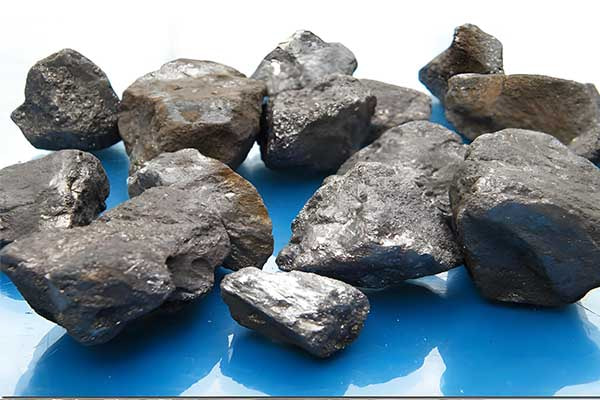
Boron plays a key role in renewable energy, but is it itself renewable or not? This question matters for sustainable energy development.
Boron is a nonrenewable element because it is mined from finite mineral deposits. However, it supports renewable energy by reducing carbon emissions and improving energy efficiency in various applications. Boron compounds help lower fossil fuel emissions[13] and enhance renewable technologies[14].
Boron’s unique properties[15] make it valuable in renewable energy systems. It is non-toxic, fire-retardant, and an effective insulator. These traits help reduce the use of other materials and lower carbon footprints in energy production. Boron’s role in decarbonizing fuels and improving insulation shows how a nonrenewable element can aid renewable energy goals.
Boron’s Impact on Renewable Energy[16]
| Property | Role in Renewable Energy | Benefit |
|---|---|---|
| Non-toxic | Safe for use in energy materials | Environmentally friendly |
| Fire retardant | Slows flame spread in materials | Enhances safety |
| Heat absorption | Acts as an insulator | Improves energy efficiency |
| Carbon emission reducer | Used in fuel additives to cut CO2 and other gases | Supports cleaner combustion |
Boron is mined from borate minerals, which are limited resources. This makes boron nonrenewable, but its use in renewable energy technologies helps reduce overall environmental impact. For example, boron compounds reduce emissions by over 50% in some fuel systems while keeping energy output high. This dual role highlights the complexity of resource[17] use in green energy transitions.
We recognize the importance of such elements in supporting sustainable energy solutions. While boron itself is nonrenewable, its contribution to renewable technologies is critical for a greener future.
What Are Rare Earth Magnets in Wind Turbines?
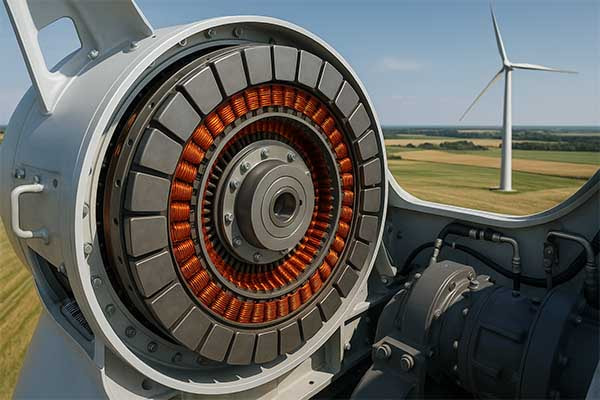
Rare earth magnets are vital components in modern wind turbines[18]. Why do these magnets matter so much for wind energy?
Rare earth magnets, mainly neodymium-iron-boron (NdFeB), are the strongest permanent magnets used in wind turbines. They enable efficient electricity generation by providing high magnetic strength and heat resistance, which improves turbine reliability and reduces maintenance costs.
These magnets allow direct-drive turbine[19] designs that eliminate gearboxes[20], making turbines lighter and more reliable. Rare earth magnets help turbines operate efficiently even at low wind speeds. Their unique magnetic properties come from rare earth elements like neodymium, praseodymium, dysprosium, and terbium.
Rare Earth Magnets in Wind Turbines
Rare earth magnets are not just strong; they are engineered for durability and performance under harsh conditions. The combination of elements in NdFeB magnets balances magnetic strength with resistance to demagnetization at high temperatures[21]. This is essential for offshore wind turbines, where maintenance is costly and downtime must be minimized.
| Element | Function in Magnet | Importance |
|---|---|---|
| Neodymium | Provides primary magnetic strength | Enables compact, powerful magnets |
| Praseodymium | Enhances magnet stability and corrosion resistance | Extends magnet life |
| Dysprosium | Improves heat resistance | Prevents loss of magnetism in heat |
| Terbium | Adds demagnetization resistance | Maintains performance at high temps |
The use of rare earth magnets reduces the need for heavy gearboxes. This lowers mechanical complexity and maintenance costs, which can be as high as $40 per kW of capacity in traditional turbines. Direct-drive turbines with these magnets achieve efficiencies over 96%, improving energy output and grid compatibility.
Despite their advantages, rare earth magnets rely on mining and refining rare earth elements, which pose environmental and social challenges. The supply chain for these materials involves complex geopolitical factors and sustainability concerns[22]. We focus on optimizing magnet designs to reduce rare earth content while maintaining performance, helping address these challenges.
Rare earth magnets are central to the future of wind energy. Their unique properties enable turbines to be more efficient, reliable, and cost-effective. Balancing their use with sustainable sourcing is key to advancing renewable energy technologies globally.
What's the difference between a rare earth magnet and a regular magnet?
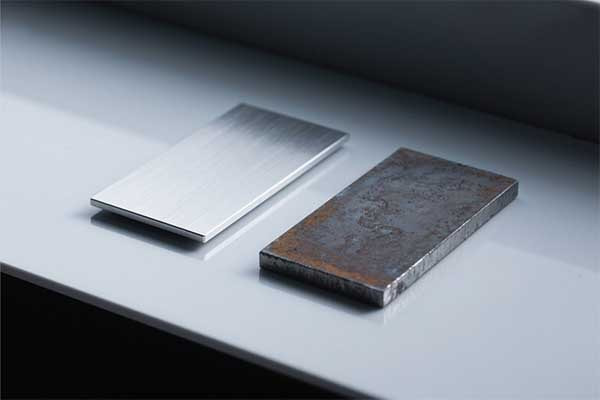
Rare earth magnets and regular magnets look similar but behave very differently. Understanding this difference is key for many applications, including wind turbines.
Rare earth magnets are permanent magnets made from alloys of rare earth elements like neodymium and samarium. They are 2 to 7 times stronger than regular magnets, which are usually made from iron or ferrite ceramics. Rare earth magnets have higher magnetic strength, better temperature stability, and resist demagnetization more effectively.
Rare earth magnets are essential in high-performance applications[23] such as wind turbines because they deliver strong magnetic fields in compact sizes. Regular magnets, like ferrite magnets[24], are cheaper but weaker and bulkier. This strength difference allows rare earth magnets to improve turbine efficiency and reduce size and weight. However, rare earth magnets are more expensive and brittle, requiring protective coatings.
Rare Earth Magnets vs Regular Magnets
Rare earth magnets owe their superior performance to their unique material composition and crystalline structure. The primary rare earth elements used are neodymium, samarium, cobalt, and boron. These elements create magnets with very high magnetic anisotropy, meaning their crystals strongly prefer magnetization along a specific axis. This property gives them high coercivity, so they resist losing magnetism under heat or opposing fields.
| Property | Rare Earth Magnets | Regular Magnets (Ferrite/Iron) |
|---|---|---|
| Composition | Alloys of rare earth elements (NdFeB, SmCo[25]) | Iron, steel, or ferrite ceramics |
| Magnetic Strength | 2-7 times stronger than regular magnets | Weaker magnetic field[26] |
| Size and Weight | Compact and lightweight | Larger and heavier for same strength |
| Temperature Stability | High (up to 300°C for SmCo) | Lower, lose magnetism above Curie temp |
| Resistance to Demagnetization | Very high | Moderate |
| Cost | Higher due to complex processing | Lower, widely available materials |
| Durability | Brittle, prone to corrosion without coating | More robust, less brittle |
This reduces mechanical complexity and maintenance. Their smaller size also allows more compact designs, which is vital for offshore turbines where space and weight are limited.
Despite these advantages, rare earth magnets require mining rare earth elements, which raises supply chain and environmental concerns. At M-Magnet, we focus on optimizing the use of rare earth magnets to balance performance with sustainability. We also develop coatings and manufacturing techniques to improve durability and reduce costs.
Understanding the difference between rare earth magnets and regular magnets helps explain why rare earth magnets are indispensable in modern wind turbines. Their unique properties translate directly into better energy efficiency and turbine reliability.
Conclusion
Rare earth elements make wind turbines more efficient and reliable through advanced magnet technology. While sourcing challenges exist, strategic material engineering ensures sustainable energy solutions. As a magnet manufacturer, we’re committed to balancing performance with environmental responsibility. Contact M-Magnet to explore customized turbine magnet solutions.
Note:
[14]It highlights boron's potential in creating more efficient and sustainable energy solutions.↪
About Blogger
Benjamin Li
Operation Manager of M-Magnet Company
I will bring you a full range of magnet knowledge and manufacturing experience on neodymium magnets and MagSafe magnet solutions through blogs and emails. I'm not an expert yet in magnets, but we have a whole team to help you solve technical issues, design drawing details, compatibility suggestions from magnetic assemblies, magnet purchasing and many other customized magnet solutions from China. You can follow my blogs on knowledge sharing or contact me for your own magnet solutions. We will always do the best.