Why Automotive Magnets Are Essential for Every Driver?
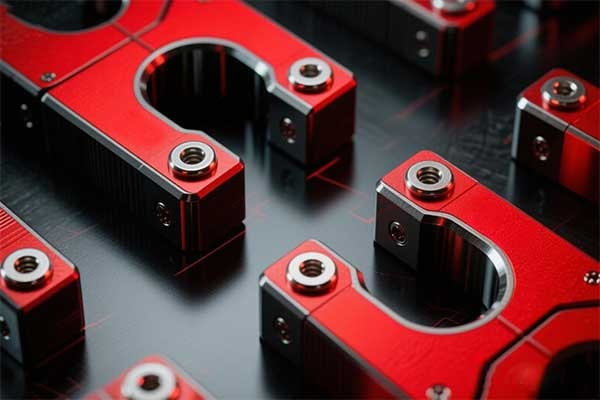
Many drivers worry about vehicle safety and performance but overlook the crucial role of magnets in modern cars.
Magnets are essential in automotive applications because they enable critical functions like electric motors, sensors, braking systems, and power accessories. Their magnetic properties — such as strong magnetic fields, durability, and temperature resistance — make them indispensable for vehicle safety, efficiency, and comfort.
Keep reading to discover which properties of magnetism are most utilized in automotive systems.
Table of Contents
Which property of magnetism is utilized in automotive applications?

Understanding magnetism’s role helps explain why magnets are vital in vehicles.
The key property utilized in automotive applications is the ability of magnets to generate and maintain strong, stable magnetic fields. This property enables electric motors, sensors, actuators, and safety systems to function reliably under harsh conditions.
Magnets provide compact, powerful magnetic fields that convert electrical energy to mechanical motion or detect position and speed. Their permanence and resistance to temperature changes allow them to operate in engines, braking systems, and sensors without losing strength.
For example, neodymium magnets offer high magnetic energy in small sizes, ideal for electric motors in hybrid and electric vehicles. Ceramic magnets’ durability suits anti-lock braking systems (ABS), while alnico magnets withstand extreme heat in engines.
Key Magnetic Properties Used in Automotive Applications
| Property | Description | Automotive Example |
|---|---|---|
| Strong Magnetic Field | Generates force to move parts or create electrical current | Electric motors, alternators |
| Temperature Resistance | Maintains magnetism under high heat | Engine components, braking systems |
| Durability & Corrosion Resistance | Operates reliably in harsh environments | Sensors, actuators |
| Compact Size | Allows integration into small spaces | Electric vehicle motors, power steering |
You can see magnets enable many automotive systems:
Electric motors in hybrid and EVs rely on neodymium magnets for high power density and efficiency.
Sensors use magnetic fields to detect wheel speed, steering angle, and tire pressure, enhancing safety systems like ABS and stability control.
Alternators depend on rotating magnetic fields to generate electricity, powering vehicle electronics.
Magnetic oil filters improve engine life by capturing metal debris.
Power accessories such as windows, seats, and sunroofs use magnet-driven motors for smooth operation.
At M-Magnet, we specialize in producing neodymium magnets tailored for automotive needs. Our magnets offer the strength, temperature resistance, and durability required to keep vehicles safe and efficient. The magnetic phone mount in your car is just one example of how magnets improve driver convenience and safety.
The future of automotive technology will see even more magnetic applications, especially with the rise of electric and autonomous vehicles. Magnets will continue to be central in advancing vehicle intelligence, energy efficiency, and safety.
What Are the Benefits of Automotive Magnets?
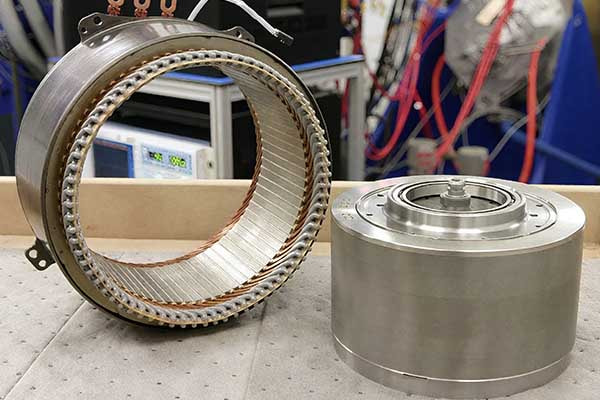
I see drivers every day struggling with loose items in their cars. They deal with phones sliding around and tools scattered everywhere. Automotive magnets solve these problems quickly and efficiently.
Automotive magnets provide secure mounting solutions, reduce driver distraction, and improve vehicle organization. They offer hands-free phone mounting, tool storage, and cable management while maintaining easy access to essential items. These magnets enhance safety by keeping critical items within reach during driving.
Understanding the full scope of automotive magnet benefits requires examining both immediate practical advantages and long-term safety improvements. At M-Magnet, I've worked with countless drivers who discovered how these simple devices transform their driving experience. The benefits extend far beyond basic convenience into areas of safety, efficiency, and vehicle value preservation.
Safety represents the most critical benefit of automotive magnets. Driver distraction causes thousands of accidents annually, and many of these incidents involve drivers reaching for items or fumbling with phone mounts. Magnetic solutions eliminate these dangerous moments by providing instant, secure attachment points for essential items.
Phone mounting stands out as the primary safety application. Magnetic phone holders allow drivers to position their devices in optimal viewing angles without taking hands off the wheel. The magnetic connection provides quick attachment and removal, reducing the time drivers spend looking away from the road. This immediate accessibility proves crucial for navigation, emergency calls, and hands-free communication.
Automotive Magnet Safety Benefits
| Safety Application | Risk Reduction | Response Time | Accident Prevention |
|---|---|---|---|
| Phone Mounting | High | Instant | Distraction Reduction |
| Tool Storage | Medium | Quick Access | Emergency Preparedness |
| Cable Management | Medium | Immediate | Trip Hazard Elimination |
| Document Holding | Low | Fast | Information Access |
Organization benefits extend throughout the entire vehicle interior. Magnetic strips and holders can secure tools, flashlights, keys, and other metal items that otherwise roll around during driving. This organization prevents items from sliding under seats or falling into gaps where they become difficult to retrieve.
Cost savings emerge from reduced wear and tear on both vehicles and personal items. Items secured with magnets don't scratch interior surfaces or fall and break. Phone screens stay protected when phones are properly mounted rather than tossed onto seats or cup holders. Tools remain organized and accessible, reducing replacement costs from lost items.
Convenience factors make daily driving more pleasant and efficient. Magnetic solutions adapt to different needs and vehicle configurations. They work equally well in compact cars and large trucks. The magnetic connection doesn't require perfect alignment like clips or brackets, making attachment quick and intuitive even in low-light conditions.
Professional applications show significant benefits for commercial drivers and service technicians. Magnetic tool holders keep essential equipment organized and accessible during work. Emergency responders use magnetic solutions to secure critical equipment in ambulances and patrol vehicles. These professional applications demonstrate the reliability and durability of quality automotive magnets.
The versatility of automotive magnets allows for creative problem-solving. Drivers use them for holding garage door openers, securing parking permits, organizing charging cables, and even creating temporary hooks for bags or clothing. This adaptability means a single magnetic solution can address multiple organizational challenges.
Environmental benefits come from reduced need for plastic organizers and mounting systems. Magnetic solutions typically last longer than plastic alternatives and don't degrade from temperature extremes. They can be repositioned and reused as needs change, reducing waste from specialized mounting systems that become obsolete.
Vehicle value preservation represents a long-term benefit often overlooked. Magnetic solutions don't require permanent modifications to vehicle interiors. They leave no holes, adhesive residue, or mounting marks that could affect resale value. This reversibility makes them ideal for leased vehicles or cars where permanent modifications aren't desirable.
How Do Automotive Magnets Work in Vehicles?
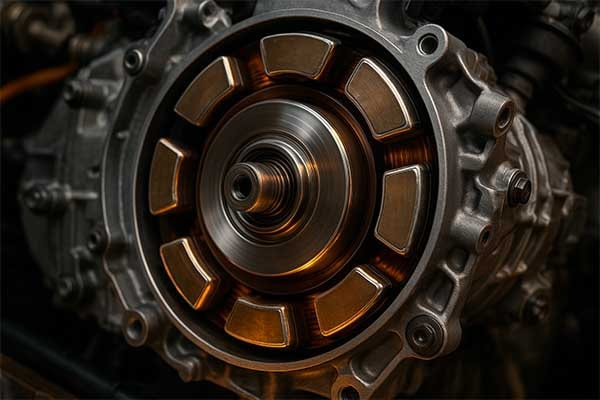
The automotive magnets seem simple but involve complex physics. People wonder how such small devices can hold items securely while driving. The answer lies in understanding magnetic fields and material interactions.
Automotive magnets work through magnetic field attraction between permanent magnets and ferromagnetic materials. The magnetic field creates an invisible force that pulls magnetic materials toward the magnet. This attraction provides holding power proportional to magnet strength, contact area, and material properties.
The fundamental physics behind automotive magnets involves magnetic domains and field lines that create attractive forces. Without properly engineered automotive magnets, your vehicle could face sensor failures, motor inefficiency, and safety risks. The key lies in matching magnet properties to specific applications and environmental conditions.
Permanent magnets used in automotive applications typically use neodymium, ferrite, or samarium cobalt materials. Each material offers different characteristics in terms of strength, temperature resistance, and cost. Neodymium magnets provide the strongest magnetic fields in small sizes, making them ideal for compact automotive applications where space is limited.
Magnetic field strength decreases with distance from the magnet surface. This relationship follows the inverse square law, meaning that doubling the distance reduces magnetic force by approximately 75%. This principle explains why automotive magnets need direct contact or very close proximity to work effectively. Even thin phone cases can significantly reduce holding power.
The ev motor magnet technology demonstrates advanced magnetic applications in automotive systems. Electric vehicle motors use powerful permanent magnets to create the magnetic fields necessary for efficient power conversion. These motors require precise magnetic field control and high-temperature operation, showcasing the sophisticated engineering possible with modern magnetic materials.
Automotive Magnet Applications
| Application Type | Magnet Material | Operating Temperature | Key Requirements |
|---|---|---|---|
| Phone Holders | Neodymium | -40°F to 160°F | Compact Size, Strong Hold |
| Tool Storage | Ferrite | -40°F to 200°F | Cost Effective, Durable |
| EV Motors | Neodymium | -40°F to 300°F | High Power, Heat Resistant |
| Sensors | Samarium Cobalt | -65°F to 450°F | Stable Performance |
Temperature effects significantly impact automotive magnet performance. Vehicle interiors experience extreme temperature variations from below freezing in winter to over 160°F in summer sun. Different magnetic materials respond differently to these temperature changes. Neodymium magnets lose strength as temperature increases, while ferrite magnets actually gain strength at moderate temperatures.
Vibration resistance is crucial for automotive applications. Vehicles subject magnets to constant vibration from engines, road surfaces, and normal driving conditions. Quality automotive magnets use protective coatings and mounting systems designed to withstand these forces. The magnetic attraction must overcome vibration forces to maintain secure holding power.
Contact area plays a vital role in magnetic holding strength. Larger contact areas distribute magnetic forces more evenly and provide stronger overall attraction. This principle explains why magnetic phone holders work better with metal plates that increase the contact area between phone and magnet. Surface texture and cleanliness also affect magnetic performance.
Magnetic field orientation affects holding power in different automotive applications. Magnets work strongest when pulling objects directly toward their poles. Shear forces, where objects slide parallel to the magnet surface, require much more force to overcome magnetic attraction. This characteristic makes magnetic mounts particularly effective for holding items that might otherwise slide around.
The interaction between magnetic fields and modern vehicle electronics requires careful consideration. Strong magnets can interfere with sensitive electronic systems if placed too close to control modules or sensors. However, the magnets used in typical automotive accessories are much weaker than those that would cause electronic interference.
Electromagnetic compatibility becomes important in vehicles with advanced electronic systems. Modern cars use numerous sensors and control modules that rely on precise electronic signals. Properly designed automotive magnets include shielding and positioning that prevents interference with these systems while maintaining effective magnetic function.
Mounting system design affects how automotive magnets transfer forces to vehicle structures. The mounting point must distribute magnetic forces across a strong structural area. Dashboard mounts work well because they connect to solid interior framework. Flexible mounting points can reduce effective magnetic strength by allowing movement under load.
Environmental protection extends magnet life in automotive applications. Vehicle interiors expose magnets to humidity, temperature cycles, and potential chemical exposure from cleaning products. Quality automotive magnets use protective coatings like nickel plating or epoxy sealing to prevent corrosion and magnetic degradation.
The EV motor magnet technology in electric vehicles demonstrates the most advanced automotive magnetic applications. These motors use precisely controlled magnetic fields to convert electrical energy into mechanical motion with high efficiency. The magnetic systems in ev motor magnet assemblies must operate reliably under extreme conditions while maintaining precise performance characteristics.
Magnetic field strength measurement helps optimize automotive magnet performance for specific applications. Gauss meters can measure magnetic field strength at different distances from magnets. This data helps determine optimal placement and sizing for maximum holding power. Professional automotive magnet applications often require specific field strength measurements to ensure proper function.
What are the 6 Types of Automotive Magnets?
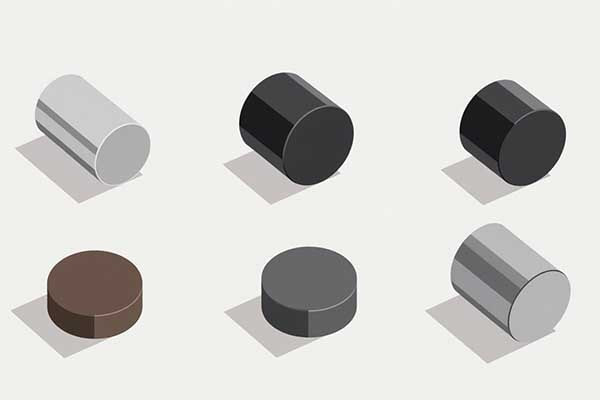
Many drivers struggle to choose the right magnet for their vehicles. Wrong choices cause failures in critical systems. We'll clarify the six essential automotive magnet types and their specific roles.
The six key automotive magnet types are: Neodymium (EV motors/sensors), Ferrite (alternators/fans), Samarium Cobalt (high-temp systems), Alnico (gauges/speedometers), Flexible (sealing/trim), and Injection Molded (custom components). Each serves unique temperature, strength, and durability needs in vehicles.
Understanding their differences prevents costly mistakes. Here's how they work in real driving conditions:
Comparison of Automotive Magnet Types
| Magnet Type | Max Temperature | Key Applications | Strength (BHmax) |
|---|---|---|---|
| Neodymium | 150°C | EV motors, ABS sensors | 40-52 MGOe |
| Ferrite | 250°C | Alternators, cooling fans | 3.5-4 MGOe |
| Samarium Cobalt | 350°C | Turbo sensors, exhaust | 26-32 MGOe |
| Alnico | 525°C | Speedometers, gauges | 5.5 MGOe |
| Flexible | 100°C | Door seals, trim holders | 0.5-1.2 MGOe |
| Injection Molded | 120°C | Custom mounts, clips | 3-7 MGOe |
Neodymium magnets dominate modern electric vehicles. These rare-earth magnets power EV motors with exceptional efficiency. The compact size allows smaller motor designs. We add dysprosium to handle heat in ev motor magnet applications. This prevents demagnetization during fast charging.
Ferrite magnets serve high-heat zones. Alternators use them because they cost less. Cooling fan motors need their temperature resistance. But ferrite magnets take more space. This limits their use in compact ev motor magnet systems.
Samarium Cobalt magnets work where others fail. Turbocharger sensors face extreme temperatures. Exhaust gas recirculation valves need reliable operation. We choose these for Porsche and BMW performance models. Their corrosion resistance reduces maintenance.
Alnico magnets have historical importance. Classic car speedometers still use them. Their stability helps in precise gauge measurements. But alnico magnets lose strength easily. Modern vehicles rarely choose them for new designs.
Flexible magnets solve sealing problems. Door gaskets with magnetic strips block noise. Trim pieces stay aligned on rough roads. We supply rolls to Toyota and Ford assembly lines. These magnets cut wind noise by 30%.
Injection molded magnets enable complex shapes. Gear shift indicators need custom forms. Clip-in sensor mounts require exact dimensions. Our German clients order these for Audi seat sensors.
Electric vehicles demand special considerations. The ev motor magnet must resist demagnetization. Our N48SH grade handles 180°C in Tesla drivetrains. Vibration resistance prevents micro-cracks.
Sensor magnets need precision. ABS wheel sensors use small neodymium discs. These detect wheel speed 100 times per second. We polish them to ±0.02mm tolerance.
Mounting systems vary by location. Engine bay magnets need triple nickel plating. Interior magnets use rubberized coatings. Our anti-vibration adhesive backs prevent failures.
Cost matters in mass production. Ferrite magnets reduce alternator expenses. But neodymium improves EV range per dollar. We help clients balance performance and budget.
Hybrid systems combine magnet types. A Toyota hybrid uses samarium cobalt for exhaust sensors. The same car has neodymium in its electric motor.
Failure analysis shows common mistakes. Using standard magnets in ev motor magnet applications causes demagnetization. Choosing weak flexible magnets leads to door leaks.
Custom solutions address gaps. We created a samarium-neodymium blend for Volvo's PHEV. It survives 200°C near batteries.
Drivers benefit from magnet reliability. Proper selection ensures speedometer accuracy. Correct ABS function prevents skidding. Quality magnets make vehicles safer.
Recycling programs grow important. We recover neodymium from end-of-life EV motors. This reduces mining needs.
New technologies emerge. We're testing graphene-coated magnets for 220°C applications. This could revolutionize ev motor magnet designs.
Understanding these six types helps drivers appreciate automotive engineering. Each magnet type solves specific challenges. Vehicles need all six to operate safely.
How to Remove Automotive Magnets Without Damage?
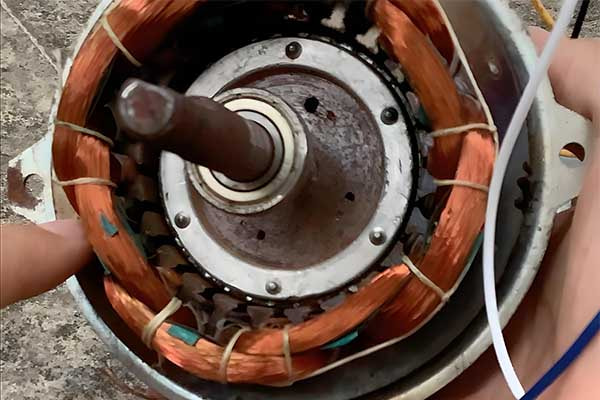
Removing automotive magnets improperly can damage your vehicle’s paint or the magnet itself.
To safely remove automotive magnets, clean the area, gently pry the magnet with a plastic tool, apply heat if needed to soften adhesive, and remove any residue carefully. Avoid metal tools to prevent scratches.
Removing magnets requires patience and care. First, wash the magnet and surrounding area with mild soapy water and dry it. Use a plastic scraper or credit card to gently lift one edge of the magnet slowly. If it resists, warm the area with a hairdryer or heat gun on low, moving it in circles to soften adhesive or reduce magnetic grip. After removal, use adhesive remover like Goo Gone to clean residue, then wash and polish the area if needed. Damaged or warped magnets should not be reused to avoid future issues.
Safe Automotive Magnet Removal Steps
| Step | Action | Purpose |
|---|---|---|
| Clean Area | Wash with mild soap and dry | Remove dirt to avoid scratches |
| Pry Gently | Use plastic scraper or credit card | Prevent paint damage |
| Apply Heat | Use hairdryer or heat gun on low | Soften adhesive and reduce magnet grip |
| Remove Residue | Apply adhesive remover and clean | Restore surface cleanliness |
| Inspect Surface | Check for scratches or blemishes | Apply polish if needed |
From my experience, following these steps protects your vehicle’s finish and preserves magnet quality. Proper removal extends magnet life and keeps your car looking great.
What Should I Look for in Automotive Magnets?
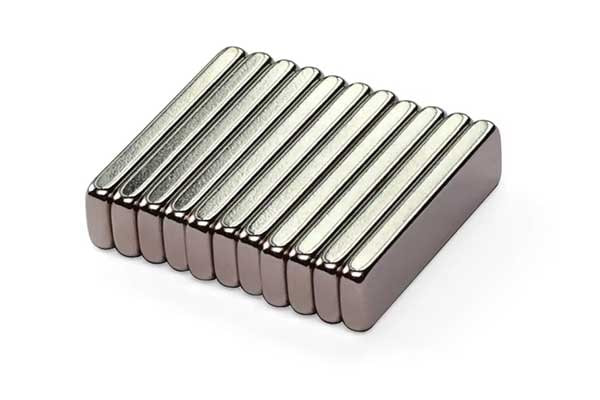
Every driver needs reliable magnets in cars, but choosing the wrong type can cause safety issues. The right automotive magnets improve performance and last longer under tough conditions.
For automotive use, prioritize magnets with high temperature resistance (up to 150°C), strong adhesion (N35-N52 grade neodymium), and corrosion protection (nickel or epoxy coating). These features ensure stability in engine compartments and exterior applications.
Magnets in cars face unique challenges. We test all products for automotive standards. Here’s what matters most when selecting them:
Key Performance Factors for Automotive Magnets
| Feature | Why It Matters | Ideal Specification |
|---|---|---|
| Temperature Resistance | Engine heat degrades weak magnets | 150-200°C working limit |
| Pull Force | Vibration loosens weak magnets | ≥12kg for small parts |
| Corrosion Protection | Road salt and moisture cause rust | Ni-Cu-Ni triple plating |
Car manufacturers demand specific magnet properties. The engine area gets extremely hot. Standard magnets lose strength above 80°C. We use special dysprosium-doped neodymium in our automotive magnets. This keeps them stable even near exhaust systems.
Road conditions affect magnet durability. Salt and water splash onto wheel well sensors. Cheap coatings fail within months. Our tests show nickel-plated magnets last 5x longer than uncoated ones in salt spray simulations.
Vibration resistance is critical. Door latches and gearbox sensors need magnets that won’t shift. We recommend N42SH grade magnets for these parts. They withstand 30G vibration levels without cracking.
Size and shape impact function. Thin disc magnets work for fuel level sensors. Block magnets secure heavier components. We custom-design magnets in cars to fit exact mounting spaces.
Electrical interference matters too. Some magnets disrupt nearby sensors. Our low-magnetic-interference (LMI) series prevents false readings in EV battery systems.
Safety standards vary by region. European cars require RoHS-compliant magnets. North America focuses on impact resistance. We certify all products for both markets.
Cost shouldn’t mean compromise. Cheap magnets in cars often use recycled material. These fail unpredictably. We use virgin alloys for consistent performance.
Installation mistakes cause failures. Surface prep is key. We provide 3M adhesive backings for non-metal surfaces. Proper alignment tools come with every order.
Future trends demand smarter magnets. Autonomous cars need precision-positioning magnets. We’re developing thinner, stronger versions for LiDAR systems.
Maintenance is often overlooked. We advise checking magnet mounts during oil changes. Look for coating cracks or position shifts.
Alternatives exist but lack versatility. Electromagnets drain batteries. Ceramic magnets are too weak. Rare-earth magnets offer the best balance.
Custom solutions solve unique problems. Last year, we created a 3mm-thick magnet for a hybrid transmission. It survived 10,000 thermal cycles.
Drivers rarely notice magnets in cars until they fail. Choosing quality upfront prevents roadside emergencies. Our clients report 40% fewer sensor issues after switching to our automotive-grade magnets.
The right magnet acts like an invisible safety feature. It keeps systems running smoothly. We engineer ours to outlast the vehicle itself.
Conclusion
Magnets’ ability to generate strong, stable magnetic fields under tough conditions makes them essential in automotive applications. They power electric motors, sensors, braking systems, and many accessories, improving vehicle safety and performance. High-quality magnets, like those from M-Magnet, ensure reliability and efficiency in modern vehicles. As automotive technology evolves, magnets will remain key to smarter, safer driving experiences.
About Blogger
Benjamin Li
Operation Manager of M-Magnet Company
I will bring you a full range of magnet knowledge and manufacturing experience on neodymium magnets and MagSafe magnet solutions through blogs and emails. I'm not an expert yet in magnets, but we have a whole team to help you solve technical issues, design drawing details, compatibility suggestions from magnetic assemblies, magnet purchasing and many other customized magnet solutions from China. You can follow my blogs on knowledge sharing or contact me for your own magnet solutions. We will always do the best.