Is it safe to use a magnetic car phone holder?
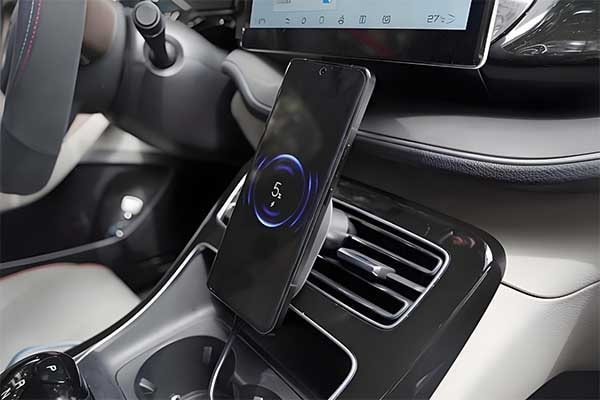
Many drivers struggle to keep their phones secure and accessible while driving, risking distraction and accidents.
These magnetic phone holders are generally safe for phones, as modern smartphones are designed to resist magnetic interference. A magnetic car phone holder uses magnets to hold your phone securely in place, offering a convenient and safe way to access your device while driving.
Keep reading to understand how magnetic phone mounts work and their safety for your phone.
Table of Contents
What is magnetic phone mount/holder?
It can be frustrating to fumble with your phone while driving, risking safety and distraction.
A magnetic phone mount is a device that uses magnets to hold a smartphone securely in place while driving. It typically consists of a magnetic base attached to the car and a metal plate on the phone or phone case. The magnet attracts the plate, keeping the phone stable and accessible.
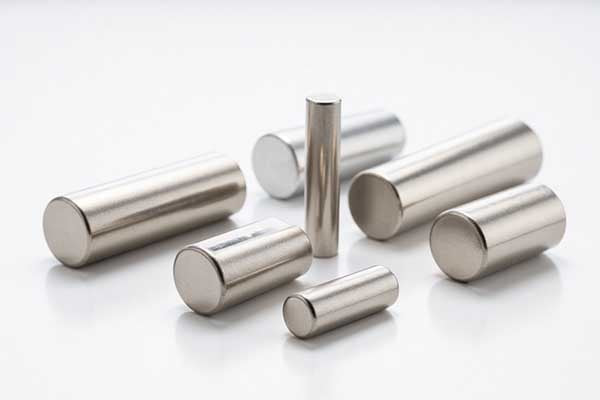
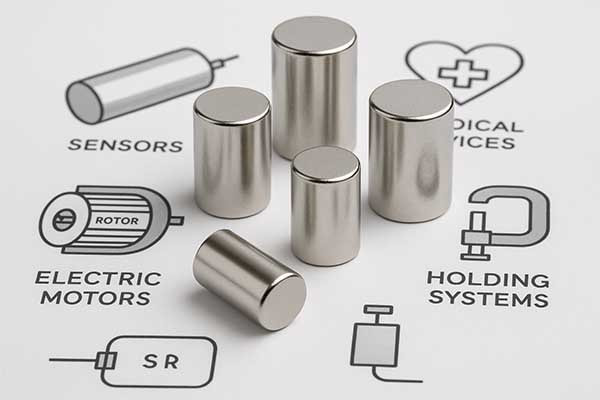
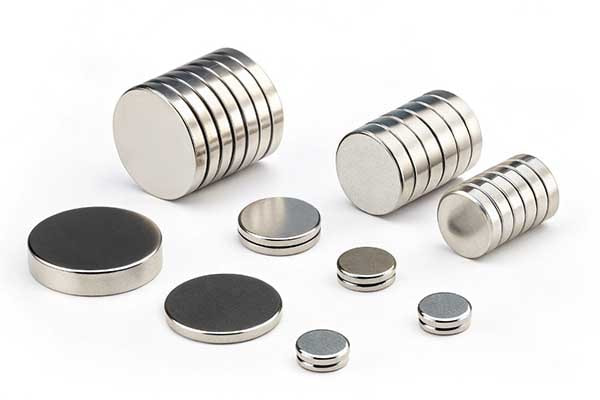
Magnetic phone mounts offer a simple solution to keep your phone within easy reach without clamps or brackets. The mount’s magnets, often made from strong rare earth materials like neodymium, create a magnetic field that pulls the metal plate attached to your phone.
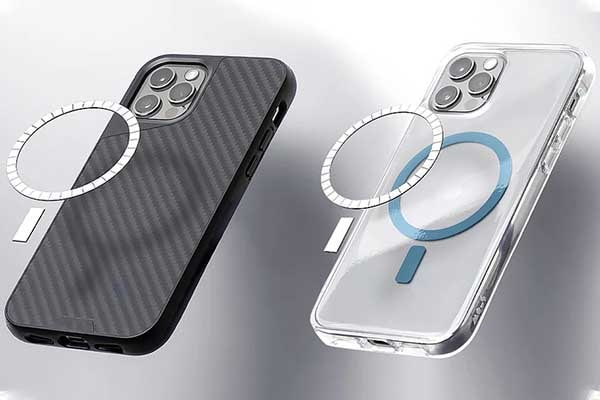
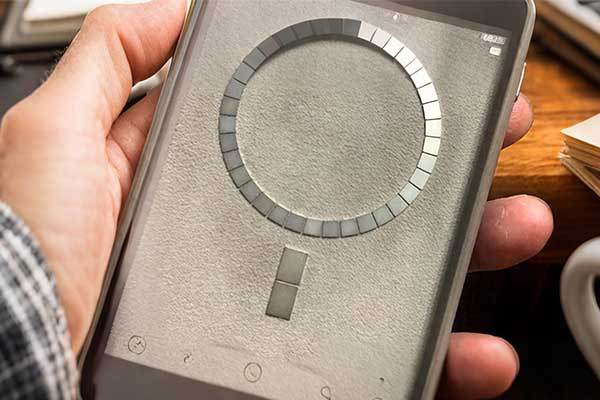
This connection holds the phone firmly, even on bumpy roads or sharp turns. The metal plate can be attached inside the phone case or directly on the phone’s back with adhesive. Some mounts, like those compatible with MagSafe, integrate magnets and metal plates seamlessly for better alignment and charging support.
Components of a Magnetic Phone Mount
| Component | Material | Function |
|---|---|---|
| Magnet in Mount | Rare earth magnet (neodymium) | Creates magnetic field to hold phone |
| Metal Plate on Phone | Thin steel or iron plate | Attracted by magnet, secures phone |
| Mount Base | Plastic or metal | Attaches to car dashboard, vent, or windshield |
From my experience at M-Magnet, the quality of magnets used in phone mounts is crucial. Strong neodymium magnets provide a secure hold without adding bulk. The ease of attaching and removing your phone reduces distractions and improves safety while driving.
Considerations for Magnetic Phone Mounts
Magnetic phone mounts are popular because they:
-
Allow quick, one-handed phone placement and removal
-
Provide 360-degree rotation for optimal viewing angles
-
Work with various phone sizes and cases
-
Take up less space than clamp-style holders
However, some users worry about possible interference with phone functions or damage to the device. Modern smartphones are generally shielded against magnetic interference, and most magnetic mounts are designed to avoid affecting wireless charging or sensors. Still, choosing a high-quality mount and properly placing the metal plate is important to avoid issues.
How do magnetic car phone holders work?
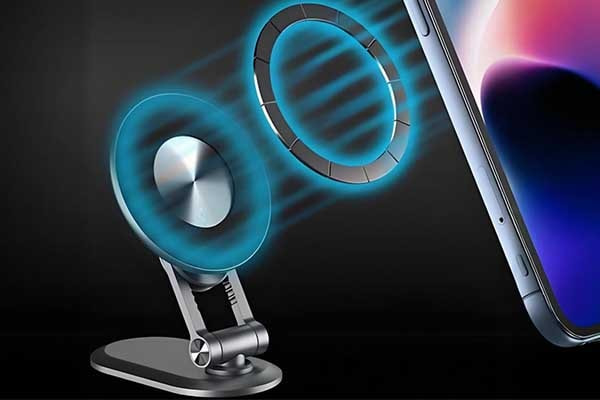
It can be frustrating to fumble with your phone while driving, risking safety and distraction.
Magnetic car phone holders work by using magnets to securely hold your phone in place, allowing easy attachment and removal without clamps or brackets. They use metal plates or magnets attached to the phone or case, which attract to the holder’s magnet, keeping your phone stable even on bumpy roads.
Magnetic phone holders have become popular because they offer a simple, hands-free way to keep phones accessible while driving. The holder contains strong magnets, often made from rare earth materials like neodymium, which create a powerful magnetic field.
A metal plate is usually attached to the back of the phone or placed inside the phone case. When the phone nears the holder, the magnet pulls the plate, holding the phone firmly. This system eliminates the need for clamps or cradles, making it quick to mount or remove the phone with one hand.
Magnetic Car Phone Holder Components
| Component | Material | Function |
|---|---|---|
| Magnet in Holder | Rare earth magnet (usually neodymium) | Creates strong magnetic field to hold phone |
| Metal Plate on Phone | Thin steel or iron plate | Attracted by magnet, secures phone to holder |
| Holder Base | Plastic or metal mount | Attaches to car dashboard, vent, or windshield |
Strong magnets ensure your phone stays secure even on rough roads. The simplicity and speed of magnetic phone holders make them a favorite for drivers who want quick access without distraction.
Why do people use magnetic phone cases?
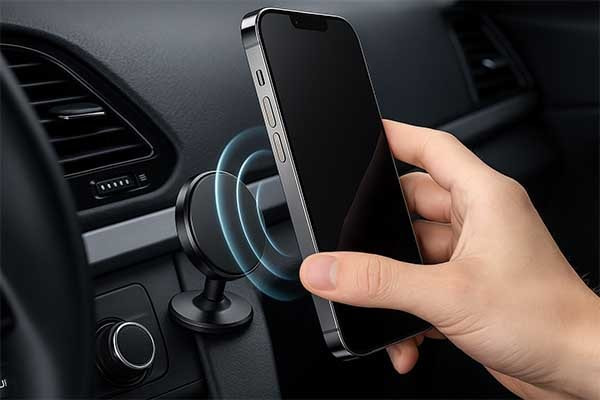
People want their phones safe, easy to use, and compatible with accessories.
Magnetic phone cases are popular because they add convenience, security, and versatility. They allow quick attachment to magnetic mounts, offer extra grip, and enable easy use of magnetic accessories like wallets or ring holders without bulky clamps.
Magnetic phone cases integrate small but powerful magnets inside the case. These magnets align perfectly with magnetic mounts or accessories, making it easy to snap the phone on and off holders. This hands-free convenience is especially useful in cars or at desks.
Additionally, magnetic cases improve handling by providing a stable grip and can hold accessories like cardholders securely. Many magnetic cases also maintain wireless charging compatibility, avoiding interference while enhancing phone protection.
Benefits of Magnetic Phone Cases
| Feature | Benefit |
|---|---|
| Quick Attachment | Easy one-handed mounting and removal |
| Accessory Compatibility | Supports wallets, ring holders, and mounts |
| Improved Grip | Reduces accidental drops |
| Wireless Charging | Many cases maintain charging efficiency |
| Slim Design | Does not add bulk to the phone |
At M-Magnet, we produce rare earth magnets that power many magnetic phone holders and cases. The right magnet strength and placement ensure secure attachment without damaging phone functions. Magnetic phone holders and cases have transformed how people use their phones daily, combining safety, convenience, and style.
Do you need a special case for a magnetic phone holder?
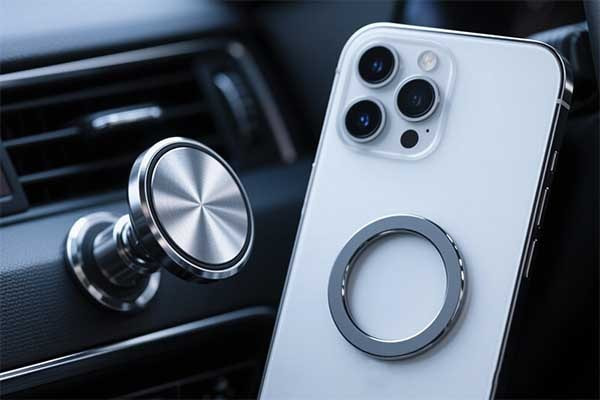
I often see people struggle with their phone cases when they try to use magnetic car phone holders. They worry about compatibility and phone protection. The truth is that most phones need some kind of adapter to work with magnetic holders.
You don't need a special case for a magnetic phone holder, but you do need a magnetic adapter. Most phones require either a metal plate attachment or a magnetic case to work with magnetic car mounts. The magnetic adapter creates the connection between your phone and the holder's magnetic field.
Understanding magnetic phone holders requires looking at how these devices actually work and what phones need to connect properly. There are countless customers who want to understand the best setup for their specific phone and case combination. The key lies in creating a proper magnetic connection without compromising phone functionality.
Most modern smartphones don't have built-in magnetic compatibility for car holders. iPhones starting with the iPhone 12 series include MagSafe technology, but even these phones benefit from additional magnetic strength for secure car mounting. Android phones typically have no magnetic features at all, making adapters essential for magnetic car phone holders.
The magnetic adapter options fall into several categories. Metal plates are the most common and affordable solution. These thin metal discs stick to your phone or case and provide the magnetic surface needed for mounting. The plates come in different sizes and shapes to fit various phone designs and mounting preferences.
Magnetic Adapter Options
| Adapter Type | Installation Method | Compatibility | Magnetic Strength |
|---|---|---|---|
| Metal Plate | Adhesive Backing | Universal | Medium |
| Magnetic Case | Replace Existing Case | Phone Specific | High |
| Ring Adapter | Adhesive with Ring | Universal | Medium |
| MagSafe Compatible | Magnetic Attachment | iPhone 12+ | Very High |
Magnetic cases offer a more integrated solution but require replacing your current phone case. These cases have magnets built into the back panel, providing stronger magnetic connections than adhesive plates. The downside is that you need to find a case that fits your specific phone model and meets your protection needs.
Case thickness plays a crucial role in magnetic holder performance. Thick cases can reduce magnetic strength and make mounting less secure. I recommend keeping total thickness under 5mm for optimal magnetic performance. This includes your phone, case, and any magnetic adapter you add.
The placement of magnetic adapters affects both functionality and phone features. Placing metal plates over wireless charging coils blocks charging capability. Most phones have charging coils in the center-bottom area, so I suggest placing magnetic plates in the upper portion of the phone back. This maintains wireless charging while providing good magnetic connection.
Some people worry about magnetic adapters affecting their phone's internal components. Modern smartphones use solid-state storage and components that aren't affected by the weak magnetic fields from car phone holders. The magnetic strength needed for mounting is much weaker than what would cause electronic interference.
Adhesive quality matters for long-term use. Cheap magnetic plates often use weak adhesives that fail in hot car environments. I recommend using adapters with automotive-grade adhesives designed to handle temperature extremes. The adhesive should maintain bond strength from -20°F to 180°F for reliable performance.
Removal and replacement of magnetic adapters should be considered before installation. Most adhesive plates can be removed but may leave residue or damage phone cases. Heat from a hair dryer can soften adhesives for easier removal. Some manufacturers include removal tools or replacement adhesives for changing adapters.
The position of your magnetic car phone holder also affects what type of adapter works best. Dashboard mounts need stronger magnetic connections than vent mounts because they experience more vibration. CD slot mounts provide the most stable platform and can work with weaker magnetic adapters.
Do magnetic phone holders affect signal?
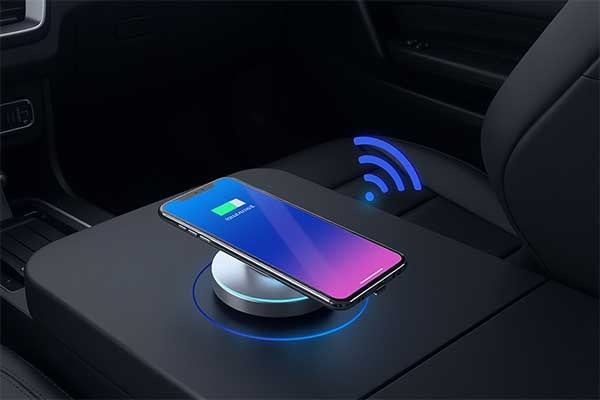
People worry about dropped calls, lose GPS accuracy, or struggle with weak data connections by using magnetic phone holder — especially during driving. The reality is that magnetic phone holders can affect signal strength, but the impact varies greatly.
Magnetic phone holders can affect phone signal strength, but the impact is usually minimal with quality products. The magnetic field itself doesn't block radio signals, but metal components in the holder or adapter can interfere with antenna reception. Proper placement and high-quality materials minimize signal interference.
Signal interference from magnetic car phone holders comes from several sources, and understanding these helps you choose the right setup for your needs. At M-Magnet, I've tested various magnetic configurations to understand how they interact with phone antennas and signal transmission. The key is recognizing which factors cause interference and which don't.
The magnetic field itself doesn't directly block radio signals. Radio waves pass through magnetic fields without significant interference. However, the metal components used in magnetic phone holders can act as signal barriers or reflectors. This is why holder design and material selection matter more than magnetic strength for signal performance.
Phone antennas are located in different areas depending on the phone model. Most modern smartphones have multiple antennas for cellular, WiFi, Bluetooth, and GPS signals. These antennas are typically located around the phone's edges and sometimes in the back panel. Magnetic adapters placed directly over antenna locations can reduce signal strength.
Signal Interference Factors
| Interference Source | Signal Type Affected | Severity Level | Prevention Method |
|---|---|---|---|
| Metal Plates | All Radio Signals | Low to Medium | Avoid Antenna Areas |
| Holder Base | Rear-facing Antennas | Low | Quality Materials |
| Car Dashboard | GPS and Cellular | Medium | Proper Positioning |
| Case Materials | WiFi and Bluetooth | Variable | Non-metal Cases |
Different signal types experience varying levels of interference. Cellular signals are usually the most robust and least affected by magnetic phone holders. WiFi and Bluetooth signals can be more sensitive to metal interference because they operate at higher frequencies. GPS signals are often the most affected because they're already weak when they reach your phone.
The size and thickness of metal adapters influence signal interference. Larger metal plates cover more antenna area and cause more interference. Thicker plates can block more signal transmission. I recommend using the smallest metal plate that provides adequate magnetic connection for your specific car phone holder setup.
Quality magnetic phone holders use materials designed to minimize signal interference. Premium holders often include signal-transparent materials or strategic cutouts that allow radio waves to pass through. Cheap holders may use solid metal construction that blocks signals more effectively than necessary for magnetic function.
Car environment factors also affect signal performance with magnetic phone holders. Metal dashboards and window tinting can reduce signal strength before considering the holder's impact. Some cars have built-in signal amplifiers or external antennas that help maintain good reception even with magnetic phone holders installed.
Testing signal performance with your specific setup helps determine if interference is a practical problem. You can check signal strength in your phone's settings before and after installing a magnetic holder. Many phones display signal strength in decibels, with higher numbers indicating stronger signals. A drop of 10-15 dB is usually noticeable in real-world use.
Positioning strategies can reduce signal interference while maintaining magnetic mounting security. Placing magnetic adapters away from phone edges where antennas are located helps preserve signal strength. Some users find that rotating their phone 90 degrees in the holder improves reception by moving antennas away from interference sources.
Alternative magnetic mounting solutions can provide better signal performance for users experiencing interference issues. Magnetic mounts that attach to air vents often cause less interference than dashboard mounts because they position the phone away from metal dashboard components. CD slot mounts can provide good signal performance while maintaining strong magnetic connections.
The safety aspect of using magnetic car phone holders relates directly to signal performance. Poor signal strength can affect emergency calling capability and navigation accuracy. If you notice significant signal degradation with a magnetic holder, consider switching to a different mounting solution or adjusting your current setup for better performance.
Professional installation or consultation might be worthwhile for users who need optimal signal performance. Some automotive electronics specialists can recommend specific magnetic phone holder configurations that work well with your car and phone combination. They can also test signal strength and suggest improvements for better performance.
Do magnetic phone holders damage wireless charging?
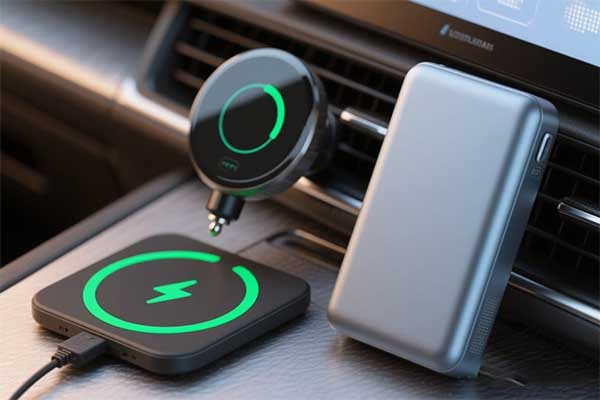
The concern of magnetic phone holders on wireless charging can cause hesitation when choosing a mount, especially for phones that rely on MagSafe or Qi charging for daily use. What's the true right here?
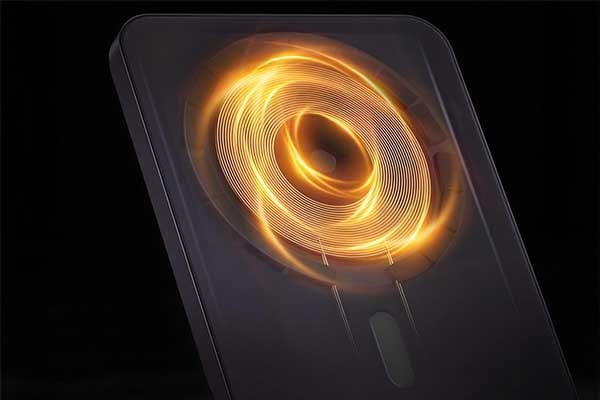
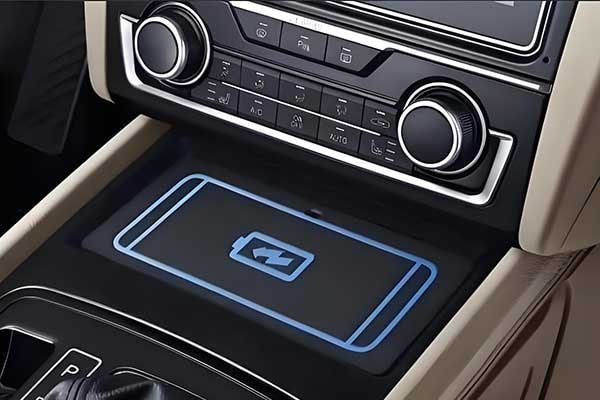
Magnetic phone holders can interfere with wireless charging because both rely on magnetic fields. Strong magnets or metal plates in holders may block or disrupt the wireless charging coils, reducing charging speed or stopping it altogether. However, some holders are designed to avoid this interference.
Wireless charging works by magnetic induction between a charging pad and the phone’s receiver coil. Magnetic phone holders use magnets to hold the phone in place, but these magnets or attached metal plates can create competing magnetic fields.
This interference can prevent the phone from charging wirelessly or cause it to charge slower.
Some manufacturers design magnetic holders and phone cases to align magnets carefully, minimizing interference. For example, Apple’s MagSafe system integrates magnets and wireless charging coils to work together seamlessly. Using non-compatible magnetic holders or placing metal objects between the phone and charger often causes charging problems.
Impact of Magnetic Phone Holders on Wireless Charging
| Factor | Effect on Charging | Notes |
|---|---|---|
| Magnet Strength | Strong magnets can block or distort magnetic fields needed for charging | Higher risk with non-MagSafe holders |
| Metal Plates | Metal between phone and charger reduces charging efficiency or stops charging | Thin plates designed for MagSafe reduce impact |
| Alignment | Misalignment caused by holders can cause charging to fail | Proper design improves alignment |
| Charging Coil Location | Phones with centrally located coils charge better with magnetic holders | Varies by phone model |
Using holders designed for your phone’s wireless charging system, like MagSafe-compatible mounts, reduces the risk of interference. Avoid placing thick metal plates or strong magnets between the phone and charger. When magnetic phone mount bad for phone concerns arise, it usually relates to interference with wireless charging rather than physical damage. Proper magnet design and placement help keep charging efficient and safe.
Magnetic phone mount bad for phone worries often come from users experiencing slow or failed wireless charging. This is usually because the magnetic field from the holder disrupts the wireless charging coil’s field. However, this problem is avoidable with the right accessories and awareness of how magnets and wireless charging interact.
Conclusion
Magnetic car phone holders offer a convenient and safe way to keep your phone accessible while driving. They use strong rare earth magnets to hold the phone securely with a metal plate. Modern phones are designed to resist magnetic interference, making these mounts safe for everyday use. Choosing quality magnetic phone mounts from trusted manufacturers like M-Magnet ensures reliable performance and peace of mind on the road.