Do magnets work in the cold?

People often wonder if cold impacts magnets. Problems arise when unsure. Let’s find out.
Yes, magnets absolutely work in the cold! In fact, for some types of magnets, their magnetic strength can even increase slightly at lower temperatures[1]. Cold temperatures generally don't disrupt the alignment of magnets electrons[2], unless you're dealing with extremely low temperatures approaching absolute zero.
To understand better, let’s explore more about how temperature affects magnets and what it means for different uses.
Table of Contents
How does temperature affect magnets?
Many people wonder if magnets still work when they get cold. They might worry that the cold weather could make their magnets stop working.
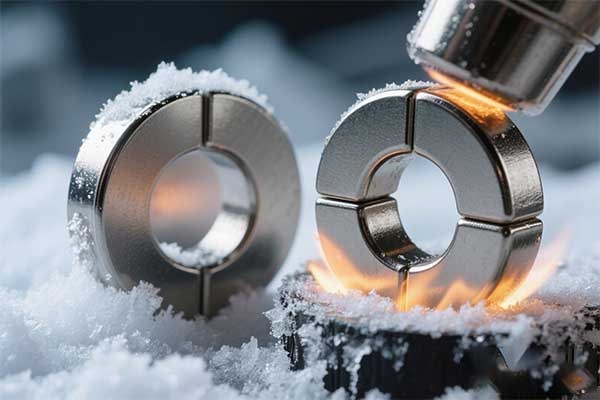
Yes, magnets do work in the cold. In fact, for some magnets, their magnetic force can even get a little stronger when they are cold. However, very high temperatures can make magnets weaker or even stop working permanently.
The way temperature affects a magnet[3] depends on the type of magnetic material it is made from. For example, neodymium magnets can lose some of their magnetic strength as the temperature goes up[4]. For every degree Celsius increase, there is a small decrease in their magnetic force. This is something our customers in America and Europe need to be aware of, especially if they are using our magnets in environments with fluctuating temperatures. However, these magnets are also quite resistant to losing their magnetism at normal room temperatures.
On the other hand, Alnico magnets[5], another type of magnet, are known for their stability across different temperatures. Their magnetic strength doesn't change as much as neodymium magnets when the temperature changes. This makes them a good choice for applications where the temperature might vary a lot. Ceramic, or ferrite, magnets have an interesting property: their resistance to losing magnetism actually gets better at higher temperatures, even though their overall magnetic strength might decrease a bit. This is why they are sometimes used in high-temperature applications.
The key thing to understand is that the tiny magnetic regions inside a magnet, called magnetic domains, are affected by temperature. When a magnet gets hot, the atoms inside it move more. This increased movement can make these magnetic domains become less aligned, which weakens the overall magnetic force of the magnet. If a magnet is heated too much, above a certain point called the Curie temperature[6], it can lose its magnetism completely and permanently. The Curie temperature is different for each type of magnetic material. For iron, it's very high, around 770 degrees Celsius. For neodymium magnets, it's lower, typically between 310 and 400 degrees Celsius.
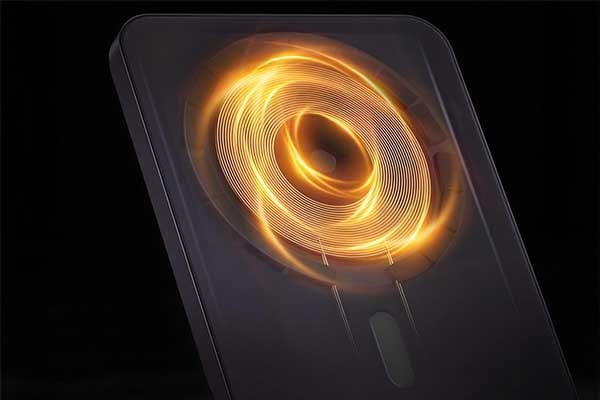
Conversely, when a magnet gets cold, the atoms inside it move less. This can allow the magnetic domains to become more aligned[7], which can actually make the magnet a little stronger. This is why you might notice that some of our MagSafe magnets seem to hold even better in cold weather. However, it's important to note that extremely low temperatures, close to absolute zero, might have other complex effects on magnetic materials.
General Temperature Effects on Magnets[8]
| Magnet Type | Effect of Heating | Effect of Cooling | Resistance to Demagnetization at Higher Temperatures |
|---|---|---|---|
| Neodymium (NdFeB) | Magnetic strength decreases | Magnetic strength may increase slightly | Decreases |
| Alnico | Magnetic strength changes minimally[9] | Magnetic strength changes minimally | Decreases |
| Ceramic (Ferrite) | Magnetic strength decreases | Magnetic strength may increase slightly | Increases |
Does freezing magnets make them stronger?
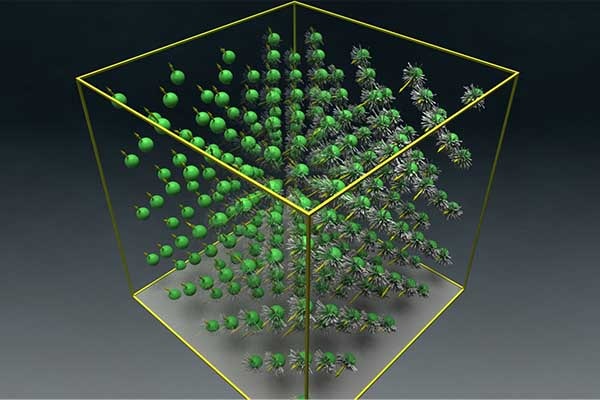
People often wonder if putting magnets in the freezer will make them more powerful. It's a common idea that cold temperatures might enhance magnetic strength.
Generally, yes, freezing most magnets can make them slightly stronger. When magnets get cold, the atoms inside them move less, allowing the tiny magnetic regions to align better, which increases the overall magnetic force. However, this effect varies depending on the type of magnet and extreme cold(-185°C or -301°F[10]) can have different results.
When we freeze magnets, there is a slight increase in their strength. This happens because at lower temperatures, atoms vibrate less[11]. That makes it easier for the magnetic domains to stay aligned. But the change isn’t permanent. As soon as the magnet warms up again, it returns to its usual strength.
I use neodymium magnets in most of my products at M-Magnet. These magnets, especially when we handle frozen magnets, do show better performance in colder environments. But we should not confuse this effect with actual material improvement. Cooling a magnet doesn't add any new energy or real magnetic power. It just helps the existing magnetic structure behave more efficiently.
We should also look at the material type. Some magnets perform better in the cold than others.
Magnet Types and Performance in Cold
| Magnet Type | Effect of Cold | Recommended Use |
|---|---|---|
| Neodymium (NdFeB) | Slight strength increase | Ideal for cold storage systems |
| Ceramic | Moderate strength gain | Good for outdoor tools |
| Alnico | Minimal change | Used in temperature-stable designs |
Frozen magnets are useful in many industrial applications. But they are not stronger in terms of their internal energy. They just lose less energy to heat-related disorder. At M-Magnet, we test magnets for environments like freezers, warehouses, and cryogenic labs. Freezing works well when the system is stable. If the temperature changes fast, magnets may become brittle or lose coating. So I always warn our partners to balance strength gain with physical durability.
At what temperature do magnets stop working?

People are curious about the temperature limits of magnets. They want to know at what point a magnet will lose its ability to attract or repel other magnetic materials.
Magnets stop working permanently when they are heated above a specific temperature called the Curie temperature - ranging from around 310-400 °C for neodymium magnets to as high as 700-860 °C for Alnico magnets. At this point, the material loses its permanent magnetic properties and becomes paramagnetic.
Cold does not stop magnets. In fact, it usually improves them. Heat is the real threat. When we talk about magnets not working, we usually refer to their Curie temperature. That is the point where the magnet loses its magnetic field because thermal energy overcomes atomic alignment.
There are two important temperature thresholds to consider: the maximum operating temperature[12] and the Curie temperature. The maximum operating temperature is the highest temperature at which a magnet can function without experiencing significant and permanent loss of its magnetic strength. Exceeding this temperature can cause irreversible damage[13] to the magnet's performance, even if it cools back down. This temperature is usually lower than the Curie temperature. For example, standard neodymium magnets might have a maximum operating temperature around 80-150 °C, depending on the grade. This means that if these magnets are consistently used above this range, they will gradually weaken over time.
The Curie temperature, on the other hand, is the critical point at which a ferromagnetic material completely loses its permanent magnetic properties and becomes paramagnetic. Above this temperature, the thermal energy becomes so high that it overcomes the forces trying to keep the magnetic domains aligned within the material. Once a magnet is heated above its Curie temperature, it will not regain its permanent magnetism simply by cooling down; the magnetic order has been destroyed.
Different types of magnets have vastly different Curie temperatures. Neodymium magnets, known for their high strength, have relatively lower Curie temperatures, typically between 310 and 400 °C. This is an important factor for our customers to consider in high-temperature applications. Samarium Cobalt magnets[14] fare better, with Curie temperatures ranging from 700 to 800 °C, making them suitable for higher temperature environments. Alnico magnets boast some of the highest Curie temperatures, often between 700 and 860 °C, and can even retain some useful magnetism when heated red-hot. Ferrite (ceramic) magnets have a Curie temperature around 450 °C, which is higher than neodymium but lower than Alnico.
Let’s break down the numbers more clearly:
Curie Temperatures of Different Magnet Types[15]
| Magnet Type | Typical Curie Temperature (°C) | Typical Curie Temperature (°F) |
|---|---|---|
| Neodymium (NdFeB) | 310 - 400 | 590 - 752 |
| Samarium Cobalt (SmCo) | 700 - 800 | 1292 - 1472 |
| Alnico | 700 - 860 | 1292 - 1580 |
| Ferrite (Ceramic) | Around 450 | Around 842 |
From this table, it's clear that frozen magnets will not fail due to cold. Instead, they might become more efficient. But if the coating or adhesive used in assembly can't handle the cold, it could cause performance issues.
This usually happens when clients move products from warm assembly rooms into freezers too fast. For reliable use in freezing environments, I always suggest slow adaptation and proper coating. At M-Magnet, we build cold-ready magnets by selecting high-resistance plating and matching adhesives. That way, our clients can use frozen magnets without failures in the field.
How to remagnetize a magnet at home?
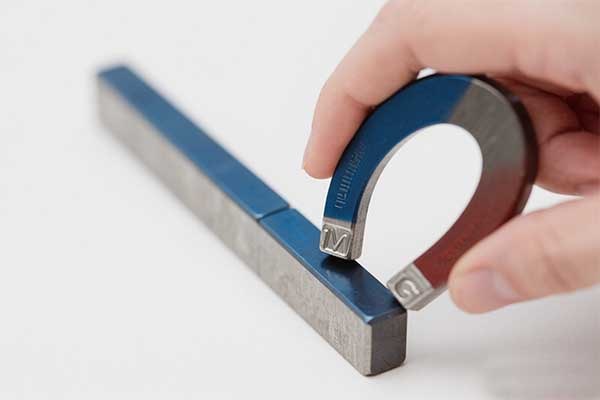
Over time or due to improper handling, magnets can lose some of their magnetic strength. People want to know if there are simple ways to restore a magnet's power at home without specialized equipment.
Yes, you can often remagnetize a weakened magnet at home using a stronger permanent magnet or by creating a temporary electromagnet. For the permanent magnet method, repeatedly rub the stronger magnet in one direction along the length of the weaker magnet. For the electromagnet method, wrap insulated wire around the weaker magnet and connect the wire's ends to a battery for a short period.
If you have a magnet that has lost its strength, remagnetizing it can be a cost-effective solution. Let's dive deeper into the methods and considerations for remagnetizing a magnet at home[16].
Methods for Remagnetizing Magnets
| Method | Description | Effectiveness |
|---|---|---|
|
Strong Magnet |
Use a stronger magnet to realign the magnetic domains | Highly effective for small magnets |
|
Electric Current |
Apply a strong electric current to the magnet | Effective for larger magnets, requires caution |
|
Heating and Cooling |
Heat the magnet and then cool it in a magnetic field | Can restore some of the magnet's strength |
Using a Strong Magnet
One of the simplest methods for remagnetizing a magnet at home is to use a stronger magnet[17]. This method works by realigning the magnetic domains within the weaker magnet. By placing the weaker magnet next to a stronger one, the magnetic field of the stronger magnet can realign the domains in the weaker magnet, restoring its strength.
This method is highly effective for small magnets and can be done with minimal equipment. However, it is important to ensure that the stronger magnet is powerful enough to realign the domains in the weaker magnet. Neodymium magnets, such as those produced by M-Magnet Company, are ideal for this purpose due to their high strength.
Using an Electric Current
Another method for remagnetizing a magnet is to apply a strong electric current[18]. This method involves creating a magnetic field using an electric current and placing the magnet within this field. The magnetic field generated by the electric current can realign the magnetic domains in the magnet, restoring its strength.
This method is effective for larger magnets but requires caution. Applying too much current can damage the magnet or create a dangerous situation. It is important to follow proper safety protocols and use the correct equipment when using this method.
Heating and Cooling
Heating and cooling a magnet[19] can also help to restore its strength. This method involves heating the magnet to a specific temperature and then cooling it in a magnetic field. The heat allows the magnetic domains to move more freely, and the magnetic field helps to realign them as the magnet cools.
This method can restore some of the magnet's strength but is less effective than using a strong magnet or an electric current. It is important to control the temperature carefully to avoid damaging the magnet.
Considerations and Precautions
While remagnetizing a magnet at home is possible, there are some considerations and precautions to keep in mind. One important factor is the type of magnet you are working with. Neodymium magnets, for example, are more difficult to remagnetize than other types of magnets due to their high coercivity.
Another consideration is safety. When using an electric current to remagnetize a magnet, it is important to follow proper safety protocols to avoid electrical hazards. Additionally, heating a magnet can create a fire risk if not done properly.
How long does it take for magnets to degrade?
People want to know how long their magnets will last and if they will eventually lose their magnetic strength over time with normal use.
High-quality permanent magnets can last for many years, potentially losing only a tiny fraction of their magnetic strength per century under ideal conditions. Neodymium magnets are estimated to lose about 5% of their magnetism every 100 years if properly cared for. However, factors like high temperatures, corrosion, and exposure[20] to strong demagnetizing fields can significantly speed up degradation.
Understanding the factors that affect magnet degradation is important for choosing the right magnet for your needs. Let's dive deeper into the factors that influence magnet degradation and explore ways to extend their lifespan.
Factors Affecting Magnet Degradation
| Factor | Description | Impact |
|---|---|---|
|
Material |
Different materials degrade at different rates | Neodymium magnets are more durable than other types |
|
Temperature |
High temperatures can accelerate degradation | Neodymium magnets can lose strength at high temperatures |
|
Humidity |
High humidity can cause corrosion | Proper storage can prevent degradation |
Material and Magnet Degradation
The material of a magnet plays a significant role in its lifespan. Neodymium magnets, for example, are known for their high strength and durability. Under normal conditions, neodymium magnets can last for decades without significant degradation. However, other types of magnets, such as ferrite magnets, may degrade more quickly.
Neodymium magnets are more resistant to demagnetization[21] than other types of magnets. This makes them ideal for applications where a strong and long-lasting magnet is needed. However, it is important to note that even neodymium magnets can degrade over time if exposed to harsh conditions.
Temperature and Magnet Degradation
Temperature is another important factor that affects magnet degradation. High temperatures can accelerate the degradation of magnets, causing them to lose their strength more quickly. Neodymium magnets, in particular, can lose their magnetic properties at high temperatures.
It is important to store and use magnets within their recommended temperature range to prevent degradation. For example, neodymium magnets should be kept below their maximum operating temperature to maintain their strength and durability.
Humidity and Magnet Degradation
Humidity can also affect the lifespan of magnets. High humidity can cause corrosion, which can lead to degradation. This is especially true for magnets made from materials that are susceptible to rust.
Proper storage is essential for extending the lifespan of magnets. Keeping magnets in a dry and cool environment can help to prevent corrosion and degradation. It is also important to avoid exposing magnets to moisture or other corrosive substances.
Extending Magnet Lifespan
To extend the lifespan of magnets, it is important to follow proper storage and handling guidelines. This includes keeping magnets in a cool, dry environment and avoiding exposure to high temperatures and humidity. Additionally, using protective coatings or sealants can help to prevent corrosion and degradation.
Another way to extend the lifespan of magnets is to choose high-quality materials. Neodymium magnets, for example, are more durable and resistant to degradation than other types of magnets. By choosing a reliable brand, such as M-Magnet Company, you can ensure that your magnets will last for many years.
Do magnets eventually stop working?
People wonder if permanent magnets truly are permanent or if they will eventually lose all their magnetic strength over an infinite amount of time.
In theory, yes, permanent magnets will eventually lose all their magnetism due to natural degradation processes, but this would take an incredibly long time, far exceeding the current age of the universe under ideal conditions. However, in practical terms, magnets can become unusable much sooner due to factors like heat, corrosion, and strong opposing magnetic fields, which accelerate demagnetization.
Whether magnets eventually stop working is a complex one that delves into the fundamental physics of magnetism. In an ideal scenario, where a high-quality permanent magnet is kept at a stable, moderate temperature, away from corrosive environments and strong opposing magnetic fields, the rate of natural degradation is extremely slow. As mentioned before, materials like neodymium are estimated to lose a very small percentage of their magnetic strength per century due to a phenomenon known as magnetic viscosity[22] or magnetic creep, which is the gradual reorientation of magnetic domains over vast timescales.
However, the "eventually" implies an almost infinite timeframe under perfect conditions. Over such an immense period, quantum tunneling effects might theoretically allow the magnetic domains to randomly flip, leading to a complete loss of magnetization. But these timescales are so astronomically long that they are not relevant to any practical application or even the expected lifespan of the universe as we know it.
In the real world, the factors we discussed previously play a much more significant role in determining how long a magnet remains useful. Heat is a major culprit. If a magnet is repeatedly exposed to temperatures near or above its maximum operating temperature, or if it exceeds its Curie temperature even once, it will experience a substantial and often permanent loss of magnetic strength, rendering it ineffective long before natural degradation takes its toll. For instance, a neodymium magnet used in a poorly ventilated motor might degrade much faster than one sitting on a desk at room temperature.
Corrosion is another significant factor, especially for neodymium magnets which contain iron and are prone to rusting if their protective coating fails. The oxidation process disrupts the magnetic structure of the material, leading to a weakening of the magnetic field. Our quality control processes at M-Magnet Company are rigorous to minimize the risk of corrosion in our products destined for America and Europe.
Exposure to strong demagnetizing fields, whether from other powerful magnets or electromagnetic devices, can also accelerate the weakening of a magnet over time. While our modern permanent magnets have high coercivity[23], repeated exposure to strong opposing fields can gradually erode their magnetic strength.
Physical damage, while not directly affecting the magnetic properties of the intact material, reduces the overall magnetic force by reducing the volume of the magnet. A chipped or cracked magnet will be weaker simply because there is less magnetic material present.
Here's a table summarizing the practical versus theoretical lifespans of magnets:
Practical vs. Theoretical Magnet Lifespan
| Scenario | Lifespan Expectancy | Primary Degradation Factors |
|---|---|---|
| Ideal Conditions (Stable temp, no corrosion/fields) | Extremely long (potentially trillions of years) | Natural magnetic creep, theoretical quantum effects |
| Normal Use (Room temp, protected from moisture/strong fields) | Very long (decades to centuries with minimal loss) | Minimal natural degradation |
| Harsh Conditions (High temps, humidity, strong fields) | Significantly shorter (months to years) | Heat, corrosion, demagnetizing fields |
Conclusion
In short, magnets can work in the cold, but their performance varies. Temperature affects magnets differently based on their type. At M-Magnet Company, we offer custom magnet solutions. We help you pick the right magnet for cold conditions to ensure it works well.
Note:
[18]Provides a step-by-step guide on using electric current to remagnetize neodymium magnets.↪
About Blogger
Benjamin Li
Operation Manager of M-Magnet Company
I will bring you a full range of magnet knowledge and manufacturing experience on neodymium magnets and MagSafe magnet solutions through blogs and emails. I'm not an expert yet in magnets, but we have a whole team to help you solve technical issues, design drawing details, compatibility suggestions from magnetic assemblies, magnet purchasing and many other customized magnet solutions from China. You can follow my blogs on knowledge sharing or contact me for your own magnet solutions. We will always do the best.