How does adding stronger magnets affect a DC motor?
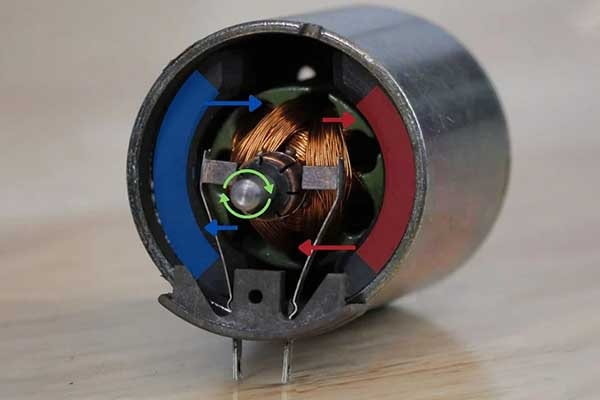
Are you curious about how upgrading the magnets in a DC motor can change its performance? Stronger magnets can lead to significant improvements in power and efficiency. Let's explore the exciting impact of magnet strength on DC motors.
Adding stronger magnets to a DC motor generally results in increased torque[1], higher efficiency, and potentially a faster speed. This is because the magnetic field strength directly influences the force exerted on the motor's armature.
Want to know more about the fascinating relationship between magnets and motor performance? Keep reading to discover the details.
Table of Contents
How does a permanent magnet DC motor work?
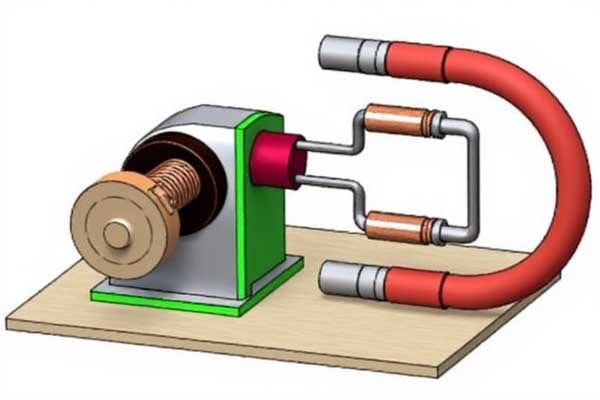
Have you ever wondered about the inner workings of a permanent magnet DC motor? It's a clever design that uses the interaction of magnetic fields to create motion. Understanding this basic principle is key to seeing how stronger magnets make a difference.
A permanent magnet DC motor(PMDC motor[2]) operates based on the principle of electromagnetism. When an electric current flows through a coil of wire (armature) placed within the magnetic field created by permanent magnets, a force is generated. This force causes the armature to rotate.
To really grasp the impact of stronger magnets, we need to dive deeper into the core principles of how these motors function. Let's take a closer look at the science behind the rotation.
The Fundamental Principles of DC Motor Operation[3]
At its heart, a permanent magnet DC motor relies on the interplay between magnetic fields and electric currents. As a manufacturer of permanent magnets, including neodymium magnets and MagSafe magnets, we understand the crucial role these components play. The motor consists of two main parts: the stator and the rotor. The stator houses the permanent magnets, which create a stationary magnetic field. The rotor, or armature, contains coils of wire that carry the electric current.
When a voltage is applied to the motor, current flows through the armature windings. According to the principles of electromagnetism, a current-carrying conductor in a magnetic field experiences a force. The direction of this force is determined by the direction of the current and the magnetic field, as described by the Lorentz force law[4]:
F =q (E + v × B)
Where:
F is the electromagnetic force vector, measured in newtons (N).
q is the electric charge of the particle, measured in coulombs (C).
E is the electric field vector, measured in volts per meter (V/m).
v is the velocity vector, measured in meters per second (m/s).
B is the magnetic field vector, measured in teslas (T).
v × B is the magnetic force component.
In the context of a DC motor, this simplifies to the force on a current-carrying wire:
Where:
F is the force vector
I is the current
L is the length vector of the wire in the direction of the current
B is the magnetic field vector
This force creates a torque[6] around the rotor's axis, causing it to rotate. The commutator and brushes in a brushed DC motor work together to ensure that the current in the armature windings reverses direction at the right time, maintaining continuous rotation.
The Role of the Magnetic Field Strength
The strength of the magnetic field produced by the permanent magnets is a critical factor in determining the motor's performance. A stronger magnetic field exerts a greater force on the current-carrying armature windings. This directly translates to a higher torque, which is the rotational force that the motor can produce.
Consider the following table illustrating the relationship between magnetic field strength[7] and motor performance:
Relationship Between Magnetic Field Strength and Motor Performance
| Magnetic Field Strength | Torque | Efficiency | Speed (Potential) |
|---|---|---|---|
| Weaker | Lower | Lower | Lower |
| Stronger | Higher | Higher | Higher |
As a magnet customized solutions provider, we understands how tailoring the strength of permanent magnets can optimize DC motor performance for specific applications. By using stronger permanent magnets, such as those made from neodymium, we can significantly enhance the power output and efficiency of DC motors. This is a key consideration for industries where performance and energy efficiency are paramount.
What is the magnet in a DC motor?
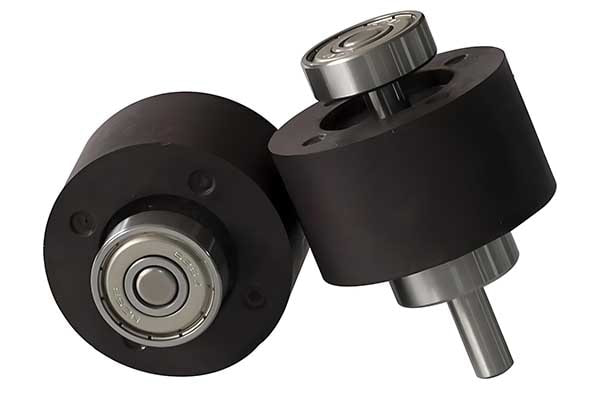
DC motors rely on magnets to create motion. The magnets work with electric currents to produce rotational force. We supply high-performance magnets for various DC motor applications.
DC motor magnets are usually permanent magnets made of materials like neodymium or ferrite. They create a stable magnetic field that interacts with the motor's coils to generate motion efficiently.
Types of Magnets Used in DC Motors[8]
Different DC motors use different types of magnets. The choice depends on power needs, cost, and operating conditions. Here’s a comparison of common DC motor magnets:
| Magnet Type | Strength | Cost | Temperature Resistance |
|---|---|---|---|
| Neodymium | Very High | High | Up to 150°C |
| Ferrite | Medium | Low | Up to 250°C |
| Samarium Cobalt[9] | High | Very High | Up to 300°C |
How DC Motor Magnets Affect Performance
The strength and quality of DC motor magnets directly impact efficiency. Stronger magnets create a more powerful magnetic field. This can lead to higher torque and better energy conversion.
We specialize in neodymium magnets for high-performance DC motors. Our magnets help motors run smoother and last longer. We also consider factors like heat resistance and corrosion protection.
DC motor magnets must withstand constant electromagnetic forces. Weak magnets can demagnetize over time. This is why many premium motors use rare-earth magnets like neodymium.
Custom Magnet Solutions for DC Motors
Not all DC motors need the same magnets. Some applications require special shapes or coatings. At M-Magnet we provide custom solutions for unique motor designs.
We work with clients to select the right magnet grade and size. Our goal is to optimize motor performance while controlling costs. This approach helps manufacturers build better DC motors.
What motors do not use magnets?
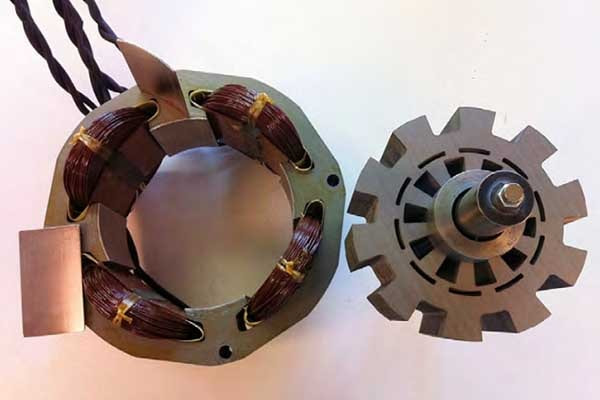
Some motors operate without permanent magnets. These designs use different methods to create magnetic fields. We understand both magnet and non-magnet motor technologies.
Induction motors and switched reluctance motors don't need permanent magnets. They create magnetic fields through electric currents in their windings instead.
Common Types of Non-Magnet Motors
Several important motor types work without permanent magnets. These are popular in industries where cost or reliability matters most. Here's a comparison:
| Motor Type | How It Works | Advantages | Disadvantages |
|---|---|---|---|
| Induction Motor[10] | Uses electromagnetic induction | Low cost, reliable | Less efficient |
| Switched Reluctance[11] | Uses magnetic reluctance | Durable, simple | Noisy operation |
| Universal Motor[12] | Uses wound fields | Works on AC/DC | Short lifespan |
Why Some Motors Don't Need Magnets
Non-magnet motors have advantages in certain situations. They often cost less to make. They can also handle higher temperatures better than magnet motors.
At M-Magnet we recognize that not every application needs DC motor magnets. However, magnet motors usually offer better efficiency and control. The choice depends on the specific needs of each application.
The Future of Motor Technology
Motor technology continues to evolve. Some new designs combine features from both magnet and non-magnet motors[13]. These hybrids aim to get the best of both worlds.
We stay updated on all motor technologies. This helps us advise clients on the best solutions. Whether they need DC motor magnets or alternative designs, we provide expert guidance.
The industry is also developing new magnet materials. These could make DC motor magnets even more efficient in the future. We track these developments to offer the latest solutions to our customers.
What does a magnet do in a DC motor?
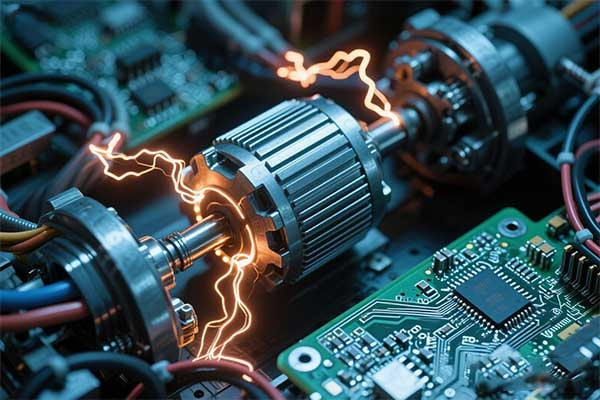
Many wonder about magnets’ role in DC motors. It’s key for motor function. Let’s learn more.
In a DC motor[14], magnets create a magnetic field. This field interacts with the current-carrying coil, making the motor rotate. Without magnets, the motor can’t work.
The Function and Importance of Magnets in DC Motors
Magnets in DC motors are like the heart of the system. They work based on the principle of electromagnetic interaction[15]. When an electric current passes through the coil inside the motor, it generates its own magnetic field. This field then interacts with the magnetic field from the permanent magnets in the motor.
The strength of the magnetic field created by the magnets directly affects the torque and speed of the DC motor. Stronger magnets can generally produce more torque, which is the rotational force that makes the motor spin. This is why choosing the right magnets is crucial for different applications.
To better understand how magnets contribute to a DC motor, let’s look at a simple comparison table:
| Component in DC Motor[16] | Role | Impact of Magnets |
|---|---|---|
| Permanent Magnets | Create a magnetic field | Determine torque and speed of the motor |
| Coil | Carry electric current and generate a magnetic field | Interacts with the magnetic field of the magnets |
| Commutator | Reverse the direction of current in the coil | Works with the magnetic fields to keep the motor rotating |
As we can see, the magnets play a fundamental role in the operation of DC motors. Their performance directly influences how well the motor functions, and choosing the right magnet can make a big difference in the motor’s efficiency and power output.
At M-Magnet Company, we understand the importance of high-quality magnets for DC motors. Our neodymium magnets, for example, are known for their strong magnetic properties. They can be customized to fit the specific requirements of various DC motor designs, whether for industrial use in America or consumer electronics in Europe.
What happens if you flip the magnets in a DC motor?
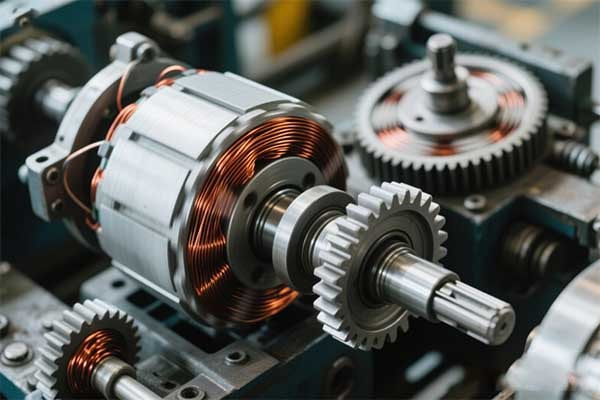
Some may ask what occurs when magnets in a DC motor are flipped. It changes how the motor behaves. Here’s the answer.
Flipping the magnets in a DC motor reverses the direction of the magnetic field. As a result, the motor will rotate in the opposite direction[17].
The Consequences and Considerations of Flipping Magnets in DC Motors
When you flip the magnets in a DC motor, you are essentially changing the orientation of the magnetic field lines. This change has a direct impact on the interaction between the magnetic field of the magnets and the magnetic field generated by the current-carrying coil[18].
In a normal DC motor operation, the magnetic fields work together to create a rotational force in one direction. When the magnets are flipped, the direction of this force is reversed. This can be useful in some applications where you need to change the direction of the motor’s rotation. For example, in automated conveyor systems, being able to reverse the motor’s direction by flipping the magnets can help with the movement of materials in different directions.
However, there are also some considerations. If the DC motor is part of a complex system, reversing the motor’s direction by flipping the magnets may disrupt the overall operation. Additionally, if the motor is designed to work with a specific magnetic field orientation, flipping the magnets may cause inefficiencies or even damage to the motor over time.
At M-Magnet Company, we often receive requests for custom magnets for DC motors with specific requirements regarding magnetic field orientation. We make sure to provide magnets that meet the exact needs of our customers, whether they are in the American market looking for motor magnets for industrial machinery or in Europe for small - scale electronic devices.
Here is a table summarizing the main points about flipping magnets in a DC motor:
| Aspect | Normal Operation | After Flipping Magnets |
|---|---|---|
| Direction of Rotation | One direction | Opposite direction |
| Interaction of Fields | Works in a set way | Fields interact in reverse |
| Applicability in Systems | Designed for a specific setup | May need system adjustments |
Flipping the magnets[19] in a DC motor is a simple way to change the direction of rotation, but it requires careful consideration depending on the application and the overall system in which the motor is used.
Does adding more magnets make it stronger?
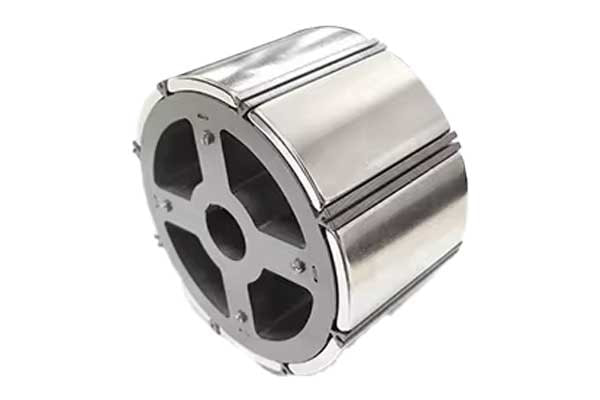
A weak motor cannot meet growing torque needs. Engineers often look for ways to increase its power. Adding more magnets seems like a simple fix.
Yes, adding more or stronger magnets can increase a DC motor's strength by boosting magnetic flux, which improves torque output and efficiency. But this depends on motor design limits.
Using more or stronger magnets in a DC motor may improve torque, especially in applications where higher force is needed. However, it is not always the right solution. I have seen cases where adding magnets led to overheating or imbalance in performance. The impact of magnets depends on the type, placement, and the motor’s electrical characteristics. We need to think carefully before making changes.
Understanding the Role of Magnetic Flux in Strength
In DC motors, strength usually means torque — the motor’s ability to turn a load. Torque is directly related to magnetic flux. When we use stronger magnets or add more of them, that increases the flux inside the motor. This interaction between the rotor and the enhanced magnetic field increases torque. But this is only true if the motor's coils, housing, and controller can handle the change. Otherwise, we risk saturation[20] or wasted power.
Limits of Motor Design[21]
Motor strength doesn't grow endlessly with more magnets. Every motor has limits. If the magnetic circuit becomes saturated, adding more magnetic material won’t help. It might even reduce efficiency. For example, in many small consumer motors, I have found that magnet addition gives very little benefit beyond a certain point.
Here is a simple breakdown of how added magnets might affect different parts of a DC motor:
Effects of Adding Magnets in a DC Motor
| Component | Effect of More Magnets | Design Limitation |
|---|---|---|
| Rotor | Higher torque | Risk of demagnetization at high heat |
| Stator | Stronger magnetic field | Flux saturation point |
| Housing | More robust structure needed | Space and thermal limits |
The Role of Magnet Type and Placement
In DC motor magnets, stronger neodymium types like N52 may increase the output, but only if placed correctly. Placement changes[22] the magnetic path. If magnets are misaligned, they can create drag or noise.
When customers ask me whether adding more magnets will make their motor stronger, I always ask what they are trying to achieve. For short bursts of power, yes, it can help. For long-term reliability, I might recommend upgrading the whole design instead. In short, adding more magnets works best when it fits the whole system’s design.
In every custom solution I make, especially for dc motor magnets, I look at how thermal loads, flux distribution, and mechanical limits work together. Without this balance, stronger magnets can harm more than help.
Conclusion
In summary, adding stronger permanent magnets to a DC motor generally leads to improved performance. This includes higher torque, which allows the motor to handle heavier loads, and increased efficiency, meaning the motor can convert electrical energy into mechanical energy more effectively. Additionally, a stronger magnetic field can potentially result in a higher maximum speed. As M-Magnet Company, we focus on providing high-quality permanent magnets that enable these performance enhancements in DC motors for various applications across America and Europe.
Note:
[5]Explains the relationship between torque, current, and magnetic flux in DC motors.↪
About Blogger
Benjamin Li
Operation Manager of M-Magnet Company
I will bring you a full range of magnet knowledge and manufacturing experience on neodymium magnets and MagSafe magnet solutions through blogs and emails. I'm not an expert yet in magnets, but we have a whole team to help you solve technical issues, design drawing details, compatibility suggestions from magnetic assemblies, magnet purchasing and many other customized magnet solutions from China. You can follow my blogs on knowledge sharing or contact me for your own magnet solutions. We will always do the best.