Does a Magnetic Cover Affect a Phone's Network?
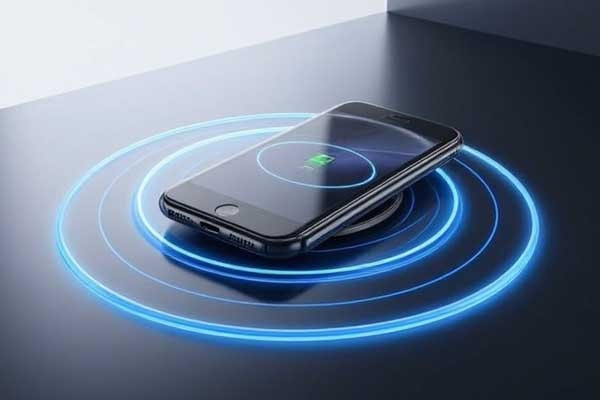
Many worry that magnetic phone cases disrupt signals. As a magnet manufacturer, I’ll explain how these cases work and whether they impact your phone’s network.
Magnetic phone cases use thin magnets to attach accessories. These magnets are usually too weak to interfere with phone signals[1]. Most modern phones are designed to handle minor magnetic interference[2] without network issues.
Let’s explore how magnetic cases work and their real impact.
Table of Contents
What is a Magnetic Phone Case?
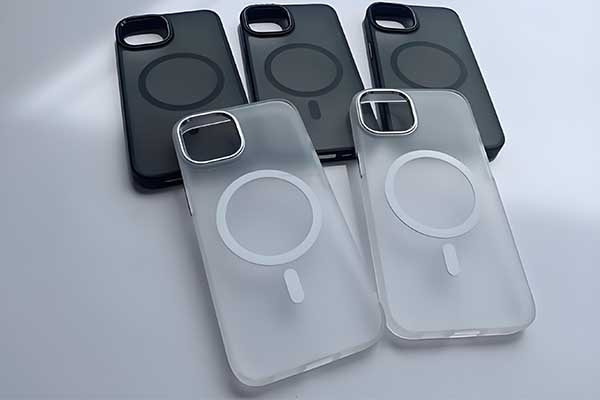
Magnetic phone cases have built-in magnets for easy attachment. They’re popular for MagSafe compatibility[3] and modular accessories.
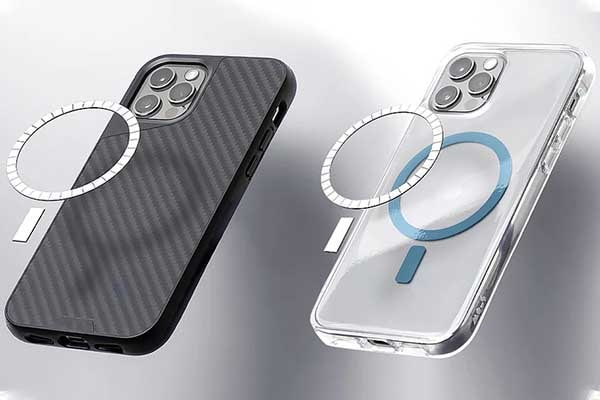
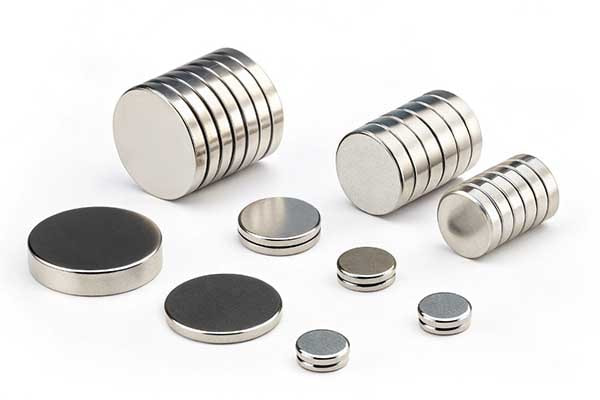
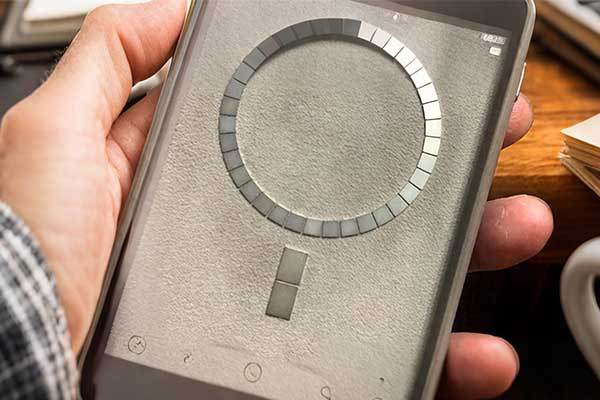
A magnetic phone case[4] is a protective cover that uses magnets to attach to your phone has small neodymium magnets arranged in a ring. These magnets let you snap on wallets, chargers, or mounts. The magnets are strong enough to hold accessories without the need for clips or buttons, which won’t damage your phone[5].
How Magnetic Cases Work
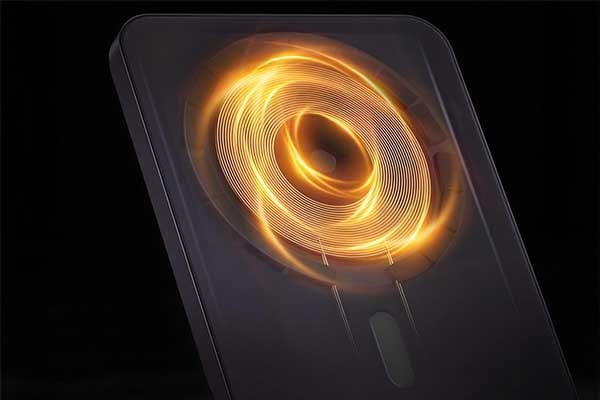
Magnetic phone cases use precise magnet placement[6]. The magnets are embedded in the case’s back layer. They align with your phone’s wireless charging coil[7] to avoid interference.
Most cases use 6-16 small magnets. These create a secure hold without bulk. The magnets are shielded to minimize effects on your phone’s internals.
| Feature | Description | Benefit |
|---|---|---|
Magnets | Small neodymium magnets embedded in the case | Secure attachment to the phone |
Material | Durable materials like plastic or leather | Protection against drops and scratches |
Design | Slim and lightweight | Easy to use and carry |
Magnetic phone cases use small neodymium magnets to attach securely to your phone. These magnets are strong enough to hold the case in place but won't damage your phone. The cases are made from durable materials like plastic or leather, providing protection against drops and scratches. They are also designed to be slim and lightweight, making them easy to use and carry.
Impact on Phone Network
One common concern is whether magnetic phone cases can affect the phone's network. The good news is that modern phones are built to resist magnetic interference. The materials used in phone construction, such as shielding and special coatings, help to prevent any signal loss or disruption.
However, it's important to choose a high-quality magnetic phone case. Low-quality cases may use weaker magnets or poor construction, which can lead to issues like poor attachment or even potential damage to the phone. By selecting a reliable brand, you can enjoy the benefits of a magnetic phone case without worrying about network problems.
Magnetic Phone Case Problems
While magnetic phone cases are generally safe, there are a few potential issues to be aware of. One common problem is the possibility of the case detaching unexpectedly. This can happen if the magnets are not strong enough or if the case is not properly aligned with the phone.
Another issue is the potential for scratches or damage to the phone's surface. While most magnetic phone cases are designed to be gentle on the phone, some cheaper options may not provide adequate protection. It's important to choose a case that fits your phone well and is made from high-quality materials.
Choosing the Right Magnetic Phone Case
When selecting a magnetic phone case, consider the following tips:
Quality: Choose a case from a reputable brand to ensure durability and reliability.
Fit: Make sure the case fits your phone snugly but not too tightly. A well-fitted case will provide better protection and a more secure attachment.
Material[8]: Look for cases made from durable materials like plastic or leather. These materials offer better protection against drops and scratches.
Design: Consider the design of the case. A slim and lightweight design is easier to use and carry, while a more rugged design may offer better protection.
Do magnets affect wireless signal?

I've always been curious about whether magnets can mess with wireless signals. You know, in our daily lives, there are so many magnetic things around our devices. So, does this really have an impact on wireless signals?
Well, generally speaking, normal magnets don't have a significant impact on wireless signals. Wireless signals, like Wi-Fi[9] and Bluetooth, operate based on radio waves. Magnets mainly exert a magnetic force[10], and under normal circumstances, there isn't a direct interaction between them. However, strong magnets might be a different story.
Let's take a closer look at this issue. First, we need to understand the nature of wireless signals and magnetic fields. Wireless signals are electromagnetic waves[11] within a certain frequency range. They are used to transmit data between devices. On the other hand, magnets generate magnetic fields[12], which are a form of force field.
| Factor | Impact on Wireless Signal |
|---|---|
| Weak Magnets | Usually have little to no impact. The magnetic field of a weak magnet is not strong enough to interfere with the radio waves of wireless signals. For example, the small magnets in some jewelry or fridge magnets won't cause any problems for your Wi-Fi connection. |
| Strong Magnets | Can potentially affect wireless signals. A very strong magnetic field can disrupt the normal operation of electronic components in a device that are responsible for receiving and transmitting wireless signals. For instance, industrial-strength magnets might cause interference. |
| Proximity | The closer the magnet is to the device, the more likely it is to have an impact. If a strong magnet is placed right next to your router or phone, it could cause signal degradation. |
Now, when it comes to the question "are magnets bad for cell phones" in the context of wireless signals, it depends on the strength and proximity of the magnets. In most common situations, the magnets around us, like those in our wallets or on our keys, are not strong enough to cause any harm to our cell phones' wireless signals. But if you're working in an environment with strong magnetic fields, such as near a large electromagnet in a factory, it's possible that your phone's wireless signal could be affected.
In addition, the internal design of the phone also plays a role. Some phones are better shielded against magnetic interference than others. High-end phones often have more advanced shielding technology, which can protect the internal components from the influence of external magnetic fields[13]. However, this doesn't mean they are completely immune.
Another aspect to consider is the long-term exposure to magnetic fields. Even if a weak magnet doesn't cause an immediate impact on the wireless signal, continuous exposure over a long period might have some cumulative effects on the phone's performance. This could lead to a gradual decrease in signal strength or an increase in connection drops.
So, in conclusion, while normal magnets usually don't affect wireless signals, we still need to be cautious around strong magnets to ensure the proper functioning of our wireless devices. And yes, the question "are magnets bad for cell phones" in terms of wireless signals is a complex one that depends on multiple factors.
Does magnetic case affect phone signal?

I've been using a magnetic case for my phone for a while, and I've often wondered if it affects the phone signal. After all, a magnetic case has magnets in it, and we know that magnets can have some effects on electronic devices. So, does it really impact the phone signal?
In most cases, a well-designed magnetic case won't have a significant impact on the phone signal. Phone manufacturers are aware of the potential interference from magnetic cases, and they design their phones to be resistant to such interference. However, there are still some factors that could cause problems.
Let's start by looking at how a magnetic case might interact with a phone's signal. The phone signal[14] mainly consists of cellular signals and wireless signals like Wi-Fi and Bluetooth.
| Factor | Impact on Phone Signal |
|---|---|
| Quality of the Magnetic Case | A low-quality magnetic case might have stronger magnets than necessary. These strong magnets could potentially interfere with the phone's internal antennas, which are responsible for receiving and transmitting signals. For example, if the magnets are too close to the antenna area, they could disrupt the normal flow of electromagnetic waves. |
| Position of the Magnets | The position of the magnets in the case is crucial. If the magnets are placed near the phone's antenna, there is a higher chance of signal interference. Some magnetic cases are designed in such a way that the magnets are far from the antenna area, reducing the risk of interference. |
| Phone Model | Different phone models have different antenna designs and shielding capabilities. Some phones are more sensitive to magnetic interference than others. For instance, older phone models might not have as advanced shielding technology as newer ones, making them more vulnerable to the effects of a magnetic case. |
Now, let's talk about the question "are magnets bad for cell phones" in relation to magnetic cases. As mentioned earlier, in most normal situations, a magnetic case won't cause serious harm to the phone signal. But if you notice a significant drop in signal strength[15] after using a magnetic case, it could be a sign that the case is causing interference.
It's also important to note that the type of signal can be affected differently. Cellular signals are more likely to be affected by external interference because they operate at lower frequencies and are more vulnerable to magnetic fields. Wi-Fi and Bluetooth signals, on the other hand, operate at higher frequencies and are generally more resistant to magnetic interference. However, this doesn't mean they are completely immune.
In addition, the long-term use of a magnetic case could potentially cause some wear and tear on the phone's internal components. The magnetic field could gradually affect the performance of the antenna over time, leading to a decrease in signal quality.
To avoid any potential problems, it's a good idea to choose a high-quality magnetic case from a reputable manufacturer. You can also test the case with your phone to see if there are any noticeable changes in the signal strength. If you do experience problems, you might want to consider using a non-magnetic case[16] instead.
So, in summary, while a magnetic case doesn't always affect the phone signal, there are some situations where it could cause problems. And the question "are magnets bad for cell phones" when it comes to magnetic cases is something that we need to be aware of and ,take appropriate measures to deal with.
How far should magnets be from electronics?
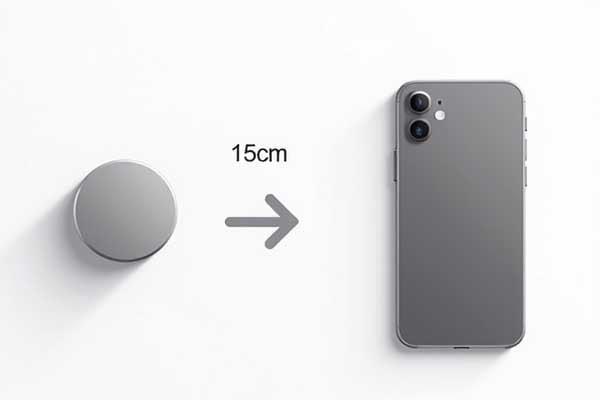
Many worry that magnets might damage electronics. It's important to know the safe distance[17] to avoid problems.
Generally, magnets should be kept at least 5 to 15 cm[18] away from sensitive electronics to prevent disruption or damage.
The right distance matters
Keeping magnets away from electronics isn't just about safety. It's also about how magnetic fields behave. Magnets can affect magnetic sensors, compasses, and even touchscreens. Devices like smartphones, tablets, and laptops all contain parts that can be influenced by magnets. If a strong magnet sits too close, it might disrupt signals or memory. That's why experts recommend a minimum safe distance. But not all magnets are equal.
Stronger magnetic materials, such as neodymium, create larger magnetic fields. That’s why we at M-Magnet always guide our clients on safe distances. Even in MagSafe products, we carefully control magnetic flux to prevent interference. The impact of a magnet depends on both strength and proximity.
A magnet with low strength may not affect electronics even at close range. But a strong one, like the ones we manufacture for wireless charging modules, can have a broader influence area. This is especially true when using neodymium magnets near electronic circuits or data storage.
To help you better understand, here’s a simple breakdown.
Recommended Magnet Distances from Common Electronics
| Device | Minimum Distance | Magnet Type Risk |
|---|---|---|
| Smartphone | 5–10 cm | High (if strong neodymium) |
| Laptop | 10–15 cm | Moderate |
| Tablet | 5–10 cm | Moderate to High |
| Hard Drive | 15 cm or more | Very High |
As a manufacturer of MagSafe magnets, we must be very clear with clients. In wireless charging applications, magnetic fields are essential but also controlled. We focus on shielding and careful flux guidance. This ensures that while magnetic materials are close to the phone, they don't harm the network signal or damage circuits.
Our team at M-Magnet works with clients to design custom solutions. We simulate magnetic field effects during the design phase. By doing this, we prevent possible risks. It helps us create better magnets and safer products.
Do magnets interfere with electronics?

People often ask if magnets can really disrupt electronics. The answer depends on the device and the magnet.
Yes, magnets can interfere with electronics, especially if they are strong and close to sensors, data storage, or antennas[19].
When and why magnets cause interference
Let’s look at how and why this happens. Electronic devices work using electric currents and magnetic fields. But they also include parts that react to magnetic force[20]. For example, sensors like Hall sensors, gyroscopes, and compasses can all be affected. If you place a neodymium magnet close to a phone, you might notice the compass giving wrong directions or the screen behaving oddly. That’s not random — that’s interference.
We use magnetic materials in many M-Magnet designs. But we must consider shielding, alignment, and magnet grade. A strong magnet can generate a large enough field to cause electric interference. That’s why you might notice a magnetic cover affecting your phone's network under some conditions.
Not every phone responds the same. Some have better shielding[21]. Some use frequencies that are less sensitive to magnetic influence. Also, not every magnetic cover is made the same. A weak ferrite magnet may have no visible effect. A strong rare-earth magnet can be a different story.
The way magnets interact with electronics depends on the design, layout, and magnetic materials. We test each magnet we produce to avoid risks. We use simulation tools and physical testing. It is especially important for our clients in the wireless charging and phone accessories industries.
Common Electronic Parts Affected by Magnets
| Electronic Part | Type of Interference | Interference Level |
|---|---|---|
| Compass Sensor | Direction errors | High |
| Touch Screen | Ghost touches or lag | Moderate |
| Wireless Signal Antenna | Weaker signal or drop | Low to Moderate |
| Microphone | Distortion | Low |
In our experience at M-Magnet, we've seen both safe and unsafe uses of magnets. When designing magnetic covers or accessories, we always test for interference. That includes checking phone signal, wireless charging, compass, and screen response. If issues arise, we fix them by adjusting the magnet size, grade, or placement.
Understanding how magnets and electronics interact helps create safer, smarter products. This is one reason why many companies work with us on customized magnet solutions. Every application needs the right magnetic control.
Will a metal box block cell phone signal?
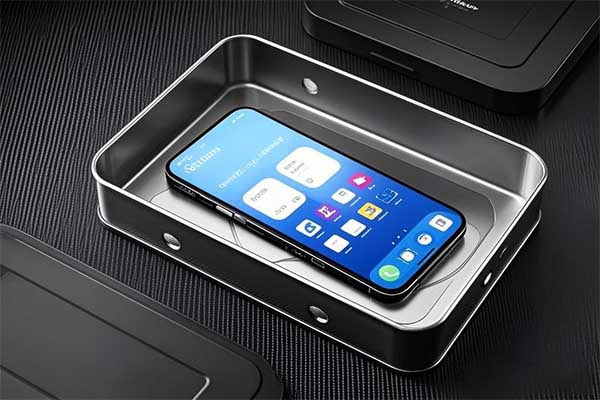
Many people worry that putting their phone in a metal box will stop it from getting a cell phone signal. Is this something to be concerned about when using a magnetic phone case?
Yes, a metal box can block cell phone signals. Metal[22] is a good conductor of electricity and can create a barrier that radio waves, including cell phone signals, cannot easily pass through. This is why elevators and some buildings with metal structures can have poor reception.
Understanding Faraday Cages and Their Impact on Signal Reception
To really understand why a metal box can block cell phone signals, we need to talk about something called a Faraday cage[23]. A Faraday cage is an enclosure made of conductive material, like metal, that blocks electromagnetic fields. When cell phone signals, which are a type of electromagnetic wave, hit a Faraday cage, the metal redirects the electrical fields. This means the signals can't get inside the cage.
Think of it like this: when waves in the ocean hit a solid wall, they can't go through it. Instead, they bounce off or go around. The same thing happens with cell phone signals and metal. The continuous metal surface acts like that solid wall.
Now, let's consider how different metals and designs can affect signal blocking. Some metals are better conductors than others, meaning they can block signals more effectively. Also, if the metal box has any gaps or openings, even small ones, some signal might still be able to get through. The effectiveness of a Faraday cage depends on how solid and continuous the conductive material is.
For example, a tightly sealed box made of a thick metal like steel will block signals much better than a thin aluminum case with openings. This is why the design and materials used in a magnetic phone case are important. While many magnetic phone cases use metal components to hold the phone securely, they are not typically designed as fully enclosed Faraday cages. The magnets themselves are not the primary concern for signal blockage; rather, it would be any large, continuous metal parts of the case's structure.
Here's a table that summarizes the factors affecting signal blockage:
Factors Affecting Signal Blockage
| Factor | Impact on Signal |
|---|---|
| Type of Metal | Better conductors (e.g., copper, steel) block more effectively. |
| Thickness of Metal | Thicker metal provides a stronger barrier. |
| Presence of Gaps | Even small openings can allow some signal to pass through. |
| Continuity of Enclosure | A fully enclosed metal structure blocks signals best. |
As M-Magnet Company, a manufacturer of neodymium magnets and MagSafe magnets, we understand the properties of magnetic materials. While our magnets themselves do not block cell phone signals, we also consider the overall design of any phone accessories we might produce that incorporate metal. The key is to design products that are functional and convenient without negatively impacting your phone's performance. So, while a solid metal box will likely block your cell signal, most magnetic phone case problems related to signal are minimal due to design considerations.
Conclusion
Magnetic phone cases are safe for your network. The magnets are too weak and well-placed to cause interference. Quality cases like ours undergo rigorous testing to ensure no signal impact. You can enjoy magnetic convenience without worrying about call quality or data speeds.
Note:
[2]Explore the concept of minor magnetic interference and its relevance to modern smartphones.↪
[6]Explore the placement and alignment under proper mounting techniques for optimal security.↪
[10]Explore the definition of magnetic force, or so called the magnetic field strength.↪
[16]Comparison between magnetic phone case and non-magnetic case.↪
[18]Address the exact distance with data sheet on neodymium magnets and ferrite magnets.↪
About Blogger
Benjamin Li
Operation Manager of M-Magnet Company
I will bring you a full range of magnet knowledge and manufacturing experience on neodymium magnets and MagSafe magnet solutions through blogs and emails. I'm not an expert yet in magnets, but we have a whole team to help you solve technical issues, design drawing details, compatibility suggestions from magnetic assemblies, magnet purchasing and many other customized magnet solutions from China. You can follow my blogs on knowledge sharing or contact me for your own magnet solutions. We will always do the best.