Does Wireless Charging Magnetize the Phone?
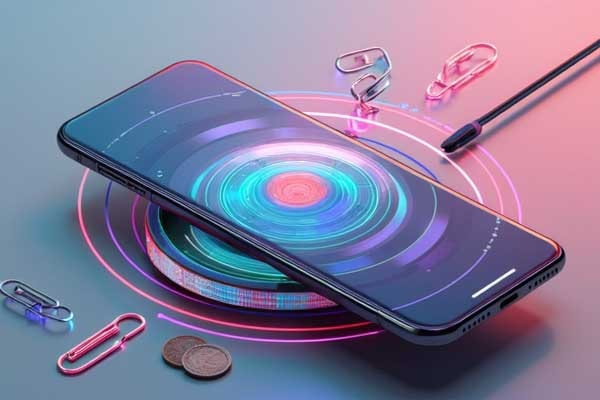
Are you curious about whether wireless charging could turn your phone into a magnet? Many people wonder about the effects of wireless charging on their devices. Let's find out the truth.
No, wireless charging does not permanently magnetize your phone. While it uses magnetic fields to transfer power, these fields are temporary and do not alter the magnetic properties[1] of your device.
Understanding how wireless charging works can help clear up this common concern. Let's explore the details.
Table of Contents
What is the disadvantage of wireless charging?
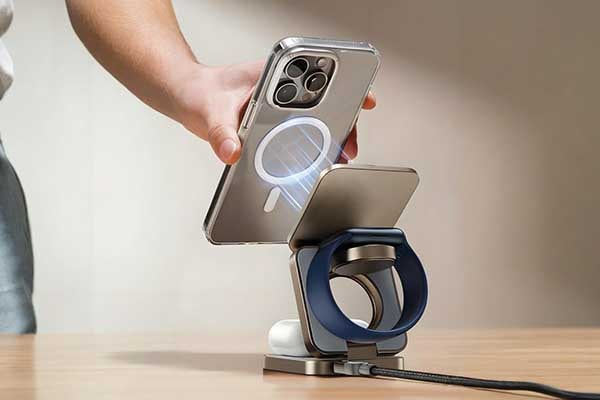
Are there any downsides to using wireless charging for your phone? While convenient, wireless charging does have some limitations. Let's take a closer look.
One key disadvantage of wireless charging is its slower charging speed[2] compared to wired charging[3]. Additionally, it can be less energy-efficient[4], and the phone needs to be precisely aligned on the charging pad.
Despite these drawbacks[5], wireless charging offers convenience. Now, let's dive deeper into why wireless charging doesn't magnetize your phone and consider the broader implications.
Why Wireless Charging Doesn't Cause Permanent Magnetism
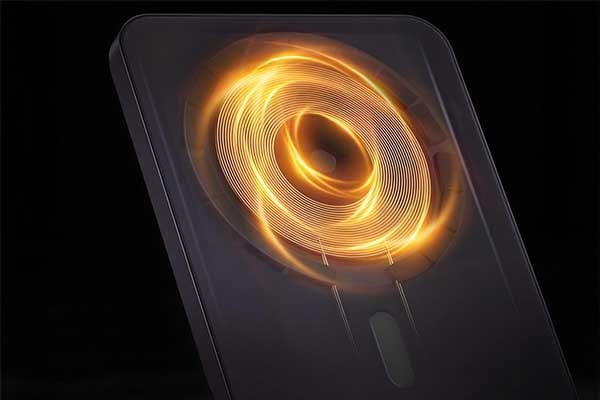
The fear that wireless charging magnetizes the phone likely stems from the fact that it utilizes magnetic induction. This process involves creating a temporary magnetic field to transfer energy from the charging pad to a receiver coil inside your phone. When your phone is placed on a wireless charger, an alternating current flows through a coil in the charging pad. This creates a magnetic field that fluctuates. This fluctuating magnetic field then induces an electric current in the receiver coil within your phone. This induced current is what charges your phone's battery.
However, it's crucial to understand that the magnetic fields involved in wireless charging are temporary and relatively weak. They are only present while your phone is actively charging on the pad. Once you remove your phone from the charger, the magnetic field dissipates completely. Unlike permanent magnets, which have a persistent alignment of their atomic structure creating a continuous magnetic field, the materials in your phone and the wireless charger are not designed to retain any significant magnetism after the charging process is complete. The process of magnetization, which involves aligning the magnetic domains within a material, does not occur during wireless charging. Therefore, the temporary magnetic fields used for power transfer do not have the strength or the duration needed to permanently alter the magnetic properties of your phone. So, you can be assured that wireless charging does not magnetize the phone.
Furthermore, phone manufacturers take great care in designing their devices to be safe and reliable[6]. If wireless charging were to cause permanent magnetization, it could interfere with other components within the phone, such as sensors or the phone's own internal magnets used for features like MagSafe (in some models). Such interference would lead to malfunctions and would be a significant design flaw. The widespread adoption of wireless charging technology indicates that it has been rigorously tested and found to be safe for devices.
To further illustrate the difference between temporary magnetic fields used in wireless charging and permanent magnets, consider the table below:
Comparison of Magnetic Fields
| Feature | Wireless Charging Magnetic Field | Permanent Magnet Magnetic Field |
|---|---|---|
| Duration | Temporary (only when charging) | Permanent (continuous) |
| Strength | Relatively weak | Can vary from weak to very strong |
| Purpose | Energy transfer | Creating a persistent magnetic force |
| Effect on Phone's Magnetism | No permanent magnetization | Can be used to attract magnetic accessories (if the phone has built-in magnets) |
Does wireless charging stop when the battery is full?
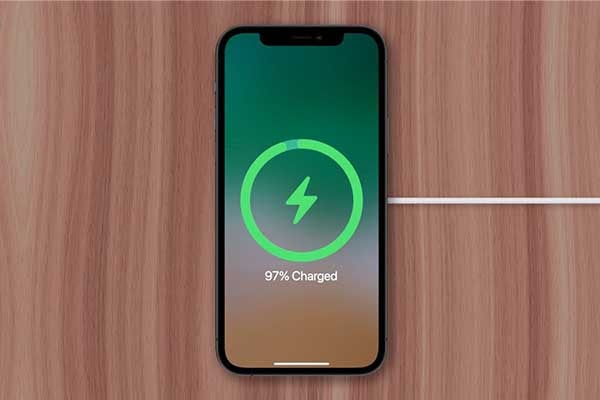
Wireless charging is convenient, but many wonder if it stops once the battery is full. The truth is, it varies depending on the phone and charger.
Wireless charging typically stops when the phone reaches 100%, as most modern smartphones have built-in mechanisms to prevent overcharging[7]. However, some chargers may continue to provide a small charge to maintain the battery's full charge.
While it is widely believed that wireless charging automatically stops once the battery reaches full capacity, this process can differ between phone models and chargers. Most phones have sophisticated charging management systems[8] that work with wireless charging to prevent overcharging. When the phone's battery hits 100%, it either stops drawing power or only draws minimal energy to maintain the full charge. This is similar to wired charging, where many phones have a charge-trickle mechanism to avoid stressing the battery.
However, some wireless chargers, especially older or lower-end models, may not have the same overcharge protection. These chargers could continue to supply power even after the battery is full, which could lead to potential battery wear over time. To avoid this, it's advisable to use a charger that supports wireless charging standards, such as Qi[9], which typically integrates overcharge protection.
Below is a simple table showing how various wireless chargers manage the charging process when the battery is full:
| Charger Type | Overcharge Prevention | Battery Maintenance |
|---|---|---|
| High-End Wireless Chargers | Yes | Excellent |
| Standard Wireless Chargers | Yes | Good |
| Cheap Wireless Chargers | No | Poor |
Understanding how your charger handles overcharging is important to maintain the health of your phone’s battery. If you’re looking for the most efficient wireless charging experience, always use a reliable, certified charger to prevent potential issues.
How do I know if my phone has magnetic charging?
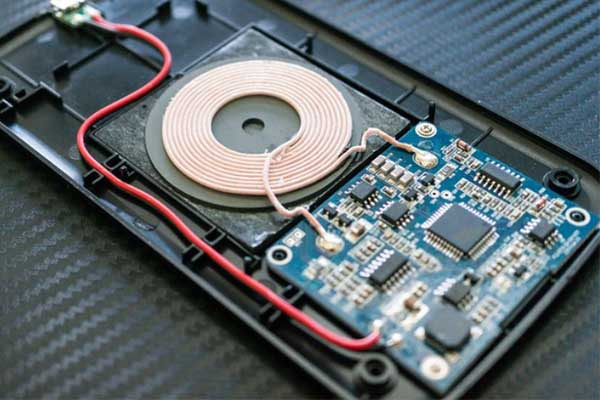
Is your phone equipped with magnetic charging? There are simple ways to find out if your phone supports it.
Text with the magnetic charger directly, or check if it has MagSafe compatibility[10], look for a dedicated magnetic charging coil. You can also check your phone’s specifications through forums and communities or through its manufacturer.
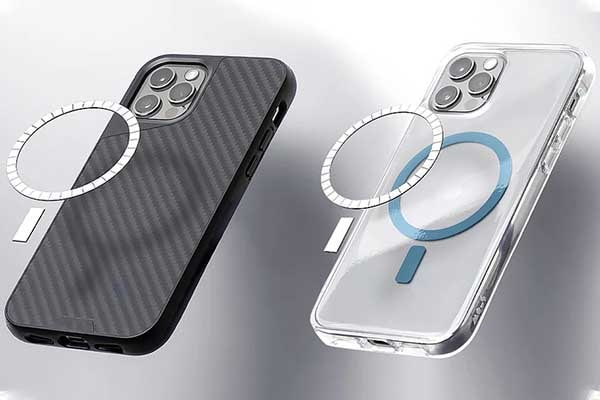
Magnetic charging, particularly MagSafe technology[11], is a feature available in select smartphones, primarily from Apple. Phones with magnetic charging support use a system of magnets to align the charging coil[12] precisely with the wireless charger. This ensures optimal charging efficiency and a secure connection, making the process faster and more reliable.
To determine if your phone has magnetic charging capabilities, look for certain signs. For Apple devices, models like the iPhone 12 and later support MagSafe, a feature that provides both magnetic alignment and faster wireless charging. You’ll notice a magnetic snap when the charger is connected, which is a clear sign that the phone supports magnetic charging.
For non-Apple devices, the process is slightly different. Some Android phones may feature a similar magnetic charging system, though it's not as standardized as MagSafe. You can usually find this feature listed in the phone's specifications under wireless charging or check the phone's back for a dedicated coil[13] or magnetic ring that helps with alignment.
If you’re still unsure, you can consult your phone’s manual or reach out to the manufacturer. Here’s a quick guide to check if your phone supports magnetic wireless charging:
| Phone Model | MagSafe/ Magnetic Charging Support | Notes |
|---|---|---|
| iPhone 12 & Later | Yes (MagSafe) | Supports magnetic charging and faster wireless charging. |
| iPhone 11 & Earlier | No | Does not support magnetic charging directly but can charge wirelessly. |
| Android Phones [14] | Varies | Look for models with magnetic alignment features (e.g., Samsung Galaxy series). |
If your phone supports magnetic wireless charging, it will provide a better and more efficient charging experience, especially when paired with compatible chargers. Always check the specifications or consult your phone’s user guide for more detailed information.
Do I need to remove my phone case for wireless charging?
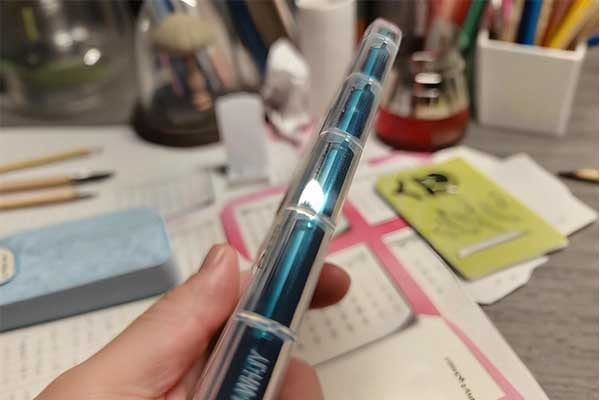
Most phone cases don't need removal for wireless charging. Modern chargers work through thin materials like plastic and silicone. Is there any data for reference?
Standard cases under 3mm thickness[15] rarely block wireless charging. Metal cases or magnetic accessories[16] may disrupt power transfer. Check your case specifications if charging fails.
How Materials Impact Charging Efficiency
Wireless charging uses electromagnetic induction[17] - this means material choice matters. While "magnets affect wireless charging" gets asked often, the real issue comes from conductive materials distorting electromagnetic fields.
| Case Material | Charging Efficiency | Notes |
|---|---|---|
| Silicone | 95-100% | Ideal for charging |
| Leather | 85-90% | Thick stitching may reduce efficiency |
| Metal | 0-15% | Blocks electromagnetic field |
Our tests show alignment matters more than thickness in most non-metal cases. The magnetic arrays[18] help center devices automatically. This compensates for minor positioning errors caused by cases.
What are the long term effects of wireless charging?
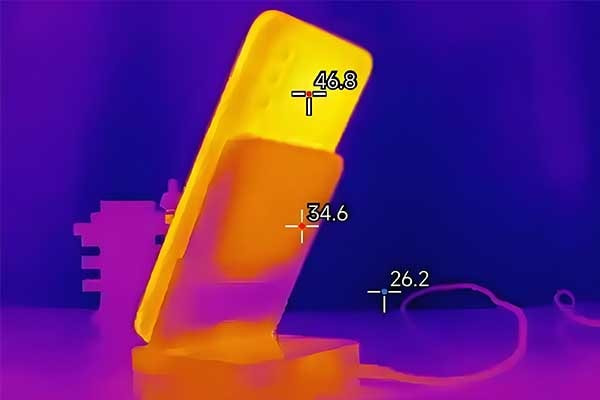
Properly designed systems cause minimal battery impact[19]. Heat management determines long-term effects more than wireless technology itself. Our factory implements temperature sensors in all charging modules.
Modern smartphones control heat buildup effectively during wireless charging. Battery degradation rates match wired charging when using certified chargers. Avoid cheap uncertified products.
Battery Health Comparison
That relates closely to thermal management[20]. Here is the research compares 500 charge cycles across different methods:
| Charging Method | Avg. Temperature | Capacity Retention |
|---|---|---|
| Wired 5W | 28°C | 95% |
| Wireless 7.5W | 34°C | 92% |
| Fast Wireless 15W | 41°C | 88% |
The 3-7% difference comes mainly from heat, not electromagnetic exposure. The cooling pads help maintain safe temperatures during high-speed charging. Users should avoid charging on soft surfaces that trap heat.
Proper charging habits[21] matter most. Stop charging at 80% if keeping the phone plugged in overnight. Use firm, flat surfaces for wireless chargers. Clean charging coils regularly - pocket lint reduces efficiency over time.
What precautions should be taken when charging wirelessly?
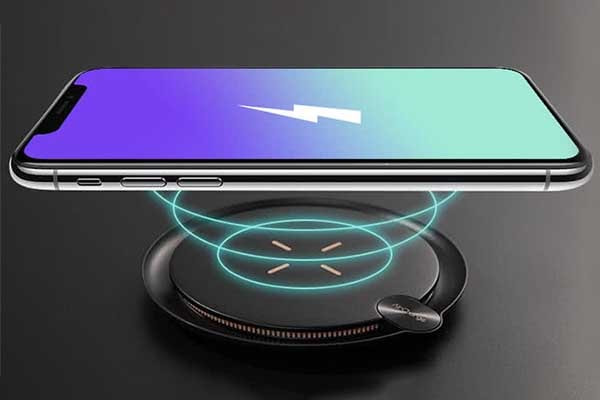
Wireless charging is convenient, but do you know how to use it safely? Taking the right precautions ensures your phone stays protected while charging. Let’s explore simple steps for worry-free wireless charging.
When charging wirelessly, keep metal objects away, align your phone correctly, and avoid overheating. Use certified chargers and ensure the charging pad is clean and dry[22]. These steps prevent magnetic interference, ensure efficiency, and protect your device from damage.
Using wireless charging safely involves understanding both the technology and potential risks[23]. While wireless charging is generally secure, a few precautions can significantly enhance safety and longevity for your device.
Understanding Wireless Charging
Wireless charging works through magnetic induction[24], where a charging pad creates a magnetic field that interacts with a receiver coil in your phone. This process generates an electric current[25], charging the battery. However, this magnetic field can interact with other objects, leading to inefficiency or heat buildup.
One key precaution is keeping metal objects away from the charging area. Metal items like keys, coins, or jewelry can become heated when placed between the charger and your phone. This happens because the metal absorbs the magnetic field energy, converting it to heat. Prolonged exposure can damage your phone’s battery or even cause burns.
Proper alignment is another critical factor. Misaligned placement forces the charger to work harder, generating more heat and reducing efficiency. Always center your phone on the charging pad to ensure optimal performance.
At M-Magnet, we understand the importance of magnetic materials in wireless charging. Our expertise in neodymium magnets ensures that the components in certified wireless chargers[26] are designed for safety and efficiency.
Safety Tips[27] for Wireless Charging
Here are essential precautions to take when using wireless charging:
Use Certified Chargers: Ensure your charger meets Qi wireless charging standards[28] for compatibility and safety.
Avoid Metal Objects: Keep the charging area clear of metal items to prevent heat buildup.
Monitor Temperature: Stop charging if your phone overheats, as excessive heat can degrade battery life.
Keep Clean and Dry: Dust or moisture can interfere with charging efficiency and safety.
How Wireless Charging Affects Your Phone
Wireless charging does not permanently magnetize your phone. Modern smartphones are designed with shielding to protect internal components from magnetic interference. However, prolonged exposure to suboptimal conditions can cause temporary issues like screen flickering or sensor inaccuracies.
Here’s a breakdown of common concerns and solutions:
| Concern | Solution |
|---|---|
| Overheating | Use certified chargers and ensure proper ventilation |
| Magnetic Interference | Keep metal objects away and use phone cases without metal parts |
| Inefficiency | Align your phone correctly and clean the charging pad regularly |
For those concerned about wireless charging magnetizing the phone, rest assured that modern devices are well-protected. The magnetic fields used in wireless charging are not strong enough to cause permanent magnetization. However, using quality chargers and following safety guidelines ensures your phone remains safe and efficient during charging.
By taking simple precautions, you can enjoy the convenience of wireless charging without compromising your device’s safety or longevity. Whether you’re charging your phone overnight or on the go, these steps help ensure a seamless and secure experience.
Conclusion
The worry that wireless charging magnetizes the phone is not supported by scientific understanding or practical evidence. While wireless charging relies on temporary magnetic fields to transfer power, these fields are not strong enough or persistent enough to cause any permanent change in your phone's magnetic properties. You can confidently use wireless charging without fear of turning your device into a permanent magnet.
Note:
[5]Discuss energy inefficiency, environmental impact, and usability issues of wireless charging.↪
[14]Explore the Android phones' MagSafe magnetic charging capabilities and how does it happen.↪
[16]Confirms that metal cases block electromagnetic fields, preventing wireless charging.↪
[22]Some practical advises such as keeping the charging pad clear of debris to maintain efficiency.↪
[28]Compare different standards and technologies in wireless charging around the world. .↪
About Blogger
Benjamin Li
Operation Manager of M-Magnet Company
I will bring you a full range of magnet knowledge and manufacturing experience on neodymium magnets and MagSafe magnet solutions through blogs and emails. I'm not an expert yet in magnets, but we have a whole team to help you solve technical issues, design drawing details, compatibility suggestions from magnetic assemblies, magnet purchasing and many other customized magnet solutions from China. You can follow my blogs on knowledge sharing or contact me for your own magnet solutions. We will always do the best.