What's the most common non-rustable magnet?
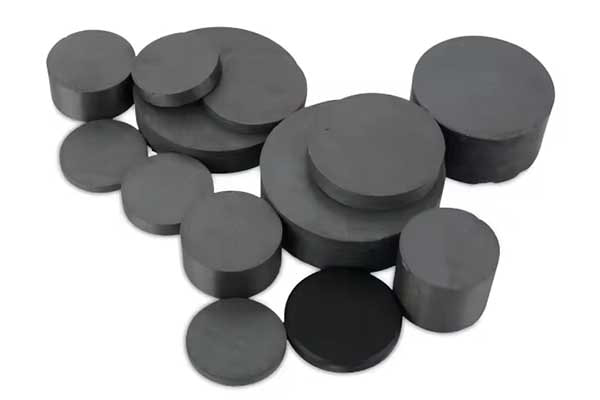
Searching for a reliable non-rustable magnet? Ceramic magnets are often considered due to their resistance to corrosion. But are they truly rust-proof? Let’s explore the facts and find the best solution for your needs.
The most common non-rustable magnets are ceramic (ferrite) magnets. They are resistant to corrosion[1] and can withstand harsh environments. However, they are brittle and prone to chipping. Neodymium magnets, though powerful, require protective coatings to prevent rust. Samarium cobalt magnets[2] are also non-rustable but are more expensive.
Understanding the properties of different magnets can help you make an informed decision. Let’s dive deeper into the world of non-rustable magnets.
Table of Contents
Will ceramic magnets rust?
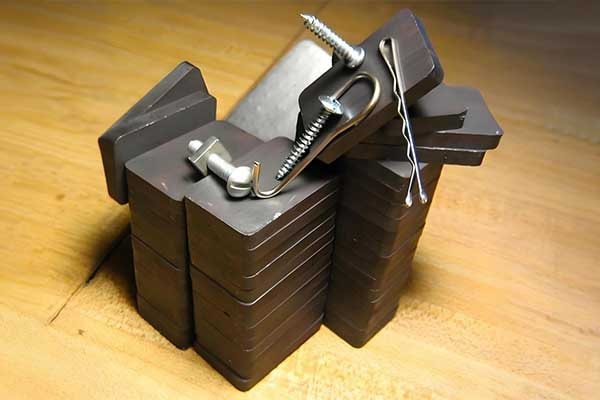
Wondering if ceramic magnets are the rust-proof solution you need? These magnets are known for their resistance to corrosion, making them a popular choice in various applications.
Ceramic magnets, also known as ferrite magnets, are highly resistant to rust and corrosion. They do not require any protective coatings[3] and can withstand exposure to moisture and chemicals. This makes them ideal for outdoor use and in environments[4] where other magnets might corrode.
Ceramic magnets are composed of strontium or barium ferrite, which gives them their excellent resistance to corrosion. Unlike neodymium magnets, they do not contain iron, making them less susceptible to rust. However, they are brittle and can crack or chip if dropped on hard surfaces.
Advantages of Ceramic Magnets
Ceramic magnets offer several benefits beyond their rust-resistant properties. They are relatively inexpensive compared to other types of magnets like neodymium or samarium cobalt. This makes them a cost-effective solution for many applications.
Another advantage is their ability to maintain magnetic properties at high temperatures[5]. They can operate in temperatures up to 300°C (572°F) without significant degradation. This high-temperature stability is crucial in industrial settings where other magnets might lose their magnetism.
Ceramic magnets are widely used in various industries due to their corrosion resistance and affordability. They are commonly found in loudspeakers, microwave ovens, and industrial machinery. Their non-rustable nature makes them ideal for outdoor applications such as in magnetic signs and magnetic holders.
Comparison with Other Non-Rustable Magnets
While ceramic magnets are highly resistant to rust[6],they are not the only option available. Neodymium magnets, despite their susceptibility to corrosion, are often used with protective coatings like nickel or epoxy. Samarium cobalt magnets are also non-rustable but come at a higher cost.
Here’s a comparison of common non-rustable magnets:
| Feature | Ceramic Magnets | Neodymium Magnets (with coating) | Samarium Cobalt Magnets |
|---|---|---|---|
| Corrosion Resistance[7] | Excellent | Good (with coating) | Excellent |
| Strength | Medium | Very High | High |
| Cost | Low | Medium to High | High |
| Temperature Stability | Good (up to 300°C) | Medium (up to 200°C) | Excellent (up to 300°C) |
| Brittleness | High | Medium | High |
How to Choose the Right Non-Rustable Magnet
Selecting the appropriate non-rustable magnet depends on your specific requirements. If cost and corrosion resistance are your primary concerns, ceramic magnets are an excellent choice. For higher strength and moderate corrosion resistance, coated neodymium magnets might be suitable. Samarium cobalt magnets are ideal for high-temperature applications where both strength and corrosion resistance are needed.
Are ceramic magnets any good?
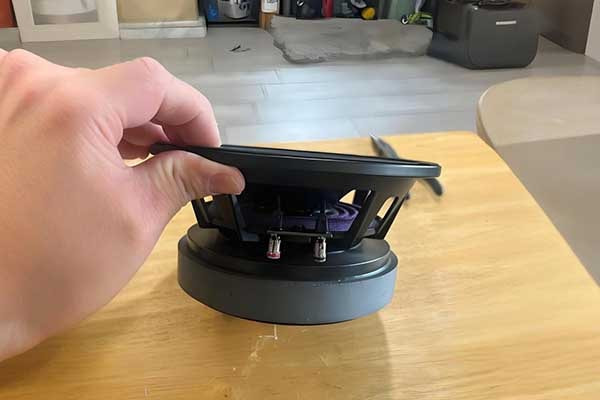
Ceramic magnets are popular for their cost-effectiveness, but are they the best choice for all applications? Let’s dive into what makes them stand out and their limitations.
Ceramic magnets are durable and cost-effective, but they are also brittle and not as strong as other types. They are good for everyday applications, but may not be suitable for high-performance needs.
Ceramic magnets, also known as ferrite magnets, are made from a combination of iron oxide and barium or strontium carbonate. They have a relatively low energy product, meaning they don’t generate a very strong magnetic field[8] compared to other magnets like neodymium. However, they are resistant to corrosion and rust, making them an excellent option for use in environments that are exposed to moisture. Unlike metals that don't rust, such as stainless steel, ceramic magnets provide an affordable option with decent performance for general purposes.
Applications of Ceramic Magnets[9]
Ceramic magnets are often used in speakers, motors, and household items like refrigerator magnets. Their resistance to rust and corrosion is one of their key advantages, especially in outdoor and damp environments[10]. However, their brittleness can be a disadvantage when handling or using them in high-stress applications. These magnets are often chosen over neodymium in situations where cost and resistance to corrosion are more important than strength.
| Application | Pros | Cons |
|---|---|---|
| Speakers | Affordable, rust-resistant | Brittle, low magnetic strength |
| Motors | Low cost, stable over time | Lower efficiency compared to neodymium |
| Household items | Resistant to moisture | Can break easily under pressure |
Are ceramic or neodymium magnets better?
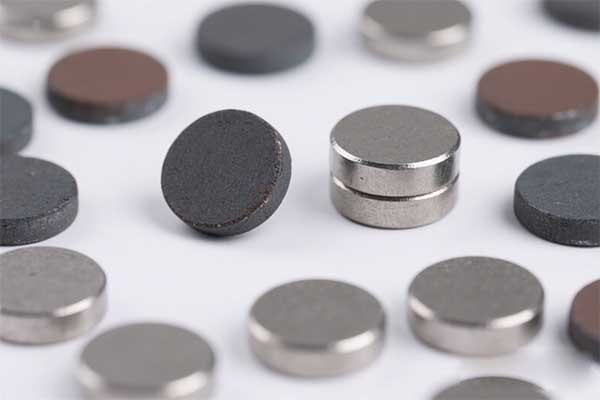
When choosing between ceramic and neodymium magnets, which one is better for your needs? Let’s explore their key differences.
Neodymium magnets are stronger and more versatile, but they can be more expensive and prone to corrosion. Ceramic magnets offer a cost-effective and corrosion-resistant option, but their strength is limited.
Neodymium magnets are made from an alloy of neodymium, iron, and boron. They are known for their incredibly strong magnetic fields, making them much more powerful than ceramic magnets of the same size. This makes them ideal for applications that require a compact, powerful magnet, such as in headphones, hard drives, and magnetic resonance imaging (MRI)[11]. However, they are more susceptible to corrosion compared to ceramic magnets. To combat this, manufacturers often coat neodymium magnets with a layer of nickel or another protective material. This coating helps to prevent rust, but it doesn't make them entirely corrosion-proof.
On the other hand, ceramic magnets, made of iron oxide and strontium or barium carbonate, are naturally resistant to rust, making them ideal for use in humid or outdoor environments. They also come at a lower price, making them more accessible for larger-scale applications. However, their lower magnetic strength and brittleness limit their use in high-performance or high-stress applications.
Comparing Ceramic and Neodymium Magnets
| Feature | Ceramic Magnets | Neodymium Magnets |
|---|---|---|
| Magnetic Strength | Low | High |
| Corrosion Resistance | High (rust-resistant) | Medium (requires coating) |
| Cost | Low | High |
| Durability | Brittle | Susceptible to corrosion without coating |
| Common Applications | Household items, motors | High-performance devices like speakers, MRI |
Will a neodymium magnet rust?
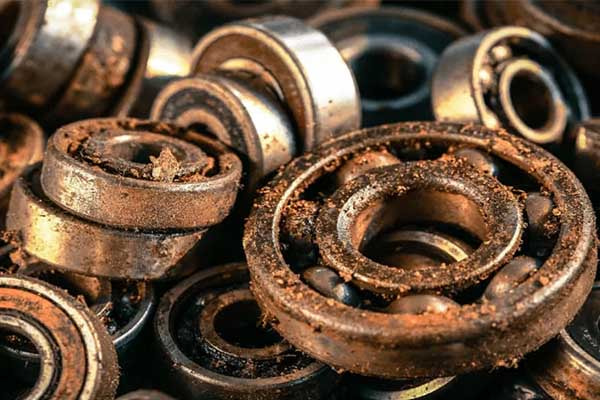
Many people worry about whether their magnets will lose their strength due to rust. This is a valid concern, especially for magnets used in humid or outdoor environments.
Yes, a neodymium magnet can rust. Neodymium is an element that can react with oxygen and moisture[12] in the air, forming rust or corrosion on the magnet's surface if it's not protected properly.
While neodymium itself is prone to corrosion, it's rarely used in its pure form for magnets. Instead, neodymium magnets, are typically alloys composed primarily of neodymium, iron, and boron (NdFeB). The iron content in these alloys is what makes them susceptible to rusting. If left unprotected, the surface of a neodymium magnet will oxidize. This oxidation, commonly known as rust, can start as a powdery orange or brown coating. Over time, if the rusting is severe, it can not only change the magnet's appearance but also cause it to lose some of its magnetic strength and even crumble.
To prevent this, M-Magnet Company applies protective coatings to neodymium magnets. Common coatings[13] include nickel, epoxy, gold, and rubber. These coatings act as a barrier, preventing oxygen and moisture from reaching the underlying neodymium iron boron material and thus preventing the formation of magnet rust. The choice of coating often depends on the intended application of the magnet and the environment it will be used in. For example, magnets used in harsh outdoor conditions might require a more robust epoxy or rubber coating compared to magnets used indoors in a controlled environment. Even with a protective coating, it's still advisable to avoid exposing neodymium magnets to prolonged periods of high humidity or direct contact with liquids to maximize their lifespan and prevent any potential for magnet rust if the coating is damaged.
Understanding Magnet Corrosion
| Property | Description |
|---|---|
| Chemical Process | Oxidation of iron content in the NdFeB alloy when exposed to oxygen and moisture. |
| Visual Appearance | Powdery orange or brown coating on the magnet's surface. |
| Impact on Magnet | Can lead to a decrease in magnetic strength and potential structural damage over time. |
| Prevention Methods | Application of protective coatings such as nickel, epoxy, gold, or rubber. Avoiding prolonged exposure to moisture. |
What happens if you melt neodymium magnets?
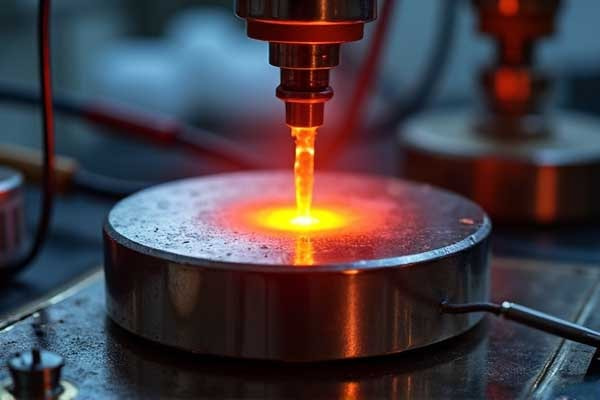
High temperatures can affect magnets. People might wonder what would happen if a neodymium magnet were heated to the point of melting.
Melting doesn't prevent rust. If you melt neodymium magnets, they will lose their magnetic properties permanently. The high temperature[14] disrupts the alignment of the magnetic domains within the material, which is essential for its magnetism. Additionally, the alloy components will mix in a liquid state, and the resulting solid will not have the same magnetic structure.
Melting a neodymium magnet is not a simple task, as they have a relatively high melting point compared to some other materials.
The typical melting point for NdFeB alloys[15] ranges from 1000 to 1300 degrees Celsius (1832 to 2372 degrees Fahrenheit). Reaching such high temperatures requires specialized equipment. When a neodymium magnet is heated to its melting point, several things occur.
First and foremost, the carefully arranged microscopic regions within the magnet, known as magnetic domains, which are aligned to create the strong magnetic field, become randomized due to the intense thermal energy. This loss of alignment means that upon cooling, the material will no longer exhibit significant magnetic properties. The magnetism is essentially "baked out" of the material.
Secondly, the neodymium, iron, and boron that make up the NdFeB alloy will mix completely in their liquid states. When this molten mixture cools and solidifies, the resulting material will have a different microstructure than the original magnet. The specific intermetallic phases that are responsible for the strong magnetic properties will not reform in the same way. Instead, you'll likely end up with a brittle material that has little to no magnetic strength.
Furthermore, heating neodymium magnets to high temperatures, even below their melting point, can also cause irreversible damage to their magnetic properties if the Curie temperature[16] (around 310-400 degrees Celsius or 590-752 degrees Fahrenheit for typical NdFeB magnets) is exceeded. At the Curie temperature, the material loses its ferromagnetism.
While it might regain some magnetism upon cooling, it will likely be significantly weaker than before. Therefore, it's crucial to keep neodymium magnets within their operating temperature range to maintain their performance. For M-Magnet Company's products, we provide guidelines on the appropriate operating temperatures to ensure longevity and consistent magnetic force.
Effects of Melting Neodymium Magnets
| Effect | Description |
|---|---|
| Loss of Magnetism | The alignment of magnetic domains is destroyed at high temperatures, resulting in permanent loss of magnetic properties. |
| Change in Microstructure | The constituent elements mix in liquid form, and the solid formed upon cooling has a different, non-magnetic structure. |
| Material Degradation | The resulting material is likely to be brittle and will not possess the original magnetic strength. |
| Curie Temperature Impact | Heating above the Curie temperature can also cause permanent weakening of the magnet's strength, even without melting. |
In one world, the choice between ceramic and neodymium magnets depends on the specific application. If you need a strong magnetic field in a compact form, neodymium magnets are the better choice, though they come at a higher price and require protective coatings. Ceramic magnets, while weaker, are more affordable and naturally resistant to rust, making them suitable for less demanding environments.
How to make magnets not rust?
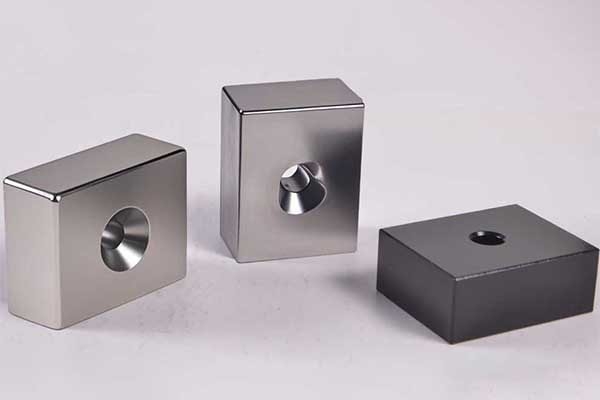
To prevent magnets from rusting, we apply protective coatings and select corrosion-resistant materials. At M-Magnet Company, we specialize in creating rust proof magnets using advanced surface treatments and alloy optimizations.
The most effective way to stop magnets from rusting is by coating them with materials[17] like nickel, zinc, or epoxy. These layers block moisture and oxygen from reaching the metal core. For extreme environments, stainless steel casings or rare earth magnets with alloy additives work best.
Comparing Rust Prevention Methods
| Method | Thickness | Salt Spray Test | Cost |
|---|---|---|---|
| Nickel Plating | 15-25μm | 48-72 hrs | $$ |
| Epoxy Coating | 50-100μm | 500+ hrs | $$$ |
| Stainless Steel | N/A | Unlimited | $$$$ |
Rust proof magnets require more than surface treatments. We test coatings under accelerated corrosion conditions using salt spray chambers. Nickel performs well for indoor applications but fails quickly in coastal areas. Epoxy coatings handle harsh environments better but add bulk.
Material selection matters too. We blend neodymium with cobalt to reduce iron content - the main rust culprit. For clients needing ultra-thin magnets, we use Parylene coatings. This polymer film is just 5-10μm thick but resists chemicals better than traditional options.
Environmental factors also play a role. We advise clients to avoid placing magnets where condensation occurs. In humid settings, we recommend combining zinc plating with silicone sealants. Our rust proof magnets for marine applications use triple-layer protection: copper undercoat, nickel middle layer, and acrylic topcoat.
Conclusion
Ceramic magnets stand out as the most common non-rustable magnets due to their excellent corrosion resistance, affordability, and high-temperature stability. However, considering factors like required strength, temperature conditions, and budget will help you choose the best magnet for your specific application.
Note:
[12]Elaborate about how neodymium magnet react with oxygen and how to prevent magnets from rusting.↪
About Blogger
Benjamin Li
Operation Manager of M-Magnet Company
I will bring you a full range of magnet knowledge and manufacturing experience on neodymium magnets and MagSafe magnet solutions through blogs and emails. I'm not an expert yet in magnets, but we have a whole team to help you solve technical issues, design drawing details, compatibility suggestions from magnetic assemblies, magnet purchasing and many other customized magnet solutions from China. You can follow my blogs on knowledge sharing or contact me for your own magnet solutions. We will always do the best.