How Do Electronics Magnets Work in Devices?
Are you curious why magnets are inside your electronics? Many wonder how these magnets help devices work. Understanding their role can clear confusion.
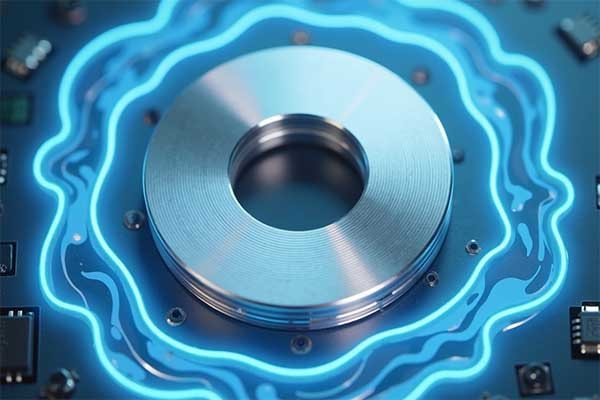
Electronics magnets, including permanent magnets and electromagnets, create magnetic fields that interact with electric currents. They power motors, speakers, data storage, and screens in devices like computers, phones, and TVs. Their magnetic fields convert electrical energy into motion, sound, or data signals.
Keep reading to discover which electronics use magnets and how they function.
Table of Contents
What electronics have magnets in them?

Many people use electronic devices daily but do not realize magnets are inside. This lack of knowledge can make the technology seem mysterious.
Magnets are found in many electronics such as speakers, televisions, computer hard drives, cooling fans, and electric motors. They help convert electrical energy into sound, images, motion, or data storage.
Magnets play an important role in electronics. Speakers use magnets to create sound by vibrating membranes. Televisions and computer screens use magnetic fields to control electron beams that form images. Hard disk drives store data by magnetizing tiny particles. Cooling fans in computers rely on magnets in their motors to spin and cool components. Electric motors in many devices use magnets to convert electrical energy into mechanical movement. These examples show magnets are everywhere in electronics.
Common Electronics Containing Magnets
| Device | Magnet Function | Magnet Type |
|---|---|---|
| Speakers | Create vibrations for sound | Permanent magnets (neodymium) |
| Televisions & Computer Screens | Control electron beams for images | Electromagnets |
| Hard Disk Drives | Store data magnetically | Magnetic particles on disks |
| Cooling Fans | Spin fan blades to cool parts | Permanent magnets in motors |
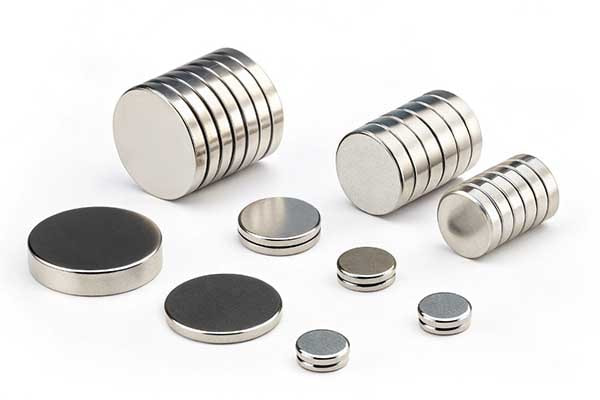
Magnets in electronics are often small but powerful. Neodymium magnets are common due to their strength and size. Electromagnets are used when the magnetic field needs to be controlled by electric current. Understanding these uses helps appreciate the role of electronics magnets.
How do magnets work inside electronic devices?
Magnets create magnetic fields, which are invisible forces around them. When electric current flows through coils near magnets, it changes the magnetic field. This change produces motion or sound.
For example, in speakers, magnets push and pull a diaphragm to create sound waves. In motors, magnets cause rotation by interacting with electric currents in coils. In data storage, magnets align tiny particles to represent digital information. These processes rely on the precise control of magnetic fields and electric currents.
How Magnetic Fields Interact with Electric Currents
| Process | Description |
|---|---|
| Magnetic Field Creation | Electric current in wire coils produces magnetic fields |
| Force Generation | Magnetic fields push or pull components, causing motion |
| Signal Conversion | Magnetic orientation stores or transmits data signals |
Magnets and electronics work together to convert energy forms. This conversion is essential for device functions like sound, movement, and data storage. The strength and control of magnets directly affect device performance.
Which type of magnet used in electronics?

Modern electronics face a constant challenge. They need powerful magnetic fields in tiny spaces. Traditional magnets simply cannot deliver the performance required for today's compact devices.
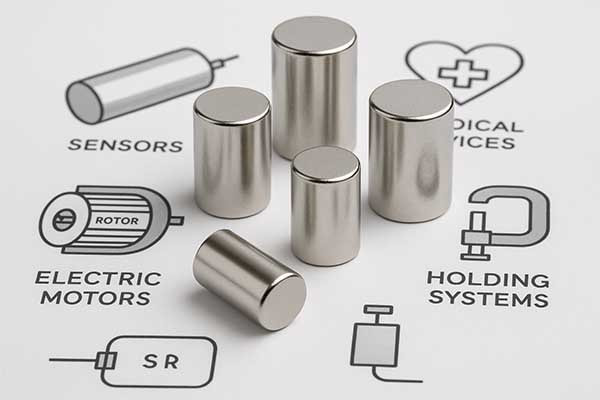
Electronics primarily use neodymium magnets, ferrite magnets, and samarium cobalt magnets. Neodymium magnets dominate the market due to their exceptional strength-to-size ratio, making them ideal for smartphones, headphones, and hard drives. Ferrite magnets serve cost-sensitive applications, while samarium cobalt magnets handle high-temperature environments.
The world of magnets in electronics extends far beyond basic attraction and repulsion. Different magnetic materials serve specific purposes based on their unique properties. Neodymium magnets have revolutionized electronic design since their commercial introduction in the 1980s. These rare earth magnets deliver magnetic strength up to ten times greater than traditional ferrite magnets.
M-Magnet specializes in producing high-grade neodymium magnets for electronic applications. The company focuses on precision manufacturing to meet the strict tolerances required by modern electronic devices.
Types of Electronic Magnets
| Magnet Type | Strength (MGOe) | Temperature Range | Common Applications |
|---|---|---|---|
| Neodymium | 35-52 | -65°C to 200°C | Smartphones, Speakers, Motors |
| Ferrite | 1-5 | -40°C to 250°C | Transformers, Inductors |
| Samarium Cobalt | 16-32 | -273°C to 350°C | Aerospace, Military |
Neodymium magnets stand out for their remarkable power density. These magnets contain neodymium, iron, and boron elements. The combination creates a crystalline structure that produces exceptional magnetic fields. Electronics manufacturers prefer neodymium magnets because they enable smaller device designs without sacrificing performance.
Ferrite magnets offer a different value proposition. They cost significantly less than rare earth alternatives. These ceramic magnets work well in applications where size matters less than budget constraints. Power supplies and transformers commonly use ferrite cores. The material handles high frequencies effectively while maintaining low cost.
Samarium cobalt magnets fill a specialized niche. They maintain magnetic strength across extreme temperature ranges. Military and aerospace applications rely on these magnets when environmental conditions exceed normal limits. The higher cost restricts their use to critical applications where reliability matters most.
The manufacturing process affects magnet performance significantly. Sintered magnets undergo compression and high-temperature treatment. This process creates dense, strong magnets suitable for demanding applications. Bonded magnets mix magnetic powder with polymer binders. They offer complex shapes but lower magnetic strength.
Electronic device designers must balance multiple factors when selecting magnets. Size constraints often drive the choice toward neodymium options. Cost considerations may favor ferrite alternatives. Temperature requirements can mandate samarium cobalt solutions. Each decision involves trade-offs between performance, cost, and application requirements.
Quality control becomes critical in electronic magnet production. Dimensional tolerances must stay within micrometers for proper device assembly. Magnetic strength variations can affect device performance. M-Magnet implements strict quality control measures throughout the manufacturing process to ensure consistent results.
How do electronic device use magnets?
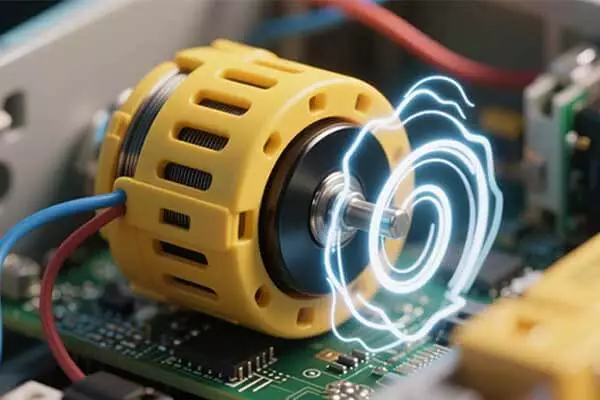
Electronic devices struggle with energy conversion and component operation. They need reliable methods to transform electrical energy into mechanical motion and back again. Traditional mechanical solutions often prove too bulky or inefficient for modern applications.
Electronic devices use magnets for speakers, motors, hard drives, sensors, and magnetic switches. Magnets convert electrical energy to mechanical motion in speakers and motors, store data in hard drives through magnetic fields, and enable proximity sensing in smartphones and tablets.
The applications of magnets in electronics span virtually every category of modern devices. From the smallest earbuds to large electric vehicle motors, magnetic principles enable core functionality. Understanding these applications reveals how deeply integrated magnetic technology has become in our daily lives.
Speakers represent one of the most visible uses of magnets in electronics. Every speaker contains a permanent magnet and an electromagnet. The permanent magnet creates a constant magnetic field. The electromagnet receives audio signals as varying electrical current. The interaction between these magnetic fields produces mechanical motion that moves the speaker cone and creates sound waves.
Electronic Device Magnet Applications
| Device Category | Magnet Function | Magnet Type | Performance Impact |
|---|---|---|---|
| Speakers | Sound Generation | Neodymium | Volume, Clarity |
| Hard Drives | Data Storage | Neodymium | Speed, Capacity |
| Electric Motors | Motion Generation | Various | Efficiency, Power |
| Sensors | Detection | Small Neodymium | Sensitivity, Range |
Hard disk drives showcase another critical application of magnets in electronics. These storage devices use magnetic fields to record digital information. The read/write heads contain tiny electromagnets that create precise magnetic patterns on spinning disks. Permanent magnets also control the actuator arm movement that positions the heads over specific data tracks.
Electric motors in electronic devices rely on magnetic interactions for operation. Brushless DC motors use permanent magnets on the rotor and electromagnets in the stator. The switching of electrical current in the stator coils creates rotating magnetic fields. These fields interact with the permanent magnets to produce continuous rotation.
Smartphones demonstrate the diverse ways modern electronics employ magnets. The speaker uses a small neodymium magnet for audio output. The vibration motor contains a tiny magnet that creates haptic feedback. Hall effect sensors detect when protective cases close by sensing magnetic fields. Some phones include magnetic wireless charging coils that align with charging pads.
Magnetic reed switches provide reliable switching without physical contact. These switches contain ferromagnetic contacts sealed in glass tubes. External magnetic fields cause the contacts to close or open. Electronic security systems use reed switches to detect door and window openings. The switches activate when magnets attached to moving parts come within range.
Transformers and inductors represent passive magnetic components essential to electronics. These components use magnetic cores to transfer energy between circuits. The cores concentrate magnetic flux and increase efficiency. Power supplies rely on transformers to convert AC voltage levels. Inductors filter electrical noise and store energy in switching circuits.
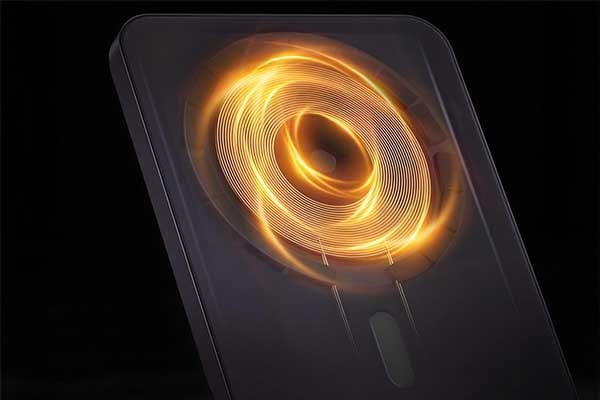
MagSafe technology exemplifies advanced magnet integration in consumer electronics. Apple developed this system using precise arrangements of magnets and alignment guides. The magnets ensure proper positioning for wireless charging while maintaining secure connections. M-Magnet produces compatible magnets that meet the strict specifications required for MagSafe applications.
Magnetic sensors enable precise position and motion detection in electronic devices. Hall effect sensors detect magnetic field changes and convert them to electrical signals. These sensors monitor motor speed, detect proximity, and measure current flow. Magnetometers in smartphones function as digital compasses by detecting Earth's magnetic field.
The miniaturization trend in electronics drives demand for stronger, smaller magnets. Device manufacturers constantly seek ways to reduce size while maintaining performance. Neodymium magnets enable this miniaturization by providing maximum magnetic strength in minimal space. The trend toward thinner smartphones and smaller wearables intensifies these requirements.
Quality considerations become paramount when magnets integrate into sensitive electronic circuits. Magnetic interference can disrupt nearby components and affect device performance. Proper shielding and careful placement prevent unwanted interactions. Manufacturers must consider magnetic field patterns during device design to avoid interference issues.
The future of magnets in electronics points toward even greater integration and specialization. Advanced manufacturing techniques enable custom magnet shapes and magnetic field patterns. Smart devices will likely incorporate more magnetic sensors and actuators. The ongoing development of new magnetic materials promises improved performance and expanded applications in electronic devices.
Do magnets still mess up electronics?

Many people worry about magnets damaging electronics, especially with modern devices all around us.
Yes, magnets can still interfere with certain electronics, but only under specific conditions. High-strength magnets may disrupt sensors or data in older devices, but most modern gadgets are built with shielding and protection.
Understanding Magnetic Interference in Modern Electronics
The fear of magnets ruining electronics came mostly from older technology. CRT televisions and floppy disks were vulnerable to magnetic fields. A strong magnet could distort the screen or erase data. But today’s devices are built differently. Solid-state drives, LCD displays, and most wireless technologies are resistant to casual magnetic interference.
That said, magnets still play an important role in many devices. For example, electronics magnets are used inside smartphones, speakers, wireless chargers, and more. In wireless chargers, magnets help align the phone with the charging coil. This is how MagSafe technology works.
However, if a neodymium magnet gets too close to a compass sensor or Hall sensor, it might cause misreadings. Very strong magnets near pacemakers, magnetic strips on credit cards, or older hard drives can still cause problems.
At M-Magnet, we design magnets for electronic devices with shielding and safety in mind. Our magnets are widely used in consumer electronics and meet performance and safety standards for American and European markets.
Examples of Electronics Affected by Magnets
| Device Type | Effect of Magnet | Level of Risk |
|---|---|---|
| Smartphone | Possible compass distortion | Low |
| Credit Card | May erase magnetic strip | Medium |
| Pacemaker | Can interfere with operation | High |
Even though modern electronics are safer, you should not place high-strength electronics magnets directly against delicate sensors, cards, or medical devices. Engineers still factor magnetic shielding into product design. The goal is to ensure that magnets like those used in M-Magnet’s wireless charging solutions perform reliably without unwanted side effects.
Magnets are tools. When used right, they help devices work better. When used wrong, they can still cause issues. The answer is balance, understanding, and safe integration.
How Can I Safely Use Electronics Magnets at Home?
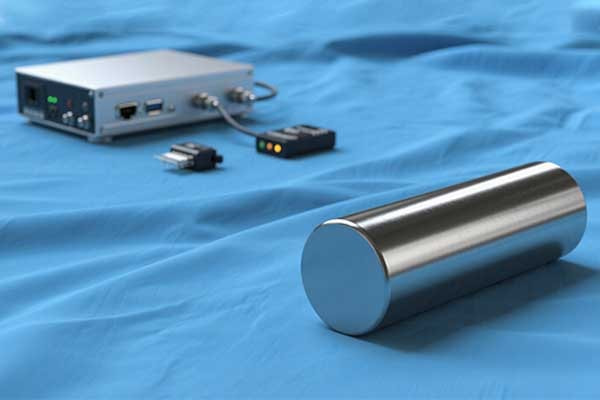
When people start using magnets at home, especially strong ones, they often don’t know what’s safe and what’s not.
You can safely use electronics magnets at home by avoiding contact with sensitive components and following basic distance and strength guidelines. Keep magnets away from devices with magnetic storage or sensitive sensors unless they are part of the design.
Practical Safety Guidelines for Home Magnet Use
Magnets are common in homes today. We find them in phone holders, smart home devices, Bluetooth speakers, and even kitchen cabinets. But the growing use of strong neodymium magnets requires a few safety habits.
Most electronics are built to handle low-level magnetic fields. A MagSafe phone case, for example, uses magnets near sensors and charging coils. These magnets are precisely positioned and tested. But using loose magnets, especially powerful disc magnets, can cause problems if placed near items that aren’t built for magnetic exposure.
At M-Magnet, we manufacture precision-cut, coated magnets for safe use in electronics. Our clients in America and Europe rely on us to supply magnets for phone accessories, charging docks, and other smart gadgets.
Safe Practices for Using Electronics Magnets at Home
| Tip | Why It Matters |
|---|---|
| Keep magnets away from credit cards | Avoid erasing magnetic data strips |
| Do not place magnets near medical devices | Prevent interference with pacemakers |
| Avoid sliding loose magnets across device screens | Protect LCD or OLED surfaces |
| Use professionally designed magnetic accessories | Ensure safe strength and alignment |
Not all magnets are made equally. A magnet made for industrial motors is not suitable for daily consumer use. That’s why custom solutions matter. If you're integrating magnets into home gadgets, it’s best to use magnets with coating, precision cutting, and proper grade for the application.
We’ve helped brands design safer magnetic holders, wireless charging units, and magnet-based mounting systems. The goal is to blend performance with protection. With electronics magnets, safety starts with material design and proper integration — not guesswork.
For personal or commercial use at home, always ask: "What is the magnet near, and how strong is it?" If used with care, electronics magnets can be both powerful and perfectly safe.
Why are magnets important in electronic appliances?
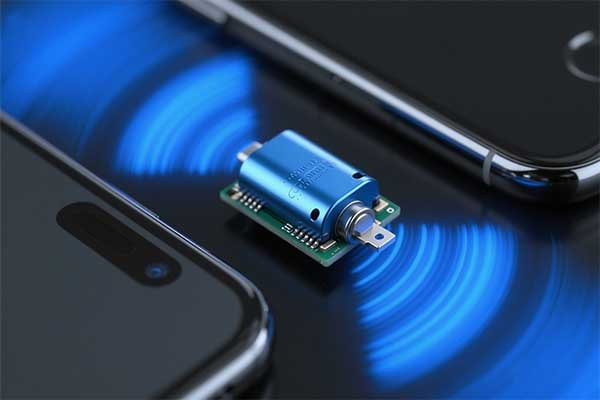
Many people use electronics daily but don’t see the magnets inside. This section helps explain how magnets make devices work better.
Magnets are vital in electronic appliances because they create fields that control motion, convert electricity, and support sound and storage functions. Without them, many components would stop working.
Magnets have many uses inside electronic products. They are inside motors, speakers, sensors, fans, and storage drives. Devices use them to move parts, hold circuits, or send signals. The use of magnets lets phones vibrate, drives spin, and speakers play sound. Most magnets in electronics are neodymium types. These are small but very strong. They provide stable force in small circuits.
Small appliances like blenders and electric toothbrushes use spinning magnets to rotate parts. Computers use magnets in hard disk drives to read and write data. Earbuds use magnets to control sound vibrations. Each use depends on magnetic force. Electronics rely on it to turn voltage into action. Makers of strong custom magnets, such as M-Magnet, design magnets for specific field strength and size. They test each magnet in real loads to avoid failure. That means higher success rates in devices.
Common Applications of Magnets in Electronics
| Device Type | Magnet Role | Magnet Type |
|---|---|---|
| Smartphones | Speaker sound, vibration motors | Neodymium |
| Laptops | Hard drives, screen lid sensors | Alnico, Neodymium |
| Earbuds/Headphones | Sound coils interaction | Ferrite, Neodymium |
| Washing Machines | Motor drive & load sensor | Ferrite |
The use of magnets also helps create non-contact movement. In electric toothbrushes and induction cooktops, magnetic fields create action from a distance. No touching parts. That reduces wear and cuts noise. This kind of design works best when magnets are stable and thin. Engineers often choose custom magnets made by M-Magnet to fit inside tight shells. In laptops, magnets help lock the lid shut and trigger screen sleep mode. Some phones use magnets in charging ports or MagSafe units.
Even in energy-saving devices, the use of magnets keeps current under control. Some power supplies use magnetic coils and sensors to limit flow and protect devices. Magnet-based switches can sense position or voltage. These sensors are quiet and fast. Magnets do not lose power over time. That makes them useful inside smart homes and electric cars.
Good magnet choice comes from knowing strength, shape, and temperature needs. Bad design leads to overheating, loose fit, or sudden force loss. This affects both user safety and product life. So every modern device needs strong magnets that are matched to their task. These magnets often last longer than the other parts they power.
Conclusion
Electronics magnets, including permanent neodymium magnets and electromagnets, are key to device functions like sound, motion, and data storage. They convert electrical energy into useful forms. Magnets appear in speakers, screens, motors, and hard drives. Understanding their role helps appreciate modern electronics better.
About Blogger
Benjamin Li
Operation Manager of M-Magnet Company
I will bring you a full range of magnet knowledge and manufacturing experience on neodymium magnets and MagSafe magnet solutions through blogs and emails. I'm not an expert yet in magnets, but we have a whole team to help you solve technical issues, design drawing details, compatibility suggestions from magnetic assemblies, magnet purchasing and many other customized magnet solutions from China. You can follow my blogs on knowledge sharing or contact me for your own magnet solutions. We will always do the best.