How to Make a Magnet in a Factory?
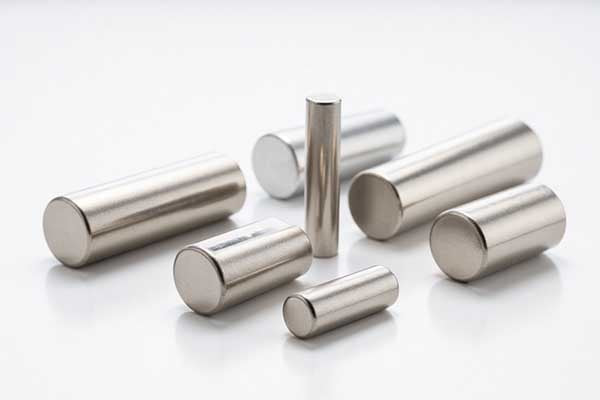
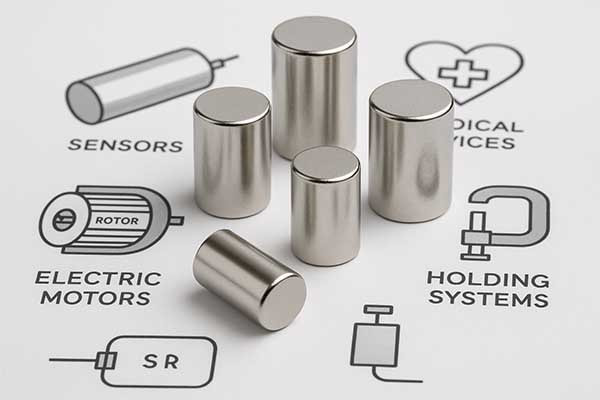
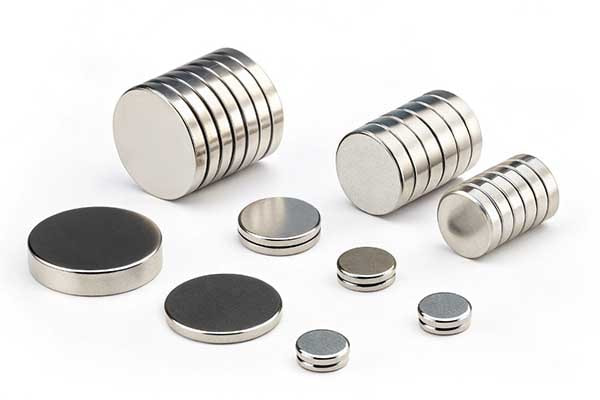
Are you puzzled about how magnets are made in factories? Many wonder if magnets come directly from the earth or if they are manufactured. Understanding the process clears confusion.
Magnets are both mined as raw materials and carefully made through advanced manufacturing steps. Factories refine rare-earth ores like neodymium, mix them with metals, form alloys, press powders, sinter, machine, and magnetize the final products to create strong magnets.
Read on to learn how magnets start as mined materials and become powerful electronics magnets in factories.
Table of Contents
Are magnets mined or made?
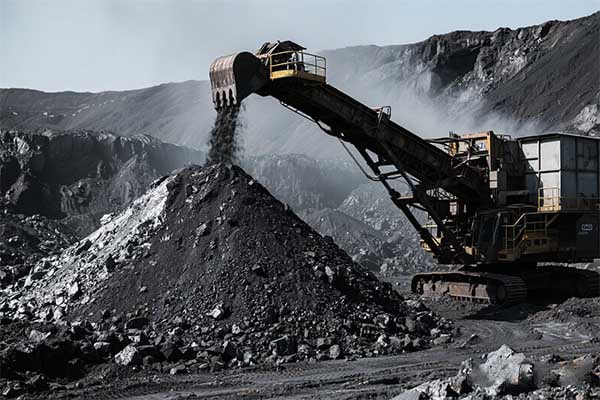
Many people think magnets come straight from the ground, but this is only partly true. This confusion makes it hard to understand magnet production.
Magnets start from mined rare-earth metals like neodymium, but the actual magnets are made in factories through complex processes that turn raw metals into finished magnetic products.
Rare-earth metals such as neodymium are mined from large deposits, mainly in China and some other countries. These ores contain neodymium mixed with other elements. Mining extracts the raw materials, which are then crushed and refined to separate neodymium and other rare earths. The pure metals are not magnets yet.
Factories combine neodymium with iron, boron, and sometimes cobalt or nickel to form alloys. These alloys are the base for making permanent magnets. So, magnets are not simply mined; they are made by transforming mined metals into magnetic materials through manufacturing.
From Mining to Magnet Manufacturing
| Stage | Description |
|---|---|
| Mining | Extraction of rare-earth ores like neodymium |
| Refining | Separating neodymium and purifying metals |
| Alloy Formation | Mixing neodymium with iron, boron, and other elements |
| Magnet Manufacturing | Powder metallurgy, pressing, sintering, machining, magnetizing |
This process shows how magnets are both mined and made. The keyword how to make a magnet fits well here because it involves turning mined metals into manufactured magnets.
What are the main steps to make a magnet in a factory?
Making magnets in factories involves mining raw materials, refining metals, creating alloys, powdering, pressing under magnetic fields, sintering, machining, coating, and finally magnetizing the product.
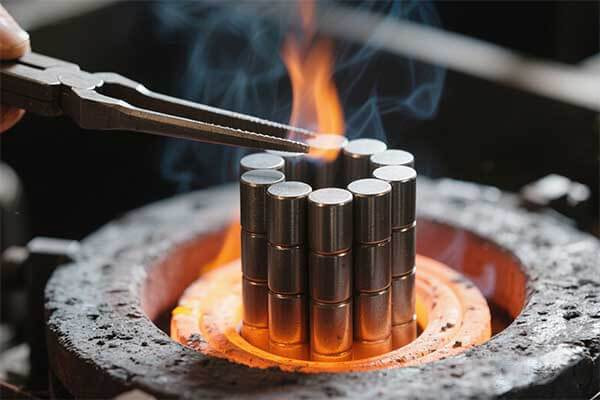
The process starts with rare-earth ore mining and refining. Then, the purified metals are melted and cast into ingots or ribbons. These are crushed into fine powders. The powders are aligned in a magnetic field and pressed into shapes. After pressing, magnets are sintered at high temperatures to fuse particles. Next, machining shapes the magnets precisely. Coatings protect against corrosion. The last step is magnetizing, where magnets gain their magnetic power by exposure to strong magnetic fields.
Key Manufacturing Steps of Neodymium Magnets
| Step | Description |
|---|---|
| Ore Mining & Refining | Extract and purify neodymium and other metals |
| Alloy Production | Mix metals and cast into ingots or ribbons |
| Powder Preparation | Crush and mill alloys into fine powder |
| Pressing & Sintering | Press powder under magnetic field, then heat to fuse |
| Machining & Coating | Shape magnets and add protective layers |
| Magnetizing | Expose magnets to strong magnetic fields to activate |
Each step is critical to ensure magnets have strong, stable magnetic properties. The keyword how to make a magnet is central to understanding these detailed manufacturing phases.
How are magnets made naturally?

Factory owners struggle with understanding natural magnet formation. They need this knowledge to improve their industrial processes. Without understanding natural magnetism, manufacturers cannot optimize their production methods.
Natural magnets form through geological processes over millions of years. Magnetite ore develops magnetic properties when exposed to Earth's magnetic field during cooling. Lightning strikes can also magnetize iron-rich rocks instantly. These natural processes inspire modern magnet manufacturing techniques used in factories today.
The formation of natural magnets provides crucial insights for modern magnet manufacturing operations. Nature creates magnets through two primary mechanisms that factories now replicate on industrial scales. Understanding these natural processes helps manufacturers develop better production techniques and quality control systems.
Magnetite represents the most common naturally occurring magnetic material. This iron oxide mineral forms deep within Earth's crust through various geological processes. When molten rock containing iron cools slowly, the iron atoms align with Earth's magnetic field. This alignment creates permanent magnetism that can last for millions of years.
Natural Magnet Formation Processes
| Formation Method | Time Required | Magnetic Strength | Industrial Application |
|---|---|---|---|
| Geological Cooling | Millions of Years | Moderate | Heat Treatment Inspiration |
| Lightning Strike | Seconds | Variable | Pulse Magnetization |
| Tectonic Pressure | Thousands of Years | High | Compression Techniques |
Lightning strikes create another fascinating natural magnetization process. When lightning hits iron-rich rocks or metal objects, the intense electrical current generates powerful magnetic fields. These fields can permanently magnetize the material in mere seconds. This natural phenomenon inspired the development of pulse magnetization techniques used in modern neodymium magnet manufacturing.
Tectonic forces also contribute to natural magnet formation. When rock layers containing iron undergo extreme pressure and temperature changes, the crystal structure can reorganize. This reorganization allows iron atoms to align more effectively with magnetic fields. The process takes thousands of years but creates some of the strongest natural magnets found on Earth.
M-Magnet studies these natural processes to enhance factory production methods. The company applies lessons learned from geological magnetization to improve manufacturing efficiency and product quality.
The Curie temperature plays a critical role in natural magnet formation. This temperature represents the point where materials lose their magnetic properties. During natural cooling processes, materials must pass through their Curie temperature slowly to maintain magnetic alignment. Factory processes replicate this slow cooling to create stable permanent magnets.
Crystal structure determines how effectively natural materials can become magnetized. Iron, nickel, and cobalt have crystal structures that allow easy magnetic domain alignment. Other materials lack this favorable structure and cannot become strongly magnetized. Modern neodymium magnet manufacturing exploits these structural differences to create alloys with superior magnetic properties.
Earth's magnetic field provides the external force needed for natural magnetization. This relatively weak field requires long exposure times to create permanent magnetism in natural materials. Factory magnetization uses much stronger electromagnetic fields to achieve the same results in minutes rather than millennia.
Natural magnet formation also depends on the presence of magnetic domains within materials. These microscopic regions contain aligned atomic magnetic moments. External magnetic fields cause these domains to align in the same direction, creating overall magnetism. Understanding domain behavior helps manufacturers optimize their magnetization processes.
The study of natural magnetism reveals important insights about magnetic stability. Natural magnets can maintain their properties for geological time periods when properly formed. This stability comes from favorable crystal structures and gradual formation processes that minimize internal stress. Modern neodymium magnet manufacturing incorporates these principles to create long-lasting permanent magnets.
Environmental factors significantly influence natural magnet formation. Temperature variations, chemical composition, and external magnetic fields all affect the final magnetic properties. Factory environments allow precise control of these variables to achieve consistent results. This control enables mass production of magnets with predictable characteristics.
How to make custom magnets?
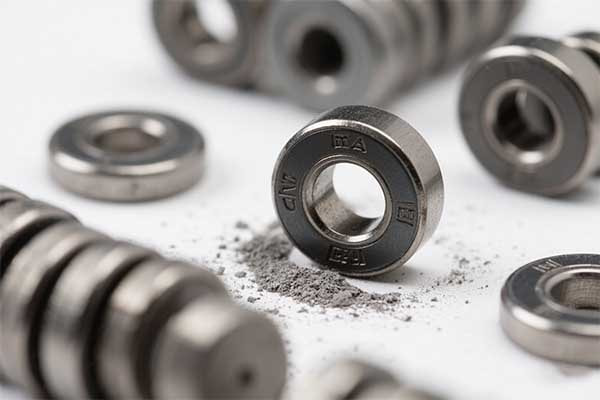
Manufacturers face increasing demands for specialized magnetic solutions. Standard magnets cannot meet every application requirement. Custom magnet production requires advanced techniques and careful planning to achieve desired specifications.
Custom magnets are made through powder metallurgy, injection molding, or machining processes. Manufacturers mix magnetic powders with binders, shape them using molds or cutting tools, then apply heat treatment and magnetization. The process varies based on magnet type, size, and performance requirements for specific applications.
Custom magnet manufacturing represents one of the most complex aspects of modern magnet manufacturing. The process requires careful consideration of material selection, production methods, and quality control measures. Each custom magnet project presents unique challenges that demand specialized solutions and expertise.
The powder metallurgy process dominates custom neodymium magnet production. Raw materials including neodymium, iron, and boron are melted together in vacuum furnaces. The molten alloy is rapidly cooled to form brittle ingots. These ingots undergo crushing and milling to create fine powder particles with controlled size distributions.
Custom Magnet Production Methods
| Production Method | Complexity Level | Typical Applications | Lead Time |
|---|---|---|---|
| Powder Metallurgy | High | Neodymium Magnets | 3-4 Weeks |
| Injection Molding | Medium | Complex Shapes | 2-3 Weeks |
| Machining | Low | Prototypes | 1-2 Weeks |
| 3D Printing | Emerging | Research | 1 Week |
Die pressing shapes the magnetic powder into desired forms. The powder fills precision dies under controlled atmospheric conditions. Hydraulic presses apply tremendous pressure to compact the powder into solid shapes. The pressing force must be optimized to achieve proper density without damaging the magnetic domains within the powder particles.
Sintering represents the most critical step in custom magnet manufacturing. The pressed parts enter high-temperature furnaces under protective atmospheres. The sintering process fuses powder particles together while maintaining magnetic properties. Temperature profiles must be precisely controlled to prevent grain growth that could reduce magnetic performance.
The magnet manufacturing company maintains extensive tooling libraries and can create new dies for unique shapes and sizes. Their engineering team works closely with customers to optimize designs for both performance and manufacturability.
Heat treatment follows sintering to optimize magnetic properties. The sintered magnets undergo controlled cooling cycles that promote proper crystal structure formation. Different cooling rates produce different magnetic characteristics. Rapid cooling can increase coercivity while slower cooling may improve remanence values.
Machining operations refine custom magnet dimensions to tight tolerances. Diamond-coated cutting tools handle the brittle nature of sintered magnetic materials. Grinding operations achieve surface finishes required for specific applications. Wire EDM cutting enables complex internal geometries that cannot be achieved through conventional machining.
Surface treatments protect custom magnets from corrosion while maintaining their magnetic properties. Nickel plating provides excellent corrosion resistance for most applications. Epoxy coatings offer chemical resistance for harsh environments. Passivation treatments create thin oxide layers that prevent further oxidation.
Magnetization transforms the manufactured parts into functional magnets. Pulse magnetizers generate intense magnetic fields that align magnetic domains within the material. The magnetization pattern can be customized for specific applications. Multi-pole magnetization creates complex field patterns for specialized motors and sensors.
Quality control ensures custom magnets meet specification requirements. Dimensional measurements verify geometric accuracy using coordinate measuring machines. Magnetic property testing confirms field strength and coercivity values. Surface quality inspection identifies defects that could affect performance or durability.
Design optimization plays a crucial role in custom magnet manufacturing. Engineers analyze magnetic field requirements and operating conditions to select optimal materials and geometries. Finite element analysis predicts magnetic field distributions and helps optimize designs before manufacturing begins.
Cost considerations influence custom magnet design and production methods. High-volume orders justify expensive tooling investments for powder metallurgy processes. Low-volume requirements may favor machining from standard magnet blanks. Material costs vary significantly between different magnetic alloys and must be balanced against performance requirements.
Lead times for custom magnets depend on complexity and production methods. Simple machined parts can be completed within days. Complex sintered shapes require weeks for tooling preparation and processing. New alloy development for specialized applications may require months of testing and optimization.
The future of custom magnet manufacturing points toward increased automation and digital integration. Advanced manufacturing techniques like 3D printing show promise for rapid prototyping of magnetic components. Digital twin technology enables virtual testing of magnet designs before physical production begins. These innovations will continue to expand the possibilities for custom magnetic solutions across various industries.
How to convert iron to magnet?
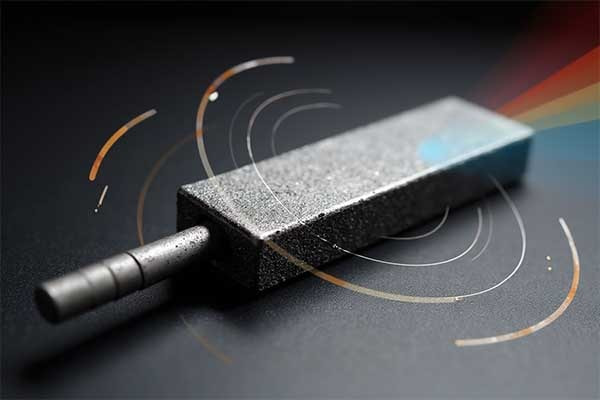
Have you ever wondered how are magnets made from common metals? Iron, a common metal, can become a magnet. The process involves aligning tiny magnetic regions. This changes a normal piece of iron into a powerful magnet.
To convert iron to a magnet, you need to align its magnetic domains. This happens by exposing the iron to a strong external magnetic field. Heating the iron and then cooling it in a magnetic field can also magnetize it permanently. Striking the iron while it is in a magnetic field is another method. The process ensures the iron retains its magnetic properties.
Understanding how are magnets made from iron involves looking at its internal structure. Iron is a ferromagnetic material. This means it has tiny regions called magnetic domains. Each domain acts like a tiny magnet itself. In unmagnetized iron, these domains point in random directions. Their magnetic effects cancel each other out. So, the iron does not act as a magnet.
To make iron into a magnet, we need to align these domains. One common method is to place the iron in a strong external magnetic field. This field comes from another powerful magnet or an electromagnet. The external field forces the domains within the iron to align with it. When the external field is removed, the domains tend to stay aligned. This gives the iron its magnetic properties. The stronger the external field, the more aligned the domains become. This results in a stronger permanent magnet.
Another way to magnetize iron involves heat. If you heat iron to a very high temperature, its magnetic domains become very disorganized. Then, if you cool the iron slowly while it is in a strong magnetic field, the domains will align with the field as it cools. Once the iron is cold, the domains are "locked" in their aligned positions. This creates a permanent magnet. This process is important in factories like ours, M-Magnet Company, where we specialize in neodymium magnet manufacturing. We use precise control over temperature and magnetic fields. This ensures the highest quality and strongest magnets.
Mechanical methods can also help. Repeatedly stroking a piece of iron in one direction with an existing magnet can also align the domains. Each stroke helps to orient more domains in the same direction. This is a simpler method but usually produces weaker magnets compared to industrial processes. Our magnet customized solutions leverage advanced techniques to create magnets with specific strengths and properties. This ensures they meet diverse industrial and consumer needs.
Techniques for Converting Iron to a Magnet
| Method | Description | Typical Result |
|---|---|---|
| External Magnetic Field | Placing iron in a strong magnetic field from another magnet or electromagnet. | Creates a permanent magnet; strength depends on the external field. |
| Heat Treatment and Magnetic Field | Heating iron past its Curie temperature, then cooling it in a magnetic field. | Produces strong, stable permanent magnets, often used in industrial settings. |
| Stroking with a Magnet | Repeatedly rubbing an existing magnet in one direction across the iron. | Creates a temporary or weaker permanent magnet; common for simple DIY. |
| Electromagnetic Coil | Wrapping wire around iron and passing an electric current through the wire. | Creates an electromagnet; magnetizes the iron only when current flows. |
How did ancient people make magnets?
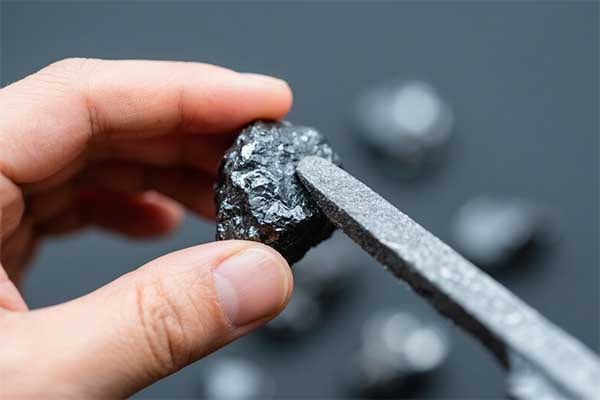
Before factories and modern tools, people found ways to work with natural magnetic materials.
Ancient people did not make magnets the way factories do today. They used naturally magnetized rocks like lodestone, discovered through observation, and sometimes enhanced them by rubbing with iron or exposing them to lightning.
Exploring Early Magnetic Knowledge and Practices
Magnetism is not a modern discovery. Thousands of years ago, people already noticed that some stones could attract metal. These stones, called lodestones, were naturally occurring forms of magnetite—a mineral that sometimes becomes magnetized by the Earth’s magnetic field or lightning strikes. These were the first known permanent magnets.
The Chinese are among the earliest recorded users of magnetic materials. Over 2,000 years ago, they used lodestones as direction finders by suspending them on strings or floating them in water. These simple compasses were early navigation tools. Around the same time, Greeks and Indians also studied magnetic rocks, mostly for philosophical and observational purposes.
Ancient people could not manufacture magnets the way we do now. They relied on finding and using what nature provided. They noticed that when they rubbed a piece of iron with lodestone, the iron sometimes gained a weak magnetic force. This rubbing technique was one of the first forms of “magnet making,” although the magnetism was often temporary or weak.
Today, the process is highly advanced. In modern factories like M-Magnet, permanent magnets are produced using rare-earth materials such as neodymium, iron, and boron. These materials are mixed, sintered, cut, and magnetized under controlled conditions. The final products are stronger, more reliable, and customizable for specific uses.
The comparison between ancient and modern practices shows how technology has evolved from simple observations to advanced engineering. The focus has shifted from discovery to precision.
Comparison Between Ancient and Modern Magnet Production
| Time Period | Method | Material Used | Magnetic Strength |
|---|---|---|---|
| Ancient | Natural lodestone discovery, rubbing with iron | Lodestone, iron | Very weak |
| Modern | Sintering and magnetizing engineered alloys | Neodymium, iron, boron (NdFeB) | Extremely strong |
What ancient people achieved with observation and natural materials laid the foundation for today's magnetic science. Though they did not have access to rare earth elements or furnace sintering, their work with early permanent magnets helped start the journey. Today, the process is refined through industrial control and precision, where permanent magnets are not only created but also tailored for specific uses like electronics, motors, and medical applications.
Understanding this timeline helps us see how human knowledge of magnetic materials evolved. The methods changed, but the curiosity remained the same.
How to make a DIY magnet?
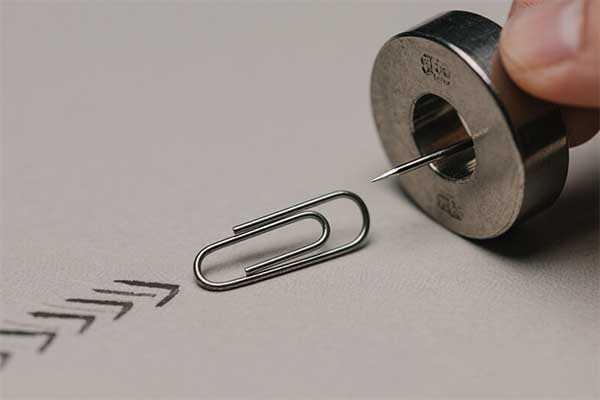
Want to know how are magnets made at home? Making a DIY magnet is simple. You can use common items around your house. This project helps you understand basic magnetism.
To make a DIY magnet, you can rub a piece of ferrous metal like a steel paperclip or needle repeatedly in one direction with an existing strong magnet. Each stroke aligns the tiny magnetic domains within the metal, gradually magnetizing it. Another method involves wrapping wire around a nail and connecting it to a battery to create a temporary electromagnet.
Creating a magnet at home is a fun and educational activity. It helps to show the basic principles of magnetism. There are a few easy ways to make a temporary magnet yourself. One of the simplest methods involves using a strong existing magnet and a small piece of steel, like a paperclip or a sewing needle.
First, take the steel item. Then, pick up your strong magnet. Rub the magnet along the steel item in only one direction. Do not rub back and forth. You should lift the magnet away from the steel at the end of each stroke. Then, bring it back to the starting point. Repeat this action many times, perhaps 30 to 50 times. Each stroke helps to align the tiny magnetic regions, called domains, inside the steel. As more and more of these domains point in the same direction, the steel becomes magnetized. You can test your new magnet by seeing if it can pick up small metal objects, like other paperclips. This DIY magnet will likely be temporary. It will lose its magnetism over time. Shaking or dropping it can also make it lose its magnetic properties faster.
Another way to make a DIY magnet is to create a simple electromagnet. You will need a large iron nail, some insulated copper wire, and a D-cell battery. First, wrap the copper wire tightly around the nail. Make sure the coils are close together. Leave a few inches of wire loose at each end. Then, connect one end of the wire to the positive terminal of the battery. Connect the other end to the negative terminal. As electricity flows through the wire, it creates a magnetic field around the nail. The nail then acts as a magnet. This type of magnet is temporary. It only works when the electricity is flowing. Once you disconnect the battery, the nail loses its magnetism.
These DIY methods demonstrate the basic science behind how are magnets made. While these homemade magnets are simple, they show the fundamental concepts used in factories like M-Magnet Company. We use much more sophisticated methods, like specialized furnaces and extremely powerful electromagnetic fields. This allows us to produce high-strength permanent magnets, such as neodymium magnets. From a small DIY project to industrial production, the core idea of aligning magnetic domains remains the same.
Simple DIY Magnet Making Methods
| Method | Materials Needed | Process Overview |
|---|---|---|
| Stroking Method | Existing strong magnet, steel paperclip/needle. | Rub magnet repeatedly in one direction on steel item. |
| Electromagnet Method | Large iron nail, insulated copper wire, D-cell battery. | Wrap wire around nail, connect ends to battery terminals. |
Conclusion
Magnets start as mined rare-earth metals but are mostly made in factories through complex steps. These include refining, alloying, powdering, pressing, sintering, machining, and magnetizing. The magnetizing process aligns magnetic domains, giving magnets their power. Knowing how to make a magnet helps appreciate the advanced technology behind electronics magnets.
About Blogger
Benjamin Li
Operation Manager of M-Magnet Company
I will bring you a full range of magnet knowledge and manufacturing experience on neodymium magnets and MagSafe magnet solutions through blogs and emails. I'm not an expert yet in magnets, but we have a whole team to help you solve technical issues, design drawing details, compatibility suggestions from magnetic assemblies, magnet purchasing and many other customized magnet solutions from China. You can follow my blogs on knowledge sharing or contact me for your own magnet solutions. We will always do the best.