Top 5 Medical Magnet Products for Home Use

Are you struggling with pain or discomfort at home? Many people feel frustrated when traditional methods do not work. Magnetic products may offer a fresh solution.
The top 5 medical magnet products for home use include magnetic bracelets, cupping sets, therapy patches, necklaces, and chair pads. These products use neodymium magnets and are designed to support comfort, wellness, and pain relief at home. Always consult your doctor before use.
Explore the details below to find out which medical magnet product could be right for you.
Table of Contents
What are medical magnets?
Many people experience pain or discomfort that does not respond to typical treatments. This can cause stress and confusion. Medical magnets are marketed as a potential solution for these problems.
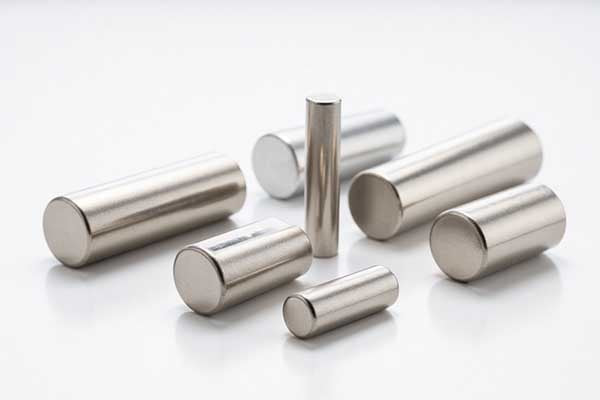
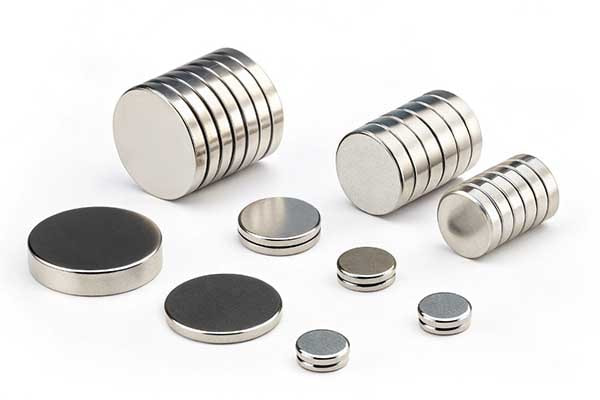
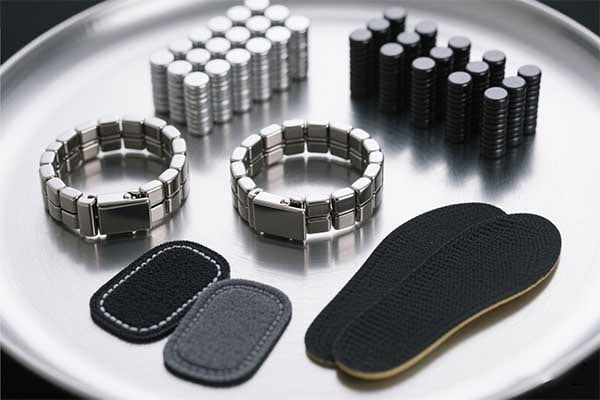
Medical magnets are permanent or static magnets, often made from neodymium, ferrite, or samarium cobalt. They are used in products like bracelets, insoles, and patches, aiming to relieve pain or improve wellness. However, scientific evidence supporting their effectiveness is limited.
Medical magnets, sometimes called medical magnet therapy products, are widely available. These magnets are used in bracelets, necklaces, insoles, and even bedding.
Most medical magnets for home use are static, meaning they do not require electricity. Neodymium magnets are the most common type due to their strength and durability. Some proponents claim that medical magnets can help with arthritis, back pain, and sleep issues. However, major health organizations state that there is no conclusive scientific proof that medical magnets can cure or prevent disease.
Types of Medical Magnets Used in Home Products
| Magnet Type | Common Use | Key Feature |
|---|---|---|
| Neodymium | Bracelets, patches, insoles | Strong, compact |
| Ferrite | Mattress pads, belts | Affordable, corrosion-resistant |
| Samarium Cobalt | Medical devices | High temperature stability |
Medical magnet products are easy to use at home. Most require no special training. People should be aware that medical magnets are not a replacement for professional medical advice. If you have a pacemaker or other medical device, always consult your doctor before using any magnetic product.
How do medical magnets work?
Pain affects millions of people every day. Many search for natural solutions. Medical magnets offer a drug-free approach to wellness that catches attention worldwide.
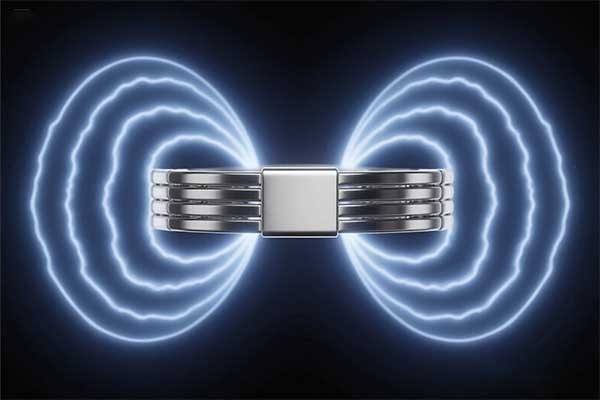
Medical magnets work by creating magnetic fields that may influence blood flow and cellular activity in the body. The magnetic field penetrates tissue and potentially affects iron-rich blood cells, nerve signals, and cellular metabolism. This interaction could help reduce inflammation and promote healing processes naturally.
The science behind medical magnets involves several key mechanisms that researchers continue to study. When you place a magnet on your skin, it creates a magnetic field that extends into your body tissues. This field interacts with the iron in your blood cells, which makes up about 4% of your blood's total composition. The magnetic attraction may cause slight changes in blood flow patterns, potentially improving circulation in the targeted area.
Nerve function also plays a role in how medical magnets work. The magnetic field may influence electrical signals that travel through your nervous system. Some studies suggest that magnets can affect the way nerves send pain signals to your brain. This could explain why some people experience pain relief when using therapeutic magnets for extended periods.
Cellular Response to Magnetic Fields
At the cellular level, magnetic fields may trigger several biological responses. Your cells contain tiny magnetic particles called magnetosomes, which are sensitive to external magnetic forces. When exposed to magnetic fields, these particles may influence cellular processes like protein synthesis and enzyme activity. This cellular response could contribute to the healing effects that some users report.
The piezoelectric effect represents another possible mechanism. This effect occurs when mechanical stress creates electrical charges within tissues. Magnetic fields may create subtle mechanical forces that generate these electrical charges, potentially stimulating cellular repair and regeneration processes.
Magnetic Field Strength Comparison
| Magnet Type | Field Strength (Gauss) | Penetration Depth |
|---|---|---|
| Ceramic Magnets | 800-1,200 | 2-3 inches |
| Neodymium Magnets | 2,000-4,000 | 4-6 inches |
| Rare Earth Magnets | 3,000-5,000 | 5-7 inches |
Different types of magnets create varying field strengths and penetration depths. M-Magnet specializes in producing high-quality neodymium magnets that offer optimal field strength for therapeutic applications. The strength of a magnetic field determines how deeply it can penetrate into your body tissues and how strongly it interacts with biological systems.
Research shows that stronger magnetic fields generally produce more noticeable effects, but the relationship is not always linear. Some studies indicate that moderate field strengths may be more effective than extremely strong ones for certain applications. The duration of exposure also matters significantly. Short-term exposure may produce temporary effects, while longer exposure periods could lead to more lasting changes in tissue behavior.
What Are the Benefits of Medical Magnets?
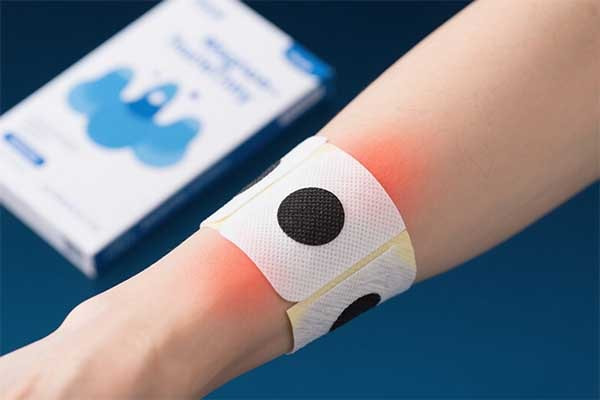
Chronic pain limits daily activities for countless individuals. Traditional treatments often come with side effects. Medical magnets present an alternative approach that many people find helpful for various health concerns.
Medical magnets may provide several health benefits including pain relief, improved circulation, reduced inflammation, and enhanced healing. Users report decreased joint stiffness, better sleep quality, and increased mobility. These benefits stem from the magnetic field's interaction with body tissues and cellular processes, though individual results vary significantly.
Pain management represents the most commonly reported benefit of therapeutic magnets. Users often experience reduced pain intensity in areas like the back, knees, shoulders, and neck. The pain relief typically develops gradually over days or weeks of consistent use. Many people find that magnetic therapy works best when combined with other wellness practices like gentle exercise and proper nutrition.
Circulation improvement is another significant benefit that users frequently mention. Better blood flow can help deliver oxygen and nutrients to tissues more efficiently. This enhanced circulation may contribute to faster healing of minor injuries and reduced muscle tension. Some people notice that their hands and feet feel warmer when using magnetic products regularly.
Inflammation Reduction and Healing
Inflammation plays a central role in many health conditions, from arthritis to sports injuries. Therapeutic magnets may help reduce inflammatory responses in affected tissues. The magnetic field could influence immune cell behavior and reduce the production of inflammatory substances. This anti-inflammatory effect may explain why some users experience reduced swelling and improved joint mobility.
Sleep quality improvements represent an unexpected benefit that many users discover. Better sleep often results from reduced pain and muscle tension. When your body feels more comfortable, it becomes easier to fall asleep and stay asleep throughout the night. Quality sleep is essential for healing and overall health, creating a positive cycle of improvement.
Energy levels may also increase with regular use of medical magnets. When pain decreases and sleep improves, many people naturally feel more energetic during the day. This increased energy can motivate you to become more active, which further supports your overall health and well-being.
Common Benefits and Timeline
| Benefit Type | Typical Timeline | Success Rate |
|---|---|---|
| Pain Relief | 1-4 weeks | 60-80% |
| Improved Circulation | 2-6 weeks | 50-70% |
| Better Sleep | 1-3 weeks | 40-60% |
Individual responses to magnetic therapy vary considerably. Some people notice benefits within days, while others may need several weeks of consistent use. Age, overall health status, and the specific condition being treated all influence how quickly you might experience results. The quality of the magnets also plays a crucial role in effectiveness.
Safety considerations are important when using medical magnets. Most people can use them safely, but certain groups should avoid magnetic therapy. People with pacemakers, insulin pumps, or other electronic medical devices should not use therapeutic magnets. Pregnant women are also advised to avoid magnetic therapy as a precaution.
The top medical magnet products for home use include magnetic mattress pads, jewelry, wraps, and insoles. Each product type offers unique advantages for different applications. M-Magnet provides customized solutions for various therapeutic needs, ensuring that users receive appropriate magnetic strength and configuration for their specific requirements.
Research into magnetic therapy continues to evolve, with new studies examining optimal field strengths, treatment durations, and applications. While the scientific community remains divided on the mechanisms and effectiveness of magnetic therapy, many users report positive experiences that improve their quality of life. The key is finding the right product and using it consistently as part of a comprehensive wellness approach.
Are medical magnets different from regular magnets?
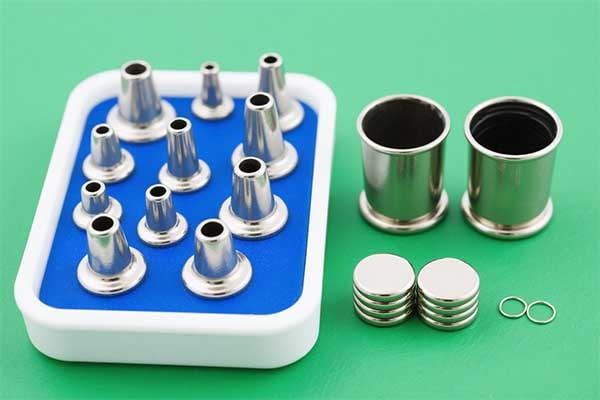
Many buyers wonder if all magnets are the same. They may pick the wrong one and see no effect. This section shows how medical magnets differ from regular magnets to avoid that error.
Yes. Medical magnets use high-grade alloys and special coatings. They have precise gauss levels and meet safety standards. Regular magnets are for industrial or hobby use and lack medical certification.
Magnetic strength, shape, coating, and quality control make a big difference. Medical magnets use neodymium, iron, and boron in tight ratios. They go through strict testing for body use. Regular magnets focus on holding power or motor torque. They skip safety checks. Medical magnets have a stable field and safe finish. Regular ones can chip or lose strength. That makes them a poor choice for magnet therapy and magnets for pain.
Comparison of Magnet Types
| Property | Medical Magnet | Regular Magnet |
|---|---|---|
| Composition | NdFeB Alloy | Ferrite or Alnico |
| Gauss Range | 500–2000 G | 100–500 G |
| Coating | Epoxy or Gold | None or Cheap Plating |
| Certification | ISO 13485, FDA | None |
| Application | Body Therapy | Tools, Toys |
Medical magnets go through quality checks for flux density. They must match specs within small tolerances. That way they deliver stable therapy. They calibrate gauss meters daily. Regulators require body-safe coatings too. That way magnets for pain therapy stay intact. They also test for corrosion in body fluids. Regular magnets skip these steps. They may chip or rust. Then the field can drop. That cuts therapy effect. It also risks skin stains or rough edges. A bad magnet can irritate skin.
Medical grade magnets can be circular or block style. Shapes change field lines. That alters therapy depth. Block magnets give a focused field. Discs spread the field over a larger area. Some come with adjustable straps. Others fit in small patches. You can buy ring magnets to use on finger joints. You can get belt magnets for the lower back. All designs must meet safety rules. They must not break under normal use. That way magnets for pain use stay safe. They last longer too.
What Conditions Can Be Treated with Medical Magnets?

Som people face chronic aches each day. They look for gentle ways to ease pain. Medical magnets may help them feel calm. This part shows top conditions that can use them.
Medical magnets can support relief from arthritis, muscle soreness, joint pain, migraines, and tendinitis. They work by boosting local circulation and easing stiffness. They are not a cure but a natural aid.
Magnet therapy aims to help blood flow and reduce discomfort. People use magnets for pain in knees, shoulders, and wrists. They place magnets on skin or wear magnetic jewelry.
Conditions and Recommended Magnet Types
| Condition | Magnet Type | Typical Gauss | Use Duration |
|---|---|---|---|
| Arthritis | Circular Patch | 800 G | 2–4 hours/day |
| Muscle Soreness | Block Magnet | 1000 G | 1–2 hours/session |
| Joint Pain | Ring Magnet | 700 G | All Day Wear |
| Migraines | Flat Disc | 1200 G | 30 minutes/session |
| Tendinitis | Elastic Strap | 900 G | 2–3 hours/day |
Medical magnets may ease pain by boosting blood flow in spots that hurt. Some studies show they help mild arthritis. Some users report lower swelling and less stiffness. But research is mixed. You must use a strong field. You must place magnets on or near the sore spot. You can wear a magnetic strap on your wrist. You can use a disc on your forehead for a migraine. You can press a block magnet on tight muscles. Always keep a clean surface. Do not use magnets if you have a pacemaker. Talk to your doctor first.
They offer a wide range of gauss levels and sizes. They test each batch for gauss stability. They seal magnets in biocompatible shells. That way you get safe contact. That way your session is free of rust or chip risk. Many people try magnets for pain relief at home. They like the idea of a drug-free option. They wear magnets under a bandage or in a sleeve. They feel a mild pull on their skin. They feel calm after a few sessions. They track results in a journal. They note when the ache lessens. They note when a flare returns. They adjust time or gauss level to match their needs.
Are Medical Magnets Safe for Everyone?
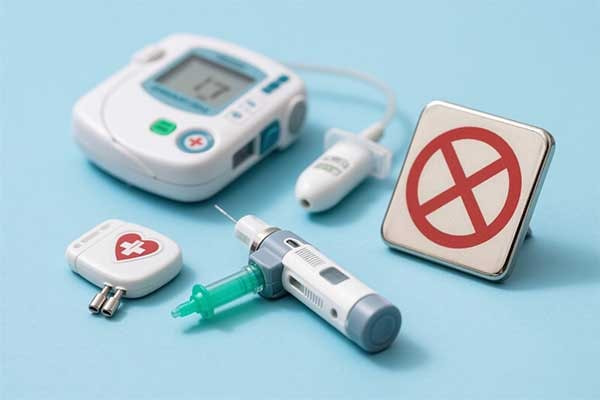
Many people wonder about the safety of magnets for health. Are they really for everyone? This is a valid concern. We need to look at who can use them safely.
Medical magnets are generally safe for most people. However, they are not safe for individuals with pacemakers, defibrillators, insulin pumps, or other implanted electronic medical devices, as magnets can interfere with their function. Pregnant women and young children should also avoid them or consult a doctor.
When we talk about magnets for health, safety is always a top concern. While many find benefits, it is important to know the potential risks. Most medical magnets for home use have low to moderate strength. This makes them relatively safe for general use. However, some people must avoid them. This includes anyone with an implanted medical device. These devices are things like pacemakers, defibrillators, or cochlear implants. Magnets can interfere with how these devices work. This can cause serious health problems. Always check with your doctor if you have such a device. This is crucial before you use any magnetic product.
Pregnant women should also be careful. There is not enough research on the effects of magnets on a developing fetus. So, it is best to avoid using them during pregnancy. Small children should also not use them without medical supervision. Magnets can be a choking hazard if swallowed. Also, their bodies are still developing. The effects of magnets on young, growing tissues are not fully known.
People with conditions like bleeding disorders should also be cautious. Some believe magnets can affect blood flow. Though evidence is limited, it is wise to be careful. If you have any health concerns, it is always best to speak with a healthcare professional. They can give advice based on your specific health history. We at M-Magnet Company focus on providing high-quality magnets. We make sure our magnets for health are produced with strict standards. But knowing how to use them safely is up to the individual.
It is vital to follow product instructions. Do not use magnets on open wounds or infected areas. Also, do not use them for too long without breaks. Always remove them if you feel any discomfort or adverse effects. Education is key when using any home medical product.
Safety Considerations for Medical Magnets
| Category | Reason for Caution/Avoidance | Action to Take |
|---|---|---|
| Implanted Electronic Devices | Magnets can interfere with pacemakers, defibrillators, insulin pumps, etc. | Strictly avoid. Consult a doctor immediately if accidental exposure occurs. |
| Pregnancy | Insufficient research on effects on developing fetus. | Avoid use. Consult a doctor for any concerns. |
| Young Children | Potential choking hazard and unknown effects on developing bodies. | Avoid without medical supervision. Store magnets safely. |
| Bleeding Disorders | Limited evidence, but caution advised regarding blood flow effects. | Consult a doctor before use. |
| Open Wounds or Infections | Risk of irritation or worsening condition. | Do not apply magnets directly to affected areas. |
Conclusion
Medical magnet products, such as bracelets, cupping sets, patches, necklaces, and chair pads, are widely used at home for comfort and wellness. While many users report positive experiences, scientific evidence remains limited. Safety is good for most people, but consult a healthcare professional before use. Medical magnets are not a substitute for professional care.