How to Demagnetize A Permanent Magnet?
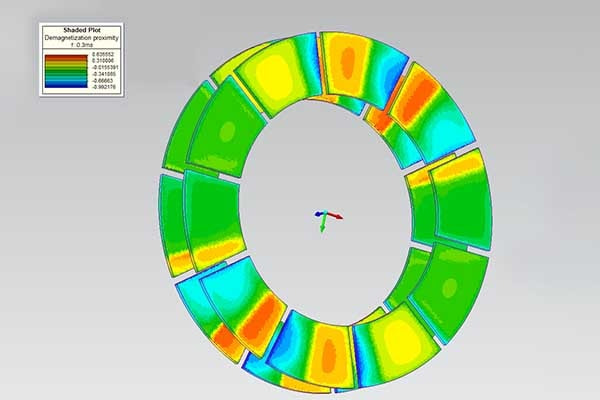
Demagnetizing permanent magnets is essential in industries where unwanted magnetism causes problems. As a magnet manufacturer, we often guide clients on safe demagnetization methods.
Demagnetization weakens or erases a magnet’s field. Common methods include heating, hammering, or using alternating magnetic fields. For example, heating neodymium magnets above 80°C (175°F) disrupts their atomic alignment, reducing strength. Proper techniques ensure safety and precision.
Keep reading to explore why and how demagnetization works in everyday scenarios.
Table of Contents
What is Demagnetization?
Demagnetization removes or reduces a magnet’s magnetic field. It’s a key process in manufacturing and recycling.
Demagnetization occurs when a magnet’s atomic alignment is disrupted. This can happen through heat, physical shock, or opposing magnetic fields. For instance, our factory uses controlled heating to demagnetize faulty neodymium magnets before reprocessing.
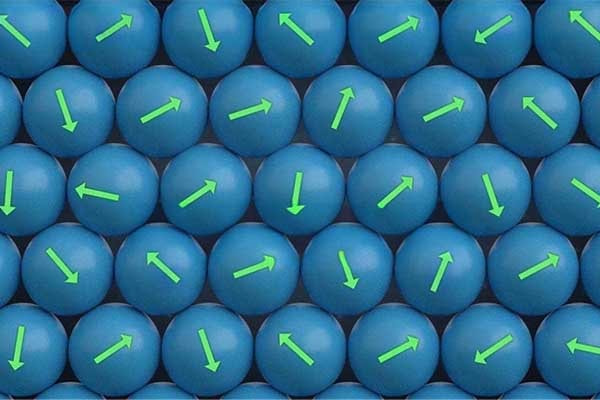
Factory Demagnetization
Last year, a European client returned a batch of MagSafe magnets due to uneven strength. We discovered improper storage caused partial demagnetization. Here’s what we learned:
| Issue | Solution |
|---|---|
| Uneven magnetic fields | Controlled oven heating at 85°C |
| Residual magnetism | AC coil demagnetization[1] |
What Causes Demagnetization?
Demagnetization can happen accidentally. Understanding causes prevents costly errors.
High temperatures, strong opposing fields, and physical impacts cause demagnetization. Neodymium magnets lose strength[2] above 80°C, while ferrite magnets withstand higher heat. For example, our shipping guidelines warn against storing magnets near motors or heaters.

Transportation Challenges
A U.S. logistics partner once damaged AlNiCo magnets by placing them near engine components. The heat and vibrations caused 12% field loss. We now use:
| Risk | Prevention |
|---|---|
| Heat | Insulated packaging |
| Vibration | Foam spacers |
These steps ensure magnets reach customers with full strength.
Why Would You Want to Demagnetize a Magnet?
Intentional demagnetization solves practical problems in industries like electronics and manufacturing.
Demagnetizing tools prevents metal dust attraction[3]. It’s also used to reset sensors or recycle magnets. For example, we demagnetize MRI machine components during maintenance to ensure accurate imaging.

Client Story: Automotive Supplier
A German auto parts supplier needed reused magnets demagnetized for safety. We achieved this with:
| Method | Result |
|---|---|
| AC field generator | 99% field reduction |
| Temperature control | Zero material damage |
This process saved them €20,000 annually in material costs.
How Can a Credit Card Get Demagnetized?
Credit cards use magnetic strips vulnerable to everyday hazards.
Magnets, phones, and scratches demagnetize cards[4]. Even a fridge magnet can erase data if placed close. For instance, a client reported damaged cards after storing them near our MagSafe prototypes.

Retail Industry Example
A French retailer stored loyalty cards near security magnets, causing widespread failures. Our tests showed:
| Distance | Effect |
|---|---|
| 0-2 cm | Immediate damage |
| 2-5 cm | Damage in 24 hours |
We now include safe-storage infographics[5] with all magnetic products.
How to Demagnetize Metal at Home?
Simple methods work for small tools or jewelry. Safety is crucial.
Use a stove (for heat-resistant metals) or a coil connected to AC power. For example, heating a screwdriver to 250°C reduces magnetism within minutes. Always wear protective gear.

DIY Failures and Fixes
A hobbyist damaged vintage tools using uncontrolled heat. Our engineers suggested safer alternatives:
| Item | Safe Method |
|---|---|
| Screwdrivers | Oven at 200°C for 15 mins |
| Watch parts | AC coil for 30 seconds |
Proper techniques prevent accidents while removing unwanted magnetism.
How Does Magnetism Work?
Understanding magnetism helps control its presence or absence in materials.
Magnetism[6] comes from aligned electron spins in atoms. Permanent magnets keep this alignment, while demagnetization scrambles it. For example, our neodymium magnets maintain alignment better than ferrite due to their atomic structure.
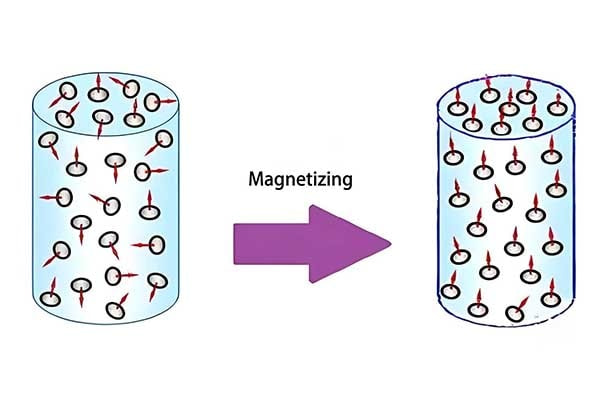
Material Comparison
We test various materials for clients needing customized solutions:
| Material | Demagnetization Resistance |
|---|---|
| Neodymium | High (Grade N52) |
| Ferrite | Medium |
| AlNiCo | Low |
This data helps customers choose the right magnets for their projects.
Conclusion
Demagnetizing magnets requires understanding causes, methods, and safety. Proper techniques prevent damage and enable recycling across industries.
Note:
[5]Explore safe-storage infographics to better protect your magnetic products and avoid data loss.↪
About Blogger
Benjamin Li
Operation Manager of M-Magnet Company
I will bring you a full range of magnet knowledge and manufacturing experience on neodymium magnets and MagSafe magnet solutions through blogs and emails. I'm not an expert yet in magnets, but we have a whole team to help you solve technical issues, design drawing details, compatibility suggestions from magnetic assemblies, magnet purchasing and many other customized magnet solutions from China. You can follow my blogs on knowledge sharing or contact me for your own magnet solutions. We will always do the best.