How to Measure Magnetic Field Strength?
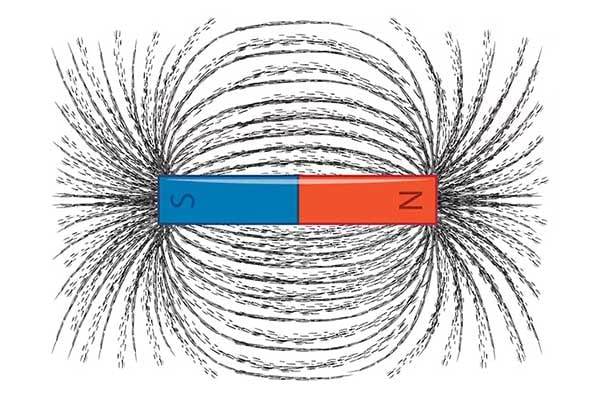
Magnetic field strength is a key parameter in understanding magnets. As a manufacturer, we often need to measure it accurately. This article explains how to measure magnetic field strength and its importance.
Magnetic field strength is measured using a gauss meter[1] or a tesla meter[2]. The unit for magnetic field strength is tesla (T) or gauss (G). The formula is B = μ₀(H + M), where B is the magnetic flux density, H is the magnetic field strength, and M is the magnetization. Accurate measurement is crucial for various applications, from industrial to medical.
Keep reading to learn more about magnetic field strength and its impact.
Table of Contents
What is Magnetic Field Strength?
Magnetic field strength is a measure of the intensity of a magnetic field. It is crucial in many industries.
Magnetic field strength (H) is the force exerted by a magnet on a unit magnetic pole. The formula is H = B/μ₀ - M, where B is the magnetic flux density[3], μ₀ is the permeability[4] of free space, and M is the magnetization. This formula helps in understanding the relationship between different magnetic properties.
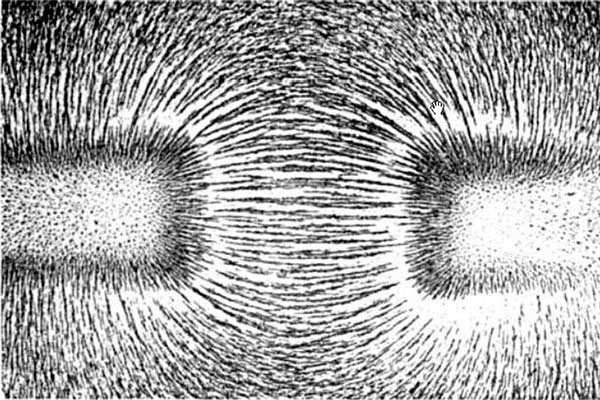
Understanding the Formula
The formula for magnetic field strength is essential for accurate measurements. Let's break it down:
| Symbol | Meaning |
|---|---|
| B | Magnetic Flux Density |
| μ₀ | Permeability of Free Space |
| M | Magnetization |
As a manufacturer, we use this formula to ensure our products meet industry standards. Accurate measurement is crucial for applications like MagSafe magnets and neodymium magnets.
Is Magnetic Field Strength H or B?
Understanding the difference between H and B is essential for accurate measurements.
Magnetic field strength is represented by H, while B represents magnetic flux density. H is the external magnetic field, and B is the total magnetic field, including the material's magnetization. The relationship between them is given by B = μ₀(H + M).
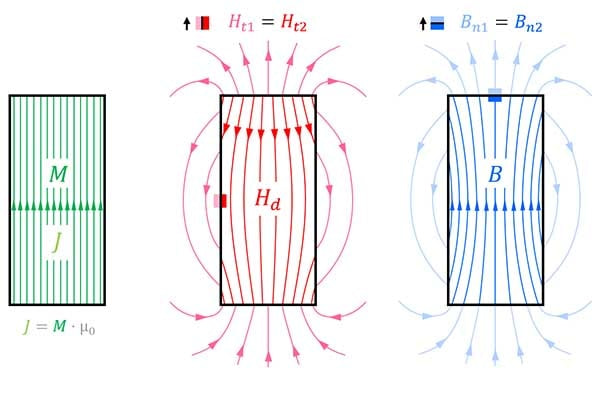
Practical Applications
Understanding these terms is crucial for manufacturers. For example, we need to measure H and B accurately for our neodymium magnets[5] and MagSafe products[6].
| Term | Definition |
|---|---|
| H | Magnetic Field Strength |
| B | Magnetic Flux Density |
Accurate measurement ensures our products perform well in various applications, from industrial to consumer electronics.
Can Magnetic Field Strength be Negative?
Is it possible for magnetic field strength to be negative? Let's explore.
Magnetic field strength can be negative in certain contexts. It depends on the direction of the magnetic field. If the field is in the opposite direction, the value can be negative. This is important in applications like magnetic sensors[7] and certain scientific experiments.
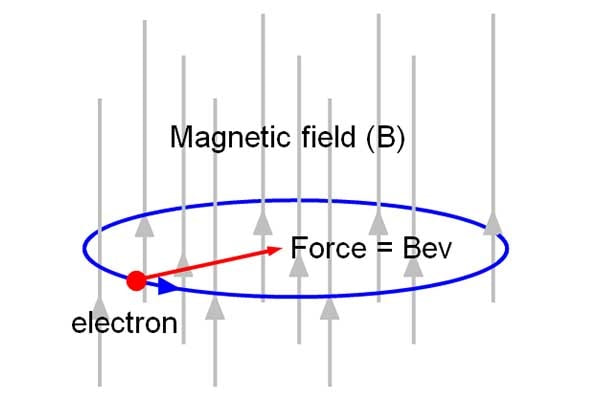
In our factory, we encountered this when developing a new sensor. Understanding negative magnetic fields was crucial for accuracy.
| Scenario | Effect |
|---|---|
| Opposite Direction | Negative Magnetic Field[8] |
| Same Direction | Positive Magnetic Field |
This knowledge helps us design better products for our clients in America and Europe.
What Magnetic Field Strength is Dangerous?
Understanding the risks associated with high magnetic field strength is crucial.
High magnetic field strength can be dangerous. Fields above 1 tesla (10,000 gauss) can affect human health, causing dizziness or even damaging electronic devices. It's essential to follow safety guidelines when working with strong magnets.

Safety Measures
We implement safety measures in our factory to protect workers and ensure product quality.
| Field Strength | Effect |
|---|---|
| 1 Tesla | Possible Health Effects |
| Above 1 Tesla | Device Damage |
Our safety protocols ensure we meet international standards for magnetic products.
Can We Use Magnetic Field Strength to Predict Earthquakes?
Is it possible to use magnetic field strength for earthquake prediction?
Current research suggests that magnetic field strength can provide some clues about earthquakes. Changes in the Earth's magnetic field may indicate tectonic activity. However, this method is not yet reliable for accurate prediction.

Research Findings
Scientists are still exploring this field. While it's promising, more data is needed for reliable predictions.
| Observation | Possible Indicator |
|---|---|
| Magnetic Field Changes | Tectonic Activity |
This research could lead to new ways to monitor earthquakes, benefiting communities worldwide.
How Magnetic Field Strength Affect Our Daily Life?
Magnetic field strength has a significant impact on our daily lives. Let's explore how.
Magnetic field strength is crucial in various technologies, from electric motors to medical imaging. It affects the performance of devices like smartphones, MagSafe accessories, and even MRI machines. Understanding it helps improve these technologies.

Everyday Technology
We rely on magnetic fields in many aspects of our daily lives. Here are some examples:
| Device | Magnetic Field Use |
|---|---|
| Electric Motor | Converts Electrical Energy to Mechanical Energy |
| MRI | Medical Imaging |
Our company, M-Magnet, ensures our products meet the highest standards for these applications.
Conclusion
Understanding magnetic field strength is crucial for various applications, from industry to daily life. Accurate measurement ensures safety and efficiency.
Note:
About Blogger
Benjamin Li
Operation Manager of M-Magnet Company
I will bring you a full range of magnet knowledge and manufacturing experience on neodymium magnets and MagSafe magnet solutions through blogs and emails. I'm not an expert yet in magnets, but we have a whole team to help you solve technical issues, design drawing details, compatibility suggestions from magnetic assemblies, magnet purchasing and many other customized magnet solutions from China. You can follow my blogs on knowledge sharing or contact me for your own magnet solutions. We will always do the best.