How to Separate 2 Neodymium Magnets?
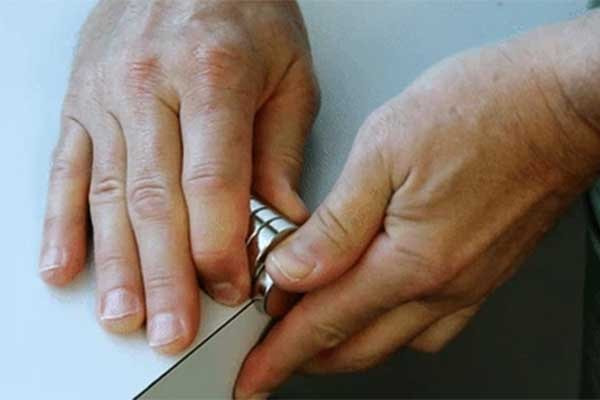
Neodymium magnets are incredibly strong, and separating two that have snapped together can be surprisingly difficult and even dangerous. Many people struggle with this, risking pinched fingers or chipped magnets in the process. Fortunately, there are several safe and effective methods you can use to separate these powerful magnets.
To separate two neodymium magnets, slide them apart[1] horizontally rather than pulling directly. Using a sturdy, non-magnetic tool like a wooden or plastic wedge can also help to gently pry them apart. Wearing gloves[2] is recommended to protect your hands.
It can be frustrating when strong magnets stick together. Let's explore some ways to safely get them apart and even prevent them from sticking in the first place.
Table of Contents
How to Keep Magnets from Sticking Together?
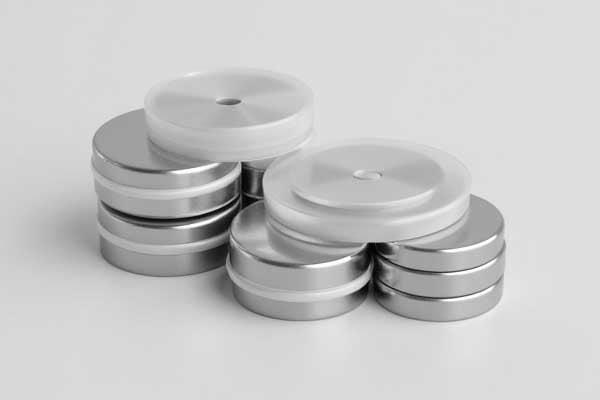
Preventing neodymium magnets from sticking together in the first place can save you a lot of trouble later. If you're storing or handling multiple neodymium magnets, you'll want to avoid the frustration and potential danger of them suddenly snapping together. There are simple precautions you can take to keep these powerful magnets safely apart.
To prevent neodymium magnets from sticking together, keep them separated by a significant distance. You can also store them with non-magnetic spacers, such as pieces of cardboard, wood, or plastic, between them. Using their original packaging or individual containers is also a good practice.
Knowing how to prevent magnets from sticking is helpful. But what if they are already stuck? Let's dive deeper into the methods for safely separating them.
Understanding Magnetic Force and Safe Handling Techniques
Neodymium magnets are part of a group called rare earth magnets, and they are the strongest type of permanent magnets commercially available. Their strength comes from their material composition (neodymium, iron, and boron) and their manufacturing process, which aligns their magnetic domains very effectively. This intense magnetic force[3] is what makes them so useful but also what makes separating them a challenge. When two neodymium magnets get close enough, their magnetic fields interact and create a very strong attractive force. Trying to pull them directly apart often requires a significant amount of force, which can lead to sudden separation and potential injury or damage to the magnets.
Understanding the direction of the magnetic force is key to separating them safely. The force acts along the line connecting the north pole of one magnet to the south pole of the other. Therefore, the most effective way to reduce this force is to try and move the magnets in a direction perpendicular to this line of force, essentially trying to slide them apart rather than pulling them straight.
Here's a table summarizing some safe handling techniques[4] for neodymium magnets:
Safe Handling of Neodymium Magnets
| Technique | Description | Reasoning |
|---|---|---|
| Sliding Motion | Slide magnets apart horizontally. | Reduces the direct pull force. |
| Using a Wedge | Gently pry with a non-magnetic wedge. | Applies gradual separating force. |
| Wearing Gloves | Protect your hands during separation. | Minimizes risk of pinched fingers. |
| Controlled Movement | Move slowly and deliberately. | Prevents sudden snapping and damage. |
| Proper Storage | Keep magnets separated with spacers. | Avoids accidental sticking. |
When you need to separate two neodymium magnets that are stuck together, avoid the natural instinct to pull them straight apart. Instead, try to slide them against each other in a horizontal motion. This technique reduces the force required for separation. If they are tightly stuck, you can use a non-magnetic wedge, like a piece of wood or sturdy plastic, to gently pry them apart. Insert the edge of the wedge between the magnets and slowly twist or push to break the magnetic bond. Remember to always wear gloves to protect your hands from potential pinching.
Knowing how to separate neodymium magnets safely will prevent accidents and damage to the magnets themselves.
How do you Unglue a magnet?
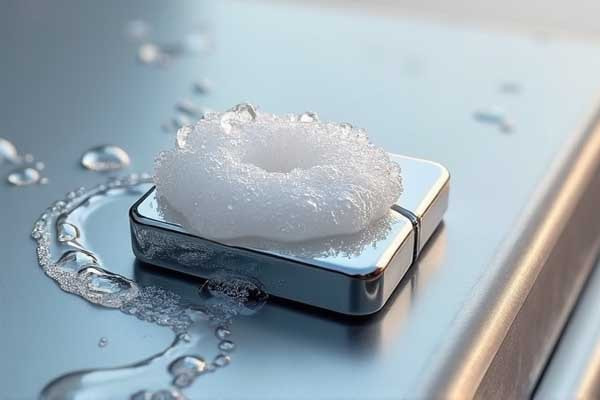
Magnets can sometimes get stuck together with glue, making them difficult to separate without damage. This can be frustrating, especially if you need to use the magnets for different purposes. There are several methods you can use to safely unglue a magnet, depending on the type of adhesive.
To unglue a magnet, you can try soaking it in warm, soapy water to soften the glue. For tougher glues like super glue, acetone applied carefully can help dissolve it. Gentle heating or freezing can also weaken some adhesives.
Ungluing Methods on Different Types of Glue
| Types | Methods |
|---|---|
| For Super Glue (Cyanoacrylate) | Soaking in warm, soapy water |
| Acetone | |
| Freezing | |
| Super Glue Debonder | |
| For Other Types of Glue (like Epoxy) | Mechanical Removal |
| Heat | |
| Solvents |
When dealing with magnets stuck together by glue, the approach largely depends on the type of adhesive used. Super glue[5], or cyanoacrylate, is a common culprit and can often be softened with warm, soapy water. Soaking the magnet[6] for about ten minutes might be enough to loosen the bond, allowing you to gently peel the magnets apart. If warm water isn't sufficient, acetone can be effective in dissolving super glue. However, it's crucial to apply acetone carefully using a cloth, ensuring it doesn't come into prolonged contact with the magnet itself, as it could potentially cause damage. Nail polish remover often contains acetone and can be used in a similar way.
Another technique to try is freezing the glued magnets. Placing them in the freezer overnight can make the super glue brittle. In some cases, a gentle tap after freezing might be enough to break the adhesive bond. For more robust glues like epoxy[7], the process can be more challenging. Gentle heat, applied cautiously with a heat gun or by soaking in hot water, might soften the epoxy. However, it's vital to remember that excessive heat can permanently weaken or even demagnetize strong magnets, especially neodymium magnets, which are a specialty at M-Magnet Company. These magnets can lose their magnetic properties if heated above a certain temperature, typically around 80°C (176°F).
Mechanical removal might be necessary for very strong adhesives. This involves carefully trying to pry the magnets apart with a thin, flat tool. Another method is to gently drill into the hardened glue to weaken its structure before attempting to separate the magnets with pliers. Extreme caution is required to avoid damaging the magnets during this process. Sanding or cutting away the glue is also an option, but again, care must be taken to protect the magnet's surface. While some solvents might work on certain types of epoxy, their effectiveness is less predictable than with super glue, and they carry a higher risk of damaging the magnet.
How to safely store neodymium magnets?
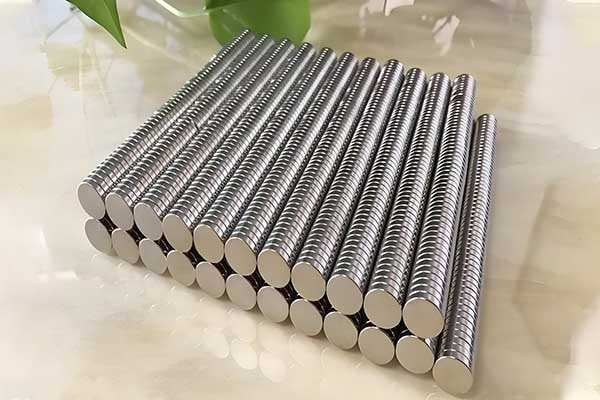
Proper storage prevents accidents and preserves magnetic strength. These strong magnets can leap toward each other unexpectedly, causing pinched fingers or shattered edges. Organization is key for both safety and efficiency.
Store neodymium magnets in individual compartments with non-magnetic spacers[8]. Keep them in dry environments below 80°C. Align all magnets in the same polarity direction to reduce attraction forces between storage units.
Storage Environment Optimization
Three factors determine ideal storage: material compatibility, spatial arrangement, and environmental controls[9].
| Storage Factor | Ideal Condition | Common Mistakes |
|---|---|---|
| Temperature | 15-25°C | Near heat sources |
| Humidity | <40% RH | Cardboard packaging |
| Spacing | 10x thickness | Vertical stacking |
At M-Magnet, we recommend using our magnetized storage trays[10] with built-in acrylic dividers. These trays maintain safe distances while allowing visual inspection. For bulk storage, alternate magnet orientations (N-S-N-S) in foam-lined steel containers. This configuration neutralizes collective magnetic fields.
Avoid storing strong magnets near electronic devices - even weak residual fields can affect credit cards or pacemakers. For long-term storage, apply silicone grease[11] to coated surfaces to prevent oxidation. Rotate stock quarterly to check for corrosion, especially in coastal regions with salty air.
How do you demagnetize neodymium magnets?
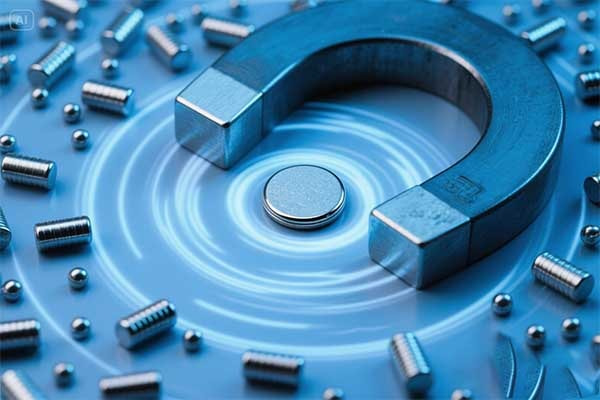
Tired of struggling to separate powerful neodymium magnets? Demagnetizing them can be a game-changer. Let’s explore simple, safe methods to reduce their magnetic strength without damaging them.
To demagnetize neodymium magnets, heat them above their Curie temperature or use a reverse magnetic field. Both methods effectively reduce magnetism. However, heating may alter physical properties, while reverse fields require specialized equipment.
Demagnetizing neodymium magnets[12] involves understanding their material properties and applying methods that disrupt their magnetic alignment. Let’s break down the science and practical applications.
Neodymium magnets are incredibly strong due to their crystalline structure, which aligns magnetic domains in one direction. To demagnetize them, you need to disrupt this alignment. One common method is heating. When heated above their Curie temperature[13] (around 310-400°F for standard neodymium magnets), the molecular structure becomes randomized, reducing magnetism. However, excessive heat can physically alter the magnet, so precise temperature control is crucial.
Another method involves using a reverse magnetic field[14]. By applying a strong opposing field, you can gradually realign the magnetic domains. This method is more complex and requires specialized equipment like demagnetizing coils. It’s commonly used in industrial settings where precision is key.
At M-Magnet, we specialize in creating high-quality neodymium magnets while providing solutions for managing their strength. Our expertise ensures that whether you need powerful magnets or controlled demagnetization[15], you can achieve optimal results.
But why would you want to demagnetize a magnet? Common reasons include preparing magnets for disposal[16], recycling[17], or repurposing[18]. For instance, demagnetizing old hard drives[19] prevents data theft, while demagnetizing tools ensures accurate measurements.
Factors Affecting Demagnetization
The effectiveness of demagnetization depends on several factors:
Magnet Type: Neodymium magnets require higher temperatures or stronger reverse fields compared to ferrite or ceramic magnets.
Size and Shape: Larger magnets need more energy to demagnetize fully.
Application: Industrial uses often require complete demagnetization, while DIY projects may need partial reduction.
Here’s a comparison of demagnetization methods[20]:
| Method | Pros | Cons |
|---|---|---|
| Heating | Simple, no special equipment needed | May alter physical properties |
| Reverse Field | Precise control, no physical changes | Requires specialized equipment |
| Vibration[21]/Impact | No heat or equipment needed | Results are unpredictable |
When handling powerful magnets, safety is paramount. Neodymium magnets can pinch skin or cause injuries if they snap together unexpectedly. Always wear protective gear and work in a controlled environment.
For those wondering how to get 2 magnets apart, demagnetization offers a safe solution. By reducing their magnetic strength, you can separate them more easily without risking damage to the magnets or your equipment.
At M-Magnet, we provide detailed guides and tools to help you manage magnet strength effectively. Whether you need to separate magnets for a project or recycle old ones, our solutions ensure precision and safety.
How do you break a magnet into two pieces?
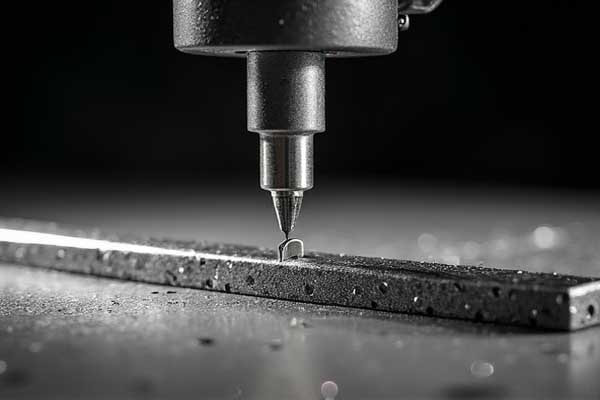
Need to break a neodymium magnet but unsure where to start? Splitting these powerful magnets requires careful planning. Let’s uncover the safest methods to split magnets without causing damage or injury.
Breaking a neodymium magnet into two pieces can be done by scoring, cutting with a diamond saw[22], or using a hydraulic press[23]. However, improper methods risk cracking or creating hazardous shards[24]. Always use professional tools and safety gear.
Breaking a neodymium magnet[25] isn’t as straightforward as cutting other materials. These magnets are brittle and can shatter if not handled correctly. Let’s explore the science behind their composition and the best techniques to split them safely.
Neodymium magnets are made of a hard, brittle material composed of neodymium, iron, and boron[26]. This composition gives them incredible magnetic strength but makes them prone to cracking under stress. Unlike metals, they can’t be easily bent or hammered into shape. Instead, specialized methods are required.
One common approach is scoring. By creating a shallow groove along the magnet’s surface, you can guide the break. However, this method requires precision and may not yield perfect results. Another method involves using a diamond-coated saw, which can cut through the hard material cleanly. This method is more reliable but requires professional equipment and expertise.
Hydraulic presses offer another solution. By applying even pressure, you can split the magnet along a predetermined line. This method minimizes cracking and is often used in industrial settings. However, it demands careful setup to avoid uneven breaks.
At M-Magnet, we understand the challenges of working with neodymium magnets. Our team provides guidance on safely splitting magnets for custom applications, ensuring you achieve the desired results without compromising safety.
Safety Considerations When Breaking Magnets
Handling broken magnets comes with risks. Here’s what to keep in mind:
Sharp Edges: Broken magnets can have jagged edges. Always wear gloves and eye protection.
Magnetic Fragments: Separated pieces remain magnetic. Store them securely to prevent accidents.
Dust and Particles: The process may create fine dust. Work in a well-ventilated area or use a dust mask.
Here’s a breakdown of breaking methods and their outcomes:
| Method | Best For | Risks |
|---|---|---|
| Scoring | Small magnets | Imperfect breaks |
| Diamond Saw | Precision cuts | Requires expertise |
| Hydraulic Press | Industrial use | Setup complexity |
For those asking how to get 2 magnets apart, breaking them isn’t always the best solution. Sometimes, demagnetization or using leverage tools like wedges can separate them more safely. However, if splitting is necessary, professional guidance is strongly recommended.
At M-Magnet, we offer customized solutions for magnet modification. Our expertise ensures that whether you need to split, demagnetize, or repurpose your magnets, you can do so with confidence and safety.
Whether you’re working on a DIY project or industrial application, understanding how to handle neodymium magnets properly is key. By choosing the right method and tools, you can achieve your goals efficiently while minimizing risks.
What Keeps Magnets Apart?
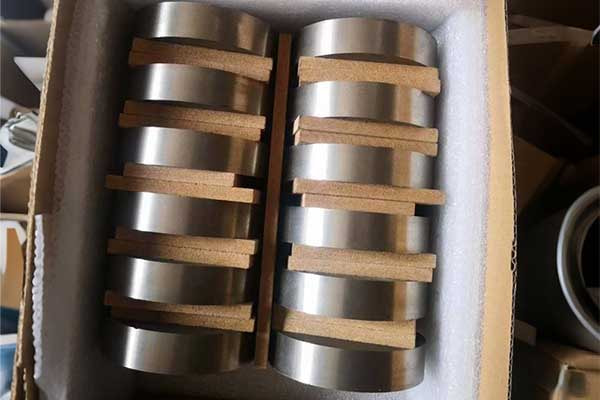
Magnets stick together so strongly, so it is quite helpful to understandwhat can keep them apart helps in separation. Let's find out.
Magnetic repulsion, non-magnetic barriers, and applied forces[27] can keep magnets apart. Opposite poles attract, but like poles repel. Placing a non-magnetic material between them can also act as a barrier.
Is There a Limit to Magnetic Force?
When we talk about what keeps magnets apart, we first need to understand the basic principle of magnetism[28]. Magnets have two poles, a north pole and a south pole. The fundamental rule is that like poles repel each other, and opposite poles attract. So, if we have two neodymium magnets with their north poles facing each other, they will naturally push away from one another. This magnetic repulsion is a key factor in keeping magnets apart.
Let's take a look at a simple example in a table:
| Magnet Arrangement | Interaction |
| North - North poles facing | Repulsion (magnets push apart) |
| South - South poles facing | Repulsion (magnets push apart) |
| North - South poles facing | Attraction (magnets pull together) |
Can Technique Overcome Strength?
Another way to keep magnets apart is by using non-magnetic barriers. Materials like wood, plastic, and paper are non-magnetic. If we place a piece of wood, for example, between two neodymium magnets, it can act as a physical barrier. The magnetic field of the magnets does not pass through the non-magnetic material as effectively as it would through air or a magnetic material. So, in a sense, the non - magnetic material disrupts the magnetic interaction between the two magnets.
Comparing Magnet Separation Challenges
To understand why separation varies, I compare different scenarios. Below is a table showing how magnet size and grade affect the difficulty of separating them.
| Magnet Size | Magnet Grade | Separation Difficulty |
|---|---|---|
| Small (10mm) | N35 | Moderate |
| Medium (20mm) | N42 | Hard |
| Large (50mm) | N52 | Very Hard |
It's important to note that the strength of the magnets also plays a role. Neodymium magnets, are extremely strong. Even with magnetic repulsion or a non-magnetic barrier, if the magnets are powerful enough, they may still have a significant attractive force that can be difficult to overcome.
Applied forces can also be used to keep magnets apart. If we physically hold the magnets in place so that they cannot move towards each other, we are using an external force to counteract the magnetic attraction. This could be in the form of mechanical clamps or just our own hands. But again, when dealing with strong neodymium magnets, a considerable amount of force may be required.
Conclusion
Separating two neodymium magnets requires a different approach than simply pulling them apart due to their immense strength. By understanding the nature of the magnetic force, we can use techniques like sliding them horizontally or gently prying them apart with a non-magnetic tool. Preventing them from sticking in the first place through proper storage with spacers is also a smart strategy. Always prioritize safety by wearing gloves and handling the magnets with controlled movements. As M-Magnet Company, we emphasize the importance of understanding how to handle our strong neodymium magnets ,safely and effectively.
Note:
[1]Show the magnet sliding apart method with one by one step.↪
[7]Teach you how to safely remove epoxy glue adhesives from metal like magnets.↪
[10]Discover how magnetized storage trays can enhance safety and organization in your workspace.↪
[15]Learn about the scientific reasons that cause demagnetization.↪
[17]Discuss why should neodymium magnets be recycled, this is the site to recycle your own magnets.↪
[18]12 advices of insight to repurpose the used magnet that everyone can learn from.↪
[21]Note the process to vibratorily demagnetize ferromagnetic materials like neodymium magnets.↪
[24]Outline the potential dangers of broken magnets, such as sharp edges and magnetic fragments.↪
About Blogger
Benjamin Li
Operation Manager of M-Magnet Company
I will bring you a full range of magnet knowledge and manufacturing experience on neodymium magnets and MagSafe magnet solutions through blogs and emails. I'm not an expert yet in magnets, but we have a whole team to help you solve technical issues, design drawing details, compatibility suggestions from magnetic assemblies, magnet purchasing and many other customized magnet solutions from China. You can follow my blogs on knowledge sharing or contact me for your own magnet solutions. We will always do the best.