Is MagSafe a step towards a portless iPhone?
Apple’s MagSafe technology[1] has sparked debates about the future of iPhone design. As a magnetic solutions manufacturer, we see this innovation as critical for wireless evolution. Let’s explore how MagSafe could shape Apple’s rumored[2] portless iPhone.
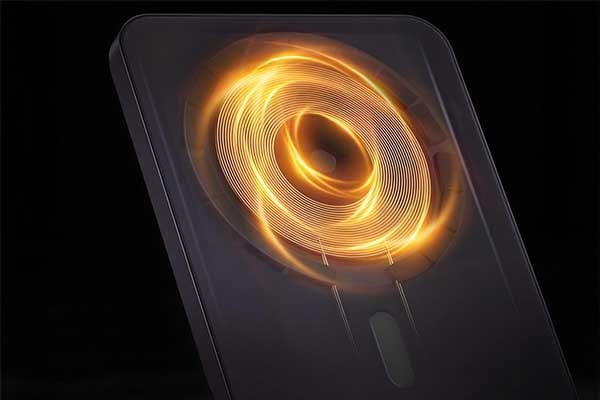
MagSafe enables wireless charging and accessory connectivity, reducing reliance on physical ports. Its strong magnet alignment system suggests Apple is testing core technologies needed for a fully portless device in the future.
Will Apple’s bold move redefine smartphone design? Discover the connection between MagSafe and the portless iPhone concept below.
Table of Contents
What is a portless iPhone?
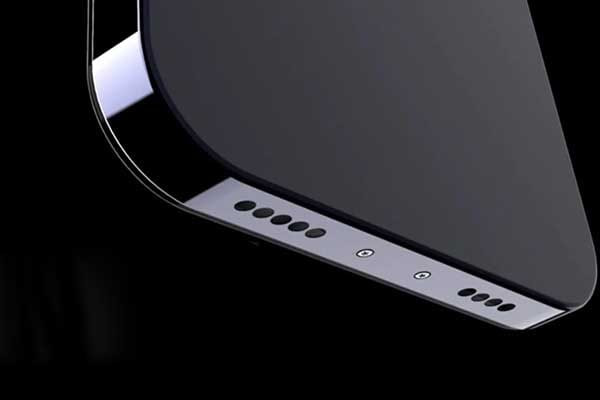
A portless iPhone would eliminate all physical connectors — including Lightning/USB-C ports. This design relies entirely on wireless technologies for charging and data transfer.
A portless iPhone uses wireless charging[3] (like MagSafe), Bluetooth, and Ultra Wideband for connectivity. It removes charging ports, headphone jacks, and SIM trays, relying on eSIM and wireless accessories.
Key Technologies Enabling Portless Design
Three innovations make portless devices possible. Each solves specific challenges tied to removing physical ports.
| Technology | Function | Current Implementation |
|---|---|---|
| MagSafe[4] | 15W wireless charging | iPhone 12-15 series |
| Ultra Wideband[5] | Precision data transfer | AirTag tracking |
| eSIM[6] | Digital SIM activation | iPhone 14 (US models) |
MagSafe’s strong magnet arrays solve alignment issues plaguing traditional wireless charging. The circular magnet system ensures perfect coil positioning, maximizing energy transfer efficiency. However, current MagSafe speeds (15W) still lag behind wired charging (20-30W).
Ultra Wideband (UWB) is a short-range radio technology that enables precise location tracking and high-speed data transfer. Unlike Bluetooth[7] or Wi-Fi, it operates at very high frequencies (3.1–10.6 GHz) with minimal interference.
Durability testing shows portless designs face water resistance challenges[8]. Without ports, iPhones need stronger seals against moisture. Apple’s Ceramic Shield technology, combined with advanced adhesive materials, could address this.
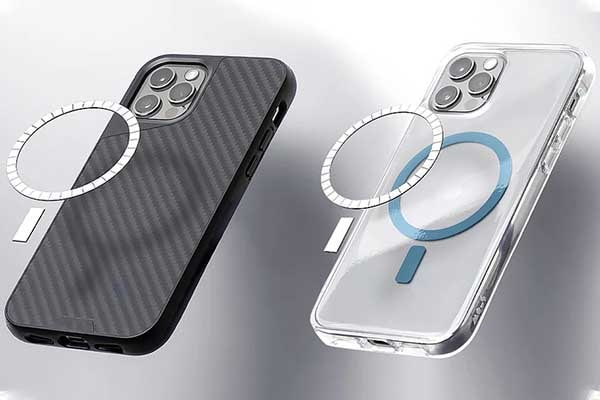
The shift to portless iPhone impacts accessory ecosystems. Third-party manufacturers must adopt MagSafe-compatible designs. At M-Magnet, we’ve developed modular magnet systems allowing seamless integration with Apple’s specifications.
Why was MagSafe discontinued?
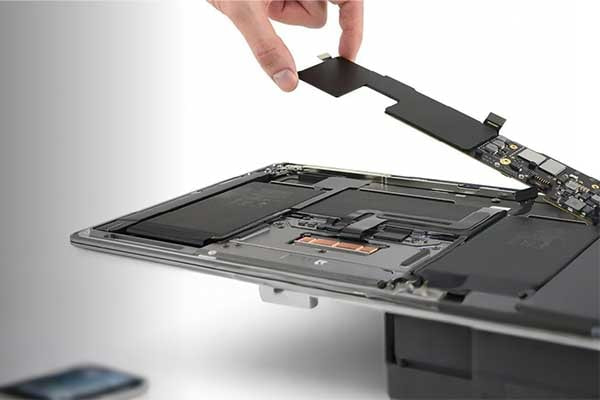
Many users were disappointed when Apple removed the MagSafe connector from their MacBook laptops. This magnetic charging port was convenient and safe, preventing accidental damage by detaching easily if the cord was pulled. Understanding why Apple made this change involves looking at their design priorities and technological advancements.
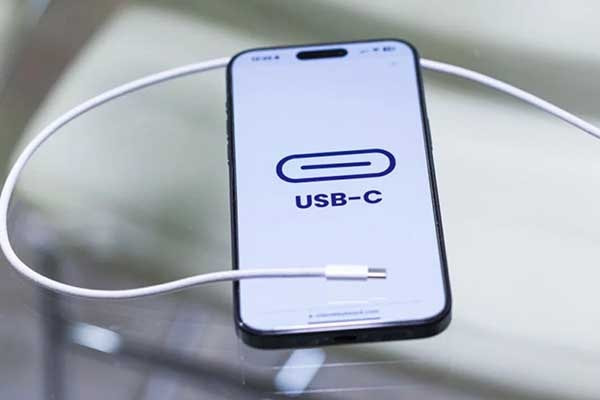
Apple discontinued the original MagSafe primarily to make MacBooks thinner and lighter, and to transition to the universal USB-C port for charging and data transfer[9].
When Apple decided to remove the MagSafe connector, it wasn't a decision taken lightly. Several factors contributed to this change, reflecting the broader trends in consumer electronics design and the company's strategic direction. One of the primary reasons was the relentless pursuit of thinner and lighter devices. The MagSafe connector, while offering significant advantages in terms of safety and ease of use, was a dedicated port that occupied space within the laptop's chassis. By eliminating it, Apple could reduce the overall thickness and weight of their MacBook lineup, aligning with the market demand for more portable and sleek devices.
Another significant factor was the industry-wide shift towards USB-C as a universal port. USB-C offers a multitude of functionalities, including charging, data transfer, and display output, all through a single connector. By adopting USB-C across their MacBook range, Apple aimed to simplify the user experience by reducing the need for multiple different ports and cables. This move also allowed for greater flexibility, as users could charge their MacBooks using the same USB-C chargers used for other devices like smartphones and tablets. While this standardization offered convenience, it also meant the loss of MagSafe's unique magnetic detachment feature.
The decision to move away from MagSafe also coincided with advancements in battery technology and power management. As batteries became more efficient and offered longer lifespans, the urgency of quick and easy disconnection to prevent accidents might have been perceived as slightly less critical. Furthermore, the robustness and reliability of USB-C connectors improved over time, addressing some of the concerns about the durability of the charging port.
However, the discontinuation of MagSafe was met with criticism from many users who valued its safety features. The magnetic connection provided a safeguard against accidental pulls on the power cord, which could potentially send the laptop crashing to the floor. The absence of this feature in USB-C charging was seen as a step backward by some.
Advantages and Disadvantages of MagSafe and USB-C
| Feature | MagSafe | USB-C |
|---|---|---|
| Primary Function | Power Delivery | Power Delivery, Data Transfer, Display Output |
| Connection Type | Magnetic | Physical Connector |
| Safety | High (Magnetic detachment prevents accidental damage) | Moderate (No automatic detachment) |
| Versatility | Single Purpose (Charging) | Multi-Purpose |
| Size | Larger, Dedicated Port | Smaller, Universal Port |
| Orientation | Typically One Orientation | Reversible |
Will MagSafe come back?
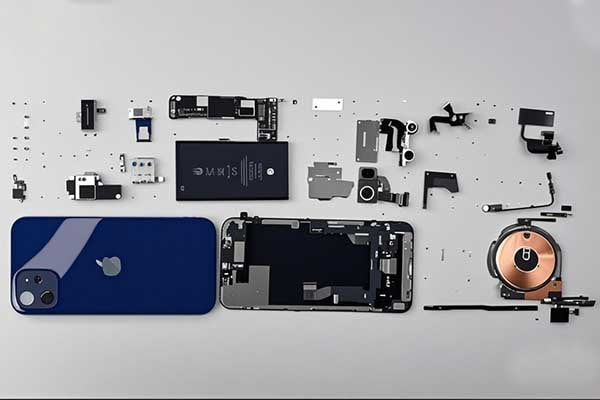
After being removed from MacBooks, many Apple users have wondered if MagSafe will ever make a return to their laptops. The convenience and safety offered by the magnetic connector were missed by a significant portion of the user base. Examining Apple's recent product releases and design trends can provide insights into the potential future of MagSafe.
Yes, MagSafe has already returned to MacBooks[10], starting with the 2021 version as MagSafe 3. For iPhones, MagSafe never left — it’s been a feature since the iPhone 12 for wireless charging and accessories. There is no evidence that of a comeback for older MagSafe versions (1 or 2) or other devices.
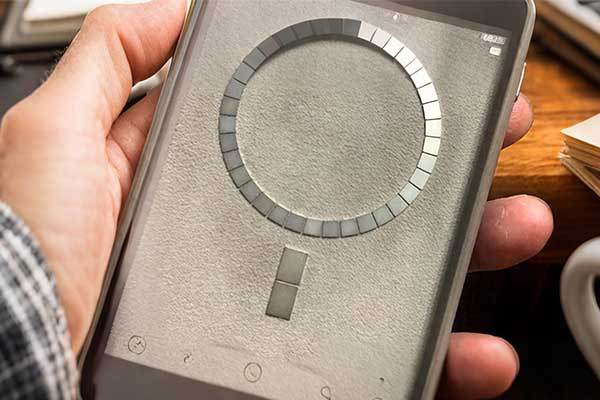
The return of MagSafe, albeit in a different form, with the iPhone 12 lineup has certainly fueled speculation about its potential re-introduction to MacBooks. The new MagSafe on iPhones utilizes a ring of magnets to securely attach chargers and other accessories to the back of the device. This re-emergence indicates that Apple still sees value in the magnetic connection system, particularly for its ease of use and alignment capabilities. The success and positive reception of MagSafe on iPhones could pave the way for its return to the MacBook, possibly in a redesigned or adapted form.
Several factors could be driving this potential comeback. Firstly, while USB-C offers versatility, it lacks the inherent safety feature of MagSafe, where a pulled cable detaches cleanly without dragging the device along. As laptops become increasingly powerful and expensive, protecting them from accidental falls becomes even more crucial. The re-introduction of MagSafe could address this concern and provide users with added peace of mind.
Secondly, the charging landscape is evolving. While USB-C remains a dominant standard, the convenience of a dedicated charging port with magnetic attachment could appeal to users who prioritize ease of use over the multi-functional nature of USB-C for charging. A dedicated MagSafe port could also potentially allow for faster charging speeds or more efficient power delivery, although this would depend on Apple's implementation.
Furthermore, the design language of Apple products often sees features evolve and reappear in different contexts. The return of physical buttons on some devices after a period of touch-centric design illustrates this point. It's conceivable that Apple might see a way to integrate MagSafe back into MacBooks without compromising their sleek design aesthetic. This could involve a slimmer, more integrated magnetic connector that complements the overall form factor of the laptop.
However, there are also counterarguments to consider. Apple has heavily invested in the USB-C ecosystem, and it serves as a unified port for their laptops and many other devices. Re-introducing a proprietary charging port could be seen as a step away from this standardization. Additionally, integrating both USB-C and MagSafe ports might add complexity and cost to the manufacturing process.
Despite these considerations, the resurgence of MagSafe on iPhones suggests that Apple is willing to revisit and reimagine features from its past. Whether this will translate to a full return of MagSafe on MacBooks remains to be seen, but the possibility is certainly alive and being actively discussed within the Apple user community and tech industry. As a manufacturer of neodymium magnets and MagSafe magnets, M-Magnet Company is keenly observing these developments and the potential implications for magnetic technology in consumer electronics. We believe that the principles of convenience and safety that underpinned the original MagSafe are still highly relevant today.
Potential Benefits of MagSafe's Return to MacBooks
| Benefit | Description |
|---|---|
| Enhanced Safety | Magnetic detachment prevents accidental falls and damage to the laptop. |
| Ease of Use | Simple and intuitive connection without the need for precise alignment. |
| Dedicated Charging | Frees up USB-C ports for other peripherals and data transfer. |
| Potential for Faster Charging | A dedicated port could be optimized for power delivery. |
| Brand Recognition | MagSafe is a well-known and trusted Apple feature. |
Is MagSafe just magnets?
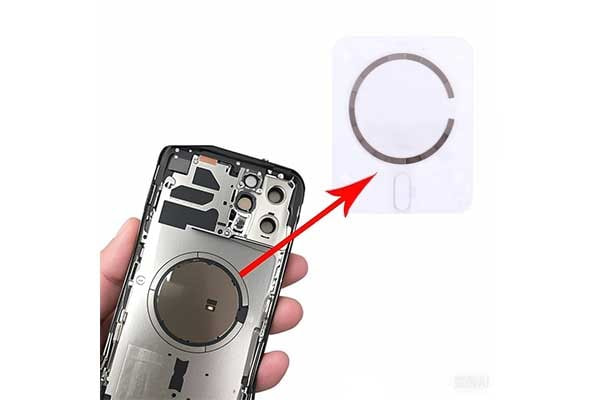
Wondering if MagSafe is just another magnetic accessory? Think again. This technology could be Apple’s secret move toward a portless future. Let’s uncover what makes MagSafe more than meets the eye.
MagSafe is not just magnets. It combines magnetic alignment with wireless charging capabilities, creating a seamless user experience. Apple’s integration of MagSafe into the iPhone ecosystem hints at a strategic shift toward eliminating physical ports, paving the way for a more durable and water-resistant device.
MagSafe’s design goes far beyond simple magnetism. It represents a sophisticated blend of hardware and software engineering, designed to enhance usability while hinting at Apple’s long-term vision for portless devices.
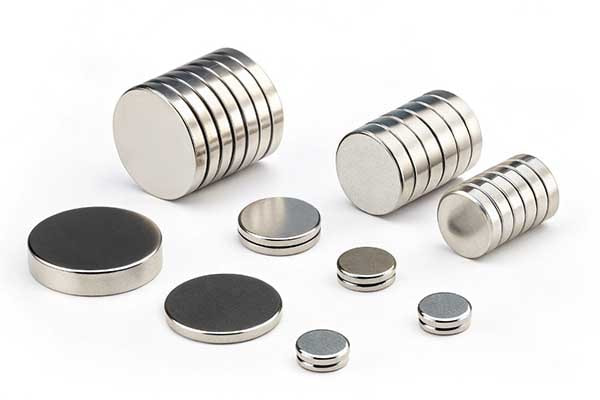
At its core, MagSafe uses neodymium magnets arranged in a specific pattern to ensure perfect alignment when attaching accessories. This precision eliminates the frustration of misaligned wireless charging. But the real innovation lies in the embedded microchip within the MagSafe charger. This chip communicates with the iPhone, optimizing charging efficiency and preventing power surges.
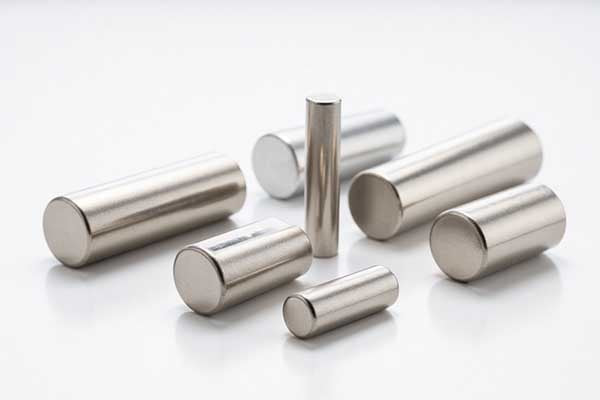
As a manufacturer of high-quality MagSafe magnets, M-Magnet understands the critical role that magnetic technology plays in this ecosystem. Our neodymium magnets are engineered to meet the exacting standards required for MagSafe compatibility, ensuring both performance and safety.
The transition to a portless iPhone would address several limitations of physical ports. Ports are prone to damage from daily wear and tear, water exposure, and debris. By removing ports, Apple can create more durable, fully sealed devices that are thinner and lighter. This shift would also align with the growing trend of wireless connectivity, reducing e-waste from discarded cables and chargers.
The Evolution of iPhone Connectivity[11]
Apple has been gradually moving away from physical connectors for years:
-
3.5mm Headphone Jack: Removed in 2016 to make way for wireless audio solutions.
-
Lightning Port[12]: Still present but increasingly supplemented by wireless charging.
-
USB-C: Adopted for iPads and MacBooks, but the iPhone remains a holdout.
MagSafe accelerates this transition by offering a viable alternative to physical ports. It allows for fast charging, accessory connectivity, and even potential data transfer—functions traditionally handled by ports.
Here’s how MagSafe compares to traditional ports:
| Feature | MagSafe | Physical Ports |
|---|---|---|
| Durability | High (no wear and tear) | Low (prone to damage) |
| Water Resistance | Full Sealed | Limited |
| Charging Speed | Up to 15W (fast wireless) | Faster (up to 20W wired) |
| Accessory Ecosystem | Expanding rapidly | Limited to cables |
While MagSafe isn’t yet a complete replacement for physical ports, its rapid evolution suggests that day may come sooner than expected. As Apple continues to refine MagSafe technology, the MagSafe magnet could become the standard for future iPhone connectivity.
Why MagSafe is the key?

Curious why MagSafe might be the missing piece for a portless iPhone? This technology solves many of the challenges that come with eliminating physical ports. Let’s explore why MagSafe is Apple’s strategic move toward the future.
MagSafe is crucial for a portless iPhone because it offers reliable wireless charging, secure accessory attachment, and potential data transfer capabilities. By combining magnetic alignment with advanced connectivity, MagSafe provides a seamless alternative to physical ports, addressing durability, water resistance, and user convenience.
MagSafe represents more than a convenience — it’s a strategic technology that addresses the fundamental challenges of a portless design. Let’s examine how MagSafe tackles these issues and what it means for the future of iPhone connectivity.
One of the biggest hurdles for portless devices is ensuring reliable charging. Traditional wireless charging often suffers from misalignment and inefficiency. MagSafe’s magnetic design solves this by physically guiding the charger into the correct position, ensuring optimal power delivery every time. This reliability makes wireless charging a viable alternative to wired connections.
Another critical advantage is durability. Physical ports are a common point of failure due to daily wear and tear, water damage, and debris. By removing ports, Apple can create fully sealed devices that are thinner, lighter, and more resistant to the elements. MagSafe supports this vision by providing a robust, weatherproof method of connecting accessories and charging.
At M-Magnet, we specialize in producing the high-quality neodymium magnets that power MagSafe technology. Our focus on precision and durability ensures that each magnet meets the exacting standards required for Apple’s ecosystem, making portless devices not just a possibility but a practical reality.
The Future of MagSafe Technology
MagSafe’s potential extends far beyond current capabilities. Future iterations could include:
-
Faster Wireless Charging: Advancements in Qi standards may allow MagSafe to match or exceed wired charging speeds.
-
Data Transfer[13]: MagSafe could eventually support wireless data transfer, eliminating the need for Lightning or USB-C ports.
-
Expanded Accessories: From docks to external storage, MagSafe could become the universal connection method for Apple accessories.
Here’s a glimpse into how MagSafe might evolve:
| Future Feature | Current Status | Potential Impact |
|---|---|---|
| 30W+ Wireless Charging | In development | Eliminates need for wired charging |
| Wireless Data Transfer | Experimental | Replaces physical ports entirely |
| Universal MagSafe Standard | Proposed | Industry-wide adoption |
For developers and accessory makers, MagSafe presents both challenges and opportunities. While the transition to a portless iPhone could disrupt existing products, it also opens new markets for innovative MagSafe-compatible accessories. Companies like M-Magnet are already leading the way by producing custom magnetic solutions that enhance MagSafe’s capabilities.
As Apple continues to push the boundaries of what MagSafe can do, the technology’s role in enabling a portless iPhone becomes clearer. With each iteration, MagSafe moves closer to being not just a convenience but a necessity—a cornerstone of Apple’s vision for the future of mobile devices.
What's the big deal about MagSafe?
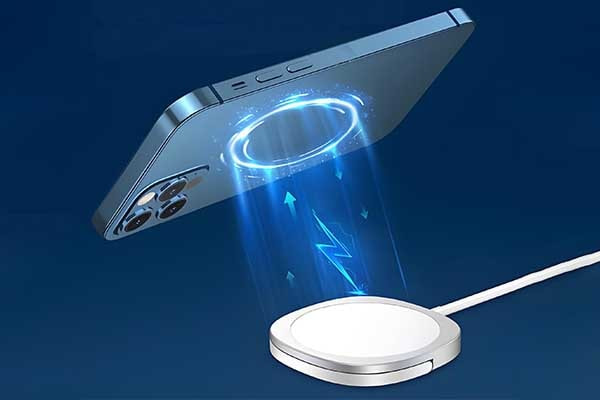
I often get asked about MagSafe. Many are curious about its importance. MagSafe is a magnetic charging and accessory attachment system introduced by Apple. It offers convenience and versatility, which is a big deal.
MagSafe simplifies charging with a magnetic connection that snaps into place. It also enables easy attachment of accessories. This makes it more user-friendly compared to traditional charging methods.
How MagSafe Simplifies Charging
MagSafe has truly revolutionized the way we charge our devices. Before MagSafe, I remember struggling with finding the right alignment when plugging in a charging cable. With MagSafe, those days are long gone. The magnetic connection ensures that the charger attaches securely and in the correct position every time.
Let's take a look at a comparison of traditional charging and MagSafe charging in the following table:
| Charging Method | Alignment Difficulty | Connection Security |
|---|---|---|
| Traditional Charging | High - need to carefully insert the cable | Can be easily disconnected if cable is tugged |
| MagSafe Charging | Low - magnetic alignment does the work | More secure - magnetic connection holds firmly |
This simplicity is not just a matter of convenience. It also reduces the wear and tear on the charging port of our devices. I've had my fair share of devices with damaged charging ports due to misalignment or forceful insertion of cables. With MagSafe, M-Magnet and other manufacturers are seeing a potential shift in how we think about device durability.
MagSafe and Accessory Attachment
Another aspect that makes MagSafe a big deal is its ability to attach accessories. Apple has introduced a range of MagSafe-compatible accessories, such as wallets and battery packs. This means that we can easily add functionality to our iPhones. For example, a MagSafe wallet can be attached to the back of the phone, providing a convenient place to store cards.
The magnetic connection also allows for quick detachment and re - attachment of these accessories. I can easily swap out my MagSafe wallet for a MagSafe battery pack when I need a power boost. This flexibility is something that was not possible with traditional non - magnetic attachment methods.
When considering the potential of a portless iPhone, MagSafe becomes even more significant. Without physical ports, the ability to charge wirelessly[14] and attach accessories wirelessly becomes crucial. MagSafe offers a reliable solution for both charging and accessory connection. As M-Magnet, we are keeping a close eye on how MagSafe evolves, as it could open up new opportunities for our magnet - related products in the future. Whether it's for more efficient charging solutions or innovative accessory designs, MagSafe is definitely a game - changer in the world of mobile devices.
Conclusion
MagSafe provides essential groundwork for a portless iPhone through its reliable wireless charging and accessory connectivity. While technical hurdles remain – like matching wired charging speeds – Apple’s steady improvements suggest a portless future is achievable. As magnetic solution experts, we at M-Magnet continue developing stronger, more efficient magnet systems to support this wireless revolution. The elimination of ports could begin as early as 2025, reshaping how users interact with their devices.
Note:
[14]Explain the ablity of wireless charging by learning about how wireless charging works.↪
About Blogger
Benjamin Li
Operation Manager of M-Magnet Company
I will bring you a full range of magnet knowledge and manufacturing experience on neodymium magnets and MagSafe magnet solutions through blogs and emails. I'm not an expert yet in magnets, but we have a whole team to help you solve technical issues, design drawing details, compatibility suggestions from magnetic assemblies, magnet purchasing and many other customized magnet solutions from China. You can follow my blogs on knowledge sharing or contact me for your own magnet solutions. We will always do the best.