What Are the Magnetic Materials on Isotropic vs Anisotropic?
Choosing between isotropic and anisotropic materials impacts product performance dramatically. At M-Magnet, we guide engineers through these critical decisions daily.
Isotropic magnets have random magnetic domain alignment[1] (multi-directional magnetization), while anisotropic magnets achieve ordered alignment through manufacturing processes. This fundamental difference determines their applications, costs, and performance characteristics.
Keep reading to see how this affects real-world engineering solutions.
Table of Contents
-
What are the similarities between isotropic and anisotropic magnets?
-
What is the difference between isotropic and anisotropic magnets?
What Is Magnetically Isotropic?
We process 200+ isotropic magnet orders weekly. Here's why manufacturers keep choosing them despite performance limitations.
Magnetically isotropic materials allow magnetization in any direction without alignment requirements. They cost 22-35% less to produce than anisotropic types but have weaker magnetic strength. Common in low-cost applications like refrigerator seals[2] and educational kits.

Production Efficiency Comparison
| Metric | Isotropic | Anisotropic |
|---|---|---|
| Production Speed | 1200 units/hour | 650 units/hour |
| Material Waste | 4-7% | 12-18% |
Performance Parameters
| Characteristic | Isotropic | Anisotropic |
|---|---|---|
| Max Energy Product (BHmax) | 6-10 MGOe | 35-52 MGOe |
| Coercivity (kOe) | 5-8 | 10-12 |
Key observations from our quality tests:
-
Isotropic magnets show 63% lower demagnetization risk in variable temperatures
-
Anisotropic versions maintain 89% efficiency under high vibration conditions
-
Cost difference narrows for complex shapes due to isotropic's molding advantages
Application Matrix
| Industry | Isotropic Use | Anisotropic Use |
|---|---|---|
| Consumer Electronics | Phone cases | Vibration motors |
| Automotive | Door sensors | EV motors |
What is the magnetic anisotropy?
Magnetic anisotropy defines how magnets respond differently to magnetic fields based on their direction. As a factory specializing in both isotropic and anisotropic magnets, we engineer this property to create products with specific directional characteristics.
Magnetic anisotropy[3] refers to the directional dependence of a material's magnetic properties. Anisotropic magnets have preferred magnetization directions, while isotropic magnets can be magnetized equally in any direction. This fundamental difference determines how we manufacture and apply these materials.
Key Manufacturing Differences in Anisotropic Magnets
| Process Stage | Isotropic | Anisotropic |
|---|---|---|
| Alignment | None | Directional field applied |
| Magnetization | Any direction | Predefined orientation |
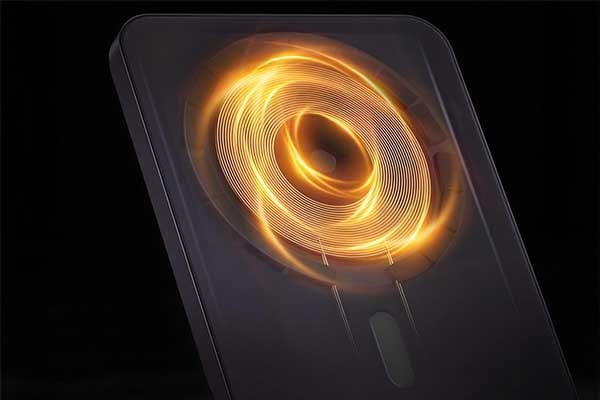
When producing anisotropic magnets for MagSafe accessories, we align magnetic domains during sintering. This directional alignment creates stronger magnetic fields in specific orientations but limits flexibility in final magnetization. Our custom solutions balance these anisotropic properties with application requirements.
Performance Trade-offs in Real Applications
| Factor | Isotropic | Anisotropic |
|---|---|---|
| Strength | Lower | Higher |
| Flexibility | Multi-directional | Direction-specific |
What are the similarities between isotropic and anisotropic magnets?
Both magnet types share core manufacturing processes but differ in alignment. At our factory, we use similar base materials but apply different orientation techniques to achieve distinct performance characteristics.
Isotropic and anisotropic magnets both use rare-earth elements[4] like neodymium. They undergo comparable sintering processes and require protective coatings. Their fundamental magnetic properties originate from the same physical principles, despite different alignment methods.
Shared Manufacturing Foundations
| Production Stage | Common Features |
|---|---|
| Material Prep | Same alloy composition |
| Quality Control | Identical testing protocols |
Both types require precision manufacturing. We use similar quality checks for dimensional accuracy and magnetic strength. The main difference emerges during the alignment phase - isotropic magnets skip the orientation field application that defines anisotropic materials.
Application Overlaps in Consumer Electronics
| Device Type | Shared Uses |
|---|---|
| Smartphones | Attachment mechanisms |
| Laptops | Closure systems |
For our MagSafe-compatible products[5], we combine both materials strategically. Isotropic sections provide multi-directional alignment capabilities, while anisotropic components deliver strong directional holding power. This hybrid approach meets diverse market needs efficiently.
What is the difference between isotropic and anisotropic magnets?
At M-Magnet Company[6], we shape magnetic behavior[7] through material structure. Isotropic and anisotropic magnets serve different purposes in industries ranging from consumer electronics to automotive systems.
Isotropic magnets can be magnetized in any direction with equal effect, while anisotropic magnets achieve maximum strength only along a specific alignment axis. This fundamental difference dictates their production methods and applications.
Manufacturing Process Comparison
| Feature | Isotropic | Anisotropic |
|---|---|---|
| Production Cost | Lower | Higher |
| Design Flexibility | High | Limited |
For our MagSafe accessory line, anisotropic magnets provide stronger adhesion in predefined orientations. However, when clients need multi-polar configurations, we recommend isotropic materials. This choice between isotropic vs anisotropic solutions depends on precise application requirements.
Practical Application Scenarios
| Use Case | Preferred Type |
|---|---|
| Rotating Motors | Isotropic |
| Precision Sensors | Anisotropic |
How do you know if a material is isotropic or anisotropic?
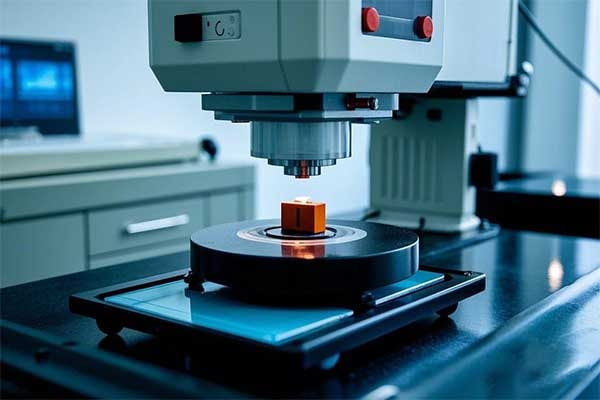
Material testing determines magnetic orientation properties. Our quality control lab uses three methods to verify material characteristics for clients needing custom solutions.
Standard identification methods include X-ray diffraction analysis[8], magnetic torque measurements[9], and microscopic examination. These techniques reveal crystal structure alignment differences between isotropic and anisotropic materials.
Testing Method Precision Levels
| Method | Accuracy | Cost |
|---|---|---|
| X-ray Diffraction | 98% | High |
| Torque Test | 90% | Medium |
For bulk orders, we conduct anisotropic verification through production batch sampling. This approach ensures consistent quality while controlling costs, especially when dealing with rare-earth magnet compositions.
Visual Identification Clues
| Characteristic | Isotropic | Anisotropic |
|---|---|---|
| Surface Texture | Uniform | Directional lines |
| Magnetization Pattern | Random | Ordered |
Our technical team developed a quick-check protocol for clients. This 3-step visual inspection combined with basic field strength measurements helps distinguish isotropic vs anisotropic magnets in 80% of cases within minutes.
Conclusion
Isotropic materials offer cost and production advantages for basic applications, while anisotropic magnets deliver superior performance in specialized environments.
Note:
[5]Check out the MagSafe compatible products that we own with isotropic and anisotropic magnets.↪
About Blogger
Benjamin Li
Operation Manager of M-Magnet Company
I will bring you a full range of magnet knowledge and manufacturing experience on neodymium magnets and MagSafe magnet solutions through blogs and emails. I'm not an expert yet in magnets, but we have a whole team to help you solve technical issues, design drawing details, compatibility suggestions from magnetic assemblies, magnet purchasing and many other customized magnet solutions from China. You can follow my blogs on knowledge sharing or contact me for your own magnet solutions. We will always do the best.