Is there a magnet that can turn into a MagSafe accessory?
Is there a magnet that can turn into a MagSafe accessory?
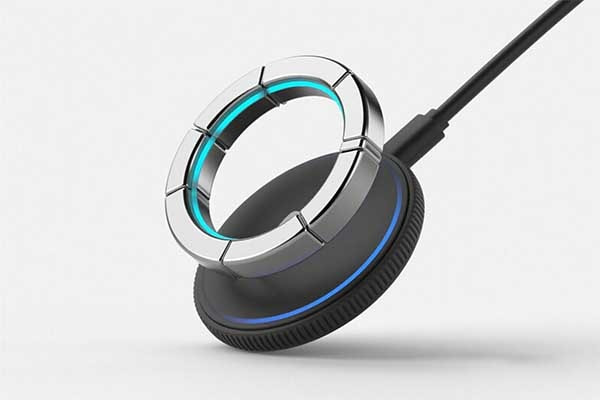
MagSafe accessories have become popular for their ease of use and secure attachment. But can any magnet turn a regular item into a MagSafe accessory? Let's explore this question.
MagSafe magnet enables strong, precise magnetic connections between iPhones and accessories. While you cannot simply use any magnet to create a true MagSafe accessory, specialized magnetic adapters and conversion kits with neodymium magnets can make non-MagSafe items compatible.
Keep reading to understand what MagSafe magnet does and how it works.
Table of Contents
What does a MagSafe magnet do?
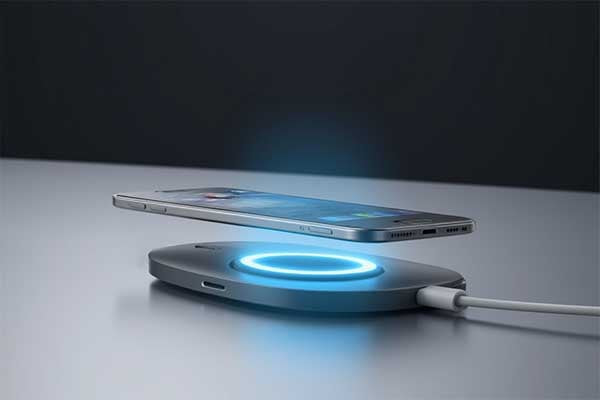
MagSafe magnet solves the problem of weak or misaligned wireless charging and accessory attachment. Without them, devices may not charge properly or accessories can fall off easily.
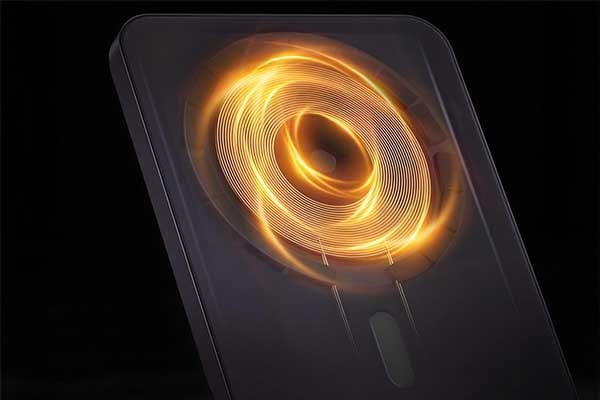
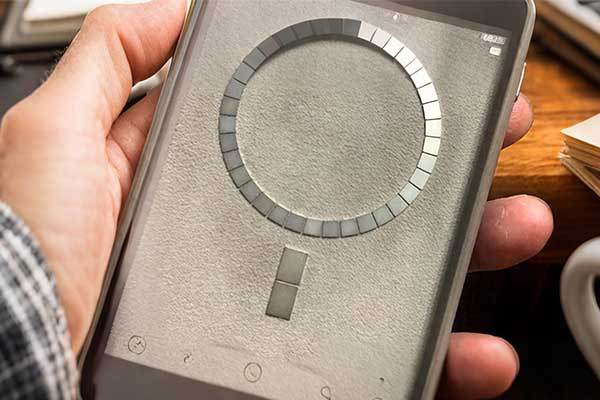
MagSafe magnet is arranged in a circular pattern around the iPhone’s charging coil. They align accessories perfectly and hold them securely while allowing fast wireless charging up to 15 watts. This magnetic array ensures reliable power transfer and easy snap-on attachment of cases, wallets, and chargers.
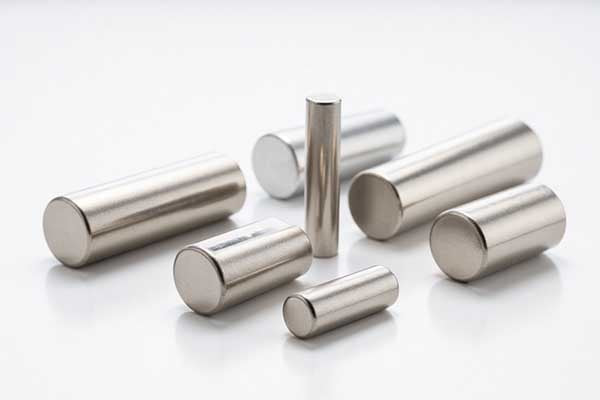
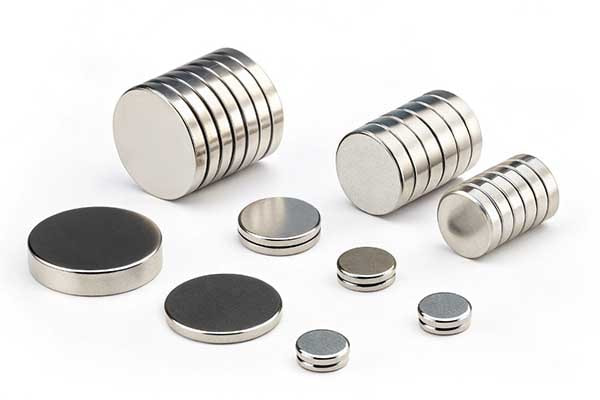
MagSafe magnet uses neodymium magnets, which are strong and durable. These magnets create a magnetic field that precisely aligns the accessory with the phone’s charging coil, improving charging speed and stability.
How MagSafe magnets enable accessory compatibility
MagSafe magnets are not just any magnets; they are carefully designed and positioned to work with Apple’s ecosystem. Here are key factors that explain their function and how they can be used to convert non-MagSafe accessories:
1. Magnet Type and Strength
Most MagSafe accessories use high-grade neodymium magnets (e.g., N52 grade). These magnets provide strong magnetic pull needed for secure attachment. Lower-grade magnets won’t hold accessories firmly and may cause detachment issues.
2. Magnet Arrangement and Size
The circular array of magnets matches the iPhone’s internal magnetic ring. This alignment is critical. Simply attaching a random magnet will not guarantee the correct positioning or charging efficiency.
3. Magnetic Conversion Kits
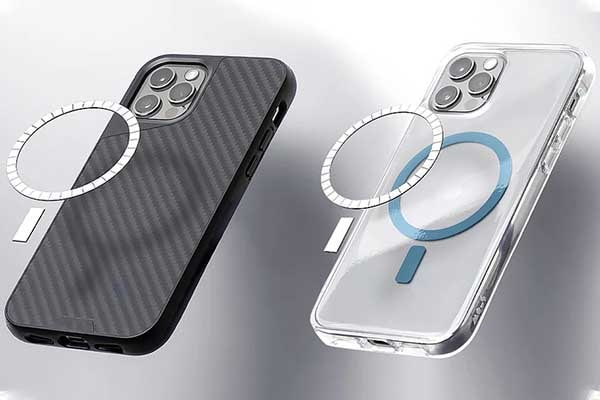
Products like the Case-Mate Magnetic Conversion Kit or Scosche Adhesive MagSafe Adapters use neodymium magnets embedded in thin stickers or rings. These kits can turn most smooth phone cases or accessories into MagSafe-compatible items by replicating the magnetic layout and strength needed for proper function.
4. Wireless Charging Compatibility
MagSafe magnets allow pass-through wireless charging by aligning the accessory so the charging coil is not blocked. This ensures the device can charge efficiently while attached to the accessory.
5. Design Impact on Magnetic Performance
The thickness of the accessory’s material, the presence of metal parts, and surface texture affect magnetic strength. Smooth, thin cases work best with magnetic adapters.
| Feature | MagSafe Magnet | Regular Magnet |
|---|---|---|
| Magnet Type | High-grade Neodymium (N52) | Varies, often weaker |
| Magnet Arrangement | Circular array matching iPhone coil | Random or single magnet |
| Wireless Charging Support | Yes, optimized for Qi and MagSafe | No or limited |
| Attachment Strength | Strong and stable | Weak or inconsistent |
| Compatibility | iPhone 12 and newer, MagSafe accessories | Universal but not MagSafe compatible |
In summary, while you cannot just use any magnet to turn an accessory into a true MagSafe accessory, magnetic conversion kits with the right neodymium magnets can make non-MagSafe items compatible. These kits replicate the magnetic layout and strength needed for secure attachment and wireless charging.
Does MagSafe magnet wear off?
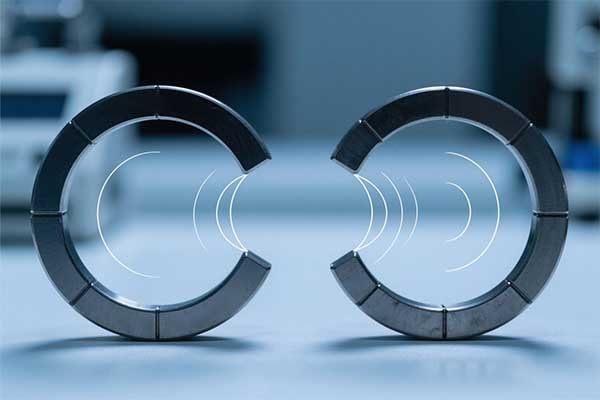
You might worry about your MagSafe accessories losing their grip over time. The magnetic strength matters for your daily phone use. Many users wonder if their investment will last.
MagSafe magnets can experience some reduction in magnetic strength over extended periods, but high-quality neodymium magnets used in genuine MagSafe accessories typically maintain their magnetic properties for many years under normal usage conditions.
Understanding MagSafe Magnet Durability
The durability of MagSafe magnets depends on several critical factors that affect their long-term performance. Temperature exposure plays a major role in magnetic degradation. Extreme heat can cause permanent damage to the magnetic structure. Cold temperatures can temporarily reduce magnetic strength but usually don't cause permanent harm.
Physical impacts also affect magnet performance. Dropping your phone or MagSafe accessory can create micro-fractures in the magnetic material. These small damages accumulate over time. The quality of the original magnet material determines how well it resists these impacts.
Corrosion presents another challenge for MagSafe magnets. Moisture and humidity can slowly degrade the magnetic coating. This process happens more quickly in coastal areas with salt air. Proper protective coatings help prevent this deterioration.
| Factor | Impact on Magnet Life | Prevention Method |
|---|---|---|
| High Temperature | Permanent strength loss | Avoid direct sunlight, hot cars |
| Physical Impact | Gradual weakening | Use protective cases |
| Moisture | Corrosion damage | Keep accessories dry |
| Age | Natural degradation | Choose quality materials |
Manufacturing quality makes a huge difference in magnet longevity. Companies like M-Magnet use premium neodymium materials with advanced coating techniques. These high-grade magnets resist environmental damage much better than cheaper alternatives.
The magnetic field strength of quality MagSafe magnets typically decreases by less than 5% over five years of normal use. This small reduction rarely affects practical functionality. Users often don't notice any difference in their daily experience.
Regular maintenance helps preserve magnet strength. Cleaning the magnetic surfaces removes debris that can interfere with contact. Avoiding exposure to strong electromagnetic fields prevents demagnetization. Storing accessories properly when not in use extends their lifespan.
Some users report weaker magnetic connections after years of use. This often results from accumulated dust and debris rather than actual magnet degradation. A simple cleaning usually restores full functionality. The magnet itself remains strong even when the connection feels weak.
Are MagSafe magnets bad for your phone?
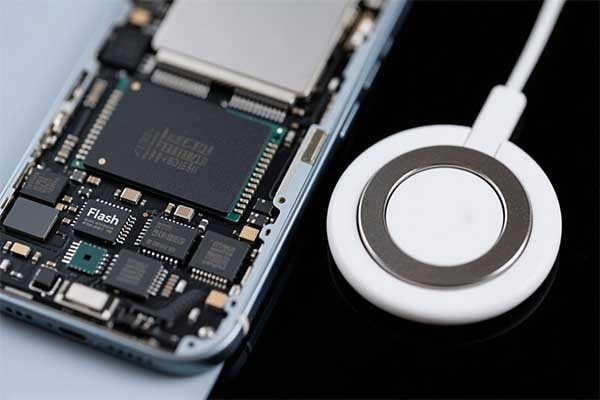
Phone safety concerns you when using magnetic accessories. Electronic devices contain sensitive components that might be affected. Understanding the real risks helps you make informed decisions.
MagSafe magnets are specifically designed to be safe for modern smartphones and do not cause damage to phone components, storage, or functionality when used as intended, though some precautions apply to certain accessories.
Examining Phone Component Safety
Modern smartphones use solid-state storage that magnetic fields cannot damage. Flash memory chips store data electronically without magnetic components. This design makes them immune to external magnetic interference. Your photos, apps, and files remain completely safe around strongest MagSafe magnets.
The phone's internal components also resist magnetic damage. Circuit boards use digital signals that magnets cannot disrupt. The processor, RAM, and other chips operate normally near magnetic fields. Apple and other manufacturers test their devices extensively with magnetic accessories.
Battery safety represents another important consideration. Lithium-ion batteries don't contain magnetic materials that could be affected. The charging circuits handle magnetic field exposure without problems. Heat generation during charging poses more risk than the magnetic field itself.
Screen technology in modern phones isn't vulnerable to magnetic damage. LCD and OLED displays use electrical rather than magnetic principles. Touch sensors continue working normally around magnets. The screen remains responsive and clear regardless of magnetic field exposure.
| Phone Component | Magnetic Sensitivity | Safety Level |
|---|---|---|
| Flash Storage | None | Completely safe |
| Battery | None | Completely safe |
| Display | None | Completely safe |
| Compass | High | Temporary interference |
However, some phone functions can experience temporary interference. The digital compass might show incorrect readings near strong magnets. This effect disappears when you move away from the magnetic field. Navigation apps automatically recalibrate once normal conditions return.
Credit cards and magnetic strips present a different consideration. Traditional magnetic stripe cards can be damaged by strong magnets. Keep these cards away from powerful MagSafe magnets. Modern contactless cards use chip technology that isn't affected by magnetic fields.
Medical devices require special attention around magnetic accessories. Pacemakers and other implanted devices might be sensitive to magnetic fields. Consult your doctor before using magnetic phone accessories if you have medical implants. Most people can use magsafe magnets safely without any health concerns.
The strength of MagSafe magnets is carefully calibrated for phone safety. Manufacturers like M-Magnet design their products to provide strong attachment without exceeding safe magnetic field levels. This balance ensures reliable performance while protecting your device.
Quality control in magnet manufacturing prevents dangerous field strengths. Reputable manufacturers test their products extensively before release. They verify that magnetic field levels stay within safe ranges for all phone components. This testing process protects users from potential problems.
Long-term studies show no negative effects from regular MagSafe magnet use. Phones continue functioning normally after years of magnetic accessory use. The careful design of both phones and accessories ensures compatibility without compromise. Users can confidently enjoy the convenience of magnetic accessories while keeping their devices safe.
How long do MagSafe magnets last?
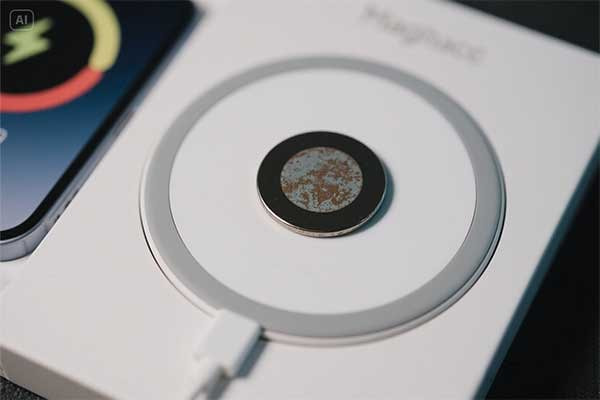
Are you concerned about the lifespan of your MagSafe accessories? Many users wonder about magnet durability. Understanding the longevity of a magnet for MagSafe is important.
MagSafe magnets are permanent magnets, typically made from rare-earth materials like neodymium. They retain their magnetic properties for a very long time, often decades or even centuries, under normal use. Demagnetization usually only occurs from extreme heat, strong opposing magnetic fields, or significant physical shock. Normal daily use does not significantly weaken them.
The lifespan of a magnets for MagSafe is a common question. MagSafe technology uses permanent magnets. These are not like electromagnets, which need electricity to work. Instead, permanent magnets keep their magnetic properties on their own. The magnets used in MagSafe products are usually neodymium magnets. As a neodymium magnet manufacturer, we know these are some of the strongest types of permanent magnets available.
Permanent magnets lose their strength only under specific conditions. These conditions are not part of normal daily use. One factor is extreme heat. If a magnet is exposed to temperatures above its Curie temperature, it can lose its magnetism. For neodymium magnets, this temperature is quite high. It is usually around 310 to 400 degrees Celsius (590 to 752 degrees Fahrenheit). Your phone or MagSafe accessory will not reach these temperatures during normal operation or even charging. So, heat damage from regular use is not a concern for the magnet itself.
Another factor is a strong opposing magnetic field. If you place a strongest MagSafe magnet near an even stronger magnet that pulls in the opposite direction, it could weaken the MagSafe magnet. However, the magnets used in MagSafe are designed to be strong. Most household magnets are not powerful enough to cause significant demagnetization. Industrial equipment with very powerful magnetic fields could potentially cause an issue. But for everyday interactions, this is not a risk.
Physical shock can also affect a magnet. Dropping a MagSafe accessory repeatedly from a great height could, in theory, cause some minor loss of magnetism over a very long time. This is because sudden impacts can slightly disorganize the internal magnetic domains. But the effect from typical drops or bumps is usually negligible. The housing of the MagSafe accessory also protects the magnets inside. As a MagSafe magnet factory, we ensure our magnets are robust. We also offer magnet customized solutions designed for durability.
In summary, the magnets in MagSafe accessories are made to last. They will likely outlive the electronic device they are attached to. You can expect your magnets for MagSafe to maintain its strength for many years, even decades.
Key Influences on MagSafe Magnet Durability
| Factor | Description | Impact on MagSafe Magnets |
|---|---|---|
| Extreme Heat | Exposure to temperatures above the magnet's Curie point. | Can cause permanent demagnetization, but not from normal device use. |
| Strong Opposing Magnetic Fields | Proximity to a more powerful magnet with opposing poles. | Rarely affects MagSafe magnets in daily life, only from extremely strong external sources. |
| Physical Shock | Repeated dropping or strong impacts. | Minor, negligible effect over very long periods; protective casing helps. |
| Corrosion | Exposure to moisture or harsh chemicals, especially for uncoated magnets. | Neodymium magnets are coated. This protects them from environmental damage. |
Does MagSafe magnet damage battery?
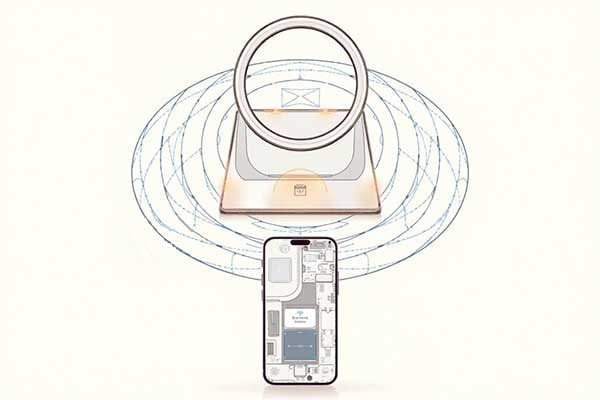
Are you concerned about your phone battery's health? Many people worry if a magnet for MagSafe could cause harm. It is important to separate fact from myth. Let's look at the actual impact.
MagSafe magnets do not damage a smartphone battery. Modern smartphone batteries, particularly lithium-ion ones, are not affected by static magnetic fields. Apple designed MagSafe to work safely with its iPhones, incorporating proper shielding and power management. Any heat generated during wireless charging is normal and managed by the device.
A common concern among smartphone users is whether the magnets in MagSafe accessories can harm their device's battery. This concern comes from older technologies. In the past, some electronic devices were sensitive to magnetic fields. But modern smartphones and their batteries are different.
Today's smartphones, including iPhones that use MagSafe, rely on lithium-ion batteries. These batteries work on chemical reactions. They do not use magnetic principles for their operation. Because of this, static magnetic fields, like those from the magnets for MagSafe, do not affect them. The magnets simply help align the phone correctly on the wireless charger or hold an accessory in place. They do not directly interact with the battery's internal components in a harmful way.
Apple designs MagSafe technology to be safe for its devices. This includes careful engineering. The company adds proper shielding within the iPhone to protect sensitive components from any magnetic interference. Also, the charging process itself is managed by the phone's internal software. This software controls charging speed and temperature. This prevents overheating. Overheating can indeed shorten a battery's life. However, any heat generated during MagSafe wireless charging is a normal part of the energy transfer process. It is not caused by the magnets themselves. The phone manages this heat to stay within safe operating limits.
Wireless charging, whether MagSafe or other Qi-based systems, generates some heat. This is inherent to the process of converting electrical energy into electromagnetic waves and then back into electrical energy. The phone's battery management system is designed to handle this. It will slow down charging or even pause it if the temperature gets too high. This protects the battery from long-term damage. Their role is mechanical alignment and secure attachment. They are not the source of battery issues.
Ultimately, using a magnet for MagSafe will not damage your phone's battery. The technology is designed with safety and battery longevity in mind. You can use your MagSafe accessories with peace of mind.
Understanding MagSafe's Impact on Phone Batteries
| Aspect | Explanation | Battery Impact |
|---|---|---|
| Magnet Type | Permanent magnets (neodymium) used for alignment and attachment. | No direct effect on lithium-ion battery chemistry. |
| Battery Type | Modern smartphones use lithium-ion batteries. | Lithium-ion batteries are insensitive to static magnetic fields. |
| Heat Generation | Heat is a natural byproduct of wireless charging. | Managed by phone's internal system to prevent harmful overheating; not caused by magnets. |
| Device Design | Phones have shielding and software to regulate charging. | Ensures safe operation and protects battery longevity. |
Can you remove a MagSafe magnet?
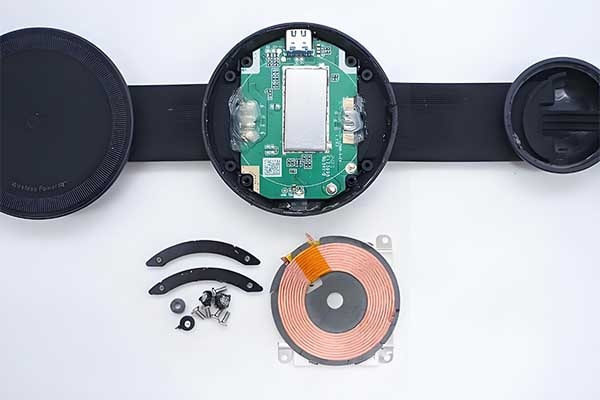
People often struggle when a MagSafe magnet gets damaged or misaligned. They worry about whether it can be removed without harming the device or the accessory.
Yes, you can remove a MagSafe magnet from most accessories. However, the removal process depends on the type of product and how the magnet was originally installed, like with glue, clips, or embedded molds.
Removing a MagSafe magnet is not always simple. Many accessories embed the magnet securely using adhesive or molded plastic. If the product was designed with modular components, it is relatively easy to take out. However, if the magnet is embedded inside sealed parts, removal may damage the case or device.
Common Methods to Remove a MagSafe Magnet
| Product Type | Magnet Attachment | Removal Difficulty | Tools Needed |
|---|---|---|---|
| Phone Case | Glued Inside | Medium | Heat Gun, Pry Tool |
| Wallet | Sewn or Molded | Hard | Knife, Cutter |
| MagSafe Ring | Adhesive | Easy | Fingernail, Tweezers |
Factors to Consider Before Removing
Adhesive Strength:
Many MagSafe magnets use industrial-grade adhesive. Heating can soften the glue but overheating can damage plastic or electronic components.Product Structure:
MagSafe rings on cases are often accessible, while magnets inside stands, chargers, or wallets are embedded within layers of material.Magnet Type:
The type of magnet also matters. Magsafe magnets are typically neodymium, known for their brittleness. Excessive force can cause them to crack.
Safe Removal Process
Warm the surface with a heat gun at low temperature (around 60-70°C).
Use a thin plastic pry tool to lift the edges.
If it feels resistant, apply more heat gradually.
Pull slowly without bending the magnet.
When Should You Not Remove It?
If the magnet is part of wireless charging alignment, removing it can cause misalignment or poor charging performance.
If the magnet is embedded in a precision-fit product, removal can permanently deform the shell.
At M-Magnet, we offer replacement MagSafe magnets and custom solutions. Whether you need to fix an accessory or design your own MagSafe-compatible product, our factory provides high-precision magnets tailored for such uses.
Applications for Replacement
Once removed, the new magnet can be upgraded. Some users replace standard MagSafe magnets with stronger or thinner versions to suit special needs, like:
Metal phone cases
Thick wallets
Custom stands
DIY accessories
Choosing a high-quality strongest MagSafe magnet ensures durability, stable holding force, and perfect wireless charging alignment.
Conclusion
A true MagSafe accessory requires a specific arrangement of strong neodymium magnets aligned with the iPhone’s internal magnetic ring. While ordinary magnets won’t work, magnetic conversion kits can add MagSafe compatibility to many accessories. These kits use high-grade magnets and precise layouts to ensure secure attachment and efficient wireless charging. As a magnet manufacturer, understanding these details helps in producing quality MagSafe magnet solutions that meet user expectations.
This knowledge is key for anyone looking to create or convert products into MagSafe-compatible accessories using reliable magnets.
About Blogger
Benjamin Li
Operation Manager of M-Magnet Company