Gauss: What does it mean?
Understanding the concept of Gauss is essential when working with magnets and magnetic fields. Whether you’re measuring the strength of a magnet, studying the Earth’s magnetic field, or working with high-tech devices, knowing what Gauss means can help you interpret magnetic measurements. Let’s break it down and explore the significance of Gauss in everyday life and in scientific contexts.
Gauss is a unit of measurement used to express the strength of magnetic fields. It plays a crucial role in various fields like physics, electronics, and even medical imaging. Knowing how to measure and interpret Gauss can help in multiple industries.
Now, let’s explore what exactly Gauss is and how it is used to measure magnetic fields.
Table of Contents
What is Gauss?

Gauss is a unit of measurement that quantifies the strength of a magnetic field. It is named after Carl Friedrich Gauss, a German mathematician and physicist who made significant contributions to the study of magnetism. One Gauss is defined as one Maxwell per square centimeter, or 1 G = 1 Mx/cm².
Gauss[1] is a measurement used to describe the intensity of a magnetic field[2]. It helps us understand how strong or weak a magnetic field is in various applications, from electronics to industrial machinery.
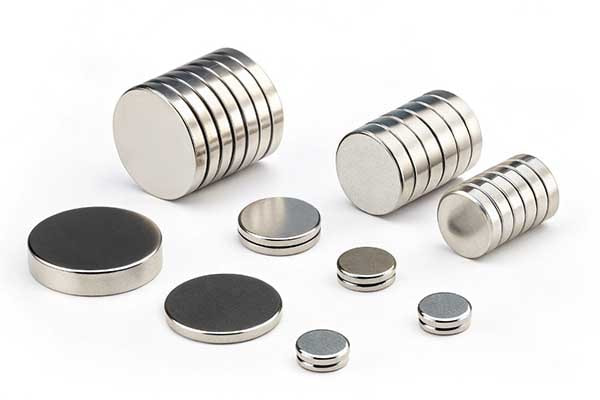
Gauss is widely used in fields like physics, electrical engineering, and magnetics to measure the strength of magnetic fields. A magnetic field is invisible to the naked eye, but its effects can be observed in various phenomena, such as how magnets attract or repel. The higher the number of Gauss, the stronger the magnetic field. For example, a fridge magnet typically has a field strength of around 100 Gauss, while an MRI machine can generate a magnetic field of several thousand Gauss.
| Magnetic Field Strength | Measurement (in Gauss) | Common Application |
|---|---|---|
| Earth’s magnetic field | 0.25 to 0.65 G | Navigation, compasses |
| Fridge magnets | 50 to 100 G | Household items, decorative |
| MRI machines | 10,000 to 30,000 G | Medical imaging |
How powerful is 1 Gauss?
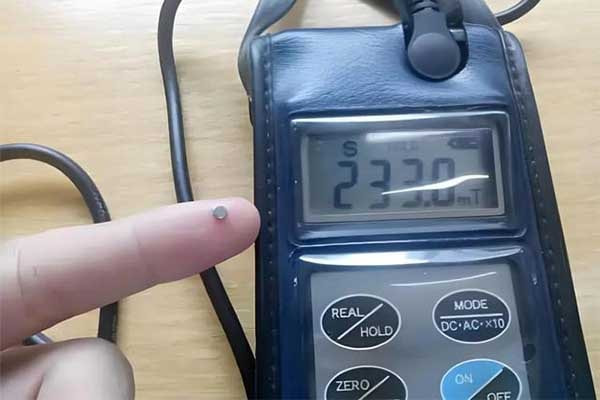
To understand the power of 1 Gauss, it’s helpful to put it in context. A single Gauss is a relatively weak magnetic field. For comparison, the Earth’s magnetic field is approximately 0.25 to 0.65 Gauss, which is much weaker than most everyday magnets.
1 Gauss is a small magnetic field strength. For reference, the Earth’s magnetic field[3] is around 0.25 to 0.65 Gauss, so 1 Gauss is stronger but still considered quite weak in most industrial applications.
While 1 Gauss may seem small, it is a useful unit in specific contexts, particularly for low-strength magnetic fields. For example, the field produced by a fridge magnet can range from 50 to 100 Gauss, which is several orders of magnitude stronger than 1 Gauss. However, in industrial and medical applications, much stronger magnetic fields are required, such as those in MRI machines[4], which can reach up to 30,000 Gauss.
For most everyday purposes, such as using magnets for holding items or creating small electrical components, the magnetic field strength of 1 Gauss would be too weak. However, it can be useful for delicate measurements or research, where even small variations in magnetic fields need to be detected.
| Magnet Type | Magnetic Field (in Gauss) | Strength Description |
|---|---|---|
| Earth’s Magnetic Field | 0.25 to 0.65 G | Weak magnetic field |
| Refrigerator Magnet | 50 to 100 G | Moderate strength |
| MRI Machine | 10,000 to 30,000 G | Very high strength |
What Gauss level is safe? (Is 15000 Gauss a lot?)
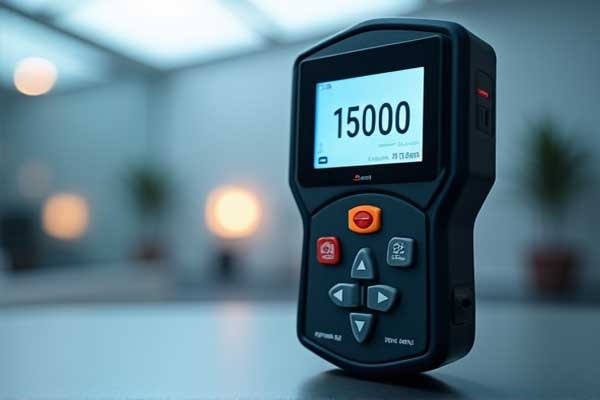
The safety of exposure to magnetic fields depends on the strength of the field and the duration of exposure. Magnetic fields in the range of 15,000 Gauss[5] are considered quite strong and could potentially have harmful effects on the human body if exposed for extended periods.
Magnetic fields of 15,000 Gauss or more are considered strong and may pose health risks. However, typical everyday exposures to magnetic fields are usually within safe limits between 50 Gauss and 4000 Gauss.
While it may seem concerning, exposure to strong magnetic fields, such as 15,000 Gauss, is generally not dangerous in the short term. MRI machines, which are commonly used in medical diagnostics, can produce fields in this range. However, the exposure is controlled and limited to very brief periods, ensuring that it does not have any lasting effects on the body.
For people working in environments where they are exposed to high magnetic fields, such as MRI technicians or those working with powerful industrial magnets, safety precautions are essential. Prolonged exposure to high magnetic fields can cause health problems[6] like nausea, dizziness, or even interference with implanted medical devices, such as pacemakers.
| Magnetic Field Strength | Safe Exposure Time | Potential Health Effects |
|---|---|---|
| Below 2,000 G | No restrictions | Safe for general use |
| 2,000 to 10,000 G | Short-term exposure | Possible mild effects in sensitive individuals |
| 15,000 G and higher | Limited exposure | Potential risks without proper safety measures |
How many Gauss is an iPhone?
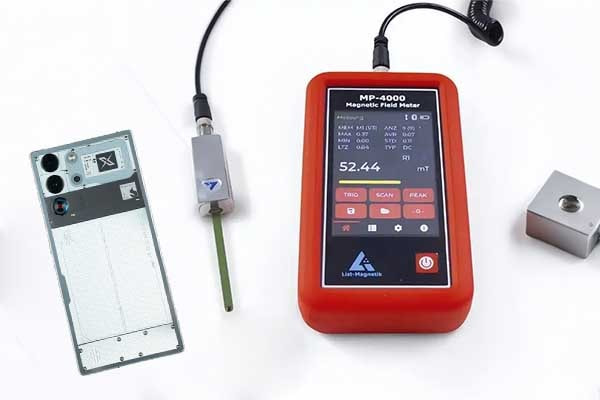
Many modern devices, including smartphones like the iPhone, contain magnets that generate their own magnetic fields. While the strength of the magnetic field in an iPhone is relatively weak, it’s useful to understand its magnitude when compared to other magnetic sources.
An iPhone’s magnetic field[7] is quite small compared to industrial magnets. It typically generates a magnetic field in the range of 1 to 10 Gauss, depending on the model and components.
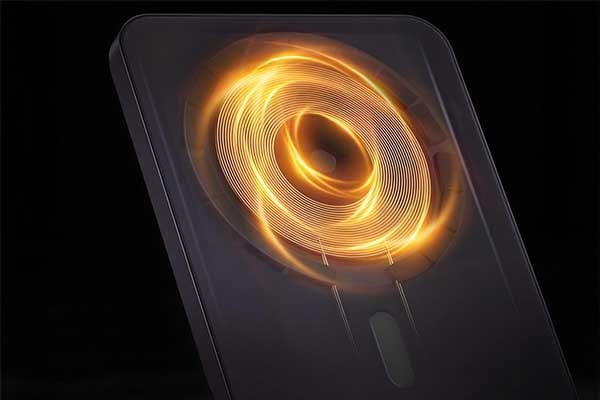
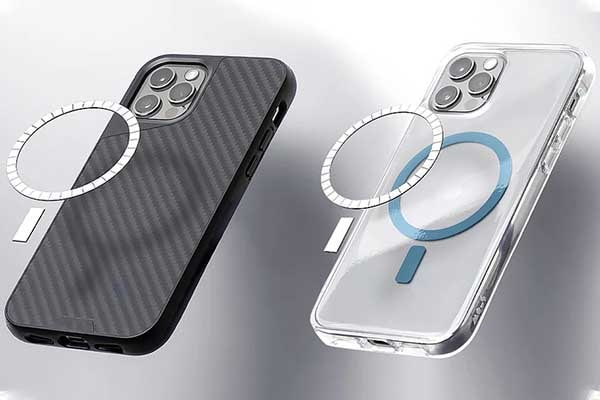
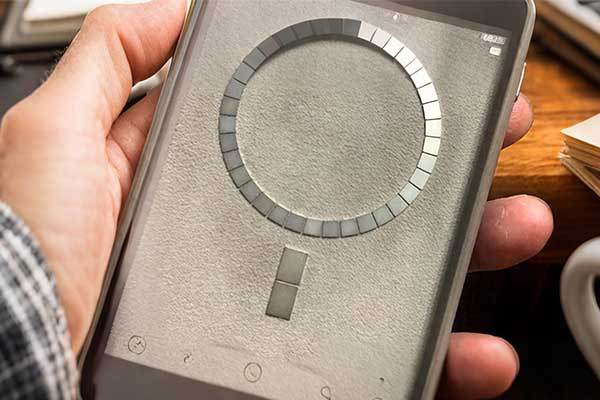
The magnetic field generated by an iPhone primarily comes from its internal components, such as speakers, magnets in the camera, and the magnets used in wireless charging (e.g., Magsafe). These fields are typically quite weak. For comparison, a refrigerator magnet may generate a field strength of 50 to 100 Gauss, much stronger than that of a smartphone.
For most users, the magnetic field generated by an iPhone is harmless and poses no risk. However, it’s always a good idea to avoid placing your phone near sensitive electronic devices or objects that may be affected by magnetic fields, such as credit cards, hard drives, or certain medical implants.
| Device | Magnetic Field Strength (in Gauss) | Description |
|---|---|---|
| iPhone | 1 to 10 G | Low magnetic field, typically for wireless charging |
| Refrigerator Magnet | 50 to 100 G | Moderate strength |
| MRI Machine | 10,000 to 30,000 G | Very strong magnetic field |
Which is bigger, Gauss or Tesla?
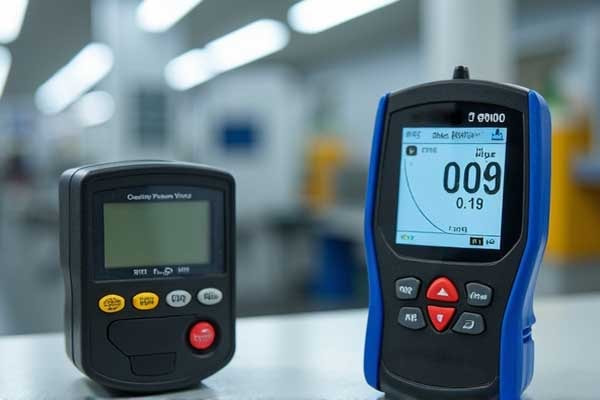
Gauss and Tesla are both units used to measure magnetic fields, but Tesla is the larger unit. One Tesla is equivalent to 10,000 Gauss. In practical terms, Tesla is often used for stronger magnetic fields, while Gauss is used for weaker ones.
Gauss and Tesla[8] are related units for measuring magnetic fields. 1 Tesla is equal to 10,000 Gauss, with Tesla used for stronger magnetic fields and Gauss for weaker ones.
The relationship between Gauss and Tesla is straightforward: 1 Tesla equals 10,000 Gauss. Tesla is used primarily in scientific contexts when measuring powerful magnetic fields, such as those in MRI machines or research laboratories. Gauss, on the other hand, is used for everyday magnetic field measurements, like those from small magnets or compasses.
The use of these two units depends largely on the strength of the magnetic field being measured. For instance, when discussing the Earth’s magnetic field or small household magnets, Gauss is the appropriate unit. However, in advanced physics or large-scale industrial applications, Tesla is more commonly used.
| Unit | Conversion | Typical Applications |
|---|---|---|
| Gauss | 1 T = 10,000 G | Small magnets, Earth’s magnetic field |
| Tesla | 1 T = 10,000 G | MRI machines, scientific research |
How to use a Gauss meter?
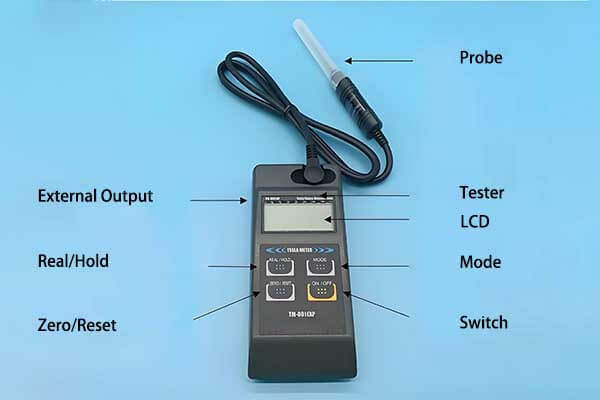
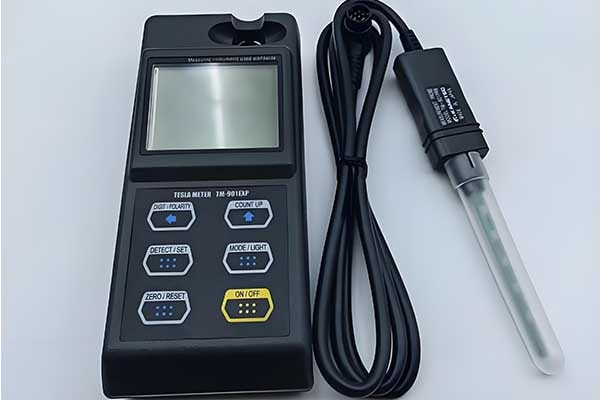
A Gauss meter is a device used to measure the strength of a magnetic field. These meters can detect the field strength in various units, including Gauss and Tesla. Using a Gauss meter involves placing the sensor near the magnetic field source and reading the strength on the display.
A Gauss meter[9] helps measure magnetic field strength. It’s a useful tool for scientists, engineers, and anyone working with magnets in different environments.
A Gauss meter is a valuable instrument for measuring the magnetic field in a variety of contexts. To use one, simply hold the sensor near the magnet or magnetic field source, and the display will show the magnetic field strength. Most Gauss meters allow you to switch between units, such as Gauss or Tesla, depending on the strength of the field you’re measuring.
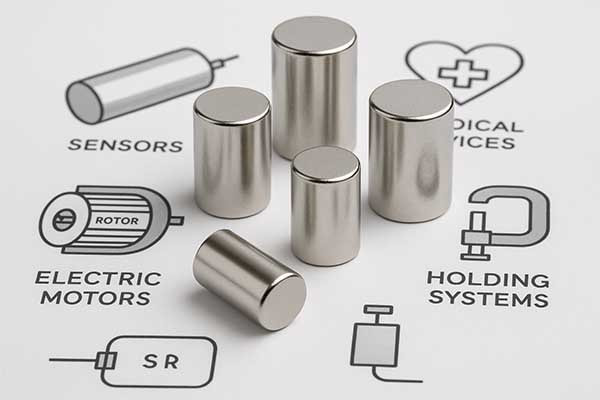
Gauss meters are essential in industries like electronics, manufacturing, and research, where accurate measurements of magnetic fields are necessary for quality control and product design. For example, when designing an electric motor, engineers use Gauss meters to ensure the magnetic field strength is within the desired specifications.
| Gauss Meter Feature | Function | Application |
|---|---|---|
| Field Strength | Measures magnetic field intensity | Electronics, motors, magnets |
| Unit Selection | Switch between Gauss and Tesla | Flexible use for different strengths |
| Display Type | Digital or analog readout | Easy to interpret for various applications |
Conclusion
Gauss is a unit of measurement that plays a key role in understanding magnetic fields. Whether you are working with small magnets, measuring the magnetic fields of industrial devices, or using medical equipment like MRI machines, Gauss helps quantify the strength of these fields. Understanding Gauss and its relation to other units, such as Tesla, can enhance your ability to work with magnetic technologies safely and effectively.
Note:
About Blogger
Benjamin Li
Operation Manager of M-Magnet Company
I will bring you a full range of magnet knowledge and manufacturing experience on neodymium magnets and MagSafe magnet solutions through blogs and emails. I'm not an expert yet in magnets, but we have a whole team to help you solve technical issues, design drawing details, compatibility suggestions from magnetic assemblies, magnet purchasing and many other customized magnet solutions from China. You can follow my blogs on knowledge sharing or contact me for your own magnet solutions. We will always do the best.