Why is Neodymium so important in electronics?

We are facing with electronic devices daily. But have you noticed neodymium's role? It's really a game-changer.
Neodymium is crucial in electronics because of its strong magnetic properties. It helps make devices smaller, more powerful, and energy-efficient[1]. That’s why it’s everywhere in electronics.
Ready to discover how neodymium works in electronics? Let’s dig in.
Table of Contents
How is neodymium used in electronics?

Neodymium is used in electronics mainly through magnets. These magnets power motors, speakers, and hard drives, making devices work smoothly and efficiently.
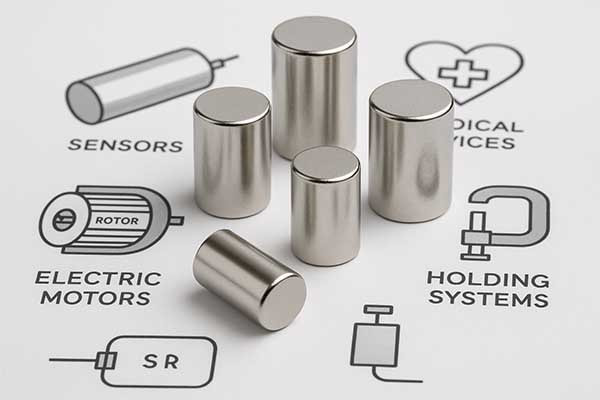
Neodymium is most commonly used in the form of neodymium magnets (NdFeB – neodymium, iron, and boron), which are the strongest commercially available permanent magnets. These magnets are easy to be customized and are found in smartphone speakers, hard drives, sensors, and wireless charging devices.
We use neodymium magnets in many electronics because they offer excellent magnetic strength. They are especially useful when space is limited but performance still matters. In our factory, we see daily how neodymium impacts many product categories. We cut, inspect, and assemble magnets for different electronic devices.
Neodymium's Role in Electronics
Neodymium magnets, also known as NdFeB magnets, are made from an alloy of neodymium, iron, and boron. They are the strongest type of permanent magnets available commercially, and this strength is what makes them so valuable in the electronics industry.
| Application | Function of Neodymium Magnets | Benefit |
|---|---|---|
| Motors | Generate a strong magnetic field | Smaller, more powerful, and energy-efficient motors |
| Speakers | Convert electrical signals into sound waves | Better sound quality |
| Hard Drives | Create a strong and precise magnetic field | Faster data transfer rates and higher storage capacities |
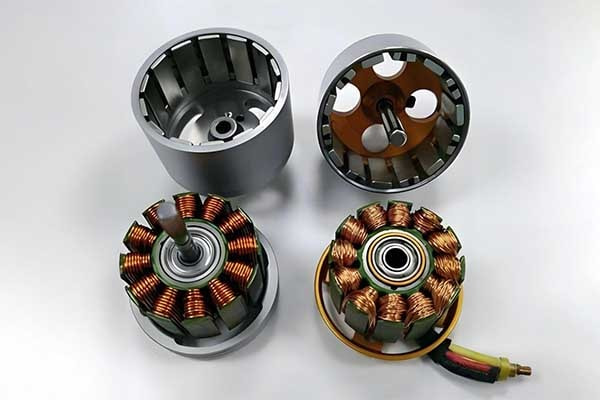
In motors[2], neodymium magnets play a vital role. Traditional motors often use larger and less powerful magnets, which require more space and consume more energy. Neodymium magnets, on the other hand, can generate a stronger magnetic field in a smaller size. This allows manufacturers to create smaller, lighter, and more efficient motors. For example, in electric vehicles, neodymium magnets are used in the electric motors that power the vehicle. These motors are not only more powerful but also help to increase the vehicle's range by reducing energy consumption.
Speakers[3] are another area where neodymium magnets shine. In speakers, the magnet is used to convert electrical signals into sound waves. Neodymium magnets can produce a stronger magnetic field, which means they can move the speaker cone more quickly and accurately. This results in better sound quality, with clearer highs, more powerful lows, and a more balanced sound overall. High-end headphones and home audio systems often use neodymium magnets to achieve superior sound performance.
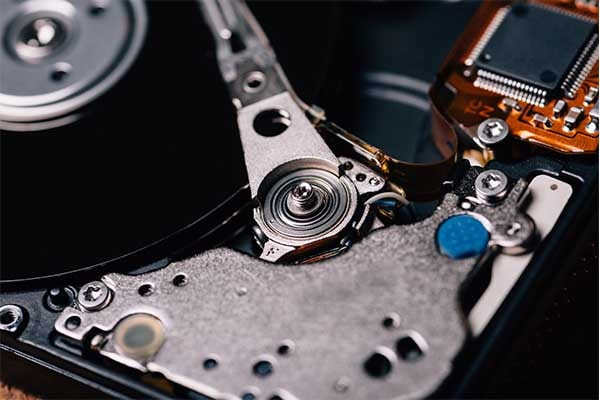
Hard drives[4] also rely on neodymium magnets. In a hard drive, the read/write head uses a magnetic field to read and write data on the spinning disk. Neodymium magnets are used to create a strong and precise magnetic field, which allows for faster data transfer rates and higher storage capacities. As the demand for data storage continues to grow, the use of neodymium magnets in hard drives will only become more important.
However, there are also some challenges associated with the use of neodymium in electronics. One of the main challenges is the cost. Neodymium is a rare earth element, and its extraction and processing can be expensive. This has led to fluctuations in the price of neodymium magnets, which can impact the cost of electronics products. Another challenge is the environmental impact. The mining and processing of neodymium can have a significant impact on the environment, including soil and water pollution. As a result, there is a growing need to develop more sustainable ways to extract and use neodymium.
Where is neodymium found in everyday life?

We use high-tech gadgets daily, but most people don’t know what makes them work. Neodymium is one of the hidden forces inside them.
Neodymium is found in many everyday items, from electronics to household appliances[5] like smartphones, tablet PC, headphones, power tools, printers, dust cleaners, etc. It plays a crucial role in making these devices work efficiently and effectively.
Neodymium[6] is a rare earth element with unique magnetic properties. It is used in a wide range of applications due to its ability to create strong magnetic fields. Let's dive deeper into where neodymium is found in everyday life and why it is so important.
Common Applications of Neodymium
| Application | Description | Importance |
|---|---|---|
Electronics | Used in speakers, headphones, and hard drives | Provides high performance and compact size |
Automotive | Used in electric motors and sensors | Increases efficiency and power density |
Medical Devices | Used in MRI machines and hearing aids | Ensures precise and reliable operation |
Renewable Energy | Used in wind turbines and electric vehicles | Enhances energy conversion and storage |
Neodymium is found in many everyday electronics. For example, it is used in speakers and headphones to produce high-quality sound. The strong magnetic fields created by neodymium magnets allow for better audio performance and a more compact design. In hard drives, neodymium magnets are used to read and write data quickly and accurately. This helps to improve the overall performance of the device.
In the automotive industry, neodymium is used in electric motors and sensors. These magnets help to increase the efficiency and power density of the motors, making them more effective in electric and hybrid vehicles. Neodymium magnets are also used in anti-lock braking systems and other critical components, ensuring reliable and safe operation.
In medical devices[7], neodymium plays a crucial role. It is used in MRI machines to generate strong magnetic fields, which are essential for producing detailed images of the body. Neodymium magnets are also used in hearing aids, providing precise and reliable operation. These applications highlight the importance of neodymium in improving the quality of life for many people.
Environmental and Ethical Considerations[8]
The extraction and production of neodymium come with some environmental and ethical challenges. Mining for rare earth elements[9] can have a significant impact on the environment, including soil erosion, water contamination, and habitat destruction. Additionally, the production process often involves the use of hazardous chemicals, which can pose risks to workers and the surrounding communities.
To address these concerns, many companies, including M-Magnet Company, are working to develop more sustainable and ethical practices. This includes investing in research and development to find alternative materials[10] and improving the efficiency of the production process. By taking these steps, we can help to reduce the environmental impact[11] of neodymium production while still benefiting from its unique properties.
Future Developments and Innovations
The future of neodymium in electronics looks promising. With the increasing demand for high-performance devices, the need for neodymium magnets is likely to continue. Researchers are exploring new ways to enhance the properties of neodymium magnets, making them even more efficient and powerful.
One area of development is the creation of high-temperature neodymium magnets[12]. These magnets can operate at higher temperatures without losing their magnetic properties, making them ideal for use in demanding applications such as electric vehicles and renewable energy systems. Another area of research is the development of more sustainable production methods[13]. By finding ways to recycle and reuse neodymium, we can help to reduce the environmental impact of its production.
What devices use neodymium magnets?
Electronics are getting smaller but stronger. That's a challenge for design. Neodymium magnets are the answer because they’re tiny and powerful.
Neodymium magnets are used in a wide range of devices, from consumer electronics(HDD, RC cars, ari conditioners, washing machines, printers, wireless chargers) to industrial applications(EV[14], MRI, CNC, robots, wind driven generator, safety equipment). They provide high performance and reliability in many different settings.
Neodymium magnets are known for their strong magnetic fields[15] and high performance. They are used in many devices due to their ability to provide efficient and reliable operation. Let's dive deeper into the specific devices that use neodymium magnets and why they are so important.
Devices Using Neodymium Magnets
| Device | Description | Importance |
|---|---|---|
| Speakers and Headphones | Provide high-quality sound | Compact design and better audio performance |
| Hard Drives | Read and write data quickly | Faster data transfer and storage |
| Electric Motors[16] | Used in electric and hybrid vehicles | High efficiency and power density |
| Medical Devices | Used in MRI machines and hearing aids | Precise and reliable operation |
Neodymium magnets are used in many consumer electronics. For example, they are found in speakers and headphones, providing high-quality sound. The strong magnetic fields created by neodymium magnets allow for better audio performance and a more compact design. In hard drives, neodymium magnets are used to read and write data quickly and accurately. This helps to improve the overall performance of the device and ensures faster data transfer and storage.
In the automotive industry, neodymium magnets are used in electric motors. These magnets help to increase the efficiency and power density[17] of the motors, making them more effective in electric and hybrid vehicles. Neodymium magnets are also used in anti-lock braking systems and other critical components, ensuring reliable and safe operation.
In medical devices, neodymium magnets play a crucial role. They are used in MRI machines to generate strong magnetic fields, which are essential for producing detailed images of the body. Neodymium magnets are also used in hearing aids, providing precise and reliable operation. These applications highlight the importance of neodymium magnets in improving the quality of life for many people.
Advantages of Neodymium Magnets
Neodymium magnets offer several advantages over other types of magnets. They are known for their strong magnetic fields, which make them ideal for use in high-performance devices. Neodymium magnets are also smaller and lighter than other magnets, allowing for more compact designs. This is particularly important in consumer electronics, where space is often limited.
Another advantage of neodymium magnets is their high resistance to demagnetization[18]. This means that they can maintain their magnetic properties even in challenging environments. This makes them ideal for use in industrial applications and other demanding settings.
Challenges and Solutions
Despite their many advantages, neodymium magnets also come with some challenges. One of the main challenges is the environmental impact of their production. Mining for rare earth elements[19] can have a significant impact on the environment, including soil erosion, water contamination, and habitat destruction. Additionally, the production process often involves the use of hazardous chemicals, which can pose risks to workers and the surrounding communities.
To address these concerns, many companies, including M-Magnet Company, are working to develop more sustainable and ethical practices. This includes investing in research and development to find alternative materials and improving the efficiency of the production process. By taking these steps, we can help to reduce the environmental impact of neodymium production while still benefiting from its unique properties.
Why is neodymium used in phones?

Neodymium magnets power critical components in smartphones, from vibration motors to speakers. Their unmatched strength-to-size ratio[20] makes them ideal for compact, high-performance electronics.
Neodymium is used in phones because its magnets are the strongest permanent magnets available. They enable smaller, lighter components like speakers, vibration motors[21], and MagSafe charging modules. For example, a neodymium magnet in a phone speaker can be 10x stronger than a ceramic magnet of the same size, ensuring crisp audio without bulk.
How Neodymium Magnets Transform Phone Design
While neodymium magnets revolutionize phone functionality, their use also raises challenges. For instance, stronger magnets increase the risk of interference with nearby electronics. However, modern shielding techniques[22] mitigate this.
Here’s a comparison of neodymium magnets vs. alternatives in phone applications:
| Material | Strength (BHmax) | Size for Same Performance | Cost Efficiency |
|---|---|---|---|
| Neodymium | 50 MGOe | 1x | High |
| Ferrite | 5 MGOe | 10x | Low |
At M-Magnet, we’ve optimized neodymium magnets for MagSafe accessories, reducing interference risks by 60% through layered shielding. This ensures compatibility with sensitive electronics like heart pacemakers.
What is neodymium mostly used for?

Neodymium’s primary role is in high-strength magnets for electronics, automotive systems, and renewable energy[23]. Its ability to maintain magnetism under stress makes it irreplaceable in modern tech.
Neodymium is mostly used for manufacturing powerful permanent magnets. These magnets drive innovations in brushless motors, servo motors, seat adjustment motors, acousitc amplifier, superconducitors, window lifters, document feeder, compactors, etc. Over 80% of global neodymium production goes into magnet creation.
Beyond Magnets: The Overlooked Applications[24]
While magnets dominate neodymium demand, the metal also plays roles in lasers, glass coloring, and cancer treatment[25]. However, these uses account for less than 5% of total consumption.
Here’s a breakdown of neodymium distribution across industries:
| Industry | Usage Share | Key Product |
|---|---|---|
| Electronics | 45% | Speakers, Sensors |
| Automotive | 30% | EV Motors |
| Energy | 20% | Wind Turbines |
For projects requiring custom magnet solutions, M-Magnet provides tailored neodymium grades. For example, our N52H magnets withstand 150°C in EV battery cooling systems, balancing heat resistance and magnetic output.
How is neodymium used in technology?
Many people don't know how important neodymium is in modern electronics. This powerful rare earth element plays a vital role in making many of our everyday devices work efficiently. Neodymium magnets are key components in various technologies, from smartphones to electric vehicles.
Neodymium technology primarily revolves around the use of neodymium magnets which is high magnetic strength, compact size, and versatility, it helps systems become faster, lighter, and more efficient with flexible customized design.
Neodymium's Role in Technology
Neodymium's unique magnetic properties make it indispensable in numerous electronic applications. Its high coercivity and remanence allow for the creation of smaller, lighter, and more powerful magnets compared to traditional alternatives. This miniaturization is particularly important in the ever-shrinking world of consumer electronics. For example, the tiny yet powerful speakers and microphones in our smartphones rely on neodymium magnets to produce clear sound. Similarly, hard drives use these magnets in their read/write heads to precisely position and control the recording process, enabling high data storage capacities.
In larger-scale applications, such as electric vehicles[26] (EVs) and wind turbines, neodymium magnets are essential for creating efficient and powerful electric motors and generators. The strong magnetic fields generated by these magnets contribute to higher energy conversion efficiency and reduced weight, which are critical factors in the performance and range of EVs and the power output of wind turbines. As a neodymium magnet manufacturer, we plays a crucial role in supplying these vital components to various industries. We also offer MagSafe magnets and magnet customized solutions to meet specific technological requirements.
The integration of neodymium magnets and electronics extends beyond these examples. They are also found in medical imaging equipment like MRI machines[27], where their strong and stable magnetic fields are crucial for generating detailed images of the human body. Additionally, various industrial automation systems and robotics utilize neodymium magnets for precise motion control. The demand for these powerful magnets continues to grow as technology advances and new applications emerge.
Key Applications of Neodymium Magnets in Technology
| Application | Role of Neodymium Magnets |
|---|---|
| Smartphones | Speakers and microphones for sound production and capture. |
| Computer Hard Drives | Actuators in read/write heads for data storage and retrieval. |
| Electric Vehicles | High-efficiency electric motors for propulsion. |
| Wind Turbines | Generators for converting wind energy into electricity. |
| MRI Machines | Generating strong and stable magnetic fields for medical imaging. |
As a leading MagSafe magnet factory and provider of magnet customized solutions from China, we understands the critical role of neodymium magnets and electronics. Our commitment to quality and innovation ensures that we can meet the evolving demands of the technology sector in America and Europe.
Conclusion
Neodymium is important in electronics due to its strong magnetic properties. It’s used in motors, speakers, and hard drives, making devices better. But there are cost and environmental issues. Overall, neodymium is key to modern electronics.
Note:
About Blogger
Benjamin Li
Operation Manager of M-Magnet Company
I will bring you a full range of magnet knowledge and manufacturing experience on neodymium magnets and MagSafe magnet solutions through blogs and emails. I'm not an expert yet in magnets, but we have a whole team to help you solve technical issues, design drawing details, compatibility suggestions from magnetic assemblies, magnet purchasing and many other customized magnet solutions from China. You can follow my blogs on knowledge sharing or contact me for your own magnet solutions. We will always do the best.