Will wireless charging work if the phone is completely dead?

You're out and about, and your phone battery has died completely. You have a wireless charger nearby. Will it bring your phone back to life?
Generally, no. Wireless charging typically requires the phone to have some residual power[1] to initiate the charging process. A completely dead battery[2] usually needs a direct cable connection to receive an initial charge before wireless charging becomes effective.
It's frustrating when your phone dies, and you expect the convenience of wireless charging only to find it won't work. This limitation can be inconvenient, especially when you don't have a cable handy.
Table of Contents
How does wireless charging work?
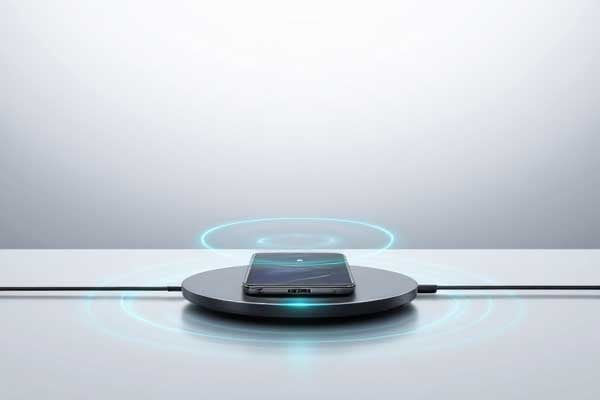
Many modern smartphones offer wireless charging, but how does this technology actually work without physically plugging in a cable?
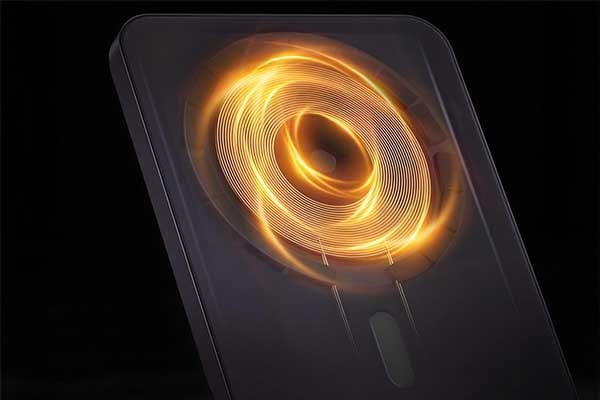
Wireless charging utilizes electromagnetic induction[3]. The charging pad contains an induction coil that creates an alternating magnetic field when electricity flows through it. The receiving coil in your phone converts this magnetic field back into electrical energy, which then charges the battery.
Understanding the underlying principles of wireless charging can help you appreciate its convenience and limitations. Knowing how energy is transferred through magnetic fields provides insight into why a completely dead battery might not respond immediately to wireless charging.
Let's delve deeper into the fascinating world of electromagnetic induction that makes wireless charging possible. At its core, this technology relies on the fundamental principles discovered by Michael Faraday in the 19th century. Faraday's law of induction[4] states that a changing magnetic field through a loop of wire induces an electromotive force (EMF) in that wire, which can drive an electric current. In the context of wireless charging, the charging pad acts as the source of the changing magnetic field, and your smartphone contains a coil that acts as the loop of wire where the EMF is induced.
When you place your phone on a wireless charging pad, the alternating current flowing through the pad's coil generates a magnetic field that oscillates. This oscillating magnetic field then passes through the receiving coil in your phone. According to Faraday's law, this changing magnetic flux induces a voltage across the terminals of the receiving coil. This induced voltage drives a current within the phone's circuitry, which is then used to charge the battery.
The efficiency of this energy transfer[5] depends on several factors, including the distance between the two coils, their alignment, and the frequency of the alternating current. Modern wireless charging standards, such as Qi[6], operate at specific frequencies and power levels to ensure efficient and safe charging. These standards also incorporate communication protocols between the charging pad and the phone to regulate the power transfer and ensure compatibility.
It's important to note that the initial stage of charging a completely dead battery often requires a more direct and controlled power delivery, which is why a wired connection is typically necessary. A completely discharged battery might not have enough residual voltage to properly engage the wireless charging receiver and initiate the communication with the charging pad. Think of it like needing a small push to start a swing – a completely stationary swing needs an initial force to begin its motion. Similarly, a completely dead battery often needs that initial jolt of power from a wired connection to "wake up" and become receptive to wireless charging.
Key Components of Wireless Charging
| Component | Location | Function |
|---|---|---|
| Transmitter Coil | Charging Pad | Generates an alternating magnetic field when current flows through it. |
| Receiver Coil | Mobile Device | Converts the changing magnetic field back into electrical energy. |
| Transmitter Circuit | Charging Pad | Controls the current flow and frequency to the transmitter coil. |
| Receiver Circuit | Mobile Device | Regulates the incoming electrical energy and charges the battery. |
| Shielding | Both | Reduces electromagnetic interference and improves efficiency. |
| Communication Protocol | Both | Enables communication between the charger and the device to optimize charging and ensure safety. |
Why is wireless charging not working?
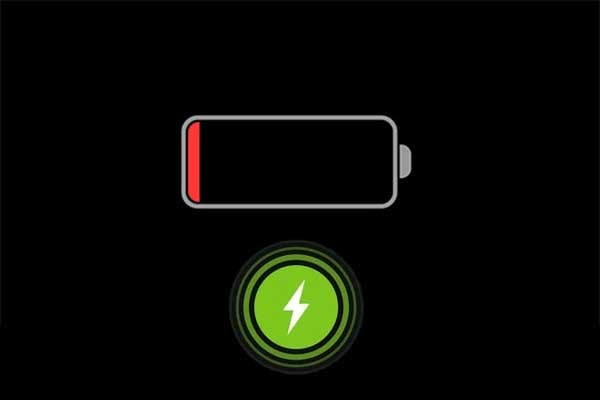
I know how frustrating it is when your phone won’t charge and you're not sure why. You need answers fast.
Wireless charging may not work if the phone is misaligned, the case is too thick, the charger is incompatible, or the battery is deeply discharged.
When users place a phone on a wireless charger and it doesn’t respond, they often think something is broken. But in many cases, it's about power flow. Wireless charging uses magnetic induction. If the coils in the phone and the charger don’t align well, energy can’t transfer.
If the battery is completely drained, wireless charging might not work right away. It could take a few minutes before the phone has enough power to show signs of charging. At M-Magnet, we deal with these principles every day as we design custom MagSafe solutions. When phones are dead, they might need a quick boost from a wired connection before wireless charging becomes effective.
Main Reasons Wireless Charging Fails
| Cause | Explanation |
|---|---|
| Dead battery | If a phone's battery is at 0%, wireless charging might not start immediately. |
| Coil misalignment[7] | The internal charging coil must align with the charger for energy to transfer. |
| Case interference[8] | Some thick or metal cases block the magnetic signal needed for charging. |
| Charger incompatibility[9] | Not all wireless chargers support all devices or output the correct voltage. |
From what we see as a manufacturer of wireless charging magnets, some customers expect instant results. But when the phone is totally drained, the system needs time. If wireless charging not work right away, I always suggest checking the power source and alignment first. A deep-drained phone might even show no sign of life for 5–10 minutes, even though it is charging slowly. Understanding the limits of induction helps set the right expectations. And that’s what drives better product design at M-Magnet.
What can block wireless charging?
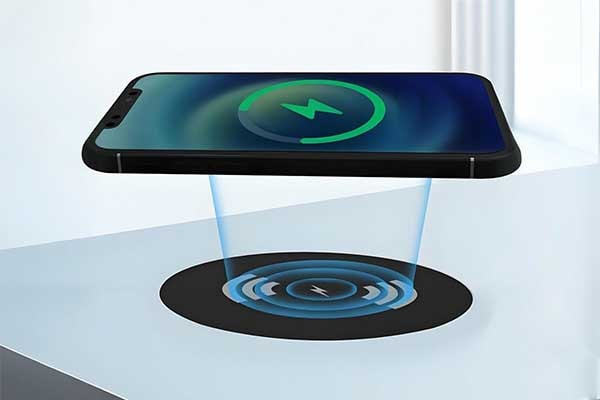
When something’s not working, it’s easy to blame the charger. But sometimes, it’s what’s between your phone and the pad.
Objects like thick phone cases, metal plates, magnets, credit cards, or even slight misalignments[10] can block wireless charging.
There are many small things that can disrupt wireless energy transfer. It’s not only about whether the charger works. Materials between the phone and charger matter a lot. If you use a rugged case or attach a metal ring for a magnetic mount, these can stop power from reaching your phone. As a maker of MagSafe and custom magnet modules at M-Magnet, I’ve tested how even small changes in distance or material can change charging efficiency. Many users don’t know that some magnets, while useful for holding accessories, can interfere with wireless charging coils.
Common Wireless Charging Blockers
| Interference Source | Impact on Charging |
|---|---|
| Metal objects | Block magnetic field, prevent energy transfer completely. |
| Credit cards | Can get demagnetized or disrupt alignment. |
| Thick phone cases | Increase distance, reduce or block charging signal. |
| Magnets not designed for charging | May create interference and cause wireless charging not work. |
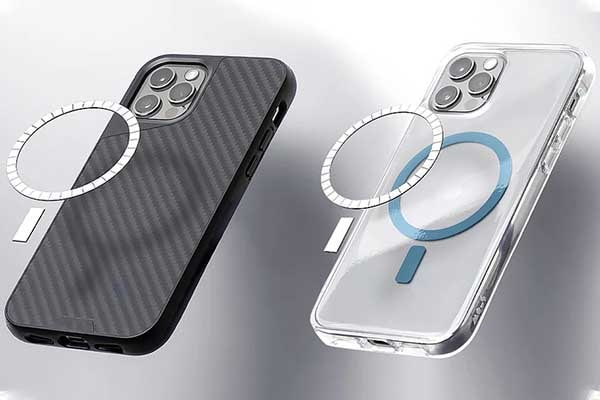
In my work with clients in Europe and America, many report charging issues when using magnetic holders that are not MagSafe-certified. At M-Magnet, we always test magnetic force and alignment to avoid blocking wireless energy. It’s not only the strength of the magnet but the shape and placement that matter. The design of the magnetic ring must complement the coil in the phone, not interfere with it. If you wonder why your wireless charging not work even when using an original pad, check what’s between your phone and the charger. Sometimes, the smallest object can block the entire process.
How to fix wireless charging?
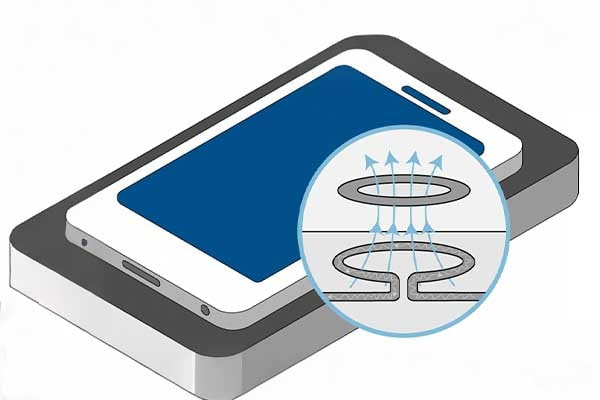
Wireless charging issues often stem from simple fixes. Check if your phone supports Qi-standard charging and ensure the charger is properly aligned. Remove thick cases or metal objects that may interfere with the magnetic field.
If your phone won’t charge wirelessly, first verify compatibility with Qi standards. Realign the device on the pad, clean the charging coils[11], and try a different power adapter. Most issues are resolved by eliminating interference or using certified accessories.
Common Wireless Charging Problems & Solutions
| Problem | Solution |
|---|---|
| Charging stops intermittently | Reposition the phone or use a charger with stronger magnets |
| Slow charging speed | Upgrade to a 15W+ adapter and ensure no obstructions exist |
| Device overheats | Remove the case and avoid charging in high-temperature environments |
Wireless charging relies on precise coil alignment. We design neodymium magnet arrays to enhance alignment accuracy. If your phone is completely dead, wireless charging may not initiate until the battery reaches a minimal voltage threshold. This ties back to the broader topic of whether wireless charging works when the phone has no power. Some manufacturers embed reserve power for this purpose, but solutions vary.
Can you charge wireless and wired at the same time?
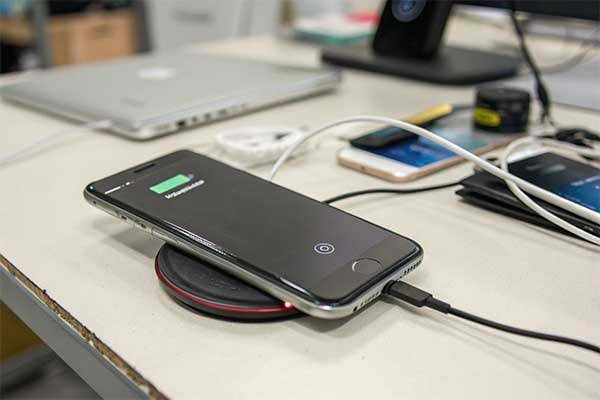
Combining wired and wireless charging simultaneously is technically possible but rarely beneficial. Most phones prioritize one power source to avoid circuit conflicts or battery stress.
Charging wired and wireless[12] at the same time is usually blocked by the phone’s power management system. Dual charging risks overheating and reduces battery lifespan[13]. Manufacturers like Apple and Samsung[14] disable this feature by default.
Risks vs. Potential Benefits of Dual Charging
| Aspect | Impact |
|---|---|
| Charging speed | No significant gain; the phone limits total input |
| Battery health[15] | Accelerated degradation due to heat buildup |
| Device compatibility | Limited to niche models with unlocked firmware |
While M-Magnet’s custom magnetic solutions optimize single-mode charging efficiency, we discourage wired and wireless charging at the same time. The energy conversion process generates excess heat, which harms lithium-ion batteries. This relates to the main topic because a dead phone[16]’s recovery might tempt users to try dual charging. However, modern devices manage low-power states more effectively through wired connections alone[17].
For specialized cases like industrial equipment, we engineer reinforced charging modules. But consumer electronics prioritize safety over speed in scenarios involving wired and wireless charging at the same time.
How to make any phone wireless charging?
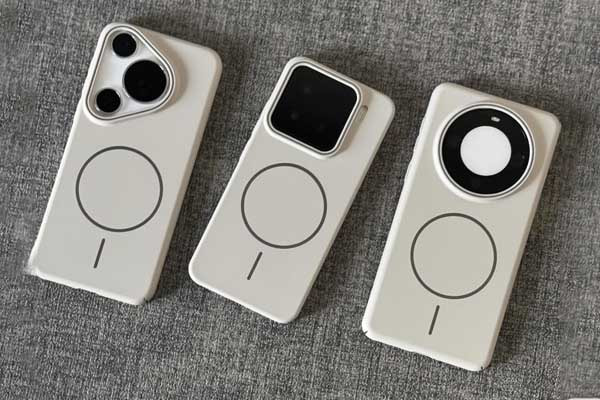
As a neodymium magnet manufacturer and MagSafe magnet factory owner, I often get asked about wireless charging. How to make any phone wireless charging? This is a common question from many users.
Wireless charging is possible for almost any phone with the right accessories. You can use a wireless charging case or adapter to enable this feature on phones that don't support it natively.
Wireless charging has become a popular feature in modern electronics, offering convenience and ease of use. However, not all phones come with built-in wireless charging capabilities. Let's dive deeper into how you can make any phone compatible with wireless charging and explore the benefits and challenges of this technology.
Benefits[18] of Wireless Charging
| Benefit | Description | Importance |
|---|---|---|
|
Convenience |
Easy to use without plugging in cables | Reduces clutter and makes charging hassle-free |
|
Durability |
No wear and tear on charging ports | Extends the lifespan of the device |
|
Aesthetics |
Sleek and modern design | Enhances the overall look of the device |
Wireless charging offers several benefits. First, it is extremely convenient. You simply place your phone on a charging pad, and it starts charging without the need for cables. This reduces clutter and makes charging hassle-free. Second, wireless charging helps to extend the lifespan of your device. Since there are no charging ports to wear out, your phone is less likely to suffer from damage over time. Finally, wireless charging adds a sleek and modern look to your device, making it more appealing.
Making Any Phone Wireless Charging Ready
Not all phones come with built-in wireless charging capabilities, but you can still enjoy this feature with the right accessories. There are several options available, including wireless charging cases and adapters.
Wireless charging cases are a popular choice. These cases fit over your phone and include a built-in wireless charging coil[19]. Once you put the case on your phone, you can place it on any wireless charging pad to charge. This is a simple and effective solution for phones that don't support wireless charging natively.
Another option is to use a wireless charging adapter. These adapters plug into your phone's charging port and provide a wireless charging coil. You can then place your phone on a wireless charging pad to charge. This is a more affordable option compared to wireless charging cases, but it may not be as convenient since you need to plug and unplug the adapter each time you want to charge your phone.
Challenges and Considerations
While wireless charging is convenient, there are some challenges to consider. One of the main issues is the potential for slower charging speeds compared to wired charging. This is because wireless charging is less efficient than wired charging, and the power transfer rate is lower. However, many modern wireless chargers offer fast charging options[20] that can help to mitigate this issue.
Another challenge is compatibility. Not all wireless charging pads and accessories are compatible with every phone. It is important to check the specifications of the wireless charging accessory to ensure that it is compatible with your phone. Some phones may also require specific settings to be enabled in order to use wireless charging.
Future Developments in Wireless Charging
The future of wireless charging looks promising. With the increasing demand for wireless charging, manufacturers are constantly working on improving the technology. One of the key areas of development is increasing the charging distance. Currently, most wireless chargers require the device to be placed directly on the charging pad. However, future developments may allow for charging over longer distances, making the process even more convenient.
Another area of development is increasing the charging speed. While wireless charging is already quite fast, there is always room for improvement. Manufacturers are working on developing faster wireless charging solutions to meet the needs of modern users.
In conclusion, making any phone wireless charging ready is possible with the right accessories. Wireless charging offers several benefits, including convenience, durability, and aesthetics. While there are some challenges to consider, such as slower charging speeds and compatibility issues, the future of wireless charging looks promising. By choosing high-quality accessories and keeping up with the latest developments, you can enjoy the convenience of wireless charging on almost any phone.
Conclusion
In conclusion, while wireless charging offers a convenient way to power up your phone, it usually requires the device to have some minimal level of charge to begin the process. A completely dead battery typically needs the direct connection of a cable charger to receive that initial power boost. Understanding the principles of electromagnetic induction helps explain this limitation. So, while wireless charging is fantastic for topping off your battery, don't rely on it to resurrect a completely drained phone.
Note:
[10]Discuss the impact of misalignment on wireless charging efficiency and heat generation.↪
[12]Compare the method between wired charging and wireless charging among our daily life uses.↪
[18]Explain the principles, pros, and cons of wireless power transfer and how it works.↪
About Blogger
Benjamin Li
Operation Manager of M-Magnet Company
I will bring you a full range of magnet knowledge and manufacturing experience on neodymium magnets and MagSafe magnet solutions through blogs and emails. I'm not an expert yet in magnets, but we have a whole team to help you solve technical issues, design drawing details, compatibility suggestions from magnetic assemblies, magnet purchasing and many other customized magnet solutions from China. You can follow my blogs on knowledge sharing or contact me for your own magnet solutions. We will always do the best.