When will full-room wireless charging become common?
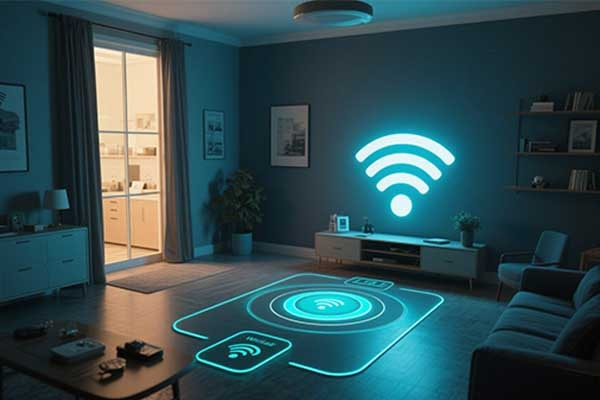
People are tired of messy cables and limited charging spots. But full-room wireless charging still feels like a future dream.
Full-room wireless charging is not yet common[1]. It requires breakthroughs in power delivery, safety, and infrastructure. Current tech is progressing, but wide use will take several more years.
Let’s explore what’s holding it back and when it might become reality.
Table of Contents
Is fully wireless charging possible?
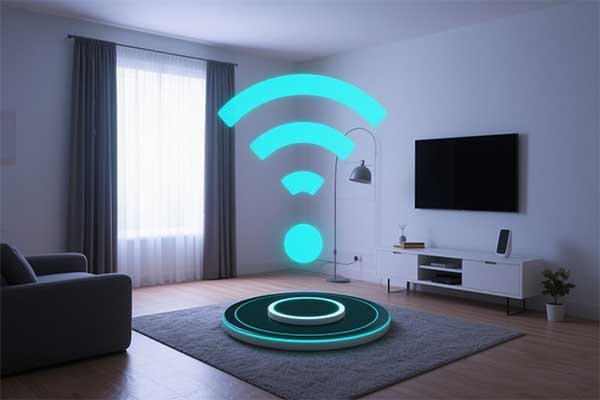
People want to charge devices anywhere in the room without plugging in. But the idea still faces real-world limits.
Yes, fully wireless charging is technically possible, but it’s not widely available yet. Current prototypes can power small devices at short distances. Full-room coverage needs more progress in power transfer efficiency and safety[2].
Is it truly possible
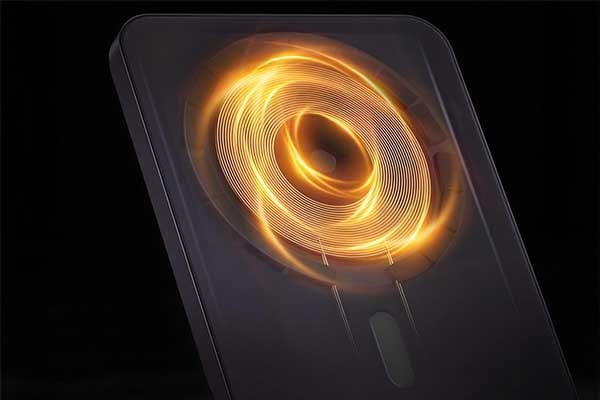
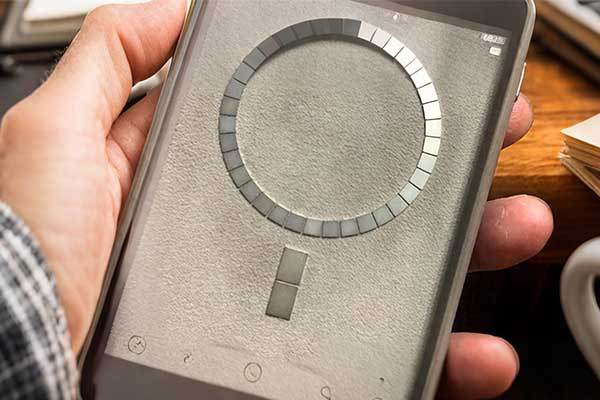
Wireless power transfer has been a goal for decades. Nikola Tesla[3] imagined it. Modern engineers are trying to make it real. Today, we use wireless charging pads. They work with magnetic induction. But they only work when the device is close to the pad. That’s not what people imagine when they think of full-room wireless charging.
What people want is charging that works across the whole room. This means I can walk into my living room, kitchen, or office and every device — my phone, smartwatch, earbuds — starts charging automatically. No cables. No touching a pad. That is the dream.
For this to work, we need to transfer power over distance safely. Companies are testing two main approaches:
-
Radio frequency (RF) based charging[4] - This uses focused beams of energy to send power to a receiver.
-
Resonant inductive coupling[5] - This is similar to what MagSafe uses, but over longer ranges and with larger coils.
Both methods have limits. RF charging has safety concerns. The human body can’t absorb too much RF energy without risk. Resonant inductive systems are more efficient, but they still need direct line-of-sight or close range.
And then there’s regulation. Governments are still deciding what’s safe and what’s not. Without clear safety rules, no company wants to take big risks.
Here’s a look at the current comparison:
Comparison of Wireless Charging Technologies
| Technology | Distance | Efficiency | Safety Status | Commercial Use |
|---|---|---|---|---|
| Inductive (MagSafe) | 0–1 cm | High | Safe | Widely used |
| Resonant Coupling | 0–1 m | Medium | Under review | Limited pilots |
| Radio Frequency (RF) | 0–5 m | Low | Not yet safe | Experimental only |
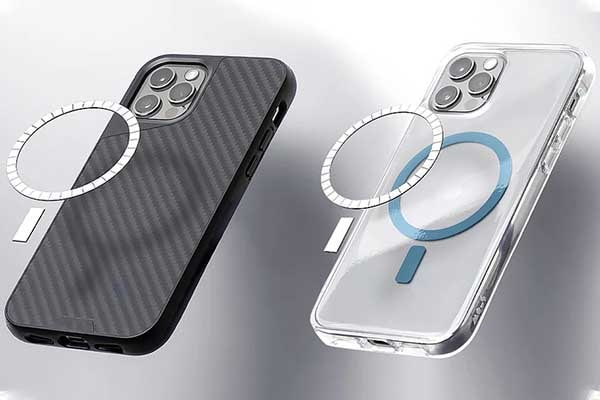
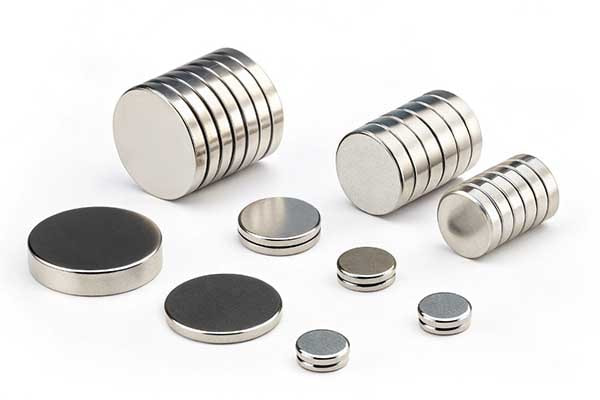
For me, working in the magnet and wireless charging industry, I see how complex it is. My company makes precision magnets for MagSafe systems. We've seen how tricky alignment, field strength, and shielding can be. When we scale that from a small MagSafe device to an entire room, the challenges grow fast.
But companies like Ossia and Wi-Charge are pushing the boundaries. They have working systems that send power through the air. Still, these are limited in power and often need custom environments.
The dream of full-room wireless charging is real. But we’re not there yet. It’s more about years than months. We might see early adoption in smart homes or offices before it becomes a standard feature.
What percentage of people use wireless charging?
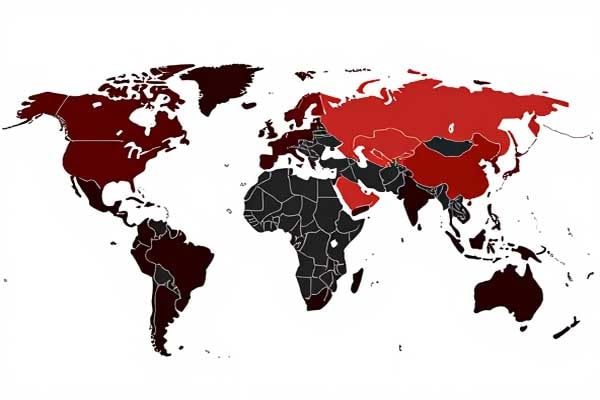
A significant portion of smartphone users now utilize wireless charging. Recent data suggests that more and more new smartphones shipped globally support wireless charging. This number continues to grow as more manufacturers incorporate this convenient feature into their devices.
Around 40%~50% of smartphone users use wireless charging, with higher adoption in developed markets like the US[6] and Europe. The convenience of dropping a device on a pad appeals to many, but wired charging still dominates due to speed and reliability.
Wireless Charging Adoption by Region
| Region | Adoption Rate |
|---|---|
| North America | 35% |
| Europe | 32% |
| Asia | 25% |
To truly understand the prevalence[7] of wireless charging, we need to look at several factors. These include the types of devices that support it, the availability of charging infrastructure, and consumer preferences. While smartphones lead the way, other devices like wireless earbuds and smartwatches also frequently use wireless charging. The increasing availability[8] of wireless charging pads in public spaces and vehicles further contributes to its adoption. However, some consumers still prefer traditional wired charging due to perceived faster charging speeds or concerns about compatibility.
The integration of wireless charging varies across different electronic devices. Here's a look at the estimated adoption rates[9]:
Wireless Charging Adoption by Device Type
| Device Type | Estimated Adoption Rate |
|---|---|
| Smartphones | >50% |
| Wireless Earbuds | >40% |
| Smartwatches | >60% |
| Tablets | <20% |
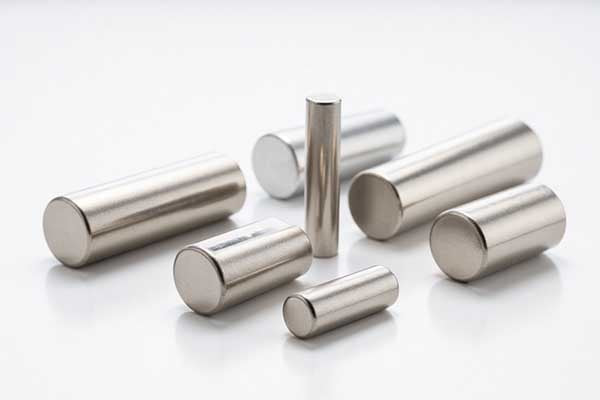
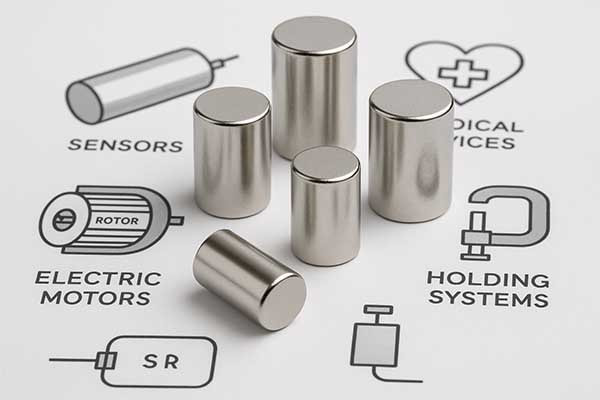
As a MagSafe magnet manfuacturer, we observe the increasing demand for magnetic components used in wireless charging technology. This trend indicates a positive outlook for the future adoption of wireless charging across various devices, potentially paving the way for technologies like whole room wireless charging. The magnets we manufacture play a crucial role in the efficiency and alignment of wireless charging systems.
Is long range wireless charging possible?
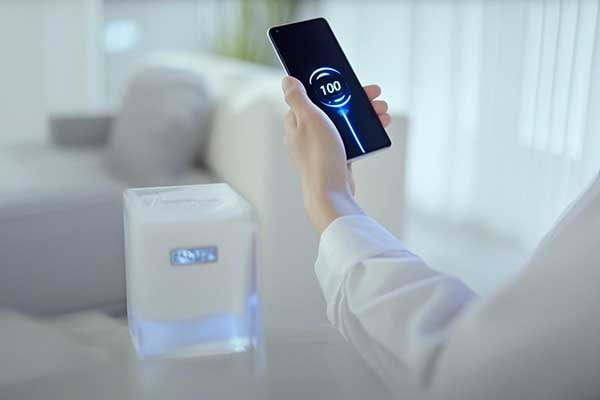
Long-range wireless charging, where you can power devices without direct contact or close proximity to a charging pad, is still in the development stages. Currently, the most common wireless charging technologies, like Qi, operate over very short distances, typically a few millimeters to a centimeter. While research and development are ongoing, truly long-range wireless charging for powering multiple devices throughout a whole room is not yet widely available for consumer use.
The farthest practical distance is currently limited. Long-range wireless charging is possible but limited to short distances(millimeters to centimeters) today. Experimental systems can transmit power over a few meters[10], but whole room wireless charging is not yet commercially viable due to efficiency and safety concerns.
Current Wireless Charging Range Technologies
| Technology | Max Distance |
|---|---|
| Inductive Charging | Up to 5 cm |
| Resonant Charging | Up to 50 cm |
| RF Charging | Several meters |
Challenges of Long-Range Wireless Charging
The concept of powering devices wirelessly from a distance has fascinated scientists and engineers for decades. Nikola Tesla's early experiments demonstrated the potential for wireless power transfer. However, scaling this technology for safe and efficient whole room wireless charging[11] presents significant challenges. These challenges include energy loss over distance, ensuring safety for humans and animals, and managing electromagnetic interference.
Exploring Long-Range Wireless Charging Technologies[12]
Several approaches are being explored to achieve longer-range wireless power transfer. Each method has its own set of advantages and disadvantages:
Long-Range Wireless Charging Technologies
| Technology | Working Principle | Potential Range | Current Status |
|---|---|---|---|
|
Resonant Inductive Coupling[13] |
Energy transfer between two resonant coils | Up to a few meters | Under development |
|
Radio Frequency (RF) Transmission[14] |
Broadcasting energy via radio waves | Potentially across a room |
Challenges with efficiency and safety[15] |
|
Microwave Power Transmission[16] |
Using focused microwave beams for energy transfer | Long distances, but requires precise aiming | Limited to specific applications |
Despite these hurdles, companies like M-Magnet are exploring new magnet-based solutions. These could make whole room wireless charging more practical in the future.
Do wireless chargers stop charging after 100?
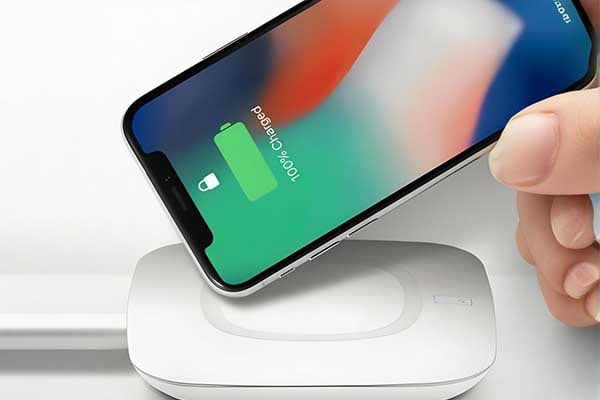
As a neodymium magnet manufacturer from China, I often get asked about wireless charging. Do wireless chargers stop charging after 100%? This is a common concern for many users.
Wireless chargers are designed to stop charging once the device reaches 100%. This is a standard safety feature to prevent overcharging and potential damage to the device or battery.
Wireless charging technology[17] has come a long way in recent years. The convenience of wireless charging is undeniable[18], but many people still have questions about its efficiency and safety. Let's dive deeper into the topic of wireless charging and explore the factors that affect its performance.
Factors Affecting Wireless Charging Efficiency
| Factors | Description | Impact |
|---|---|---|
| Distance | The distance between the device and the charging pad | Closer distance leads to higher efficiency |
| Alignment | Proper alignment of the device on the charging pad | Misalignment can reduce charging speed |
| Material | The material of the device case | Metal cases can block wireless signals |
| Interference | Presence of other electronic devices nearby | Can cause signal interference and reduce efficiency |
Wireless charging efficiency can be affected by several factors. The distance between the device and the charging pad is crucial. The closer the device is to the pad, the more efficient the charging process will be. Proper alignment is also important. If the device is not properly aligned on the charging pad, the charging speed may be reduced. The material of the device case can also play a role. For example, metal cases can block wireless signals and reduce charging efficiency. Interference from other electronic devices nearby can also affect the charging process.
Safety Concerns and Solutions
Safety is always a top priority when it comes to charging devices. Wireless chargers are designed with multiple safety features[19] to prevent overcharging and potential damage. Modern wireless chargers use advanced technology to detect when the device is fully charged and automatically stop the charging process. This helps to extend the lifespan of the battery and protect the device from potential damage.
However, there are still some safety concerns that users should be aware of. For example, using low-quality or counterfeit wireless chargers can pose risks. These chargers may not have the necessary safety features and can cause overheating or even damage to the device. To avoid these risks, it is important to choose high-quality wireless chargers from reputable manufacturers.
Future Developments[20] in Wireless Charging
The future of wireless charging looks promising. With the increasing demand for wireless charging, manufacturers are constantly working on improving the technology. One of the key areas of development is increasing the charging distance. Currently, most wireless chargers require the device to be placed directly on the charging pad. However, future developments may allow for charging over longer distances, making the process even more convenient.
Another area of development is increasing the charging speed. While wireless charging is already quite fast, there is always room for improvement. Manufacturers are working on developing faster wireless charging solutions to meet the needs of modern users.
Is it safe to reverse wireless charging?
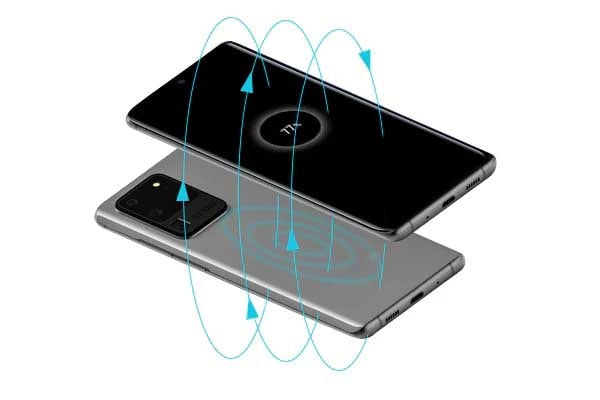
Reverse wireless charging is a feature that allows a device to share its battery power with another device. Is it safe to reverse wireless charging? This is an important question that many users have.
Reverse wireless charging[21] is generally safe, but there are some precautions to take. Modern devices are designed with safety features to prevent damage to the battery or the device. However, it is important to follow the manufacturer's guidelines to ensure safe use.
Reverse wireless charging is a convenient feature that can be very useful in certain situations. For example, if you have a smartphone with a low battery and you need to charge another device, reverse wireless charging can be a lifesaver[22]. However, there are some potential risks[23] associated with this feature that users should be aware of.
Potential Risks and Precautions
| Risks | Description | Precautions |
|---|---|---|
| Battery Drain | The device providing power may drain its battery quickly | Use only when necessary |
| Overheating | The device may overheat during the charging process | Monitor the device temperature |
| Compatibility | Not all devices support reverse wireless charging | Check device compatibility |
One of the potential risks of reverse wireless charging is battery drain. The device providing power may drain its battery quickly, especially if it is already low on battery. To avoid this, it is important to use this feature only when necessary and to monitor the battery level of the device providing power.
Another risk is overheating. The device may overheat during the charging process, which can cause damage to the device or the battery. To prevent this, it is important to monitor the temperature of the device and stop the charging process if it becomes too hot.
Compatibility is also an important factor to consider. Not all devices support reverse wireless charging. Before using this feature, it is important to check the compatibility of the devices involved. Using incompatible devices can cause damage to both devices and may void the warranty.
Safety Tips for Reverse Wireless Charging
To ensure safe use of reverse wireless charging, there are some important tips to follow. First, always follow the manufacturer's guidelines. These guidelines are designed to ensure the safe use of the device and to prevent damage. Second, use only high-quality charging accessories. Low-quality or counterfeit accessories can pose risks and should be avoided. Finally, monitor the device during the charging process. Keep an eye on the battery level and temperature to ensure that everything is working properly.
In conclusion, reverse wireless charging is a convenient feature that can be very useful in certain situations. However, it is important to take the necessary precautions to ensure safe use. By following the manufacturer's guidelines and using high-quality accessories, users can enjoy the benefits of reverse wireless charging while minimizing the risks.
Is wireless charging the future?
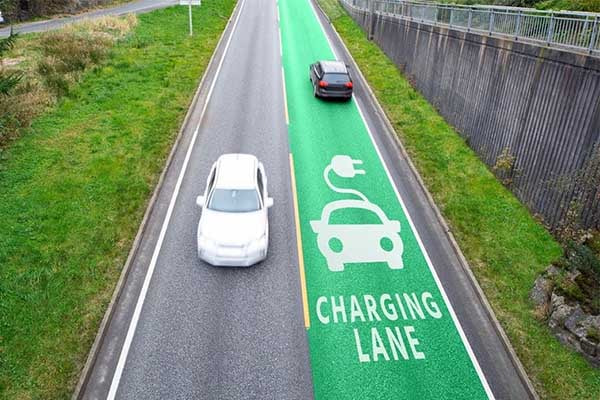
I was once in a rush, fumbling around for my phone charger's cable. It was a hassle. But then I thought about wireless charging. It's convenient. So, is it the future?
Yes, wireless charging is likely the future[24]. It offers convenience by eliminating cords, and with the development of technology[25], its charging speed and efficiency are improving. This makes it a promising option for future charging needs.
The Advantages of Wireless Charging
Wireless charging has many benefits[26]. First, it's incredibly convenient. You don't have to search for a cable every time your device needs charging. Just place your phone on a charging pad, and you're good to go. This is especially useful in places like hotels or offices. For example, in a hotel room, you can easily charge your phone overnight without dealing with a mess of cords.
Another advantage is safety. Without exposed cords, there's less risk of tripping or getting electrocuted. This is important, especially in households with children or in public spaces.
| Advantages | Explanation |
|---|---|
| Convenience | No need to search for cables; simply place the device on the charging pad. |
| Safety | Reduces the risk of tripping and electrocution. |
The Challenges Ahead
However, wireless charging also has some challenges[27]. One big issue is charging speed. Currently, wired charging is generally faster. If you're in a hurry and need a quick charge, a cable might be a better option. But technology is constantly evolving. Researchers are working hard to improve the charging speed of wireless chargers.
Another problem is compatibility. Not all devices support wireless charging. And even if they do, different devices might require different charging standards. This can be confusing for consumers. But as the technology becomes more popular, we can expect more devices to be compatible.
When will full-room wireless charging become common?
The future of wireless charging is exciting, and many people are wondering when full-room wireless charging will become common. As a neodymium magnet manufacturer, I am closely following the developments in this area. Full-room wireless charging has the potential to revolutionize the way we charge our devices, making the process even more convenient and seamless.
Full-room wireless charging is still in the early stages of development, but there are already some promising technologies on the horizon - Other devices will come before phones[28]. One of the key challenges is increasing the charging distance and ensuring efficient power transfer. However, with the rapid advancements in technology, it is only a matter of time before full-room wireless charging becomes a reality.
In the meantime, it is important to stay informed about the latest developments in wireless charging technology. By keeping up with the latest trends and innovations, we can better prepare for the future of wireless charging and take advantage of the benefits it offers.
In the context of room wireless charging, the idea is exciting. Imagine being able to charge your devices anywhere in the room without a cable. But for this to become common, we need to overcome these challenges. At M-Magnet Company, we're always looking for ways to contribute to the development of wireless charging technology. We believe that with continuous innovation, full-room wireless charging can become a reality in the near future.
Conclusion
Full-room wireless charging is technically possible but not common yet. Safety, efficiency, and regulation are major challenges. As a manufacturer of magnets used in wireless charging, I see progress being made. But for it to be everywhere, we’ll need more time, better tech, and clearer safety standards.
Note:
[26]List and explain the advantages of using wireless charging technology.↪
About Blogger
Benjamin Li
Operation Manager of M-Magnet Company
I will bring you a full range of magnet knowledge and manufacturing experience on neodymium magnets and MagSafe magnet solutions through blogs and emails. I'm not an expert yet in magnets, but we have a whole team to help you solve technical issues, design drawing details, compatibility suggestions from magnetic assemblies, magnet purchasing and many other customized magnet solutions from China. You can follow my blogs on knowledge sharing or contact me for your own magnet solutions. We will always do the best.