Are Neodymium Magnets Worth the Money?
Neodymium magnets are known for their incredible strength but come at a higher price. Many wonder if they are truly worth the investment for everyday or industrial use.
Neodymium magnets offer unmatched magnetic strength in compact sizes, making them highly valuable for many applications. Their cost is higher than ceramic or ferrite magnets, but their performance and durability often justify the expense, especially in precision and power-critical uses.
Let’s explore where you can find strong magnets at home and whether neodymium magnets need a keeper.
Table of Contents
Where can I find strong magnets at home?
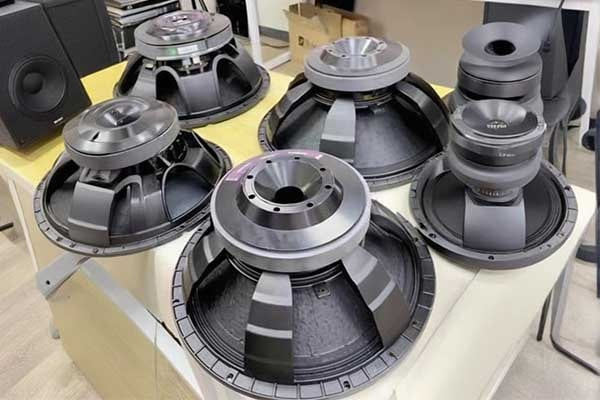
Finding strong magnets at home can be surprisingly easy if you know where to look. Many common household items contain powerful magnets, often neodymium types.
Strong magnets are commonly found inside speakers, headphones, hard drives, magnetic latches on cabinets, and even some electric toothbrushes. Speakers, especially subwoofers, often contain large ceramic or neodymium magnets that are several times stronger than typical fridge magnets.
Speakers are among the best sources of strong magnets because they rely on magnets to move the speaker cones. Smaller speakers and headphones frequently use neodymium magnets due to their strength and compact size. Hard drives contain tiny but very powerful neodymium magnets that control the read/write heads. Magnetic latches in furniture and bags also often hide small neodymium magnets.
Common Household Sources of Strong Magnets
Many everyday items contain magnets that are surprisingly powerful. Knowing how to identify and safely extract them can be useful for DIY projects or repairs.
Household Items Containing Strong Magnets
| Item | Magnet Type | Typical Magnet Strength |
|---|---|---|
| Speakers & Subwoofers | Ceramic and Neodymium | Up to several pounds force |
| Hard Drives | Neodymium | Small but extremely strong |
| Magnetic Latches (Cabinets, Bags) | Neodymium | Moderate strength |
| Electric Toothbrushes & Small Motors | Neodymium | Small but powerful |
Extracting magnets safely requires care to avoid injury or damage. Neodymium magnets attract metal objects with great force and can pinch fingers. Always wear protective gloves and separate magnets slowly.
At M-Magnet, we produce strong neodymium magnets tailored for various applications, ensuring safety and performance.
Do neodymium magnets need a keeper?
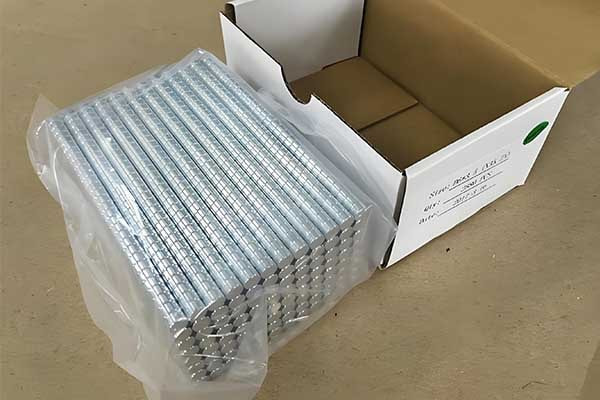
A common question about neodymium magnets is whether they require a keeper to maintain their magnetic strength. Understanding magnet keepers helps in proper storage and longevity.
Neodymium magnets generally do not need a keeper because they have very high coercivity, meaning they resist demagnetization from stray magnetic fields. Keepers are mostly used for magnets with lower coercivity like alnico magnets to preserve their strength.
A magnet keeper is a soft iron bar placed across the poles of a magnet to complete the magnetic circuit and prevent magnetic domains from randomizing. Neodymium magnets’ strong internal magnetic structure keeps domains aligned without needing a keeper.
Magnet Keepers and Neodymium Magnet Storage
Proper storage of neodymium magnets is important to preserve their strength and prevent accidents. While keepers are unnecessary, other precautions are essential.
Neodymium Magnet Storage and Keeper Usage
| Aspect | Neodymium Magnets | Low-Coercivity Magnets (e.g., Alnico) |
|---|---|---|
| Need for Keeper | No | Yes |
| Storage Environment | Dry, dust-free, away from metals | Dry, with keeper to maintain domains |
| Handling Precautions | Avoid collisions, keep apart to prevent damage | Similar precautions |
Neodymium magnets are brittle and can chip or break if allowed to slam together. Storing them with plastic spacers or in sturdy containers reduces risk. Also, avoid humid environments to prevent corrosion.
At M-Magnet, we recommend careful storage and handling to maximize the lifespan and strength of neodymium magnets.
What magnet is stronger than neodymium?
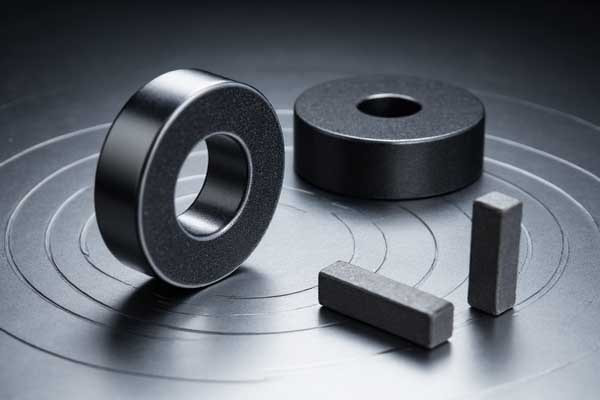
People often ask about the strongest type of magnet available. Agitation: It is a common misconception that no magnet can surpass neodymium in strength. Solution: Currently, neodymium magnets are generally considered the strongest type of permanent magnet commercially available.
Neodymium magnets are currently the strongest type of permanent magnet commercially available. While electromagnets can be made stronger for specific applications, in terms of permanent magnetism, neodymium iron boron (NdFeB) alloys offer the highest magnetic force in a compact size, surpassing all other permanent magnet types.
Exploring the Apex of Permanent Magnet Strength
As a neodymium magnet manufacturer, we work with these incredibly powerful materials every day. We understand why people wonder if any magnet can be stronger. The fact is, when we talk about permanent magnets, neodymium magnets are at the top. They have set a very high standard for magnetic strength.
Understanding Magnetic Strength
Magnetic strength is usually measured by a property called "maximum energy product," or BHmax. This value indicates how much magnetic energy a magnet can store per unit volume.
Neodymium magnets, specifically those made from neodymium-iron-boron alloys, have the highest BHmax values among all permanent magnet materials. This means they can produce a very strong magnetic field from a relatively small size. This is what makes them so useful in modern technology, including MagSafe products where precise magnetic alignment is key.
Other types of permanent magnets exist. For example, ferrite (ceramic) magnets are common. Alnico magnets are also known. Samarium-cobalt magnets are powerful too. However, neodymium magnets consistently outperform them in terms of magnetic strength. We often compare magnets based on their pulling force or their ability to lift heavy objects. In these tests, a neodymium magnet of the same size will almost always be much stronger than any other permanent magnet.
The Role of Electromagnets
It is important to make a distinction between permanent magnets and electromagnets. An electromagnet is a type of magnet where the magnetic field is produced by an electric current. The strength of an electromagnet can be varied by changing the amount of current flowing through its coils. It can also be turned on and off.
In theory, electromagnets can be designed to create magnetic fields far stronger than any permanent magnet. For example, in scientific research, such as particle accelerators or fusion reactors, scientists use incredibly powerful electromagnets. These electromagnets require huge amounts of electricity and often need special cooling systems to operate. They are not permanent magnets. They need a continuous power supply to maintain their magnetic field.
So, while an electromagnet can be made stronger than a neodymium magnet, it is not a permanent magnet. It works on a different principle. For applications where a constant magnetic field is needed without continuous power input, neodymium magnets remain the strongest choice.
Future Developments
Researchers are always looking for new materials. They want to create even stronger magnets. They also want magnets that can work at higher temperatures. However, no commercially viable permanent magnet material has surpassed neodymium magnets in overall strength to date. This means that for now, and likely for the foreseeable future, neodymium magnets will remain the strongest permanent magnets available for everyday applications. Our work at M-Magnet Company continues to focus on optimizing these materials.
Comparison of Common Permanent Magnet Strengths
| Magnet Type | Relative Magnetic Strength (BHmax) | Key Characteristics |
|---|---|---|
| Neodymium (NdFeB) | Highest (35-52 MGOe typically) | Very strong, compact, brittle, needs coating, moderate temperature resistance. |
| Samarium Cobalt (SmCo) | High (16-32 MGOe typically) | Good strength, excellent high-temperature resistance, good corrosion resistance, expensive. |
| Alnico | Moderate (1.5-10 MGOe typically) | Good temperature resistance, good corrosion resistance, weaker than rare earth magnets. |
| Ferrite (Ceramic) | Lowest (1-4 MGOe typically) | Low cost, good corrosion resistance, brittle, low magnetic strength. |
Why are neodymium magnets so expensive?
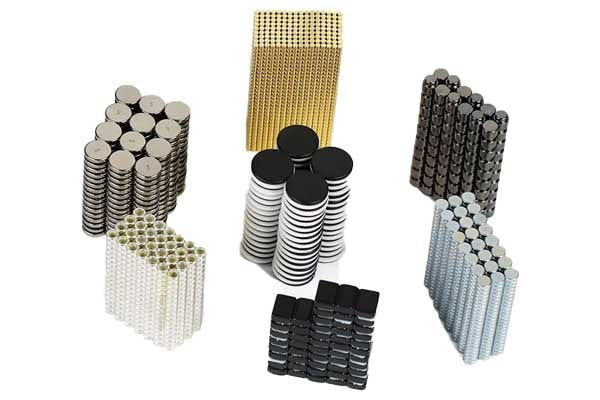
Many people notice that neodymium magnets are more costly than other magnet types. This price difference can make potential buyers hesitant. Neodymium magnets are more expensive due to the complex manufacturing process, high demand, and the supply chain for rare earth elements.
Neodymium magnets are expensive because their production involves complex, multi-stage manufacturing processes, including mining and refining rare earth elements. The global demand for these high-performance magnets is also very high, driven by numerous advanced technology applications. Supply chain complexities and geopolitical factors further contribute to their cost.
Deconstructing the Cost of Neodymium Magnets
As a neodymium magnet manufacturer, I can explain why these magnets, despite their widespread use in everything from smartphones to MagSafe chargers, come with a higher price tag. The cost of neodymium magnets is a result of several factors. These factors range from the raw materials themselves to the way the magnets are made and how they are bought and sold globally.
Raw Material Costs and Processing
The main reason for the expense starts with the raw materials. Neodymium is a rare earth element. While not as "rare" as its name suggests in terms of abundance in the Earth's crust, it is rarely found in highly concentrated deposits. This makes mining it a specialized and often environmentally challenging process.
After mining, the rare earth ores need extensive processing. This process involves many steps to separate neodymium from other rare earth elements. This refining is complex and energy-intensive. It uses specialized chemicals and equipment. This adds significantly to the overall cost. Dysprosium and terbium are also often added to neodymium magnets. These elements improve the magnet's temperature resistance. They are even more rare and expensive than neodymium itself. Their inclusion further pushes up the price of high-performance grades.
Complex Manufacturing Process
The manufacturing process for neodymium magnets is also complex. It is not as simple as making traditional iron magnets. Neodymium magnets are usually made through a process called sintering. This process involves crushing the refined rare earth metals into a fine powder. Then, the powder is pressed into a mold. After that, it is heated to a very high temperature in a special furnace. This furnace has a controlled atmosphere to prevent oxidation. After sintering, the magnets are machined into their final shapes. This often requires diamond tools because the material is very hard and brittle. Finally, they are coated to prevent corrosion, usually with nickel or epoxy. Each of these steps adds to the production cost. This is especially true when compared to simpler manufacturing methods for ferrite magnets.
High Demand and Supply Chain Factors
There is a very high global demand for neodymium magnets. They are essential components in many high-tech products. This includes electric vehicles, wind turbines, consumer electronics (like those that use MagSafe technology), and medical devices. This strong demand helps keep prices up.
The supply chain for rare earth elements is also very concentrated. Most of the mining and refining of rare earth elements happens in one country, China. This concentration means that global supply can be affected by trade policies, environmental regulations, or other geopolitical factors. Any disruption or change in policy can cause prices to fluctuate or increase. This lack of diverse supply sources means there is less competition in the raw material market. This also contributes to the higher cost.
In conclusion, the price of neodymium magnets reflects their powerful performance. It also reflects the complex journey from mining the rare earth elements to their final manufactured form. As a magnet customized solutions provider, we help balance these costs with the needed performance for our clients.
Factors Contributing to Neodymium Magnet Cost
| Cost Factor | Description | Impact on Price |
|---|---|---|
| Raw Material Extraction | Mining rare earth elements (Neodymium, Dysprosium, Terbium). | High due to specialized processes and limited concentrated deposits. |
| Refining and Processing | Complex, energy-intensive separation of rare earth elements. | Significant cost adder due to chemical and energy usage. |
| Manufacturing (Sintering, Machining, Coating) | Multi-stage process: powder metallurgy, high-temperature sintering, precision machining, protective coating. | High due to specialized equipment, skilled labor, and material properties (brittleness). |
| Global Demand | High usage in advanced technologies (EVs, wind turbines, electronics). | Sustains high prices, as supply struggles to meet demand. |
| Supply Chain Concentration | Most rare earth processing is concentrated in one region. | Adds risk and potential for price volatility due to geopolitical factors. |
What is the strongest magnet you can buy?
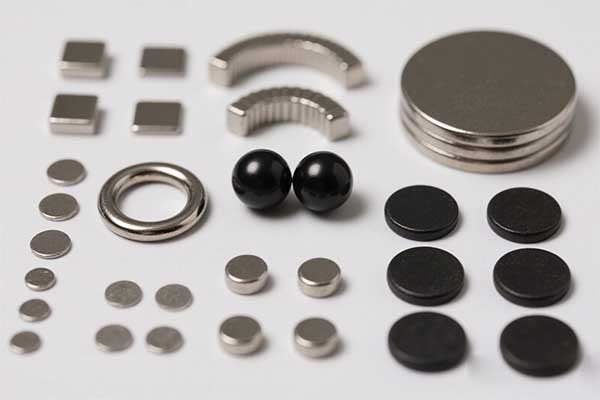
You might wonder which magnet packs the most pulling power. Let’s cut to the chase: when it comes to raw magnetic strength, neodymium magnets take the crown.
The strongest magnet you can buy is the neodymium magnet, often called “NdFeB” for its materials — neodymium, iron, and boron. These magnets are known as the “magnetic kings” because they offer the highest magnetic energy product, meaning they create incredibly strong magnetic fields relative to their size.
Why neodymium magnets stand out
Neodymium magnets aren’t just strong—they’re also versatile. Let’s break down what makes them the top choice for so many applications:
| Feature | Neodymium Magnets | Other Magnets (e.g., ferrite, alnico) |
|---|---|---|
| Magnetic Strength | Highest magnetic energy product (up to 52 MGOe) | Lower energy product (ferrite: ~4 MGOe) |
| Size vs. Power | Small size, extremely powerful | Larger size needed for similar strength |
| Temperature Resistance | Works up to 200°C (with high-temperature grades) | Ferrite works up to 250°C, but with lower strength |
| Cost-Effectiveness | High performance for the price | Cheaper upfront but less powerful |
Their strength makes them ideal for electric motors, medical devices, and even everyday gadgets like phone chargers. But wait—are there downsides? While they’re strong, they’re also brittle and can corrode if not coated. That’s why most neodymium magnets have a nickel or zinc plating to protect them. Still, for most uses, their benefits far outweigh these minor issues. Whether you need a magnet for a DIY project or a heavy-duty industrial application, neodymium magnets deliver unmatched power in a compact package.
So, where to buy magnets?
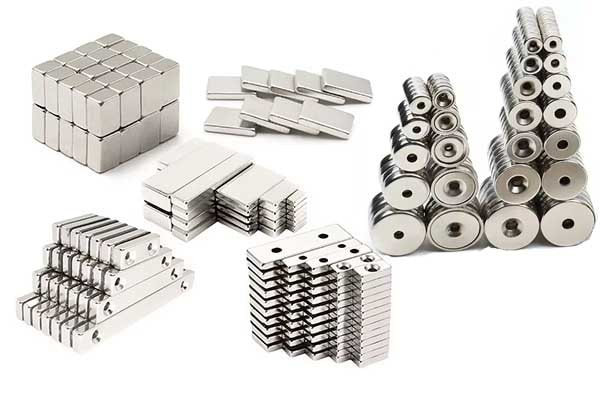
Looking to buy magnets? The options can feel overwhelming. Let’s simplify it: the best place depends on your needs, but quality and reliability should always be priorities.
When you want to buy magnets, start by choosing a supplier that specializes in your type of magnet—especially if you need neodymium ones. Look for companies with experience, clear product specs, and good customer service. For example, M-Magnet Company offers custom solutions and has years of expertise in manufacturing strong, durable neodymium magnets.
Choosing the right supplier: key factors to consider
Not all magnet suppliers are the same. Here’s what to look for, and how different channels stack up:
| Channel | Pros | Cons | Best For |
|---|---|---|---|
| Online Marketplaces (e.g., Alibaba, Amazon) | Wide selection, quick comparison | Quality varies, limited customization | Small orders, standard sizes |
| Local Suppliers | Fast delivery, hands-on support | Higher prices, limited inventory | Urgent needs, small quantities |
| Direct Manufacturers (e.g., M-Magnet Company) | Customization options, factory pricing, quality control | Minimum order quantities, longer lead times | Bulk orders, unique specifications |
Working directly with a manufacturer like M-Magnet Company has big advantages, especially if you need custom shapes or high-grade materials. We offer tailored solutions, from design to production, ensuring your magnets meet exact performance requirements. Plus, buying directly cuts out middlemen, saving you money in the long run.
But what if you’re unsure about specs? Good suppliers will help you choose the right magnet grade (like N35 vs. N52) based on your application’s needs, whether it’s for high temperatures, specific dimensions, or maximum pulling force. Always ask for testing reports to confirm performance—after all, you want a magnet that not only works but lasts. When you buy magnets, prioritizing a supplier with expertise and a focus on quality ensures you get the best value for your money.
Conclusion
Neodymium magnets are worth the money for their exceptional strength and compact size. You can find strong magnets in many household items like speakers, hard drives, and magnetic latches. Unlike lower-coercivity magnets, neodymium magnets do not need a keeper to maintain their magnetic strength but require careful storage to avoid damage. At M-Magnet, we provide high-quality neodymium magnets with expert guidance on safe use and storage.