What Happens If You Swallow a Small Magnetic Ball?
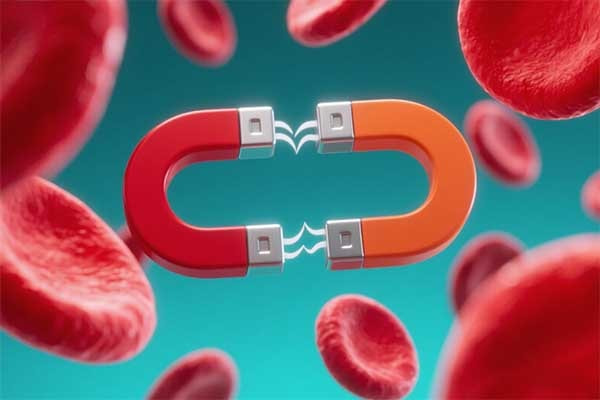
Swallowing a small magnetic ball can be dangerous, especially if multiple magnets are involved. Understanding the risks and timing is crucial for safety.
A single small magnet usually passes through the digestive system within 24 hours without harm. However, multiple magnets can attract each other inside the intestines, causing serious complications like perforations or blockages. Immediate medical attention is essential if multiple magnets are swallowed.
Let’s explore how long it takes for a swallowed magnet to pass and the risks involved.
Table of Contents
How long does it take to pass a swallowed magnet?
Swallowing a magnet triggers concern about how quickly it moves through the digestive tract and potential complications.
Most single magnets pass naturally within 24 hours. Doctors recommend follow-up X-rays within 6 to 12 hours to monitor movement. If the magnet does not progress or if multiple magnets are swallowed, urgent medical intervention is needed to prevent serious injury.
The digestive system moves objects through peristalsis, but magnets can behave unpredictably. Multiple magnets can attract through intestinal walls, pinching tissue and causing tears or blockages. This risk increases if magnets are swallowed separately and meet later inside the gut.
Passage Time and Risks of Swallowed Magnets
The time it takes for a swallowed magnet to pass depends on size, number, and individual digestive function. Single magnets often pass within a day without symptoms. However, the danger arises when more than one magnet is swallowed at different times or with metal objects.
Passage Time and Complication Risks of Swallowed Magnets
| Scenario | Typical Passage Time | Risk Level |
|---|---|---|
| Single magnet | <24 hours | Low |
| Multiple magnets swallowed together | Variable, often requires intervention | High |
| Multiple magnets swallowed separately | Variable, urgent removal often needed | Very high |
Medical guidelines emphasize rapid evaluation and imaging after magnet ingestion. If magnets remain in the stomach for more than 12 to 24 hours or if symptoms like abdominal pain, vomiting, or distension appear, endoscopic or surgical removal is necessary.
How do you treat a swallowed magnet?

If you swallow a magnet, it’s crucial to seek medical help right away. Immediate action can prevent serious complications.
Swallowing a magnet requires prompt medical attention. If a single magnet is swallowed, it may pass through the digestive system naturally. However, if multiple magnets or a magnet with another metal object are ingested, they can attract each other across the intestinal walls, causing blockages, perforations, and severe infections. In such cases, surgical removal or endoscopy is often necessary.
Swallowing a magnet can be a serious medical issue, especially when multiple magnets or a magnet and another metal object are involved. The human digestive system is not designed to handle foreign objects like magnets, and their strong magnetic properties can lead to dangerous complications.
Why Multiple Magnets Are More Dangerous
When a single magnet is swallowed, it may pass through the digestive system without causing significant harm. However, if multiple magnets are ingested, they can attract each other across the intestinal walls. This can lead to blockages, as the magnets clump together and obstruct the normal passage of food and waste. Additionally, the pressure exerted by the magnets can cause the intestinal walls to perforate, leading to infections and other life-threatening conditions.
Immediate Medical Attention Is Essential
If you or someone you know has swallowed a magnet, it is crucial to seek medical attention immediately. A doctor will assess the situation using imaging techniques such as X-rays or MRI scans to determine the location and number of magnets ingested. Depending on the severity and the risk of complications, the doctor may decide to monitor the situation closely or intervene immediately.
Surgical and Endoscopic Interventions
In many cases, surgical removal or endoscopy is required to extract the magnets. Endoscopy involves using a flexible tube with a camera attached to locate and remove the magnets without invasive surgery. However, if the magnets have caused significant damage or are lodged in a difficult-to-reach area, surgery may be necessary. These procedures are essential to prevent further complications and ensure the safety of the affected individual.
Swallowed Magnets: Risk and Treatment
| Risk | Treatment |
|---|---|
| Blockages | Surgical removal |
| Perforations | Endoscopy |
| Infections | Antibiotics and monitoring |
How to get a magnet out of your body?

Removing a magnet from your body can be a complex process that requires careful medical intervention. The method depends on the location and number of magnets ingested.
Getting a magnet out of your body usually involves medical procedures such as endoscopy or surgery. If the magnet is in the digestive tract, doctors may use an endoscope to locate and remove it. In more severe cases, surgical intervention is necessary to prevent complications like intestinal blockages or perforations.
Removing a magnet from the body is a delicate process that requires specialized medical expertise. The approach taken depends on several factors, including the number of magnets ingested, their location within the body, and the potential risk of complications.
Endoscopic Removal
Endoscopy is a common method used to remove magnets from the digestive tract. This procedure involves inserting a flexible tube with a camera and small tools through the mouth or rectum to locate and retrieve the magnets. Endoscopy is less invasive than surgery and can often be performed under sedation. It is particularly effective when the magnets are located in the stomach or intestines and have not caused significant damage.
Surgical Intervention
In cases where endoscopy is not feasible or when the magnets have caused severe complications, surgical intervention may be necessary. Surgery allows for direct access to the affected area and can be used to remove the magnets and repair any damage to the intestinal walls. This option is typically reserved for situations where the magnets have caused blockages, perforations, or infections that cannot be resolved through less invasive means.
Monitoring and Natural Passage
In some instances, if a single magnet is swallowed and no complications are observed, doctors may choose to monitor the situation closely. The magnet may pass naturally through the digestive system, and regular check-ups using imaging techniques can ensure it is moving safely. However, this approach requires careful consideration and close medical supervision to avoid any unexpected complications.
Methods for Magnet Removal
| Method | Description |
|---|---|
| Endoscopy | Using a flexible tube with a camera to locate and remove the magnet |
| Surgery | Direct surgical intervention to remove the magnet and repair damage |
| Monitoring | Observing the natural passage of the magnet through the digestive system |
At M-Magnet Company, we prioritize the safety of our customers. We understand the risks associated with swallowed magnets and work diligently to ensure our products are safe for use. Our commitment to quality and safety is reflected in the high standards we uphold in manufacturing neodymium magnets and MagSafe magnets for our customers in America and Europe.
Are magnets a health risk?
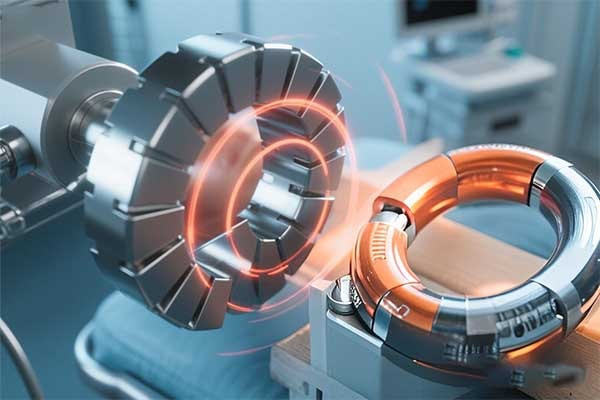
People often ask if magnets can cause harm. There is concern about the potential dangers, especially from strong magnets or accidental ingestion. Magnets can be a health risk under certain conditions, primarily if swallowed or used improperly near sensitive devices.
Yes, magnets can pose health risks, mainly when two or more small magnets are swallowed. If swallowed, multiple magnets can attract across intestinal walls, causing serious tissue damage, perforations, or blockages. Strong external magnets can also interfere with medical implants like pacemakers.
Understanding Magnet-Related Health Concerns
As a neodymium magnet manufacturer, we often discuss the power and versatility of magnets. However, it is also very important to talk about potential health risks. Most magnets are safe when used properly. Still, certain situations can create significant dangers.
The Dangers of Swallowing Magnets
The most serious health risk from magnets involves swallowing magnets. This is especially true when a person, often a child, swallows two or more small, powerful magnets. Here is why this is so dangerous:
-
Attraction Across Tissue: If you swallow a single magnet, it usually passes through your digestive system without major problems. However, if you swallow two or more magnets at different times, or if you swallow magnets along with other metal objects, they can attract each other. They can pull across loops of intestine.
-
Tissue Damage: When magnets attract across intestinal walls, they pinch the tissue between them. This constant pressure can cut off blood flow to the pinched areas. This leads to tissue death.
-
Serious Complications: Over time, this pinching can cause serious damage. It can lead to holes (perforations) in the intestines. It can also cause blockages (obstructions) or serious infections. These conditions often need urgent surgery. Without quick medical help, such injuries can be life-threatening. The risk is higher with very strong magnets, like neodymium magnets, even if they are small.
Interference with Medical Devices
Another important health risk involves interference with medical implants. Strong magnetic fields can affect certain electronic medical devices.
-
Pacemakers and ICDs: People with pacemakers, implantable cardioverter-defibrillators (ICDs), or similar devices should be very careful around strong magnets. A strong magnetic field can interfere with the device's normal operation. It might temporarily turn off the device or change its settings. This can be very dangerous for the patient. My company, <a href="/" target="_blank>M-Magnet Company, always advises caution when using magnets near such sensitive electronics.
-
Other Implants: Other metallic implants, while not electronic, can also be affected by extremely strong MRI-level magnetic fields. However, typical consumer magnets are generally not strong enough to pose a significant risk to most non-electronic implants. People with metallic implants should always follow their doctor's advice regarding magnets.
Pinch Hazards
Beyond internal risks, strong magnets can also pose a pinch hazard. Large or very strong neodymium magnets can attract to each other or to ferromagnetic objects with great force. If fingers or skin get caught between them, it can cause severe pinches, cuts, or even broken bones. Handling these magnets requires care and awareness.
In conclusion, while magnets are safe in many applications, awareness of these specific risks is crucial. Always keep small magnets away from children. Always exercise caution around medical implants.
Summary of Magnet Health Risks
| Risk Type | Cause | Severity | Prevention |
|---|---|---|---|
| Swallowing Magnets | Ingestion of two or more small magnets (especially if they attract across tissue). | Severe; internal damage, perforation, blockage, can be life-threatening. | Keep magnets away from children; immediate medical attention if swallowed. |
| Interference with Medical Implants | Proximity of strong magnets to pacemakers, ICDs, etc. | Moderate to severe; can affect device function, causing serious health issues. | Maintain safe distance; consult doctor/device manufacturer guidelines. |
| Pinch/Crush Injuries | Fingers or skin caught between strong magnets or magnet and metal. | Minor to severe; cuts, bruises, fractures. | Handle strong magnets with care; use gloves; keep apart when not in use. |
Is it OK to throw away magnets?
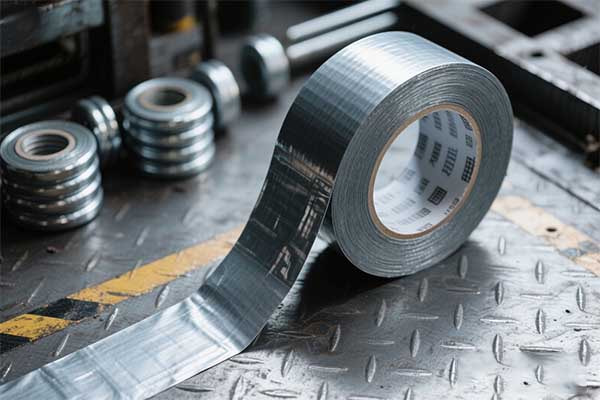
People often wonder if magnets can be safely disposed of in regular trash. Improper disposal can pose risks to waste management systems and the environment. Not a good idea to throw away magnets in regular trash; proper disposal or recycling is better.
It is generally not recommended to throw away magnets, especially strong ones like neodymium magnets, in regular household trash. Magnets can interfere with recycling equipment, damage shredders, or pose a risk if swallowed by children. Proper disposal involves recycling or taking them to specialized facilities.
Proper Disposal and Recycling of Magnets
Safe disposal of magnets involves steps to reduce their magnetic strength and prevent hazards. Thermal demagnetization, which heats magnets to their Curie temperature, neutralizes magnetism but should be done by professionals.
It might seem harmless to just toss them in the garbage. However, throwing away magnets, especially strong ones, can create problems for both safety and the environment. This is why proper disposal is important.
Why Regular Trash is Not Ideal
There are a few reasons why simply throwing magnets into your normal garbage bin is not the best idea:
-
Interference with Recycling Equipment: Many waste management facilities use large sorting machines. These machines often include powerful magnets to separate ferrous (iron-containing) metals from other trash. If a strong permanent magnet, like a neodymium magnet, enters these systems, it can stick to the machinery. It can interfere with the sorting process. It might even damage conveyor belts or shredders. This can lead to costly repairs and downtime for the recycling plant.
-
Safety Hazards: Strong magnets can also be a safety hazard in the waste stream. If small magnets are in the trash, they could still be found by children or pets. This brings back the risk of swallowing magnets, which we discussed earlier. The powerful attraction can cause serious internal injuries. This risk remains even after they leave your home.
-
Environmental Concerns: Neodymium magnets contain rare earth elements. These elements are valuable. They are also extracted and processed in ways that can have environmental impacts. Throwing them away means losing these valuable resources. It also means they end up in landfills. Recycling magnets allows us to recover these materials. This reduces the need for new mining. It also lessens the environmental footprint.
Best Practices for Magnet Disposal
Since simply throwing them away is not ideal, what should you do with old magnets? Here are some better options:
-
Recycle at Specialized Facilities: The best way to dispose of magnets is to take them to a recycling center that accepts metals or electronic waste. Some facilities have specific programs for magnets. You might need to call ahead to confirm if they accept magnets. They will know how to process or recycle these materials safely. M-Magnet Company works to ensure our manufacturing processes are as sustainable as possible. We encourage responsible end-of-life handling for all magnets.
-
Donate or Reuse: If your magnets are still functional, consider donating them. Many schools, hobbyists, or small businesses might be able to reuse them. This is a great way to extend their life and reduce waste.
-
Securely Wrap Small Magnets: If you have small, weak magnets that you cannot recycle, and you must put them in the trash, wrap them securely. Use strong tape and heavy-duty material. This helps prevent them from sticking to machinery. It also keeps them from being easily found by children or pets. However, this should be a last resort. It is still much better to recycle them.
-
Consult Local Waste Management: Always check with your local waste management authority. They can provide specific guidelines for your area. Rules for disposing of special items like magnets can vary by location.
Responsible disposal of magnets helps protect people. It also helps protect equipment. And it helps protect the environment. It is a small but important part of managing materials effectively.
Magnet Disposal Guidelines
| Disposal Method | Recommendation Level | Reasoning |
|---|---|---|
| Specialized Recycling Centers | Highly Recommended | Recovers valuable rare earth materials; prevents damage to recycling equipment; safe for environment. |
| Donation or Reuse | Highly Recommended (if functional) | Extends product lifespan; reduces waste; benefits others. |
| Regular Trash (securely wrapped) | Last Resort (for small, weak magnets) | Minimizes immediate hazards; still risks interference with waste machinery. |
| Regular Trash (unwrapped) | Not Recommended | High risk of damage to waste equipment; potential safety hazard (ingestion). |
How should I safely handle small magnets?
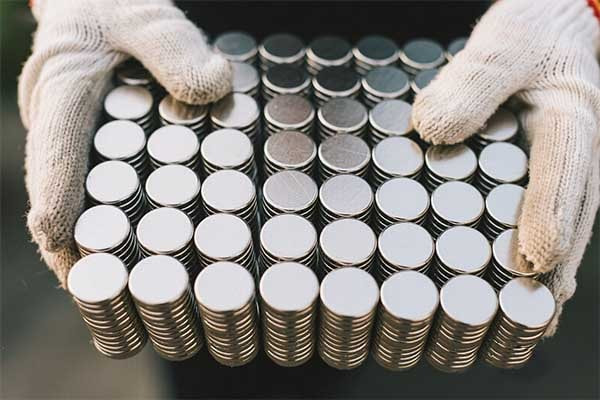
Small magnets may seem harmless, but improper handling can cause serious injuries. Understanding safe practices is essential to avoid accidents.
Small magnets, especially neodymium types, can pinch skin, chip, or shatter violently if mishandled. Always wear protective gloves and goggles, keep magnets away from electronics and children, and separate magnets carefully to prevent injury and damage.
We deal with small magnets every day at M-Magnet, so I understand both their power and their risk. Small ball magnets are especially strong and compact, which makes them useful in many industries, but also potentially dangerous if not used properly. There’s a growing concern globally about how to store, handle, and use these magnets safely. So let's break it down further.
Why are small ball magnets dangerous?
Small ball magnets are not toys, although their appearance may look fun. Their neodymium core makes them extremely strong for their size. If swallowed, especially two or more, they can attract each other inside the body, leading to intestinal blockage, tissue damage, or perforation. In the past few years, there have been several medical cases where emergency surgery was needed to remove magnets from a child’s stomach or intestines. Adults who work in the electronics or design fields also need to be cautious, as improper storage could cause finger pinching or unintended interference with magnetic-sensitive equipment.
Safe Handling Practices
When we work with these magnets, wearing gloves are necessary to avoid pinching. We use non-metal trays to keep them in place during inspection or packaging. For buyers, I recommend using magnetic-safe containers with labels. Also, it’s important to check your workspace. Keep magnets away from electronics, cards with magnetic strips, and sensitive instruments.
Here’s a detailed comparison table that shows the key practices we follow:
Safe Handling Practices for Small Ball Magnets
| Handling Step | Purpose | Risk if Ignored |
|---|---|---|
| Use gloves | Prevent pinching and skin injury | Painful cuts or bruises |
| Store in containers | Avoid accidental loss or swallowing | Danger to kids or pets |
| Keep away from electronics | Prevent data loss or damage | Broken or corrupted devices |
| Educate team or family | Promote safe awareness | Accidents due to ignorance |
Final Thoughts on Industrial Use
We often customize small ball magnets for industries like electronics, sensors, displays, or medical prototypes. I always make sure our buyers understand the safety protocols. These magnets pack a surprising amount of force into a tiny size. When used right, they offer amazing results. But they also need respect. Knowing how to handle small ball magnets is just as important as choosing the right magnet for your project. You must take it seriously to protect your workspace, your team, and your product.
Conclusion
Swallowing a single small magnet usually results in natural passage within 24 hours with low risk. However, multiple magnets or magnets swallowed separately can attract inside the intestines, causing severe injury and requiring urgent medical care. Monitoring with X-rays and prompt treatment are critical. Awareness and prevention are key to avoiding these hazards. For safe magnet use and solutions, M-Magnet offers expert guidance and products.
About Blogger
Benjamin Li
Operation Manager of M-Magnet Company
I will bring you a full range of magnet knowledge and manufacturing experience on neodymium magnets and MagSafe magnet solutions through blogs and emails. I'm not an expert yet in magnets, but we have a whole team to help you solve technical issues, design drawing details, compatibility suggestions from magnetic assemblies, magnet purchasing and many other customized magnet solutions from China. You can follow my blogs on knowledge sharing or contact me for your own magnet solutions. We will always do the best.