Can Magnets Create Heat?
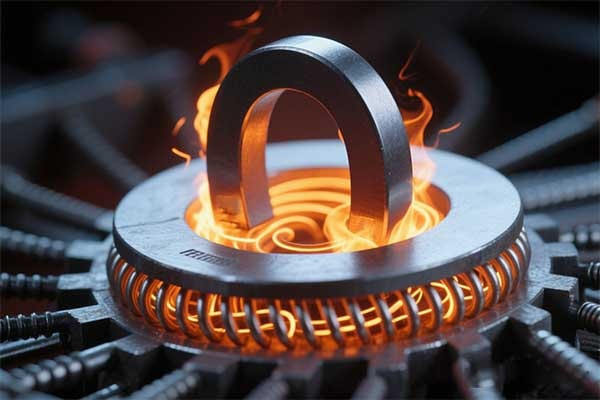
Many clients ask us if magnets generate heat during use. This matters for product safety and efficiency. We'll explain when magnets create heat and how to prevent issues.
Magnets alone don't produce heat. But they cause heating in metal objects through eddy currents or hysteresis losses. In motors or wireless chargers, this heat effect is common and manageable with design adjustments.
Let's examine why this happens in real applications.
Table of Contents
What Is a Permanent Magnet at Room Temperature Magnetic?
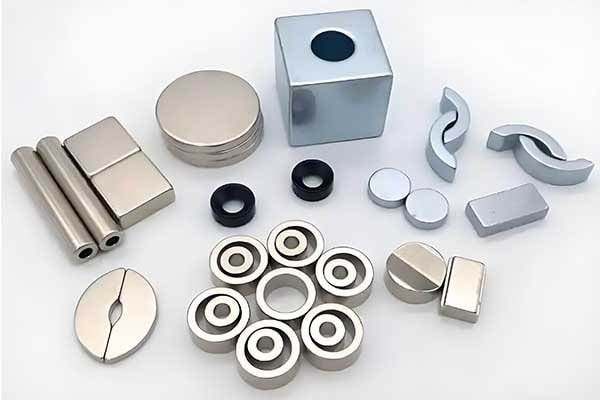
People often wonder if heat affects permanent magnets' strength. At room temperature, most magnets work well. But heat changes their performance.
Permanent magnets stay magnetic at room temperature (20-25°C). Neodymium magnets handle up to 80°C well. Beyond that, they lose strength. Ceramic magnets resist higher heat better.
Heat Resistance Comparison of Magnet Materials
We test all magnet types under heat stress. Below shows how temperature changes their strength. This helps pick the right magnet for hot environments.
| Magnet Type | Max Working Temp (°C) | Strength Loss at 100°C |
|---|---|---|
| Neodymium | 80-200 | 10-15% |
| Ferrite | 250 | 3-5% |
| Alnico | 525 | 1-2% |
Heat impacts different magnets uniquely. Neodymium magnets lose power faster in hot conditions. We see this in car motors during summer. Ferrite magnets handle heat better. They work well in kitchen appliances. Alnico magnets resist heat best. But they are weaker overall.
Every heat magnet situation needs special design. For example, electric vehicles need cooling for neodymium magnets. We add thermal barriers in our client projects. A heat magnet failure can ruin devices. So we test beyond standard temperatures.
Magnets don't create heat on their own. But moving magnetic fields generate heat in metals. This happens in two ways. Eddy currents make heat when magnets pass over conductors. Hysteresis losses occur in magnetic materials. Both heat sources matter in motors.
We solved heat issues for a drone company last year. Their battery overheated near magnets. We switched to high-temp neodymium. We also added aluminum shields. Now heat stays below critical levels. Good design prevents most heat magnet problems.
How does a magnetic field produce heat?
I often see customers surprised when their magnets get warm during operation. Many people think magnets are cold, static objects that never change temperature. This misconception can lead to serious problems in magnet applications where heat generation affects performance and safety.
Magnetic fields produce heat through electromagnetic induction when conductors move through the field, creating eddy currents that generate thermal energy. Changing magnetic fields also cause hysteresis losses in magnetic materials, converting magnetic energy into heat through molecular friction and domain wall movement.
Understanding Electromagnetic Heat Generation
The heat generation mechanisms are more complex than most people realize. The primary source of magnetic heat comes from electromagnetic induction, which occurs whenever conductors move through magnetic fields or when magnetic fields change strength over time.
When a conductor like copper or aluminum moves through a magnetic field, it experiences induced electrical currents called eddy currents. These currents flow in circular patterns within the conductor and encounter electrical resistance. The resistance converts electrical energy into heat energy, following the basic principle that I squared times R equals power dissipation.
The amount of heat generated depends on several key factors that I consider when designing magnet systems. Higher magnetic field strength creates stronger eddy currents and more heat. Faster movement or higher frequency changes increase the rate of electromagnetic induction. Better conducting materials like copper generate more eddy currents than poor conductors like stainless steel.
Magnetic Heat Generation Mechanisms
| Heat Source | Mechanism | Contributing Factors |
|---|---|---|
| Eddy Currents | Electromagnetic induction | Field strength, frequency, conductivity |
| Hysteresis Losses | Domain wall movement | Material type, frequency, field intensity |
| Mechanical Friction | Physical contact | Surface roughness, pressure, speed |
| Resistive Heating | Current flow resistance | Current density, material resistance |
Hysteresis heating represents another significant source of thermal energy in magnetic systems. This occurs when magnetic materials are subjected to changing magnetic fields. The magnetic domains within the material must constantly realign as the field changes direction or strength. This realignment process involves internal friction at the molecular level, which converts magnetic energy into heat.
The hysteresis effect is particularly important in alternating current applications where the magnetic field reverses direction many times per second. Transformers, motors, and other AC magnetic devices must be carefully designed to minimize hysteresis losses. The choice of magnetic material significantly affects the amount of heat generated through hysteresis.
Permanent magnets themselves can generate heat when exposed to changing external magnetic fields. Neodymium magnets are especially susceptible to this effect because of their high magnetic energy density. When external fields cause the magnetic domains to shift, internal friction generates heat that can permanently damage the magnet if temperatures exceed the material's limits.
Electromagnetic heating also occurs in non-magnetic conductors placed near strong magnetic fields. Aluminum heat sinks, copper wiring, and even human tissue can experience heating effects when exposed to powerful magnetic fields. This principle is used intentionally in induction heating applications but can cause unwanted temperature rises in magnet systems.
The frequency of magnetic field changes dramatically affects heat generation rates. Low-frequency changes produce modest heating, while high-frequency fields can generate substantial thermal energy very quickly. This is why magnetic resonance imaging systems require careful thermal management and why induction cooktops can heat metal cookware so efficiently.
Understanding magnetic heat generation helps explain why some magnet applications require active cooling systems. High-performance motors, magnetic separators, and electromagnetic brakes often need fans, heat sinks, or liquid cooling to prevent overheating. The thermal design is just as important as the magnetic design in these applications.
Can magnetism block heat?

The relationship between magnetism and heat transfer is more nuanced than simple blocking or allowing. Understanding this relationship is crucial for designing effective magnet systems that operate reliably across temperature ranges.
Magnetism cannot directly block heat transfer, but magnetic fields can influence heat flow through effects on charged particles and magnetic materials. Magnetic fields can deflect plasma and ionized gases, potentially affecting convective heat transfer, while magnetic materials may experience altered thermal conductivity under strong magnetic fields.
Magnetic Effects on Heat Transfer Mechanisms
I have studied how magnetic fields interact with different heat transfer modes throughout my career in magnet manufacturing. Heat moves through three primary mechanisms: conduction, convection, and radiation. Magnetic fields can influence each of these mechanisms in different ways, but they do not create impermeable thermal barriers.
Thermal conduction through solid materials is generally unaffected by magnetic fields in most practical applications. The lattice vibrations that carry heat energy through metals and other materials continue regardless of magnetic field presence. However, very strong magnetic fields can slightly alter the thermal conductivity of certain materials through changes in electron behavior and crystal structure.
Convective heat transfer involves the movement of fluids, and magnetic fields can significantly affect electrically conductive fluids like liquid metals or plasma. Magnetic fields exert forces on moving charged particles, which can alter flow patterns and heat transfer rates. This effect is used in some industrial applications for controlling heat transfer in liquid metal systems.
Magnetic Influence on Heat Transfer Methods
| Heat Transfer Mode | Magnetic Influence | Practical Effect |
|---|---|---|
| Conduction | Minimal | Slight conductivity changes |
| Convection | Moderate to Strong | Flow pattern changes |
| Radiation | None | No direct interaction |
| Phase Change | Variable | Material dependent |
Radiative heat transfer operates through electromagnetic radiation and is completely unaffected by static magnetic fields. Thermal radiation travels at the speed of light and carries energy through photons that have no electric charge. Magnetic fields cannot deflect or block these uncharged particles, so thermal radiation passes through magnetic fields without interference.
The magnetocaloric effect represents a unique interaction between magnetism and heat that some people confuse with heat blocking. Certain magnetic materials heat up when magnetized and cool down when demagnetized. This effect can be used for magnetic refrigeration, but it does not block heat transfer. Instead, it converts magnetic energy into thermal energy or vice versa.
Magnetic thermal insulation materials do exist, but they work through different principles than magnetic field blocking. These materials often contain magnetic particles that affect thermal conduction through the material structure rather than through magnetic field interactions. The magnetic particles may align in ways that reduce thermal conductivity, but this is a materials property rather than a field effect.
Plasma confinement represents the most dramatic example of magnetic influence on heat transfer. Powerful magnetic fields can contain hot plasma and prevent it from touching container walls. This principle is used in fusion reactors and plasma processing equipment. However, the magnetic field does not block heat transfer entirely. It redirects the charged particles that carry thermal energy.
Magnetic levitation systems sometimes appear to block heat transfer by preventing physical contact between hot and cold objects. M-Magnet has worked on applications where magnetic levitation reduces heat transfer by eliminating conductive paths. However, the magnetic field itself does not block heat. It simply prevents direct thermal contact.
Electromagnetic shielding materials can reduce heat transfer in some high-frequency applications. These materials reflect or absorb electromagnetic radiation, which includes some forms of thermal radiation. However, this shielding effect comes from the electrical properties of the materials rather than from magnetic field blocking.
The concept of magnetic heat blocking often arises from misunderstanding how magnetic fields interact with matter. Strong magnetic fields can affect the behavior of electrons in materials, which might slightly alter thermal properties. These effects are typically small and only significant in specialized applications with extremely strong magnetic fields.
Practical applications that seem to use magnetic heat blocking usually rely on other mechanisms. Magnetic seals might reduce heat transfer by preventing hot gas leakage rather than by blocking thermal radiation. Magnetic coatings might provide thermal insulation through their material properties rather than through magnetic field effects.
Understanding the true relationship between magnetism and heat transfer helps engineers design better thermal management systems for magnet applications. Rather than expecting magnetic fields to block heat, designers must use conventional thermal management techniques like heat sinks, cooling fans, and thermal barriers to control temperature in magnetic systems.
The key insight is that magnetic fields can influence the movement of charged particles and the behavior of magnetic materials, which can indirectly affect heat transfer rates. However, magnetic fields do not create thermal barriers that completely block heat flow. Effective thermal management in magnetic systems requires understanding both magnetic and thermal physics to achieve optimal performance.
What is the magnetic heating effect?
You might wonder if magnets can generate heat. This might seem like a simple question. However, the interaction between magnetism and heat is complex. Understanding magnetic heating effects helps clarify how magnets behave in different conditions.
The magnetic heating effect refers to the phenomenon where magnetic materials generate heat when exposed to a changing magnetic field or when undergoing rapid magnetization and demagnetization cycles. This heat generation is due to energy losses, primarily from eddy currents and hysteresis. This effect is utilized in applications like induction heating and magnetic hyperthermia.
Magnets are powerful. They are found in many devices. But do they create heat? The answer is not always simple. Magnets can create heat under specific conditions. We need to look at how this happens. This helps us understand their behavior.
How Magnets Create Heat
Magnets do not just get hot by themselves. They need energy input. This energy is then converted into heat. There are a few main ways this happens.
-
Eddy Currents: When a magnet or a magnetic material moves through a changing magnetic field, it creates eddy currents. These are loops of electric current inside the material. These currents meet resistance. This resistance generates heat. Think of it like electricity flowing through a wire. The wire gets hot. The same happens with eddy currents inside a magnetic material.
-
Hysteresis Losses: Magnets are made of tiny magnetic domains. When a magnetic field changes, these domains constantly reorient. This reorientation takes energy. Some of this energy is lost as heat. This is called hysteresis loss. It is like constantly moving something back and forth. It creates friction and heat.
-
Friction: In some applications, magnets move against each other or against other parts. This physical friction can also generate heat. For example, in a motor, the spinning parts might create friction.
These effects are more noticeable with strong, changing magnetic fields. A static magnet sitting on a fridge will not generate heat. But a magnet in a rapidly moving motor will.
Applications of Magnetic Heating
The magnetic heating effect is not always a problem. Sometimes, we use it on purpose.
| Application | How it Uses Magnetic Heating | Benefits |
|---|---|---|
| Induction Cooking | Changing magnetic field induces eddy currents in magnetic cookware, heating it directly. | Fast, efficient, safe (cooktop stays cool). |
| Industrial Induction Heating | Heats metals for welding, hardening, or melting using strong changing magnetic fields. | Precise, contactless heating, no open flames. |
| Magnetic Hyperthermia | Magnetic nanoparticles are injected into tissue and heated by an alternating magnetic field to kill cancer cells. | Targeted treatment, minimally invasive. |
| Eddy Current Brakes | Magnets create eddy currents in a conductor, which generates heat as braking force. | Smooth, wear-free braking, used in roller coasters, high-speed trains. |
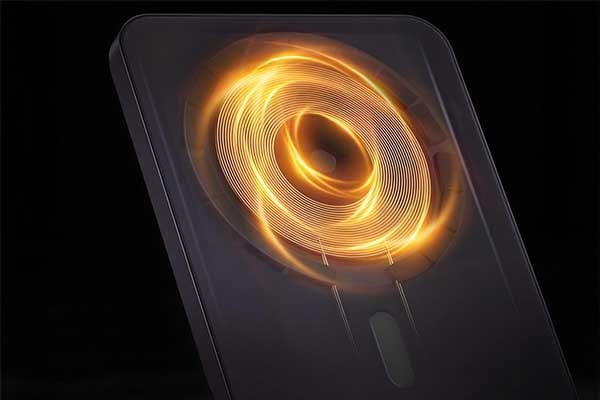
As a neodymium magnet manufacturer, we understand these effects well. Our powerful magnets are used in many applications where heat can be a factor. For example, in high-speed motors or generators, our magnets are subject to changing magnetic fields. This can cause some heating. We consider this in our magnet customized solutions. We design magnets with proper coatings to manage heat. In products like MagSafe magnets, where wireless charging happens, heat can be generated. The magnetic field helps align the devices. The charging coils then create the magnetic field that induces current and heat in the device. Understanding the magnetic heating effect is crucial. It helps us design efficient and safe products.
What temperature do magnets melt?

You might be concerned about magnets losing their strength or melting at high temperatures. Not knowing a magnet's temperature limits can lead to product failure. Understanding different magnet materials' melting points helps ensure proper application and performance.
Magnets do not typically "melt" at temperatures relevant to their magnetic properties. Instead, they lose their magnetic properties at a specific temperature called the Curie temperature. This is much lower than their melting point. Once heated above the Curie temperature, a magnet becomes demagnetized.
Magnets are important in many devices. They perform well at normal temperatures. But what happens when they get very hot? Do they melt like ice? Or do they just stop working? We need to understand how heat affects magnets.
Curie Temperature vs. Melting Point
It is important to know the difference between Curie temperature and melting point.
-
Curie Temperature: This is the critical temperature where a magnetic material loses its permanent magnetic properties. Above this temperature, the material becomes paramagnetic. It no longer attracts or repels other magnets. This happens because the atomic magnetic moments become random due to heat energy. They stop being aligned. This temperature is specific for each magnetic material.
-
Melting Point: This is the temperature at which a solid material turns into a liquid. This is usually much higher than the Curie temperature for magnetic materials. Magnets will lose their magnetism long before they actually melt.
So, a magnet will stop being a magnet before it turns into a liquid. This is a key difference.
Temperature Limits for Different Magnet Types
Different types of magnets have different temperature limits. This affects where they can be used.
| Magnet Type | Curie Temperature (approx. °C) | Max Operating Temperature (approx. °C) | Notes on Temperature Stability |
|---|---|---|---|
| Neodymium (NdFeB) | 310 - 370 | 80 - 230 (depending on grade) | Strongest but most temperature sensitive; higher grades (SH, UH, EH, AH) offer better temp. resistance. |
| Ferrite (Ceramic) | 450 - 460 | 180 - 300 | Good temperature stability, but weaker than neodymium. |
| Samarium Cobalt (SmCo) | 700 - 800 | 250 - 350 | Excellent temperature stability, good strength, more expensive. |
| Alnico | 700 - 860 | 450 - 550 | Very high temperature stability, but lower strength. |
While they are the strongest permanent magnets available, their Curie temperature is lower than others. This is why it is critical to select the correct grade of neodymium magnet for applications that involve heat. For example, if a motor or generator operates at high temperatures, we would recommend a high-temperature grade neodymium magnet. These grades are designed to retain their magnetic properties better under heat.
Sometimes, in magnet customized solutions, a magnet might be near a heat source. In these cases, we might suggest specific designs to dissipate heat. Or we might recommend a different magnet material like Samarium Cobalt if temperature stability is paramount. The magnet heating effect, which can generate some heat in changing fields, is different from the external heat that can demagnetize a magnet. We ensure our magnets perform reliably within their operating temperature limits. We do this for all our products, from industrial magnets to specialized MagSafe magnets. Choosing the right magnet for the temperature environment is as important as choosing the right strength.
What is a super heat magnet used for?
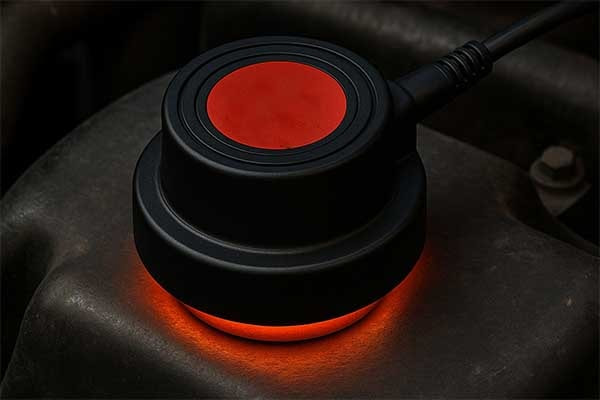
Magnets often raise questions about their ability to create heat. This confusion affects many industries needing reliable heating solutions.
A super heat magnet is a heating device that uses a strong magnetic base to attach securely to ferrous metal surfaces, providing consistent heat transfer. It is widely used for engine warming, stress relieving in metalwork, and freeze protection in industrial equipment.
Super heat magnets combine powerful magnets with heating elements to deliver heat directly to metal surfaces. The magnetic base ensures firm attachment, allowing efficient heat transfer without clamps or adhesives. This design improves setup speed and heat distribution.
One notable example is the Superheat MagneMat™, which integrates magnets into flexible ceramic pad heaters. This innovation eliminates the need for pins during onsite stress relieving of large vessels and piping. The magnets maintain their electromagnetic properties even under high preheat and post-weld heat treatment (PWHT) temperatures, ensuring reliable operation.
Another common product is the Kat’s Super Heat Magnet, a 300-watt heater with a strong magnet that attaches to engine oil pans or transmission housings. It provides quick, stable heating to improve cold-weather starting and reduce engine wear. The magnet’s power ensures it stays firmly in place even on vibrating machinery.
Super Heat Magnet Applications and Features
| Product/Type | Magnet Role | Heat Output | Common Uses |
|---|---|---|---|
| Superheat MagneMat™ | Magnetic attachment for ceramic pad heater | Variable, controlled by pad design | Onsite stress relieving, heat treatment |
| Kat’s Super Heat Magnet 300W | Strong magnet for secure surface contact | 300 Watts (up to 400°F) | Engine warming, freeze protection |
| Portable Electric Heat Magnets | Magnet holds heater on metal surfaces | 200-300 Watts | Hydraulic equipment, oil pans, transmissions |
The heat magnet concept solves many problems in industrial heating. Traditional ceramic pad heaters require pins or clamps to hold them in place during heat treatment. This process is time-consuming and can damage surfaces. By integrating magnets, Superheat’s MagneMat™ reduces setup time by up to 70%, eliminates pin-related damage, and cuts costs.
In cold climates, heat magnets like Kat’s Super Heat Magnet improve engine start-up reliability. The magnetic base ensures the heater stays attached during vibration and movement, providing steady heat to critical parts. This reduces engine wear and fuel consumption.
From my experience at M-Magnet, I see how combining strong magnets with heating technology creates efficient, reliable solutions. The keyword "camera magnet" may not directly relate here, but the principle of strong magnetic attachment applies across many products, including those used in camera assemblies where heat management is critical.
Super heat magnets represent a smart fusion of magnet technology and heating needs. They provide safe, stable, and efficient heat transfer in demanding environments, making them invaluable in industrial and automotive applications.
Conclusion
Magnets don't produce heat themselves. But they cause heating in nearby metals through motion. Permanent magnets work best at room temperature. Different materials handle heat differently. We design custom solutions to control heat effects. Contact us for heat-resistant magnet options.