Can a magnetic wallet demagnetize a credit card?
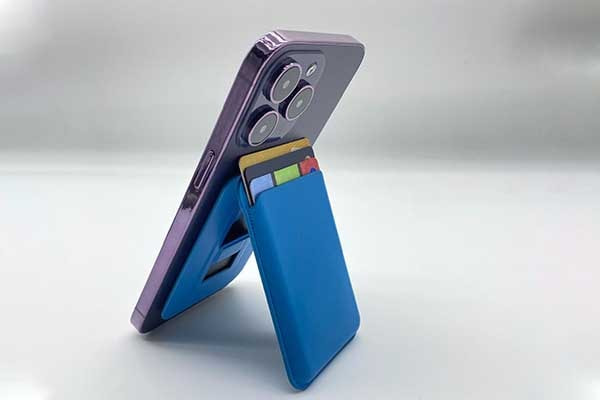
Will a magnetic wallet ruin credit cards? Magnetic wallets worry many users about credit card damage. The problem is whether magnets can erase card data, causing inconvenience and cost.
Magnetic wallets usually do not demagnetize modern credit cards. Cards with EMV chips and contactless features are safe, while only old magnetic stripe cards face minimal risk from strong magnets.
Keep reading to learn how demagnetization happens and how to not ruin your credit cards.
Table of Contents
How to demagnetize credit card?
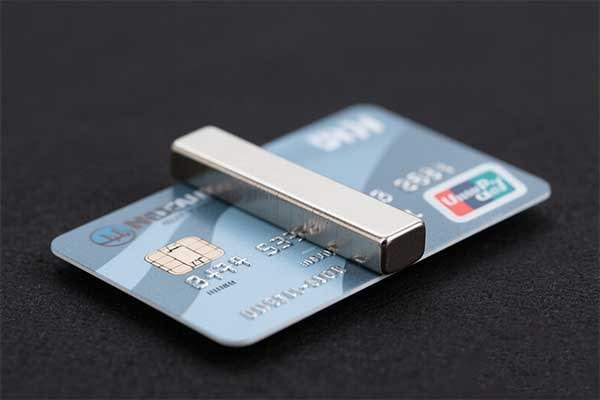
Many wonder how credit cards become demagnetized and what causes this issue. Understanding this helps prevent card damage.
Credit cards can be demagnetized by exposure to strong magnets, physical damage, or electromagnetic fields. Avoiding contact with strong magnetic sources and rough handling reduces risk.
So how demagnetization occurs and what you can do to protect your cards.
What causes credit card demagnetization?
Credit cards store data in magnetic stripes made of iron-based particles. These particles encode transaction information. When exposed to strong magnetic fields, the particles can realign, erasing or scrambling data, which makes the card unreadable. Physical damage like scratches or bending can also harm the stripe.
Common sources of demagnetization include:
Strong magnets such as those in some magnetic wallets, electronic devices, or security tags.
Metal clasps or objects rubbing against the stripe.
Electromagnetic fields from phones or cameras.
Physical wear and tear from rough storage.
How strong must a magnet be to demagnetize a card?
Most magnetic wallets use low-strength magnets designed only to keep the wallet closed. These magnets typically produce magnetic fields around 200 gauss, which is far below the 4,000 gauss level needed to damage magnetic stripes. Therefore, normal magnetic wallets rarely cause demagnetization.
However, very strong magnets, like industrial magnets or some security devices, can demagnetize cards if in close contact for extended periods.
How to prevent credit card demagnetization?
To protect your cards from demagnetization:
Store cards away from strong magnets and electronic devices.
Avoid placing cards near metal clasps or sharp objects.
Use wallets with shielding or RFID protection.
Regularly check card functionality and replace damaged cards promptly.
For older magnetic stripe cards, consider upgrading to EMV chip cards.
Common Causes and Prevention of Credit Card Demagnetization
| Cause | Description | Prevention |
|---|---|---|
| Strong Magnets | Exposure to magnets >4,000 gauss can erase magnetic stripe data. | Avoid carrying cards near industrial magnets or strong magnetic devices. |
| Physical Damage | Scratches or bending can damage the magnetic stripe. | Store cards in protective wallets, avoid rough handling. |
| Electromagnetic Fields | Fields from phones, cameras, or security devices may affect magnetic stripes. | Keep cards away from electronic devices when not in use. |
| Weak Wallet Magnets | Magnets in wallets are usually too weak to cause damage. | Use magnetic wallets designed with card safety in mind. |
Are modern credit cards safer against demagnetization?
Yes. Most modern credit cards use EMV chips and contactless NFC technology, which do not rely on magnetic stripes for data storage. These chips are not affected by magnets, making the cards more secure and less vulnerable to demagnetization. Magnetic wallets are generally safe for these cards.
Older cards with only magnetic stripes remain vulnerable but are becoming rare as banks issue chip-enabled cards.
How do you tell if your card has been demagnetized?
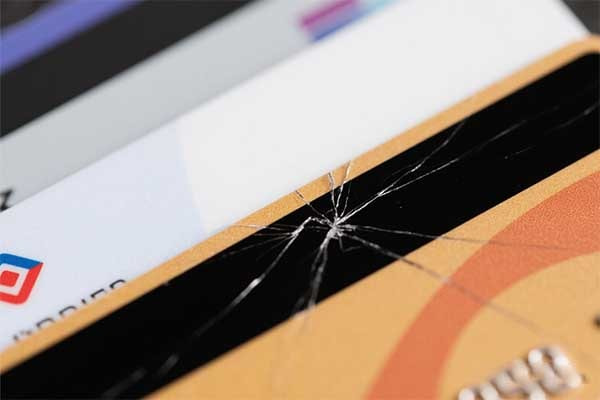
Credit card users worry about their cards suddenly stopping to work. They cannot complete transactions and feel embarrassed at checkout counters. Identifying demagnetized cards early prevents these frustrating situations.
A demagnetized credit card shows clear warning signs including card reader rejection, repeated swipe failures, and error messages at ATMs. The magnetic stripe may appear visibly damaged with scratches or fading. Cards typically fail to work at multiple different terminals, confirming demagnetization rather than equipment problems.
Understanding the symptoms of demagnetized credit cards requires knowledge of how magnetic stripe technology functions in payment systems. Credit cards store data on magnetic stripes using tiny iron particles aligned in specific patterns. When these patterns become disrupted, the card loses its ability to communicate with card readers and processing systems.
The most obvious sign of demagnetization occurs when card readers consistently reject your card. This rejection happens across multiple terminals and locations, indicating the problem lies with the card itself rather than individual machines. ATMs display error messages such as "card cannot be read" or "please try again" when encountering demagnetized cards.
Demagnetization Detection Methods
| Detection Method | Reliability | Time Required | Equipment Needed |
|---|---|---|---|
| Multiple Terminal Test | High | 5-10 Minutes | Card Readers |
| Visual Inspection | Medium | 1-2 Minutes | None |
| Bank Verification | Very High | 10-15 Minutes | Phone Access |
| Chip Function Test | Medium | 2-3 Minutes | Chip Reader |
Visual inspection provides another method for detecting demagnetized cards. The magnetic stripe may show physical damage including scratches, worn areas, or color fading. These visual changes often accompany magnetic data loss, though cards can become demagnetized without visible damage. A healthy magnetic stripe appears uniform in color and texture across its entire length.
Magnetic stripe credit cards contain three tracks of data encoded at different densities. Track 1 stores cardholder information and account details. Track 2 contains the primary account number and verification data. Track 3 remains largely unused in most applications. Demagnetization can affect individual tracks differently, leading to partial functionality loss.
The strength of magnetic fields required to demagnetize credit cards varies based on the card type and encoding method. Low-coercivity cards used for hotel keys require relatively weak fields for demagnetization. High-coercivity financial cards resist demagnetization better but remain vulnerable to strong magnetic sources. Understanding these differences helps identify potential demagnetization causes.
Environmental factors contribute to gradual demagnetization over time. Heat exposure can weaken magnetic stripe integrity. Physical wear from repeated swiping gradually reduces signal strength. Exposure to magnetic fields from various sources accelerates the demagnetization process. Cards typically maintain functionality for several years under normal usage conditions.
M-Magnet produces high-quality neodymium magnets used in various applications including magnetic wallets. The company understands the magnetic field strengths that affect different materials and helps customers select appropriate products for their needs.
Testing card functionality across different types of card readers provides valuable diagnostic information. Older mechanical readers may struggle with partially demagnetized cards that still work in newer electronic systems. Contactless payment systems bypass magnetic stripe issues entirely by using different communication methods. This variation helps isolate magnetic stripe problems from other card issues.
Bank verification offers the most reliable method for confirming demagnetization. Customer service representatives can test card data remotely and identify specific problems with magnetic stripe encoding. They access account information that reveals recent transaction failures and system error codes. This professional assessment eliminates guesswork about card functionality.
The relationship between magnetic wallet usage and credit card problems involves complex interactions between magnetic field strength, exposure duration, and card construction. Strong neodymium magnets in wallets can potentially affect credit cards, but the risk varies significantly based on specific circumstances and usage patterns.
Modern credit cards incorporate multiple security features beyond magnetic stripes. EMV chips provide enhanced security and functionality independent of magnetic stripe data. Contactless payment technology uses radio frequency communication that remains unaffected by magnetic fields. These redundant systems help maintain card functionality even when magnetic stripes become damaged.
Can you fix a demagnetized card?
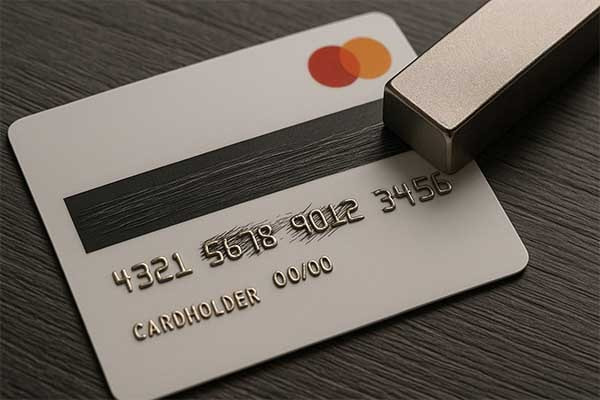
Consumers face significant inconvenience when credit cards stop working unexpectedly. They need immediate solutions to restore card functionality. Standard repair options remain limited for magnetic stripe damage, leaving users with few alternatives.
Demagnetized credit cards cannot be repaired by consumers using home methods. Banks and financial institutions must reissue new cards with fresh magnetic stripe encoding. Attempting to remagnetize cards using magnets or electronic devices will likely cause additional damage rather than restoration of functionality.
The technical impossibility of fixing demagnetized credit cards at home stems from the sophisticated encoding process used during card manufacturing. Credit card magnetic stripes contain precise data patterns created using specialized industrial equipment. These patterns store encrypted account information, security codes, and verification data in specific magnetic field orientations that cannot be replicated without professional encoding machines.
Remagnetization attempts using household magnets typically worsen the situation rather than improving card functionality. Random magnetic fields disrupt existing data patterns without creating new readable information. The magnetic particles in credit card stripes require specific field strengths and orientations to encode data properly. Home magnets lack the precision and control necessary for data encoding.
Card Restoration Options
| Restoration Method | Success Rate | Cost | Time Required |
|---|---|---|---|
| Bank Reissue | 100% | Free | 5-7 Days |
| Emergency Replacement | 100% | $25-50 | 24-48 Hours |
| Branch Visit | Variable | Free | Same Day |
| Home Repair | 0% | Risk of Damage | Immediate Failure |
Professional card encoding requires specialized equipment that costs thousands of dollars and connects to secure banking networks. These machines create precise magnetic field patterns while simultaneously encrypting sensitive account data. The encoding process involves multiple security layers that prevent unauthorized duplication or modification of card information.
Financial institutions maintain strict security protocols around card production and reissue processes. When customers report demagnetized cards, banks verify account information and authorize new card creation through secure channels. This process ensures account security while providing customers with functional replacement cards that contain current account data and security features.
The magnetic stripe encoding process involves writing data to three separate tracks using different bit densities and data formats. Track 1 uses 210 bits per inch and stores alphanumeric data. Track 2 operates at 75 bits per inch with numeric data only. Track 3 runs at 210 bits per inch but remains largely unused. Each track requires precise magnetic field control during encoding to ensure reliable data storage and retrieval.
Emergency card replacement services provide faster solutions for customers who need immediate access to their accounts. Banks typically charge fees for expedited shipping and processing of emergency replacements. These services can deliver new cards within 24 to 48 hours through overnight shipping services. The replacement cards contain identical account information with updated magnetic stripe encoding.
Some bank branches offer instant card printing services that can replace demagnetized cards immediately. These locations maintain card printing equipment and secure network connections that enable on-site card production. Customers receive new cards within minutes rather than waiting for mail delivery. This service availability varies by bank and branch location.
Alternative payment methods provide temporary solutions while waiting for card replacement. Mobile payment systems like Apple Pay and Google Pay store encrypted card information independently of physical cards. These systems remain functional even when physical cards become demagnetized. Contactless payment technology also bypasses magnetic stripe issues entirely.
The prevention of future demagnetization involves understanding and avoiding strong magnetic field sources. Magnetic wallets, phone cases with magnetic closures, and speakers with powerful magnets can all pose risks to credit cards. Maintaining distance between cards and magnetic sources reduces the likelihood of demagnetization. RFID-blocking wallets provide protection for both magnetic stripes and contactless payment chips.
Card storage techniques significantly impact magnetic stripe longevity. Storing multiple cards together can create magnetic interference between adjacent stripes. Separating cards with non-magnetic materials reduces this interaction. Avoiding exposure to heat, moisture, and physical stress also helps preserve magnetic stripe integrity over time.
The evolution toward chip-based and contactless payment systems reduces reliance on magnetic stripe technology. EMV chips provide enhanced security and resist magnetic field interference. Near-field communication systems operate independently of magnetic storage methods. These technological advances make credit cards less vulnerable to magnetic interference while maintaining backward compatibility with existing payment infrastructure.
Understanding the limitations of magnetic stripe repair helps consumers make informed decisions about card maintenance and replacement. While home repair remains impossible, professional banking services provide reliable solutions for restoring card functionality. The combination of proper prevention techniques and prompt replacement procedures ensures continued access to financial accounts despite occasional magnetic stripe failures.
How to clean the magnetic strip on a credit card?
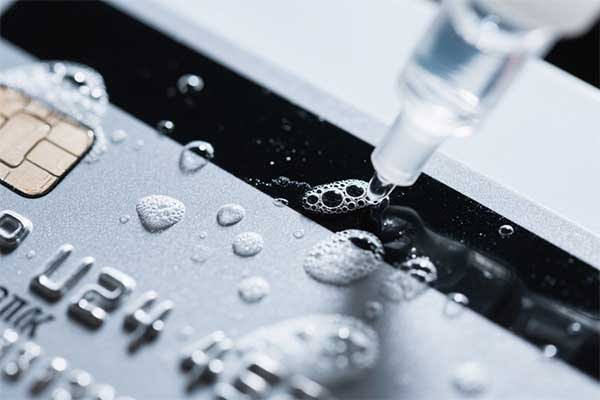
A dirty or damaged magnetic strip can cause your credit card to fail when swiping, leading to payment delays or declined transactions. Dust, grime, or scratches may interfere with the strip’s ability to transmit data.
To clean a magnetic strip on a credit card, gently wipe it with a soft cloth dampened with water or rubbing alcohol. Avoid using harsh chemicals, excessive moisture, or abrasive materials that can damage the strip.
Understanding Magnetic Strip Sensitivity and Proper Cleaning Methods
The magnetic strip on a credit card is made of magnetic particles that encode important banking data. If dirt or oil builds up on the surface, the strip may not be read properly by card terminals. This can lead to failed transactions or partial reads. Fortunately, cleaning it is simple and requires only a soft cloth and gentle handling.
Rubbing alcohol or plain water are both safe if applied in small amounts. Avoid soaking the card or rubbing it forcefully. A cotton swab can also help with targeted cleaning. Make sure the card is completely dry before putting it back in a wallet.
Magnets can also affect credit cards. While brief contact with small magnets such as those used in magnetic wallets often causes no damage, strong permanent magnets, especially neodymium types, can demagnetize the strip. At M-Magnet, we engineer magnets to suit consumer electronics and accessories, but we always advise customers to keep high-grade magnets away from sensitive magnetic data storage like credit cards.
Safe Cleaning Options for Magnetic Strips
| Cleaning Material | Safe for Magnetic Strip | Effectiveness |
|---|---|---|
| Dry microfiber cloth | Yes | Medium |
| Cloth with rubbing alcohol | Yes | High |
| Paper towel with water | Yes (with care) | Medium |
| Abrasive sponge or bleach | No | Damage risk |
Keeping credit cards away from strong permanent magnets is just as important as cleaning them. This includes magnets inside magnetic phone mounts, magnetic wallets, and even promotional fridge magnets. While most household magnets pose minimal risk, repeated or direct contact with industrial-strength magnets can erase or distort data stored on the strip.
Can you tape a credit card back together?
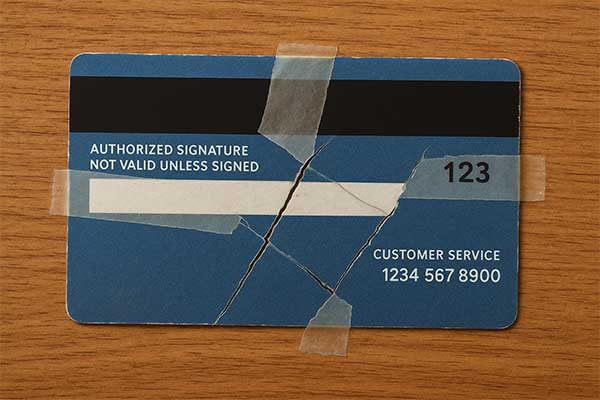
A cracked or torn card can lead to rejection at ATMs or card readers, making quick fixes tempting.
Taping a broken credit card back together may allow it to be physically swiped, but it is not reliable or recommended. Damage to the magnetic strip or chip often means the card needs replacement for full function.
When Temporary Fixes Are Not Enough for Magnetic Cards
Many people try to fix broken credit cards by taping them, especially when waiting for a replacement. This method might work for cards with minor cracks that still preserve the magnetic strip and embedded chip. However, it rarely restores full usability and can damage card readers or cause repeated transaction failures.
The magnetic strip must be intact and smooth. Tape may prevent the card from gliding properly through a reader. More importantly, the contact chip in modern cards is highly sensitive and cannot function if cracked. For chipped cards, even a clean break often leads to permanent failure.
Permanent magnets also play a role in this issue. If the card’s magnetic strip is already damaged or weakened by exposure to a high-strength permanent magnet, then taping won’t fix that. M-Magnet manufactures powerful neodymium magnets, and we always advise users to keep such magnets stored safely away from cards and other magnetic data media.
Effectiveness of Taping a Broken Card
| Damage Type | Taping Result | Alternative |
|---|---|---|
| Small edge crack | May work temporarily | Use mobile wallet |
| Full break through chip | Will not work | Request new card |
| Magnetic strip damage | Unreliable swipe | Contact bank |
Even if the taped card swipes once, most banks treat damaged cards as a security risk. In many cases, ATMs will reject visibly repaired cards. The better solution is to ask for a replacement and, in the meantime, use contactless payment apps linked to the same account. This avoids the risk of declined payments and protects your data.
Always handle cards with care, and avoid keeping them in wallets with embedded permanent magnets. These strong magnetic fields can weaken the strip or affect the card’s signal performance in chip-and-contactless systems.
Can you deactivate a credit card with a magnet?
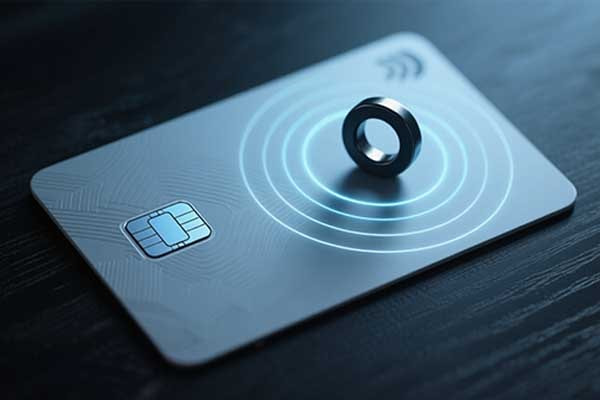
Are you worried about your credit cards losing data? Many people wonder if magnets can ruin them. Understanding how this works is important. Let's look at the facts.
Strong magnets can demagnetize the magnetic stripe on older credit cards, which rely on magnetic data storage. However, modern credit cards primarily use EMV chips for transactions. These chips are not affected by magnets. So, while older cards might be vulnerable, most current cards are safe from magnetic interference.
The question of whether you can deactivate a credit card with a magnet is quite common. To answer this, we need to look at how credit cards store information. Older credit cards, and many still in use today, have a black or brown stripe on the back. This is called a magnetic stripe, or magstripe. This stripe stores your card's data magnetically. It uses tiny magnetic particles. These particles are arranged in a specific pattern to represent your account information.
When you swipe a card with a magstripe, a reader senses this magnetic pattern. A strong magnet can disrupt this pattern. If a magnet is strong enough and applied directly to the magstripe, it can rearrange these particles. This erases or corrupts the data. If the data is corrupted, the card reader will not be able to read it. This means the card becomes unusable for swiping. This is why it was once common advice to keep credit cards away from magnets. For example, some older phone cases had magnetic clasps. These clasps could sometimes affect magstripe cards if the card was placed too close.
However, credit card technology has changed a lot. Most modern credit cards now have an EMV chip. This is the small, metallic square on the front of the card. EMV stands for Europay, MasterCard, and Visa, the companies that developed this standard. The data on an EMV chip is stored digitally, not magnetically. This makes EMV chips very resistant to magnetic fields. A magnet, no matter how strong, cannot erase or corrupt the data on an EM microchip. This is a major improvement in card security and durability.
At <a href="/" target="_blank">M-Magnet Company</a>, we work with various types of magnets, from neodymium magnets to those used in MagSafe products. We understand magnetic fields well. While our <a href="/" target="_blank">MagSafe magnet factory</a> produces strong magnets for specific applications, their effect on credit cards depends on the card's technology. If your credit card mainly uses the EMV chip for transactions, then a magnetic wallet or other strong magnet will likely not deactivate it. If you still rely on the magnetic stripe for some transactions, then there is a small chance a very strong magnet could affect it. However, the risk is much lower with current card technology. Most points of sale now use chip readers, not just swipers.
| Card Technology | How Data is Stored | Vulnerability to Magnets | Transaction Method |
|---|---|---|---|
| Magnetic Stripe (Magstripe) | Magnetic particles aligned to represent data. | High vulnerability to strong magnetic fields. Can be demagnetized. | Card swipe. |
| EMV Chip | Data stored digitally on a microchip. | Very low vulnerability. Not affected by typical magnetic fields. | Chip insertion (dip) or tap (contactless). |
| Contactless (NFC) | Data transmitted wirelessly via radio waves (often linked to EMV chip). | No vulnerability to magnetic fields. Relies on radio frequency. | Tap (Near Field Communication). |
Conclusion
Magnetic wallets rarely demagnetize modern credit cards because their magnets are too weak. Only old magnetic stripe cards risk damage from strong magnets or physical harm. Protecting cards by avoiding strong magnetic fields and rough handling ensures card longevity. Using chip-enabled cards and quality wallets further reduces risk, making magnetic wallets a convenient and safe choice.