What causes some materials to have magnetic fields?
When people see magnets attract or repel, they often wonder why only some things act this way. Many feel confused by the invisible forces. You can understand the science behind magnetic materials.
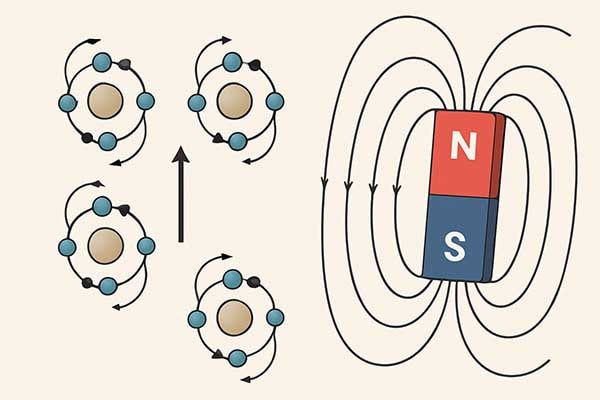
Some materials have magnetic fields because their atomic structure allows electrons to align in a way that creates a net magnetic moment. This alignment, found in certain metals and alloys, lets these materials generate and maintain magnetic fields.
If you want to know which materials are magnetic and why, keep reading for clear answers.
Table of Contents
What are magnetic materials?

Many people struggle to tell which objects are magnetic. This confusion can cause mistakes in product design or daily life. You can learn to spot magnetic materials and use them well.
Magnetic materials are substances that can be attracted by a magnet or can become magnets themselves. These materials, like iron, cobalt, and nickel, have atoms whose electrons align to produce a strong magnetic field.
Magnetic materials are not all the same. Some are strongly magnetic, while others are weak or not magnetic at all. To understand this, we need to look at the atomic level. Atoms have electrons that spin and move around the nucleus. In most materials, these spins cancel each other out. In magnetic materials, many electrons spin in the same direction. This creates a net magnetic moment. When many atoms in a material align their moments, the whole object becomes magnetic.
What Materials are Magnetic
| Type | Description | Examples |
|---|---|---|
| Ferromagnetic | Strongly attracted to magnets; can become permanent magnets | Iron, Nickel, Cobalt |
| Paramagnetic | Weakly attracted to magnets; do not retain magnetism | Aluminum, Platinum |
| Diamagnetic | Weakly repelled by magnets; cannot become magnets | Copper, Bismuth |
Ferromagnetic materials are the most important for making strong magnets. These include iron, cobalt, and nickel. In these materials, groups of atoms called domains align in the same direction. When you place a ferromagnetic material in a magnetic field, these domains line up, and the material becomes magnetized. If the domains stay aligned after removing the field, the material becomes a permanent magnet. This is why neodymium magnets, which are made from rare earth elements, are so powerful. They have a structure that lets many domains align and stay that way.
Paramagnetic materials have some unpaired electrons, so they are weakly attracted to magnetic fields. However, their domains do not stay aligned. When you remove the magnetic field, they lose their magnetism. Aluminum and platinum are examples. These materials are not useful for making permanent magnets, but they can show weak magnetic effects.
Diamagnetic materials have all their electrons paired. This means their magnetic moments cancel out. When you put them in a magnetic field, they create a weak opposing field. This makes them weakly repelled by magnets. Copper and bismuth are examples. These materials are not attracted to magnets and cannot become magnets themselves.
The difference between these types comes from their atomic structure. The way electrons are arranged and how they spin determines if a material is magnetic. In my work at M-Magnet Company, I see how important it is to choose the right magnetic materials for each application. For example, neodymium magnets are used in electronics and MagSafe products because they are strong and reliable. Other materials, like ferrite, are used in speakers and motors.
When you select magnetic materials, you must consider their strength, stability, and how they react to temperature. Some materials lose their magnetism when heated. This is called the Curie temperature. Neodymium magnets, for example, have a lower Curie temperature than some other magnets. This means they can lose their magnetism if they get too hot.
Magnetic materials play a key role in modern technology. They are used in motors, sensors, medical devices, and more. Understanding the differences between ferromagnetic, paramagnetic, and diamagnetic materials helps you choose the right one for your needs. As a manufacturer, I always look for ways to improve the performance and durability of our magnets. This means testing different alloys and coatings to make sure they meet customer requirements.
In summary, magnetic materials are special because of their atomic structure. The way electrons align in these materials lets them create and maintain magnetic fields. This property is essential for many products and industries. If you want to learn more about how magnetic materials work or need custom solutions, you can always reach out to experts in the field.
Are magnetic materials magnets?
People often confuse magnetic materials with actual magnets. This leads to misunderstanding in material selection and magnet design.
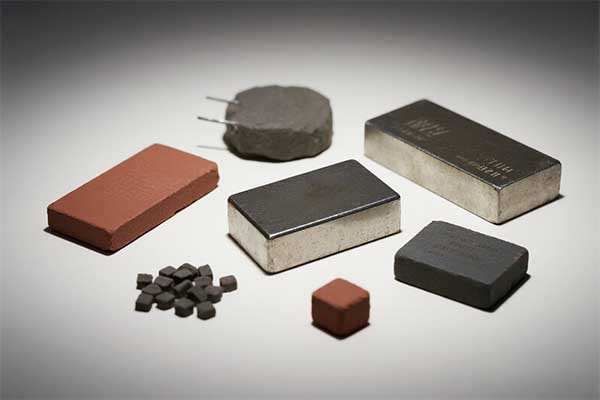
Not all magnetic materials are magnets. Magnetic materials respond to a magnetic field, but only some, like ferromagnetic ones, can retain magnetism and act as permanent magnets.
Magnetic materials include a broad range of substances with different magnetic behaviors. Some are weakly magnetic, while others can become strong permanent magnets. There are three main types of magnetic responses: diamagnetism, paramagnetism, and ferromagnetism. Ferromagnetic materials like iron, cobalt, and nickel can become real magnets when exposed to an external magnetic field and retain magnetism after the field is removed.
Among all the types of magnetic materials, only ferromagnetic and some ferrimagnetic materials are typically used in permanent magnet production. These are used to make industrial magnets, like the ones produced by M-Magnet. Materials such as neodymium (NdFeB) and samarium cobalt fall under this category. In contrast, materials like aluminum or copper are technically magnetic in the broad sense, but they are either weakly paramagnetic or diamagnetic and do not behave like real magnets.
Understanding this distinction is important for product design. For example, in a magnetic phone holder, the magnet itself is typically neodymium, while the surface it attaches to might be steel—magnetic but not a magnet. So, while both interact with magnetic fields, only one actively generates it.
Classification of Magnetic Materials
| Type | Magnetic Behavior | Examples |
|---|---|---|
| Ferromagnetic | Strong, retains magnetism | Iron, Neodymium, Cobalt |
| Paramagnetic | Weak, temporary response | Aluminum, Platinum |
| Diamagnetic | Weak, repels field | Copper, Bismuth |
Product designers and engineers must understand these types of magnetic materials to select the correct materials for magnetic systems. Magnetic phone holders, speakers, and motors all depend on using the right class of material. Recognizing whether a material is truly a magnet or just magnetic in nature ensures functionality and safety in magnet-based applications.
Why are some things naturally magnetic?
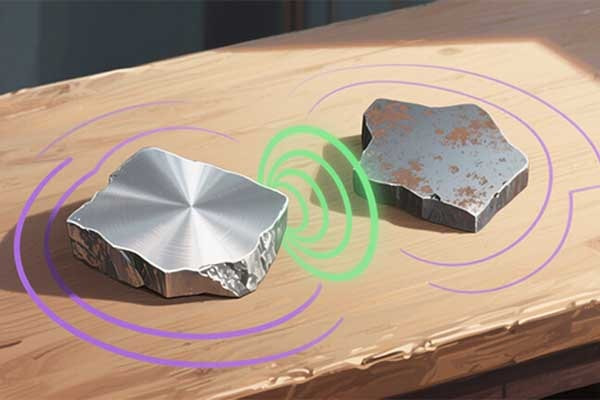
Many materials don't attract magnets, but some do. This makes people wonder why only certain materials show natural magnetic properties.
Some materials are naturally magnetic due to the alignment of unpaired electrons in their atoms, which produces a permanent magnetic field. This is common in ferromagnetic elements like iron and nickel.
The natural magnetism of certain materials comes from their atomic structure. In atoms, electrons orbit the nucleus and have a property called "spin." When these spins align in the same direction across many atoms, the result is a magnetic domain. In most materials, electron spins cancel out. But in ferromagnetic substances, many spins align together, forming large magnetic domains. This creates a strong, natural magnetic field.
These domains can exist even without an external magnetic force. When an external magnetic field is applied, these domains align even more strongly. After the external field is removed, some of these materials, like neodymium or alnico, can keep the alignment and become permanent magnets.
The reason only certain materials show this behavior is tied to quantum mechanics and electron configuration. Iron, cobalt, and nickel have the right balance of unpaired electrons and crystalline structure to support magnetic domain formation. This is why they are key components in producing different types of magnetic materials, especially for applications requiring high magnetic performance.
We can turn magnetic materials into functional components for products such as magnetic sensors, motors, and magnetic mounts. Understanding what makes a material magnetic helps us design better products and choose the most suitable types of magnetic materials for every use case.
Why Some Materials Are Naturally Magnetic
| Reason | Explanation | Result |
|---|---|---|
| Electron Spin | Unpaired electrons spin in the same direction | Creates magnetic field |
| Domain Formation | Aligned atoms group into magnetic domains | Magnetism becomes stronger |
| Crystalline Structure | Supports long-term alignment | Allows permanent magnetization |
This natural property is the basis for creating different types of magnetic materials. In the magnet industry, we categorize materials not just by strength but also by their natural magnetism and how easily they retain it. This is crucial in engineering and design. Materials with strong natural magnetism are used in electric vehicles, robotics, and magnetic storage. Knowing why some things are naturally magnetic helps us better use these materials in advanced technology and everyday products.
What common household item is magnetic?

Curious about magnetic items in your home? Many everyday objects contain magnetic metals. Let’s explore what makes these items magnetic.
Common household items like fridge magnets, paper clips, and some kitchen knives are magnetic. These items often contain iron or steel, which are magnetic metals that respond to magnetic fields.
Many items in your home interact with magnetic fields because they contain magnetic metals. At M-Magnet, we work with materials that create strong magnetic fields for products like MagSafe accessories. Let’s dive deeper into why some household items are magnetic and how this ties to understanding magnetic fields.
Magnetic fields arise when electrons in a material align in a specific way. This happens most often in ferromagnetic materials like iron, nickel, and cobalt. These materials have unpaired electrons in their atoms, which create tiny magnetic moments. When these moments align, the material becomes magnetic. Household items made of iron or steel, an alloy of iron, often show this property.
For example, paper clips are typically made of steel. They stick to magnets because their electrons can align with an external magnetic field. Fridge magnets, often made with iron or ferrite, generate their own magnetic fields to hold notes or photos. Kitchen knives, especially those made of stainless steel with high iron content, may also be magnetic. However, not all stainless steel is magnetic—some alloys, like those with more chromium, resist magnetization.
The strength of a magnetic field in these items varies. A fridge magnet creates a weak but noticeable field, while a paper clip becomes magnetic only when near a magnet. This behavior ties to the material’s ability to retain or lose its magnetic properties. Understanding this helps explain why some household items stick to magnets while others don’t.
Magnetic Household Items and Their Uses
Identifying magnetic items can help you use them effectively. For instance, knowing a knife is magnetic can aid in storing it on a magnetic strip, keeping it secure and accessible.
Here’s a look at common magnetic household items:
| Item | Material | Magnetic Use |
|---|---|---|
| Fridge Magnet | Ferrite or Iron | Holds notes or photos |
| Paper Clip | Steel | Temporary magnet for organizing |
| Kitchen Knife | Iron-based Stainless Steel | Sticks to magnetic strips |
The magnetic fields in these items come from their material composition. Ferromagnetic materials align their electron spins to create or respond to magnetic fields. This property makes them useful in daily life but also highlights why only certain materials are magnetic. Non-magnetic items, like aluminum cans or plastic utensils, lack this electron alignment, so they don’t interact with magnets.
How many magnetic materials are there?
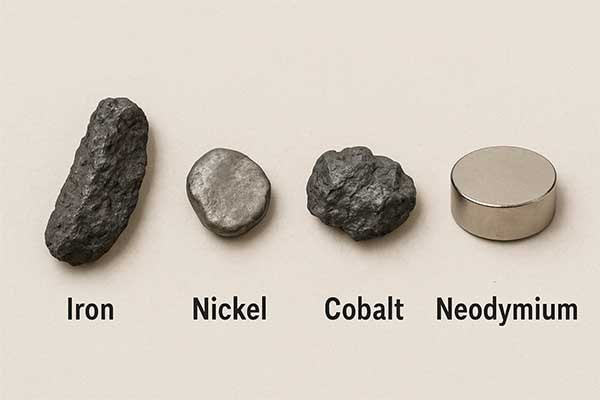
Ever wondered how many materials can be magnetic? The number of magnetic materials is limited but fascinating. Let’s find out how many exist.
Only a few materials are naturally magnetic. Iron, nickel, cobalt, and some rare-earth metals like neodymium are the main magnetic metals. Their alloys, like steel, can also be magnetic.
Magnetic materials are rare because specific conditions must be met for a material to produce a magnetic field. At M-Magnet, we specialize in neodymium magnets, which are among the strongest magnetic materials. Let’s explore the types of magnetic materials and why they’re unique, connecting this to the broader topic of magnetic fields.
Magnetic materials fall into a few categories based on how they interact with magnetic fields. Ferromagnetic materials, like iron, nickel, and cobalt, are the most common. These materials can create strong magnetic fields because their electrons align in regions called domains. When these domains line up, the material becomes a magnet. Neodymium, a rare-earth metal, is especially powerful.
Other materials, like some alloys of these metals, can also be magnetic. For example, steel, which contains iron, is often magnetic. However, not all alloys are magnetic—stainless steel with high chromium content may not respond to magnets. Rare-earth metals like gadolinium and dysprosium are magnetic at low temperatures but lose this property when heated.
Beyond ferromagnetic materials, there are paramagnetic and diamagnetic materials. Paramagnetic materials, like aluminum, are weakly attracted to magnets but don’t retain magnetism. Diamagnetic materials, like copper or water, are slightly repelled by magnets. These categories are less relevant to strong magnetic fields, so we focus on ferromagnetic materials when counting magnetic materials.
Types of Magnetic Materials
The number of naturally magnetic materials is small because magnetism requires specific atomic structures. Only a handful of elements on the periodic table are ferromagnetic at room temperature. Iron, nickel, and cobalt are the primary ones, with rare-earth metals like neodymium adding to the list. Alloys and compounds, like ferrite or alnico, expand the range but are still limited.
Here’s a comparison of key magnetic materials:
| Material | Magnetic Strength | Common Use |
|---|---|---|
| Iron | Moderate | Tools, appliances |
| Neodymium | Very strong | Phone holders, motors |
| Steel (Iron Alloy) | Varies | Paper clips, structures |
Connection to Magnetic Fields
The cause of magnetic fields lies in the atomic structure of these materials. Electrons in magnetic metals create tiny magnetic moments. When these moments align, they produce a magnetic field. This is why only certain materials, like iron or neodymium, are magnetic. Temperature can disrupt this alignment, weakening or destroying the magnetic field, as seen in gadolinium. Understanding the limited number of magnetic materials helps explain why magnetic fields are not common in all substances.
How to make a magnet without a magnet?

You want to understand how to create a magnet without using an existing one. This knowledge is vital for anyone interested in basic electromagnetism or practical applications. This section explores effective methods for creating magnetism from non-magnetic materials.
You can make a magnet without an existing magnet through several methods. These methods typically involve aligning the magnetic domains within a material or inducing a magnetic field using electricity. Common techniques include stroking a ferromagnetic material with a single pole, using direct current from a battery, or employing a strong external magnetic field that is later removed. The goal is to reorient the material's internal atomic structure to create a net magnetic moment.
Making a magnet from scratch involves understanding how materials respond to magnetic forces. It also involves knowing how to manipulate their internal structures. One common way is to use a simple piece of steel or iron. You can then rub it with another magnetic material. However, you can also create magnetism without any pre-existing magnet. This can be done by using electricity.
Understanding the Methods
Stroking Method (No Existing Magnet Needed Initially)
The stroking method traditionally uses an existing magnet. But, you can adapt it. You can align domains in a ferromagnetic material. You do this by repeatedly stroking it in one direction with a material that has been exposed to a strong magnetic field, even temporarily. This transfers a subtle magnetic alignment. The magnetic domains inside the material begin to line up. Over many strokes, more and more domains point in the same direction. This creates a weak magnetic field. The key is consistent, unidirectional movement. This method is often used for simple, temporary magnets.
Electrical Methods
Electrical methods are more effective. They create stronger and more permanent magnets.
Electromagnets
You can make an electromagnet by wrapping a wire around a ferromagnetic core. This core is often made of iron. You then run an electric current through the wire. The current creates a magnetic field. This field magnetizes the core. The strength of the electromagnet depends on several factors. These include the number of wire turns. They also include the amount of current. The type of core material matters too. Electromagnets are temporary. They are only magnetic when current flows.
Induction from a Strong Field (Without Direct Contact)
Another method involves exposing a material to a very strong magnetic field. This field can be generated by a powerful electromagnet. Or, it can be from a very strong permanent magnet. If you place a ferromagnetic material within this strong field, its domains will align. When you remove the material from the field, it retains some magnetism. This is similar to how a paperclip becomes temporarily magnetized when near a magnet. If the external field is strong enough, the material can become a permanent magnet. This is how many industrial magnets are made. We use these principles when providing our magnet customized solutions.
These methods show that magnetism is not always an inherent property. It can be induced and manipulated. This is crucial for magnet manufacturing. It allows for the creation of magnets with specific properties.
Comparison of Magnetization Methods
| Method | Materials Needed | Magnet Strength | Permanence |
|---|---|---|---|
| Stroking Method (Adapted) | Ferromagnetic material, object with slight magnetism | Weak | Temporary |
| Electromagnet | Wire, ferromagnetic core, power source | Variable (can be strong) | Temporary (only when powered) |
| Induction from Strong Field | Ferromagnetic material, strong external magnet/electromagnet | Strong | Permanent |
Conclusion
Magnetic materials have unique atomic structures that let their electrons align and create magnetic fields. Ferromagnetic, paramagnetic, and diamagnetic materials each behave differently. Understanding these differences helps you choose the right material for your needs. Magnetic materials are essential in many industries, from electronics to medical devices.
About Blogger
Benjamin Li
Operation Manager of M-Magnet Company
I will bring you a full range of magnet knowledge and manufacturing experience on neodymium magnets and MagSafe magnet solutions through blogs and emails. I'm not an expert yet in magnets, but we have a whole team to help you solve technical issues, design drawing details, compatibility suggestions from magnetic assemblies, magnet purchasing and many other customized magnet solutions from China. You can follow my blogs on knowledge sharing or contact me for your own magnet solutions. We will always do the best.