Can you put magnets on a microwave?
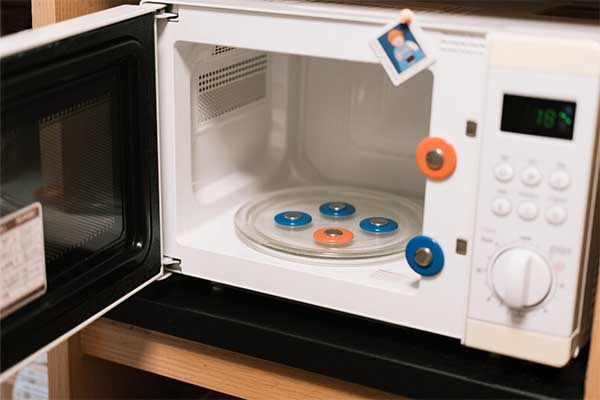
You might wonder about putting magnets on your microwave. It seems like a simple idea. However, it can lead to confusion and potential risks. We need to explore the true impact of magnets on this common kitchen appliance.
It is generally not advisable to put magnets on a microwave oven. Microwaves operate using sensitive internal magnetic fields to generate heat. External magnets can interfere with this operation, potentially reducing efficiency or, in rare cases, damaging the appliance.
Understanding how a microwave works can help you make better choices. Let us look inside.
Table of Contents
How do microwave magnets work?
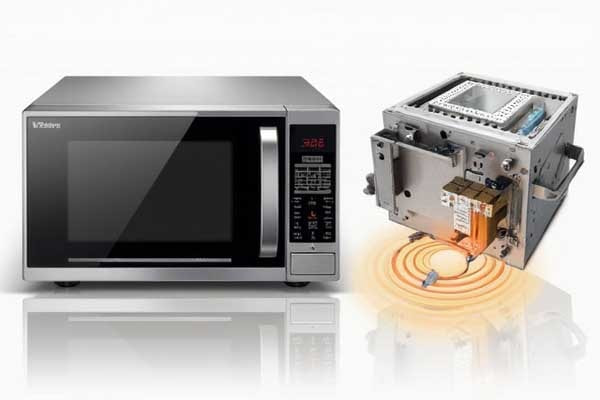
Have you ever thought about how your microwave oven heats food so fast? It uses special technology. Understanding this process is important. It helps us see why external magnets might be an issue.
Microwave ovens use a component called a magnetron, which generates microwave radiation through a powerful internal magnetic field created by permanent magnets. This radiation makes water molecules in food vibrate, producing heat to cook or reheat food.
This knowledge helps me understand how appliances work. A key part of your microwave oven is a special vacuum tube called a magnetron. This magnetron is the heart of the appliance. It is what creates the microwaves that cook your food.
The magnetron needs a very strong magnetic field to work. This field is usually provided by one or more powerful permanent magnets. These are often ring-shaped ceramic magnets or sometimes very strong neodymium magnets, depending on the design and power of the microwave. These internal magnets are crucial. They direct the flow of electrons inside the magnetron tube. The electrons spiral due to the magnetic field. This spinning motion is what generates the microwave radiation. This radiation then travels into the cooking chamber. It excites water molecules in your food, which creates heat.
The design of these internal microwave magnets is very precise. Engineers choose magnets with specific strengths and orientations. This ensures the magnetron works correctly and efficiently. Any external magnetic field could interfere with this delicate balance. If you put another magnet, especially a strong one, on the outside of the microwave, it could change the internal magnetic field. This might cause the magnetron to work less efficiently. It could even cause it to work improperly. The microwave might not heat food as well. It might take longer. In some rare cases, it could even damage the magnetron itself.
It is important to remember that these microwave magnets inside the magnetron are not like simple refrigerator magnets. They are high-strength, carefully positioned components. They are essential for the microwave to function. The magnetic field they create is very powerful, but it is also very contained within the magnetron. When you add an external magnet, you introduce an uncontrolled magnetic force. This force can push or pull on the existing internal field. This can lead to unwanted effects.
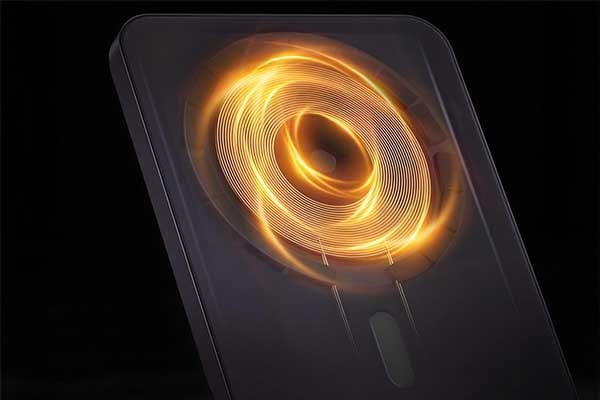
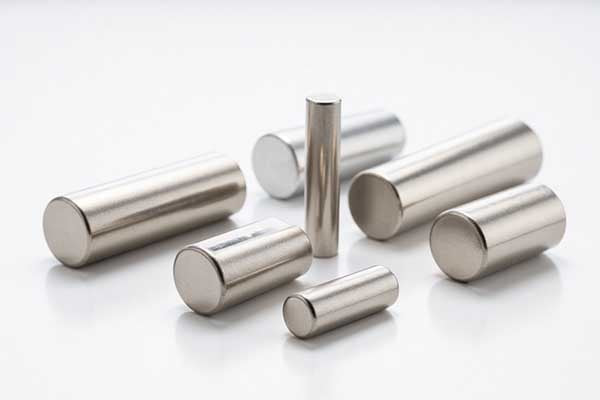
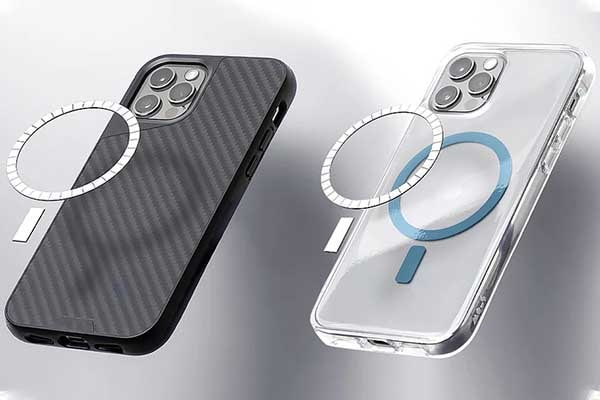
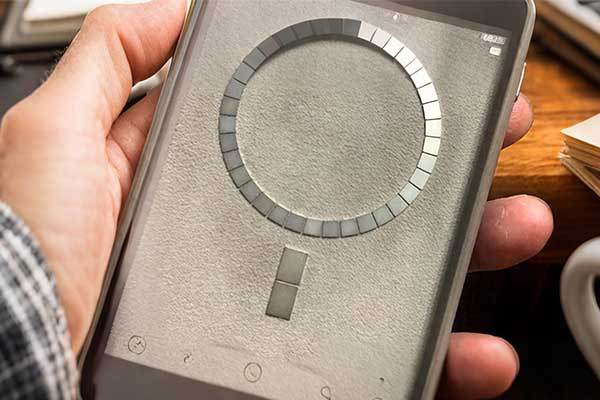
Consider a modern phone or smart device. Many of these have small magnets for cases or accessories. These are usually not strong enough to cause a major issue. However, decorative magnets, especially strong ones like neodymium magnets often used for crafts or industrial purposes, could pose a risk. My experience with custom magnet solutions shows me that even small changes in magnetic fields can have big impacts on performance.
Here is a simple breakdown of the magnetron's key components and their function:
Key Components of a Magnetron
| Component | Function | Role of Magnets |
|---|---|---|
| Cathode | Emits electrons when heated. | Electrons are influenced by the magnetic field after emission. |
| Anode (Resonant Cavities) | Collects electrons; has cavities that resonate at microwave frequency. | Electrons interact with these cavities due to magnetic field, creating microwaves. |
| Permanent Magnets | Produce a strong, constant magnetic field. | Direct and control the path of electrons inside the magnetron. |
| Antenna | Transmits generated microwaves into the cooking chamber. | No direct magnetic role; but receives power from the magnetron's output. |
How strong are microwave magnets?
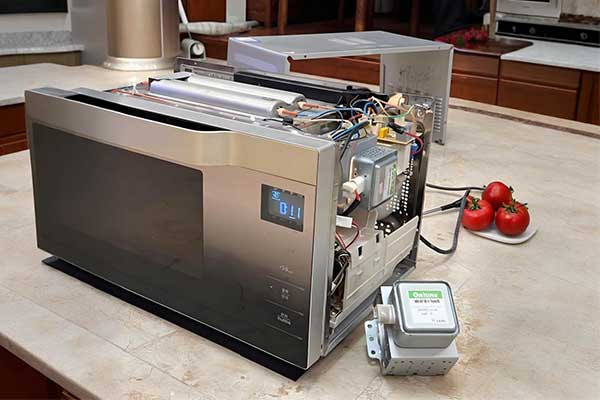
Magnets inside microwaves might seem small, but their strength can surprise many users.
Microwave magnets are quite strong because they are made from ceramic or rare earth materials like neodymium. These magnets generate the magnetic field needed for the magnetron to produce microwaves that heat food. Their strength depends on size, shape, and the microwave’s power level.
Microwave magnets are usually ring or disc-shaped and are part of the magnetron, the core device that creates microwaves. Although they look small, these magnets can be very powerful. Many microwave magnets are ceramic ferrite magnets, which are strong and brittle. Some modern microwaves use rare earth magnets like neodymium for higher efficiency. The magnetic field they produce forces electrons to move in a circular path inside the magnetron, which generates the microwaves. The stronger the magnet, the more efficient the microwave oven can be.
Characteristics of Microwave Magnets
| Type | Material | Strength | Brittleness | Common Shape |
|---|---|---|---|---|
| Ceramic Ferrite | Iron oxide with barium or strontium | Strong enough to pinch fingers | High brittleness | Ring or disc |
| Neodymium (Rare Earth) | NdFeB alloy | Very strong magnetic field | Moderate brittleness | Disc or ring |
In my work at M-Magnet, I see that microwave magnets, especially those made from rare earth materials, are crucial for efficient microwave operation. Their power directly affects the magnetron’s ability to generate microwaves and heat food quickly.
Do microwaves have a magnetic field?
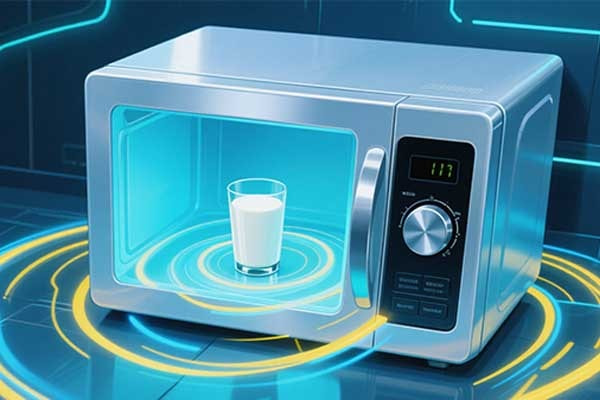
Microwaves are electromagnetic waves, but does the oven itself have a magnetic field?
Yes, microwave ovens contain strong magnetic fields inside, created by the microwave magnets in the magnetron. These fields guide electrons to produce microwaves. However, the magnetic field is mostly confined within the magnetron and does not extend far outside the oven.
The magnetron inside a microwave oven uses two strong magnets to create a magnetic field perpendicular to an electric field.
This crossed-field setup forces electrons to move in curved paths, generating oscillating electric and magnetic fields at microwave frequencies (about 2.45 GHz). These oscillations produce the microwaves that heat food.
The magnetic field inside the magnetron is constant and strong, but it is contained within the device’s metal housing. Outside the oven, the magnetic field is very weak and poses no harm.
Magnetic Field in Microwave Ovens
| Location | Field Type | Strength | Effect Outside Oven |
|---|---|---|---|
| Inside Magnetron | Strong static magnetic field | Very strong (several hundred to thousand gauss) | Confined, no effect |
| Outside Oven | Very weak stray magnetic field | Negligible | No health risk or interference |
The magnetic fields inside microwaves are essential for their operation and are generated by strong magnets made from ceramic or rare earth materials. While these fields are powerful inside the magnetron, they do not pose risks outside the oven. This containment is due to the metal casing and design of the microwave. As a manufacturer of rare earth magnets at M-Magnet, I understand the importance of magnet strength and safety in such applications.
Magnets and microwaves work closely together in this technology, where magnets create the fields needed to produce microwave radiation. This relationship highlights how magnets are vital in everyday appliances beyond just holding or lifting objects.
Is there a metal that is microwave safe?
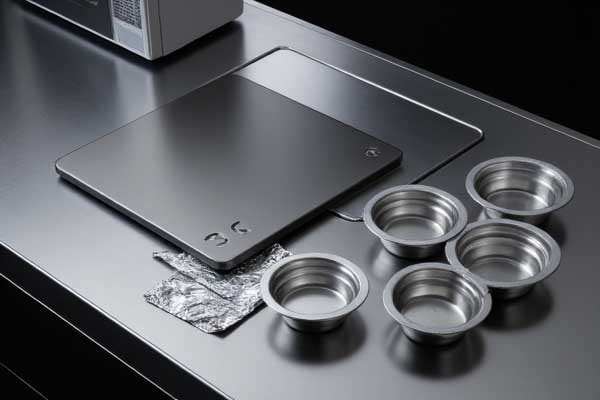
Many people worry about sparks and damage on metal safety in microwaves. The truth is that some metals can be safe in specific situations.
Yes, certain metals can be microwave safe under controlled conditions. Stainless steel without sharp edges, aluminum foil in small amounts, and some metal containers designed for microwave use are generally safe. The key factors are the metal's thickness, shape, and how it's positioned in the microwave.
Understanding microwave-safe metals requires looking at how microwaves work and interact with different materials. I've spent years working with various metals at M-Magnet, and the relationship between metals and electromagnetic fields is more complex than most people realize.
Microwaves generate electromagnetic radiation at 2.45 GHz frequency. This energy makes water molecules vibrate and create heat. When metals are present, they can reflect these waves or create electrical currents. The danger comes from sharp edges, thin materials, or large metal objects that can create arcing.
Some metals work better than others in microwave environments. Stainless steel is often the safest choice because it's thick and smooth. Many microwave manufacturers actually use stainless steel in their interior construction. The metal needs to be thick enough to avoid heating up quickly and smooth enough to prevent electrical discharge.
Microwave-Safe Metal Guidelines
| Metal Type | Safety Level | Key Requirements |
|---|---|---|
| Stainless Steel | Generally Safe | Thick, smooth surfaces |
| Aluminum Foil | Limited Use | Small amounts, no sharp edges |
| Gold/Silver | Avoid | Creates strong reflections |
| Copper | Avoid | High conductivity risks |
The thickness factor is crucial. Thin metals heat up quickly and can warp or create hot spots. I recommend using metals that are at least 1mm thick if you must use them in a microwave. The shape matters too. Round or oval containers work better than square ones because they don't have sharp corners where electrical fields can concentrate.
Aluminum foil deserves special attention. Small amounts can be safe for shielding parts of food from overcooking. However, you must keep the foil smooth and away from the microwave walls. Crumpled foil creates multiple sharp points that can cause arcing. Many people don't realize that some frozen dinners actually contain aluminum trays designed for microwave use.
The position of metal in the microwave also affects safety. Metal should never touch the microwave walls or ceiling. This creates a direct path for electrical current and almost guarantees sparking. I always recommend keeping metal objects at least one inch away from all microwave surfaces.
Some newer microwaves have special settings for metal containers. These microwaves use different power levels and wave patterns to work safely with certain metals. However, you should only use metals specifically approved by the microwave manufacturer. Generic metal containers can still cause problems even in these advanced units.
Temperature monitoring becomes important when using any metal in microwaves. Metal containers don't heat evenly like glass or ceramic. Hot spots can develop quickly and create dangerous situations. I suggest using shorter heating times and checking food temperature more frequently when metal containers are involved.
Can you put a magnet in the oven?
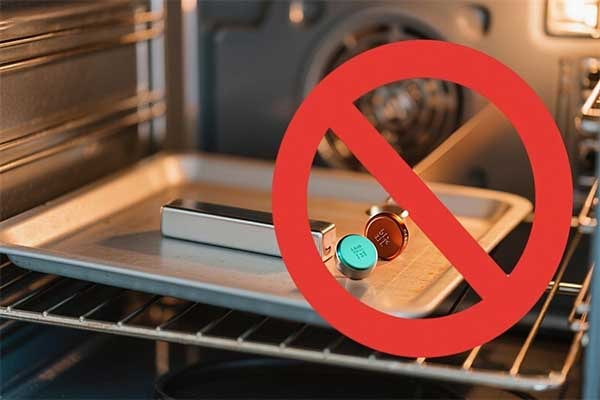
Most magnets lose strength or permanently demagnetize when heated. You can put a magnet in the oven, but it depends on the magnet type and temperature.
Most permanent magnets should not be placed in ovens because they lose their magnetic properties at high temperatures. Neodymium magnets begin losing strength around 176°F (80°C) and can be permanently damaged above 392°F (200°C). Ferrite magnets handle higher temperatures but still have limits around 842°F (450°C).
The science behind magnet behavior in ovens involves understanding magnetic domains and temperature effects. At M-Magnet, we test magnets under various temperature conditions to determine their operational limits. Heat affects the alignment of magnetic domains within the material, and once disrupted, this alignment often cannot be restored.
Different magnet types have vastly different temperature tolerances. Neodymium magnets are the strongest but also the most temperature-sensitive. These rare earth magnets start losing strength gradually as temperature increases. The loss becomes noticeable around 176°F, which is below the temperature of many oven applications.
Standard kitchen ovens operate between 200°F and 550°F for most cooking tasks. This temperature range puts neodymium magnets well beyond their safe operating zone. Even brief exposure to these temperatures can cause permanent damage. The magnet won't just weaken temporarily - it will lose magnetic strength permanently.
Ferrite magnets offer better temperature resistance but still have limitations. These ceramic magnets can handle temperatures up to 842°F before experiencing significant degradation. However, most ferrite magnets begin showing some strength loss around 500°F. This makes them slightly more suitable for low-temperature oven applications, but still risky for normal cooking.
Magnet Temperature Limits
| Magnet Type | Curie Temperature | Safe Operating Range | Oven Compatibility |
|---|---|---|---|
| Neodymium (NdFeB) | 590°F (310°C) | Up to 176°F (80°C) | Not Recommended |
| Ferrite (Ceramic) | 842°F (450°C) | Up to 500°F (260°C) | Limited Use |
| SmCo (Samarium Cobalt) | 1472°F (800°C) | Up to 572°F (300°C) | Possible for Low Temp |
| Alnico | 1562°F (850°C) | Up to 1022°F (550°C) | Best Heat Tolerance |
The Curie temperature represents the point where a magnet completely loses its magnetic properties. However, strength degradation begins well before reaching this critical temperature. I've observed that most magnets lose about 10-15% of their strength for every 50°F increase in temperature within their operating range.
Oven types also matter when considering magnet safety. Convection ovens circulate hot air more efficiently, creating more uniform heating. This can actually be worse for magnets because there are fewer cool spots. Gas ovens tend to have more temperature variation, but the hottest areas can still exceed safe limits for most magnets.
Microwave ovens present different challenges. The electromagnetic fields in microwaves don't directly heat magnets, but they can interfere with magnetic fields. Strong magnets might affect microwave operation, and the metal components in magnets could create safety issues similar to other metals in microwaves.
Time exposure plays a significant role in magnet damage. Brief exposure to moderately high temperatures might cause temporary strength loss that recovers when cooled. Extended exposure or very high temperatures cause permanent structural changes in the magnetic material. I recommend never leaving magnets in ovens for extended periods, even at low temperatures.
Special high-temperature magnets exist for industrial applications. Samarium cobalt magnets can handle higher temperatures than neodymium, making them suitable for some high-heat applications. Alnico magnets offer the best heat resistance among permanent magnets, but they're also the weakest in terms of magnetic strength.
Recovery after heat exposure varies by magnet type and temperature reached. Neodymium magnets that have been overheated cannot be restored to full strength through cooling alone. The magnetic domains become randomly oriented and require remagnetization to restore functionality. This process requires specialized equipment and often isn't cost-effective for consumer applications.
Safety considerations extend beyond just magnet damage. Hot magnets can cause burns if handled improperly. Magnets that have lost strength might unexpectedly release magnetic items, creating hazards. I always recommend using proper protective equipment when handling magnets that have been exposed to heat.
For practical kitchen use, I recommend avoiding magnets in ovens entirely. If you need magnetic functionality in cooking applications, consider specialized high-temperature magnetic materials or alternative mounting solutions that keep magnets away from direct heat exposure. The risk of permanent damage and potential safety issues outweigh the convenience in most situations.
Are there heat resistant magnets?
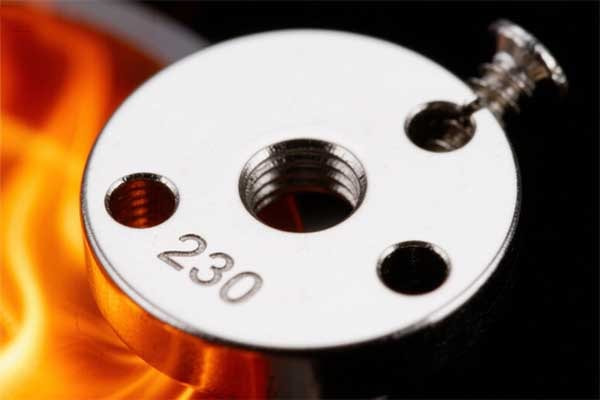
Standard magnets lose strength in high heat, but specialized options exist. Heat-resistant magnets include Alnico (up to 650°C), SmCo (310–400°C), ferrite (250°C), and treated neodymium (EH grade up to 260°C)
Yes, there are heat resistant magnets designed to maintain their magnetic strength at high temperatures. Different types of magnets, including certain neodymium grades, ceramic, samarium cobalt, and alnico magnets, can withstand various levels of heat without losing performance.
Magnets vary widely in their ability to resist heat.
Standard neodymium magnets usually tolerate up to about 80°C before losing some magnetism. However, special grades of neodymium magnets, marked as M, H, SH, UH, and EH, can handle temperatures from 100°C up to 200°C.
Ceramic magnets can resist heat up to around 250°C, while samarium cobalt magnets can endure even higher temperatures, often up to 350°C or more. Alnico magnets are the most heat resistant, withstanding temperatures as high as 525°C or beyond.
These heat resistant magnets are essential in applications where magnets face high temperatures, such as motors, sensors, and industrial equipment.
Heat Resistance of Common Magnet Types
| Magnet Type | Maximum Operating Temperature | Typical Applications |
|---|---|---|
| Standard Neodymium | ~80°C (176°F) | General electronics, consumer devices |
| Heat Resistant Neodymium (H, SH, UH, EH grades) | 120°C to 200°C (248°F to 392°F) | Motors, sensors, automotive parts |
| Ceramic (Ferrite) | ~250°C (482°F) | Transformers, loudspeakers, microwave magnets |
| Samarium Cobalt (SmCo) | 310°C to 350°C (590°F to 662°F) | Aerospace, military, high-temp motors |
| Alnico | 525°C+ (977°F+) | High-temp sensors, guitar pickups |
In my experience at M-Magnet, selecting the right magnet for heat resistance is critical, especially when considering magnets on microwave ovens or other appliances that generate heat. Standard neodymium magnets may lose strength if exposed to microwave-level heat, but specially treated magnets or ceramic magnets can handle these conditions better.
Magnets and microwaves often work together in appliances, so understanding heat resistance helps ensure magnets keep their performance and safety over time. When placing a magnet on a microwave, it’s important to consider the magnet’s heat tolerance to avoid demagnetization or damage.
Conclusion
In conclusion, you should avoid placing magnets on your microwave oven. The appliance relies on precise internal microwave magnets within its magnetron to generate the necessary radiation for cooking. External magnets can disrupt this delicate internal magnetic field, which may lead to reduced heating efficiency, longer cooking times, or even potential damage to the magnetron over time. It is best to keep magnets away to ensure your microwave functions correctly and safely for a long time.
About Blogger
Benjamin Li
Operation Manager of M-Magnet Company
I will bring you a full range of magnet knowledge and manufacturing experience on neodymium magnets and MagSafe magnet solutions through blogs and emails. I'm not an expert yet in magnets, but we have a whole team to help you solve technical issues, design drawing details, compatibility suggestions from magnetic assemblies, magnet purchasing and many other customized magnet solutions from China. You can follow my blogs on knowledge sharing or contact me for your own magnet solutions. We will always do the best.